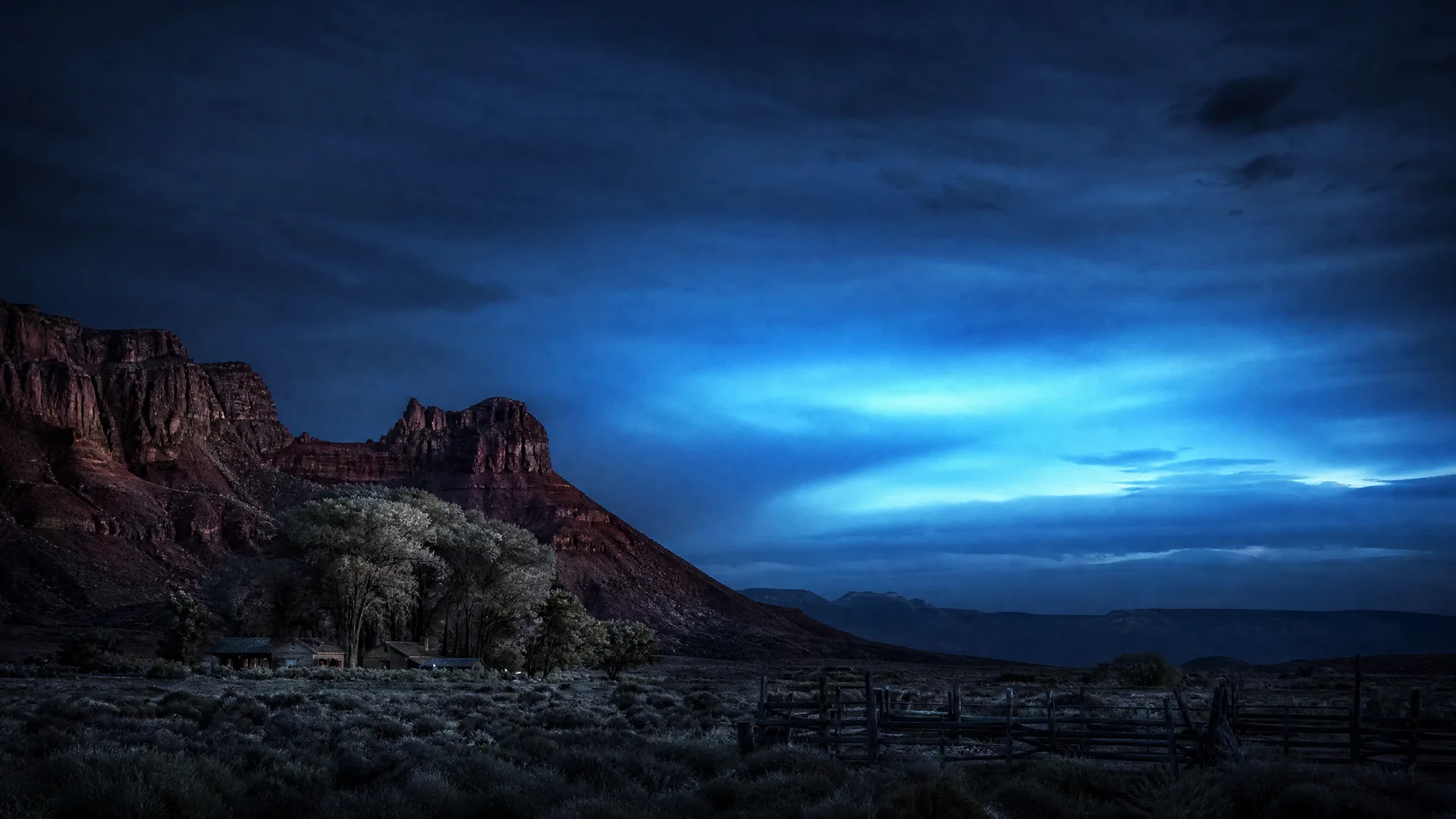
Furnace Repair in Utah
Homes in Utah are newer than in 44 of the other 49 states.
Tell us about the job
Takes about a minute. No obligation.
- 21°Fwinter overnight low where people live
- 9 monthsof heat, September through May
- $12.55 per million Btuwhat homes paid for natural gas in 2024 (Btu means British thermal units, a measure of heat)
- 444winter storms from 2015 to 2024
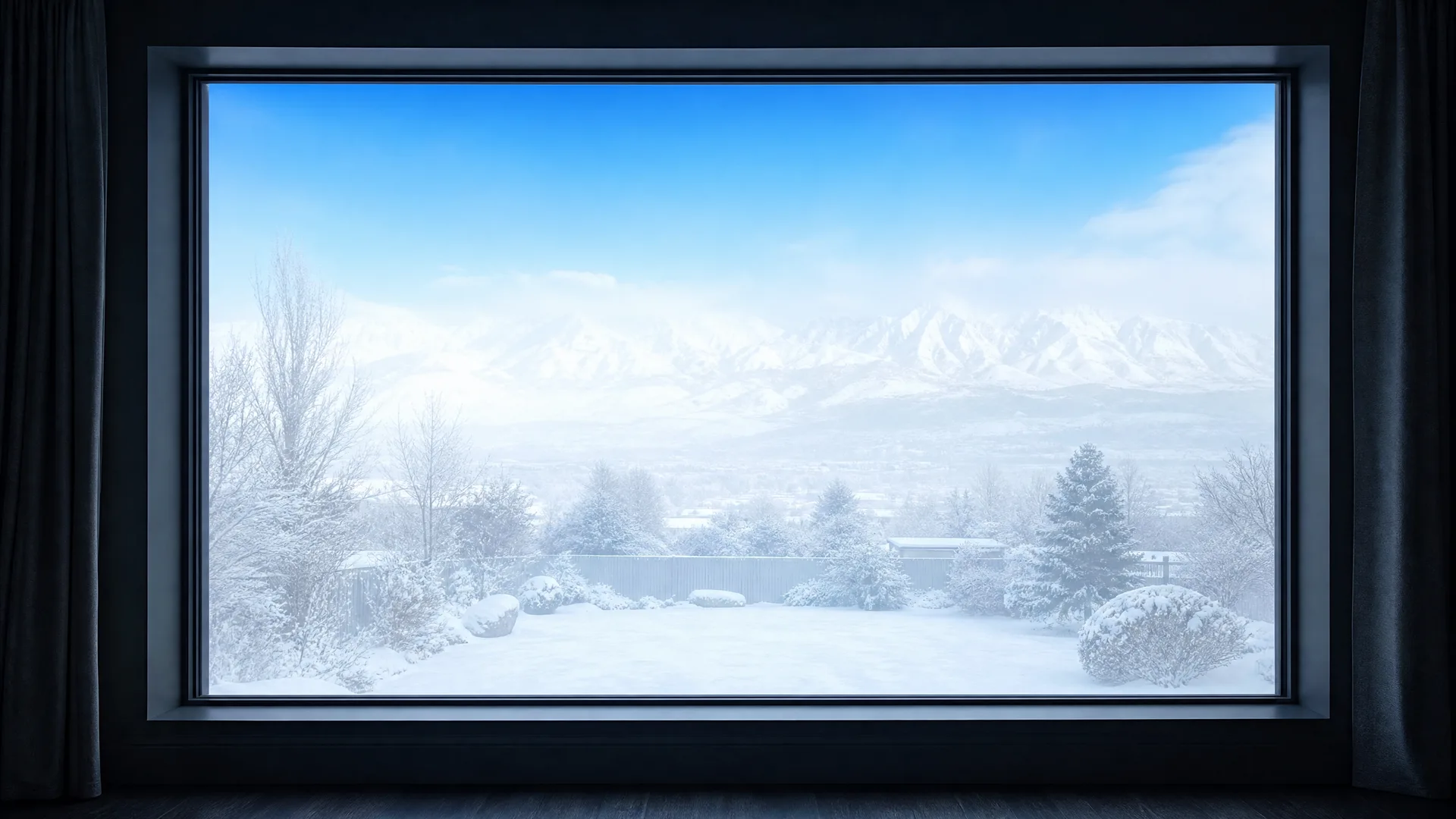
Nine months of heat wears furnaces down. Hardest work comes on the coldest nights.
- Eastern counties need about 16% more heat than western ones
- Winter nights average 21°F where people live
- Heat runs September through May
- 444 winter storms from 2015 to 2024
- Climate zones 3B, 5B and 6B across the state
- 7% of homes lost power a day or more in 2024

Newer homes, furnaces with life left
Half the homes in Utah were built in 1992 or later. Most of those are single-family houses, built to one family's codes from the start, not added onto or split up later. If your furnace came with a house from that era or after, it's probably had one owner's worth of wear. That matters when something goes wrong. A furnace acting up partway through its life is usually a part failing, not the whole unit giving out, and parts get replaced. Worth finding out what's actually wrong before anyone talks about a new system.
Natural gas here cost $12.55 per million Btu in 2024. That's what every therm (a unit of natural gas on a gas bill) your furnace burns is priced against. A unit that's short cycling, running too long, or struggling to hit temperature is burning more of that gas to do the same job.
A cracked heat exchanger, a dying igniter, a clogged burner, none of them fix themselves, and none of them get cheaper to ignore. If your furnace is working harder than it should to keep the house warm, that shows up on the gas bill every month until someone looks at it.
Nine months of heat starts in September
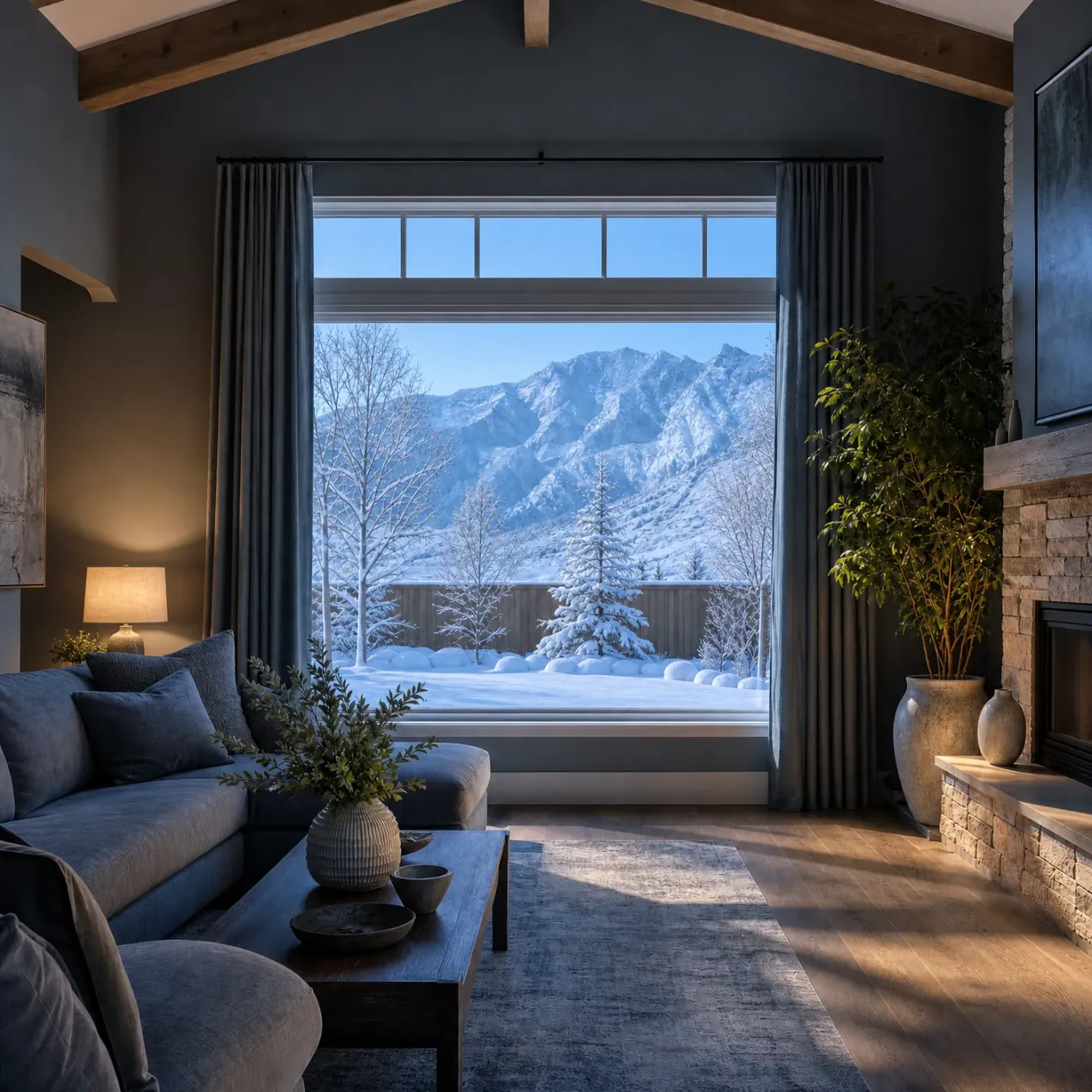
Heat goes on in September here and most years it's still running in May. That's nine months of work, more than what furnaces see in 35 other states. Trouble tends to show up in the first cold snap, when a part that was already weak gets asked to carry a full load for the first time in months. Sitting idle all summer doesn't fix a struggling igniter or a cracked heat exchanger. Getting a furnace looked at in August, before that first hard push, catches those problems on your schedule instead of on the coldest night of the year.
2 months of cooling, July through August
9 months of heat, September through May
Where you are in Utah changes how hard your furnace works. Homes in the state's eastern counties need about 16% more heat over a year than homes in the west. That gap shows up in parts wearing out sooner on one side of the state than the other.
Summit County needs about twice the heat over a year that Washington County does, the lowest in the state. A furnace in Summit County is carrying close to twice the load of one in Washington County, year after year. That difference adds up in burner hours and cycles, not just in how cold a single night gets.
Winter nights run colder in the east too, and Rich County sees the coldest in the state, averaging 11°F through December, January and February. Washington County stays mildest. A furnace built for a Washington County winter is working through a different season than one in Rich County.
How long heat runs changes by county as well. Summit County needs heat about 11 months a year, the longest stretch in the state. Salt Lake County needs it for about 8. A furnace running 11 months has less downtime between seasons for a weak part to get caught before the next cold night asks more of it.
Winter storms, including heavy snow, ice and blizzards, hit Utah 444 times between 2015 and 2024. A storm that knocks out power or buries a vent can turn a minor furnace issue into a no-heat call overnight, in the coldest counties and the mildest alike.
What does a furnace in Utah face?
How cold do winter nights get?
21°Faverage overnight low where people live
North Dakota4°F
Hawaii65°F
How many months does the heat run?
9 monthsof heating a year
Hawaii0 months
Alaska12 months
What does natural gas cost?
$12.55per million Btu, what homes paid in 2024
Montana$7.77
Hawaii$53.25
How often do storms hit?
217severe weather events per county from 2015 to 2024
Alaska5
Wyoming1,057
How many homes lost power for a day or more?
7%of homes in 2024
Arizona7%
Maine54%
Built for cold nights, running most of the year
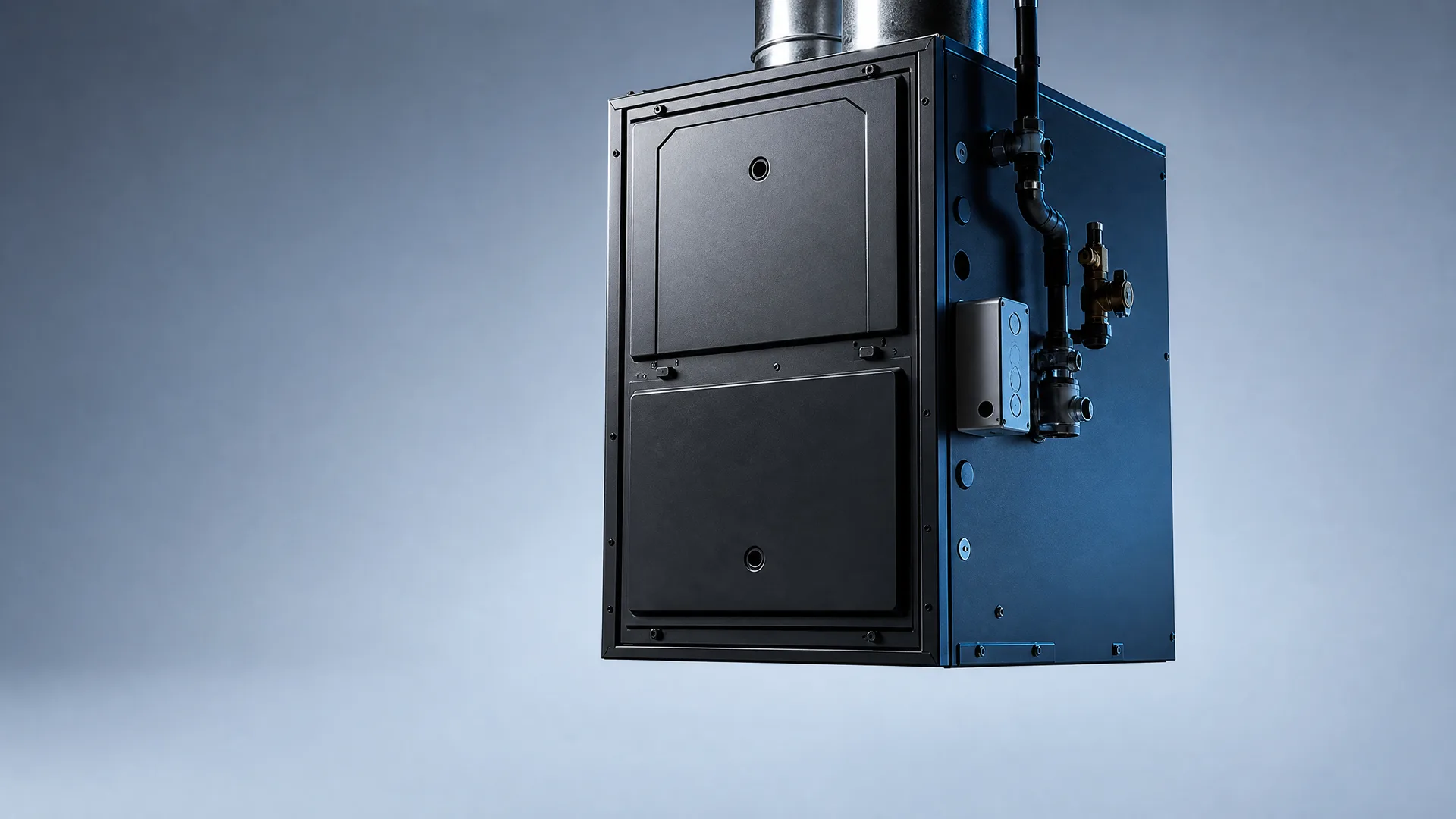
Twenty-one degrees is the average overnight low here through December, January and February, and the furnace is what stands between that and a warm house. Nine months of heat a year means the igniter, the blower motor and the heat exchanger rarely get a real break. Winter storms have hit Utah hundreds of times over the past decade, and a furnace already worn thin has less to give when one knocks the power out on a cold night.
What a struggling furnace sounds and looks like
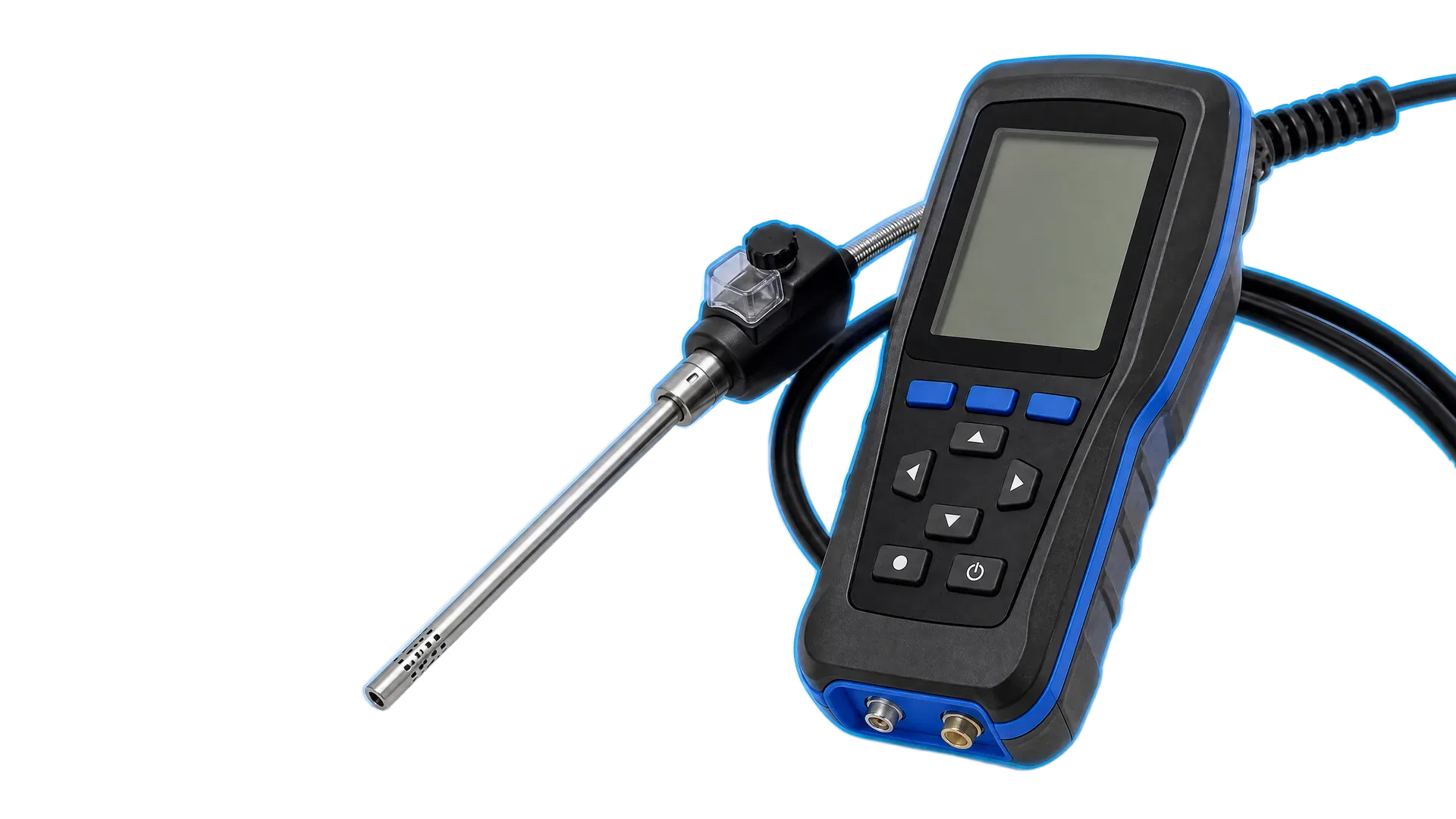
A furnace rarely quits without warning you first. Short cycling is one of the clearest signs, where it fires up, runs a few minutes, and shuts off before the house warms. That's often a flame sensor that's dirty or failing, or a limit switch tripping because airflow is restricted. A furnace that runs and runs without hitting the thermostat setting is a different problem, usually a sign the heat exchanger is cracked or the blower can't move enough air. Listen for the sounds it makes starting up. A boom or bang at ignition means gas is building up before it lights, often a dirty burner or a weak igniter not firing fast enough. Grinding, squealing or rattling from the blower points to a motor bearing wearing out. A burner flame that's yellow or flickering instead of steady blue means it's not burning clean, and that's worth checking before it's left alone. Soot around the vent, a smell of gas, or a furnace that won't stay lit are not things to wait out. Most of these start small and get worse with every cycle, not better.
What failed tells you more than how old it is
Not every failure means a new furnace, and not every repair is worth making. The question is what broke and what it's connected to. An igniter, a flame sensor, a blower motor, these fail on their own and get swapped out without touching anything else. The furnace around them is fine. A cracked heat exchanger is a different kind of problem. That's the part that separates the flame from the air moving through your house, and once it's cracked it doesn't get patched, it gets replaced. On an older unit that often means replacing the whole furnace instead of just that part. Age matters less than which part failed and whether parts are still being made for that model. A furnace that keeps coming back for repairs, one thing after another over a short stretch, is telling you something even if each fix was small on its own. Ask what failed, whether it's a part on its own or a sign the whole unit is wearing out together, and whether a tech can even get the part. That answer matters more than how many years the furnace has been running.
A furnace that's struggling on a cold night in Utah needs a real diagnosis, not a guess.
Tell us about the job
Takes about a minute. No obligation.
Fill out the form once and a licensed contractor in Utah will contact you about the repair.