




A multi-story timber-frame and stone house glows with warm interior and exterior lighting on a dark residential street, with mountain peaks and pine trees visible in the background.

Furnace Repair in Park City, UT

Tell us about the job

Takes about a minute. No obligation.

RepairFurnace or heatingSummit County, UT
Step 1 of 2

What ZIP code is the job in?

Furnaces in Summit County run from August through June. That's eleven months of the year the burner and blower are working, with only a short stretch of summer off. Overnight lows average 12°F through December, January and February, so on the coldest nights the furnace isn't cycling, it's running long stretches just to hold the house. Add in the storms, 113 of them over the past decade, and you've got a system that rarely gets an easy week. That kind of use wears on an igniter, a blower motor, a heat exchanger sooner than it would somewhere milder. When something acts up here, it's usually not bad luck. It's a part that's been working harder than it was built to, for longer than most furnaces ever have to.

11 months
August through June, your furnace is on duty
12°F
the average winter night it heats against
84%
of homes here heat with gas, so most furnaces here burn gas
113 winter storms
in ten years, the nights a failure hurts most
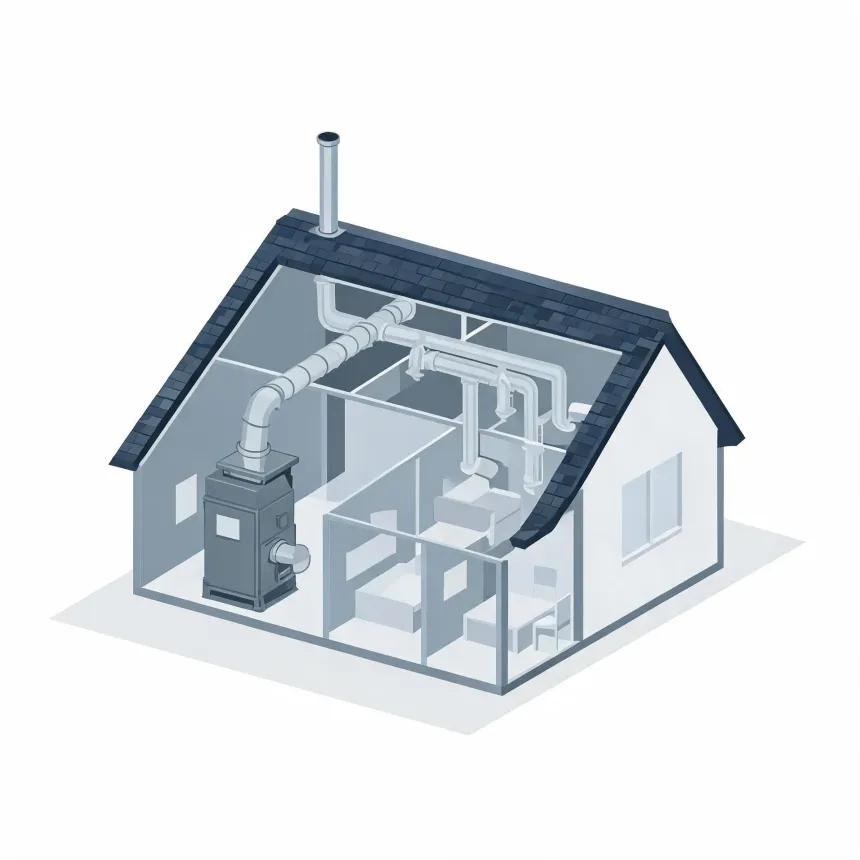
Isometric cutaway illustration of a small house showing a gray furnace unit with a flue pipe through the roof and branching ductwork running to rooms with simple furniture.
Your furnace works hardest from October through April.

NOAA nClimDiv, 1991–2020 normals

Furnaces here start up again in August, a full month before most people think about heat.

July is when a weak igniter or a tired blower motor gets found, right before it has to run for eleven months straight.

Natural gas here runs $12.55 per million Btu, and a furnace that's struggling burns more of it every month it runs

Climate zone 6B
Heat runs August through June
Winter nights average 12°F
Every month it struggles costs more hereGas runs $12.55 per million Btu in Utah, so a furnace burning more of it to make up for a bad part shows up on the bill before it shows up as a breakdown

If your furnace is short cycling, making noise on startup, or not keeping up on the coldest nights, get a contractor to look at it rather than waiting to see if it clears up on its own. A furnace running this hard for this many months doesn't usually fix itself, and a part already under strain tends to fail at the worst time, like during one of the storms that roll through most winters here. A proper diagnosis finds the actual part at fault, the igniter, the blower motor, the heat exchanger, instead of guessing. That matters because a repair aimed at the wrong part doesn't hold, and you're back to square one in the middle of a cold stretch.

If the house is newer, repair is usually the right call

If your house was built in 1995 or later, the furnace in it still has working life ahead, even running as hard as it does here. That's worth knowing before you decide between a repair and a replacement. Get the actual part diagnosed first.

Find a contractor
A gas furnace with attached ductwork, gas piping, and condensate lines installed in a concrete-block basement.

What actually wears out

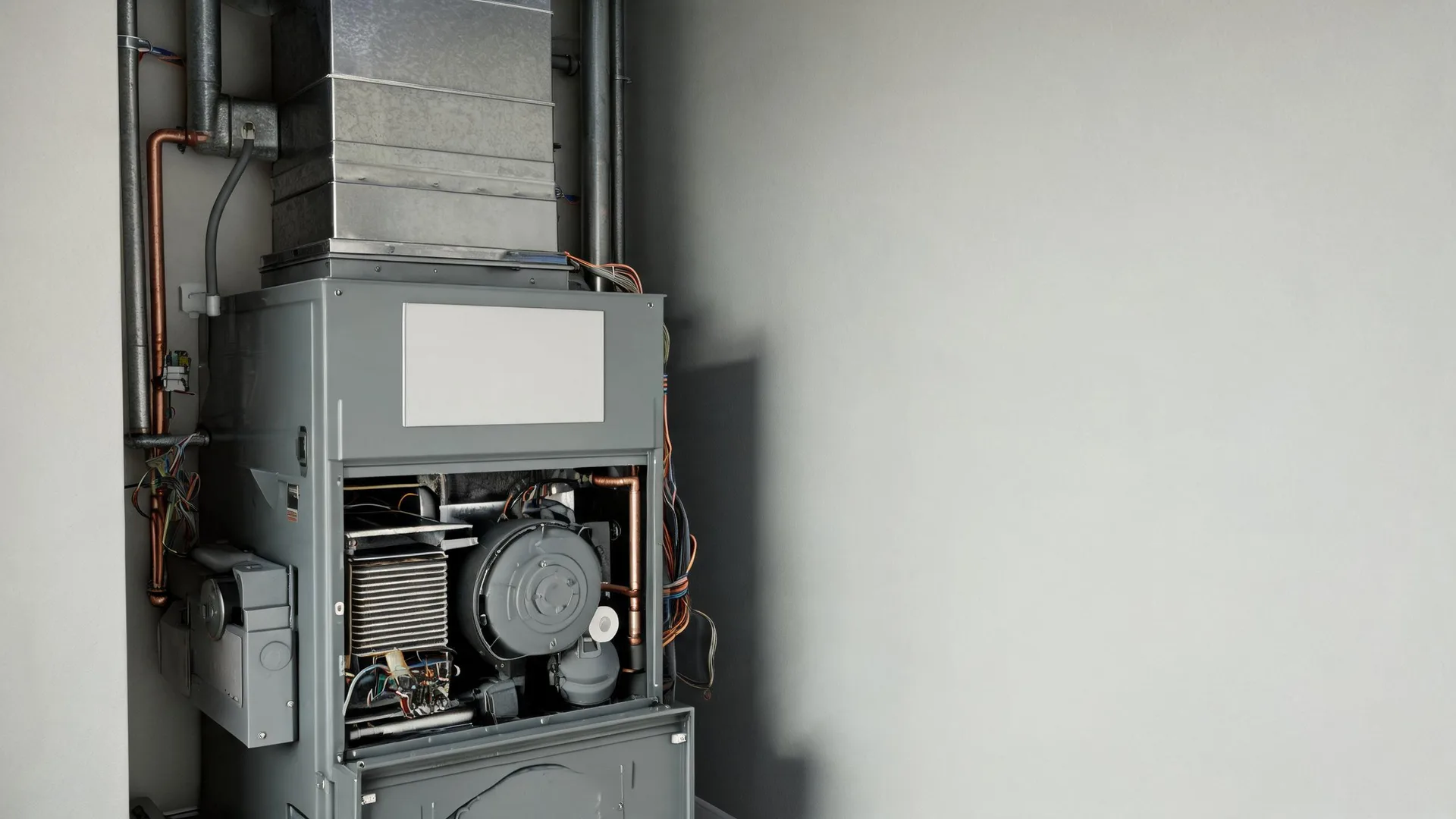
Most furnace failures trace back to one part wearing out, not the whole system giving up. The igniter is usually first. It heats up every time the furnace calls for heat, and that repeated heating and cooling eventually cracks it, especially the hot surface type. A blower motor goes next on the list. It runs longer than almost anything else in the system, and the bearings inside it wear down over years of use until the motor struggles to start or runs hot and shuts off. The flame sensor gets a coating of residue from normal combustion over time, and once it's coated it can't tell the control board a flame is lit, so the furnace shuts down even though it's working fine otherwise. Heat exchangers crack from the plain stress of heating up and cooling down thousands of times, and that one isn't a part you patch. None of these fail on a schedule. They fail from accumulated cycles, which means the more a furnace runs, the sooner it gets there.

A cracked igniter gets worse with every call for heat

Once an igniter has a hairline crack, each startup flexes it a little more. It might light fine for weeks, then start failing on every third or fourth call, then every other one, until it stops lighting at all. Waiting doesn't give it a chance to settle down. It only adds more cycles to a part that's already cracking.

A dirty flame sensor shuts the furnace down for good eventually

A flame sensor coated with residue still works some of the time, sensing just enough flame to let the furnace keep running. As the coating builds up, it takes longer each cycle for the sensor to register the flame, so the furnace shuts off sooner and sooner after startup. Left alone, it stops sensing the flame at all and the furnace won't stay lit no matter how many times it tries.

An unfinished concrete basement containing a metal HVAC air handler, exposed wooden ceiling joists with sheet-metal ducts, a hanging bare bulb, copper pipes, and stacked cardboard boxes.

A new furnace would cut about $160 a year off heating for a typical Summit County home.

  • A new high-efficiency furnace$670 a year
  • An older furnace$830 a year

Estimates for a typical Summit County home, compared with an older unit built to the previous federal minimum, from EIA household energy data, Utah fuel prices and NOAA climate normals. Your home will differ.

Repair makes sense when one part has failed and the heat exchanger is sound.

Replacement makes sense when the heat exchanger is cracked or the furnace keeps needing parts.

A diagnostic visit starts with the complaint, not the furnace. The tech wants to know what it's doing. Not lighting. Lighting and shutting off. Running but not heating. Making noise. That narrows things before a panel ever comes off. From there it's a sequence. Check the thermostat call. Check for power and gas to the unit. Watch an actual ignition cycle happen. Watching it try to light and fail tells you more than any part looks like it tells you on its own. If the igniter glows but nothing lights, that points to the gas supply or the valve. If it never glows, the igniter or its control is suspect. A multimeter checks the igniter's resistance and the flame sensor's signal, because both can look fine and still be failing. The blower gets checked on its own, for a clean start and quiet bearings. By the end the tech can usually point to one part and say that's what's doing it, rather than replacing things until one works.