
Heat Pump Repair in Utah
Homes in Utah are newer than in 44 of the other 49 states.
Tell us about the job
Takes about a minute. No obligation.
- 21°Fwinter overnight low where people live
- 9 monthsof heat, September through May
- 83°Fsummer afternoon high where people live
- 2 monthsof cooling, July through August
Nothing unusual here for a heat pump Just long winters, down to 21°F
- Western counties need about 83% more cooling than eastern ones
- Winter nights average 21°F where people live
- Summer afternoons average 83°F where people live
- Heat runs September through May
- Cooling runs July through August
- 444 winter storms from 2015 to 2024


- Heat in winter and cooling in summer from the same unit, without it getting stuck in one mode
- The reversing valve switching cleanly, so the system changes between heating and cooling when it should
- An end to short cycling, where the unit kicks on and off instead of running a full cycle
- A defrost cycle that actually clears frost off the outdoor coil instead of letting it cake up
- A compressor and outdoor fan that start up clean, instead of humming and stalling
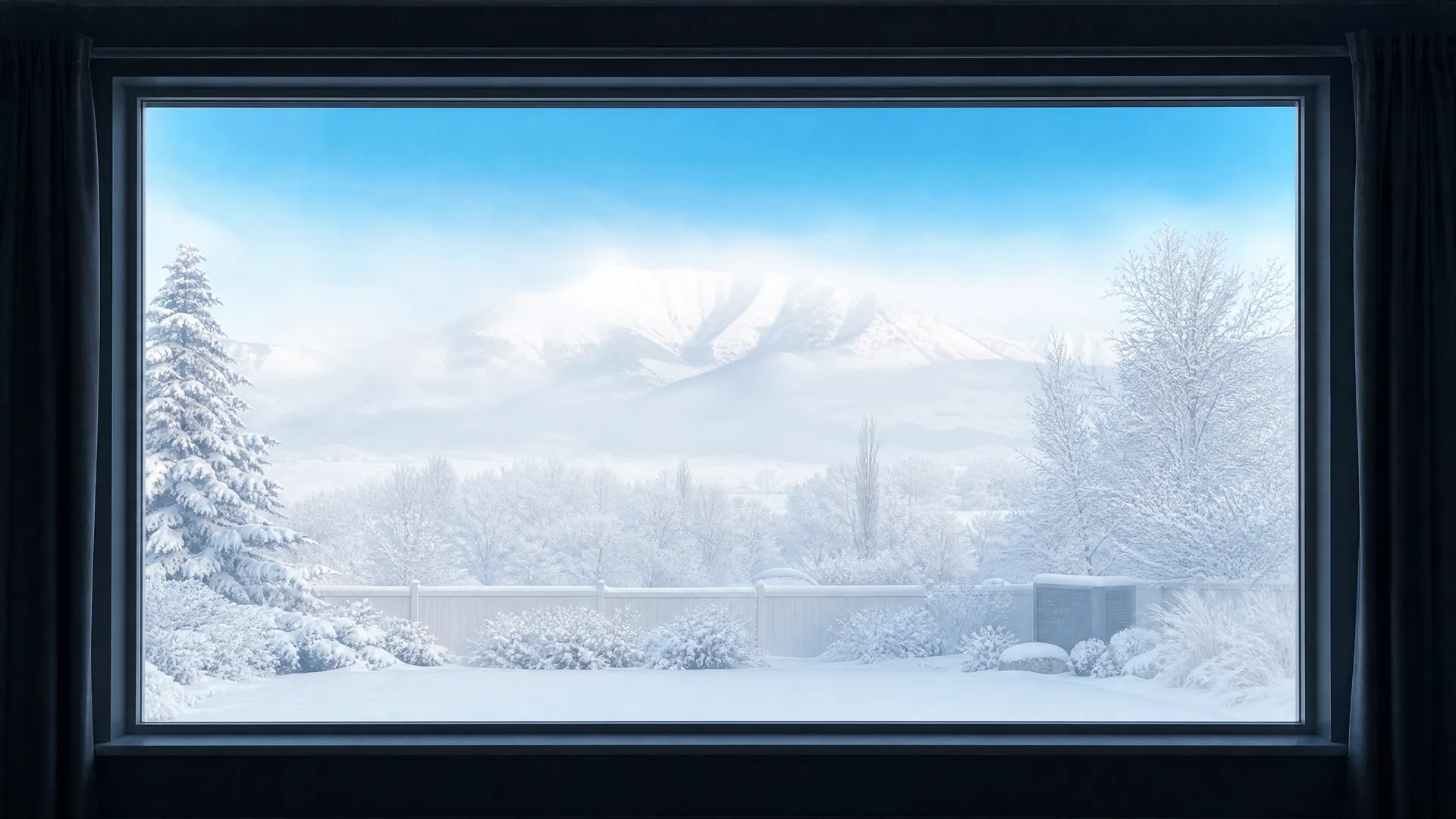
Electricity in Utah runs cheaper than in 44 other states, which matters because a heat pump leans on electricity for both heating and cooling. Homes here that use air conditioning used about 6.3 million Btu (British thermal units, a measure of heat) of electricity for it in a year. That is a normal load for the equipment, not something pushing it past what it is built for.
None of that points to anything wrong with how a heat pump handles Utah winters. If yours is short cycling, failing to defrost, or stuck in one mode, the cause is almost always a part that needs attention, a thermostat setting fighting the system, or a refrigerant charge that is off. A straightforward diagnosis usually finds it.
Utah heat pumps work nine months a year, starting in September
Your heat pump works nine months a year here, September through May, with just two months off in summer. That's a long season for one machine to carry, and most of the strain lands at the edges of it. August is when the first cold mornings show up before anyone's thought to get the system checked, and a weak capacitor or a stuck reversing valve that limped through last spring finally gives out once the unit has to switch over and hold heat. If yours is acting up right at the start of the season, that's not bad luck. That's just when a part that was already going gives out.
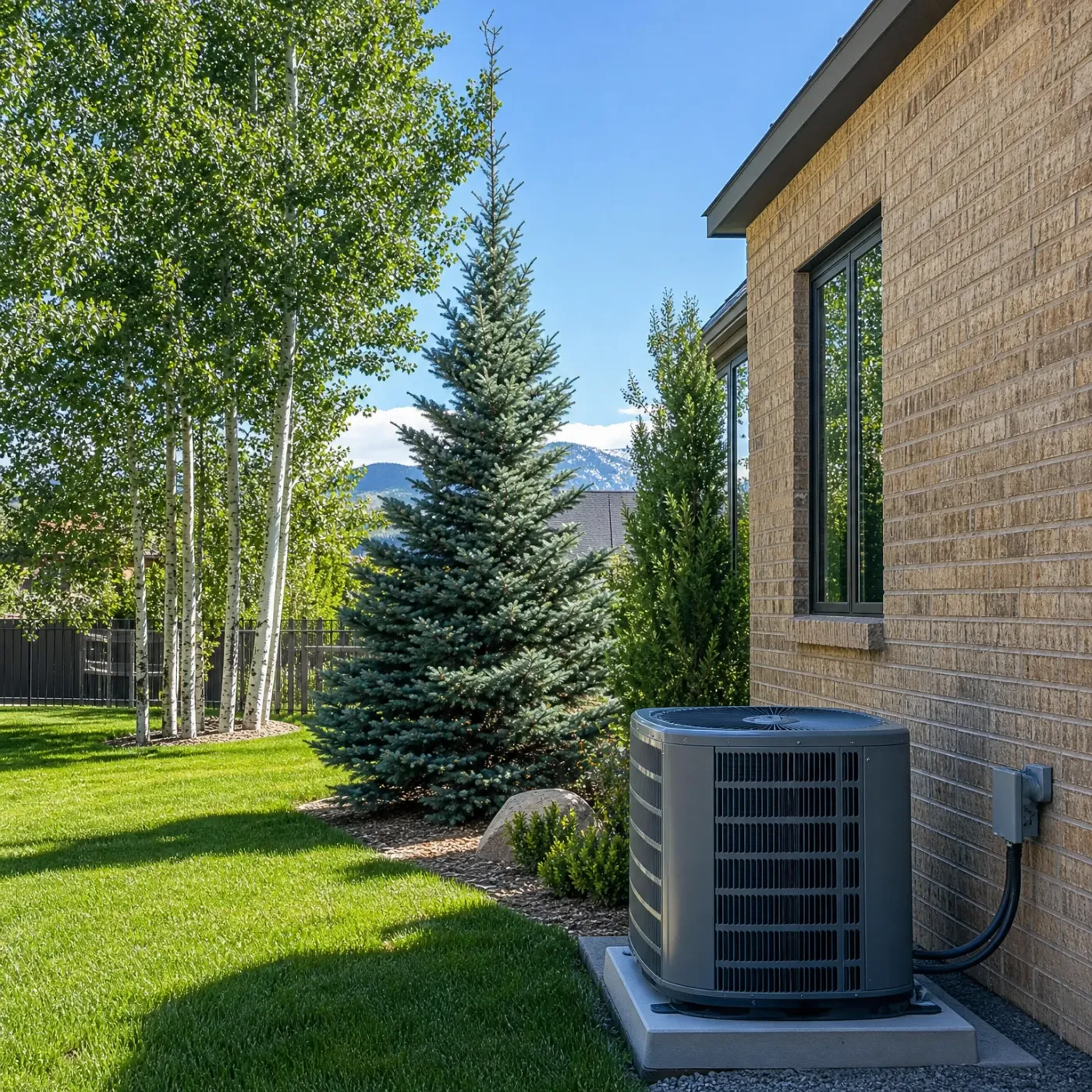
2 months of cooling, July through August
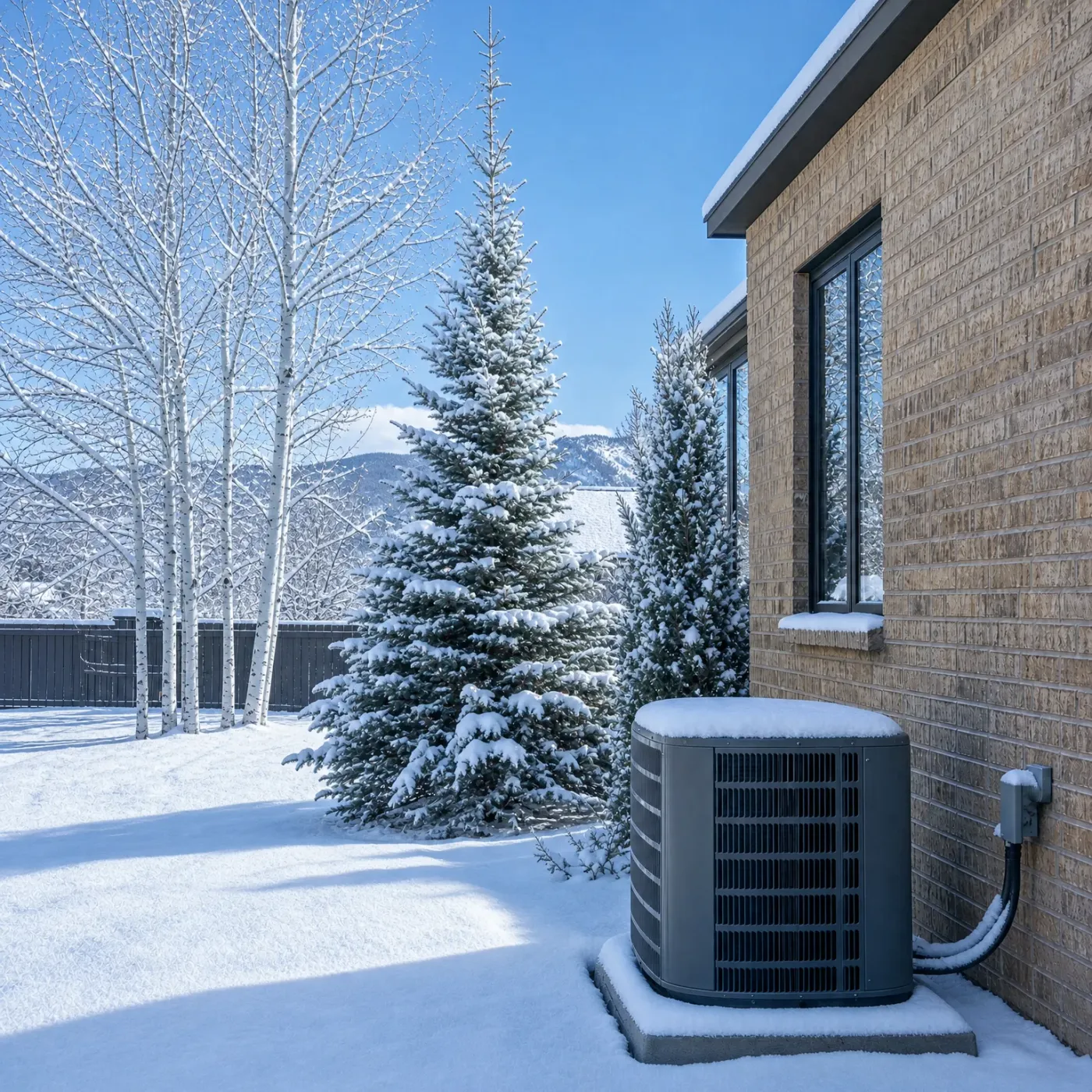
9 months of heat, September through May
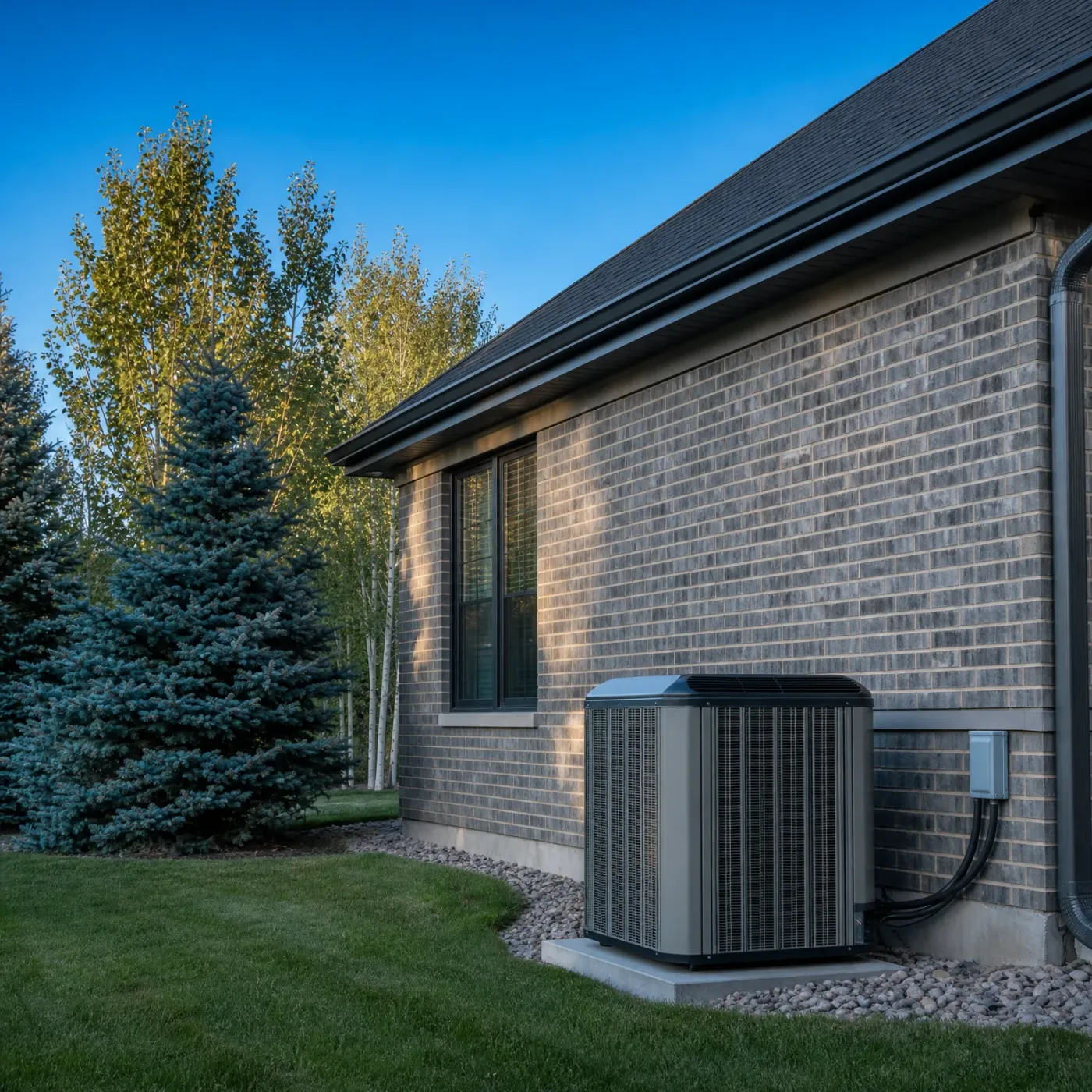
Utah splits east and west more than it splits north and south. Homes in the western counties need about 83% more cooling over a year than homes in the eastern counties. A heat pump out west spends more of its life pulling heat out of the house. One in the east spends more of its life pulling heat in.
Homes in the eastern counties need about 16% more heat over a year than homes in the west. Summit County sits at one end of that split. Homes there need about twice the heat over a year that homes in Washington County do, and Washington County has the lowest heating need in the state. A heat pump in Summit County leans on its compressor and defrost cycle for a longer, harder stretch than one in Washington County ever will.
Washington County is also where summer afternoons run hottest, averaging 90°F across June, July and August. Summit County is the mildest, at 72°F. A unit in Washington County is doing real cooling work on those afternoons. One in Summit County barely has to.
If you're in Washington County, a heat pump that's slow to cool or won't hold the temperature on a hot afternoon is working against real heat. Look first at the compressor or the charge. If you're in Summit County or elsewhere in the east, where the load is mostly heat, a unit that's stuck in one mode or short cycling through a long winter points first to the reversing valve or a part that's been carrying that load for months.
Nothing about either side of the state is unusual enough to break a heat pump on its own. But which side you're on tells a contractor where the wear is likely to show up first, and that's where the diagnosis should start.
What does a heat pump in Utah face?
How hot do summer afternoons get?
83°Faverage afternoon high where people live
Alaska66°F
Arizona101°F
How cold do winter nights get?
21°Faverage overnight low where people live
North Dakota4°F
Hawaii65°F
How many months does the heat run?
9 monthsof heating a year
Hawaii0 months
Alaska12 months
What does electricity cost?
12.22¢per kWh (kilowatt hours, the unit on an electric bill), what homes paid in 2024
North Dakota11.51¢
Hawaii42.86¢
How often do storms hit?
217severe weather events per county from 2015 to 2024
Alaska5
Wyoming1,057
How many homes lost power for a day or more?
7%of homes in 2024
Arizona7%
Maine54%
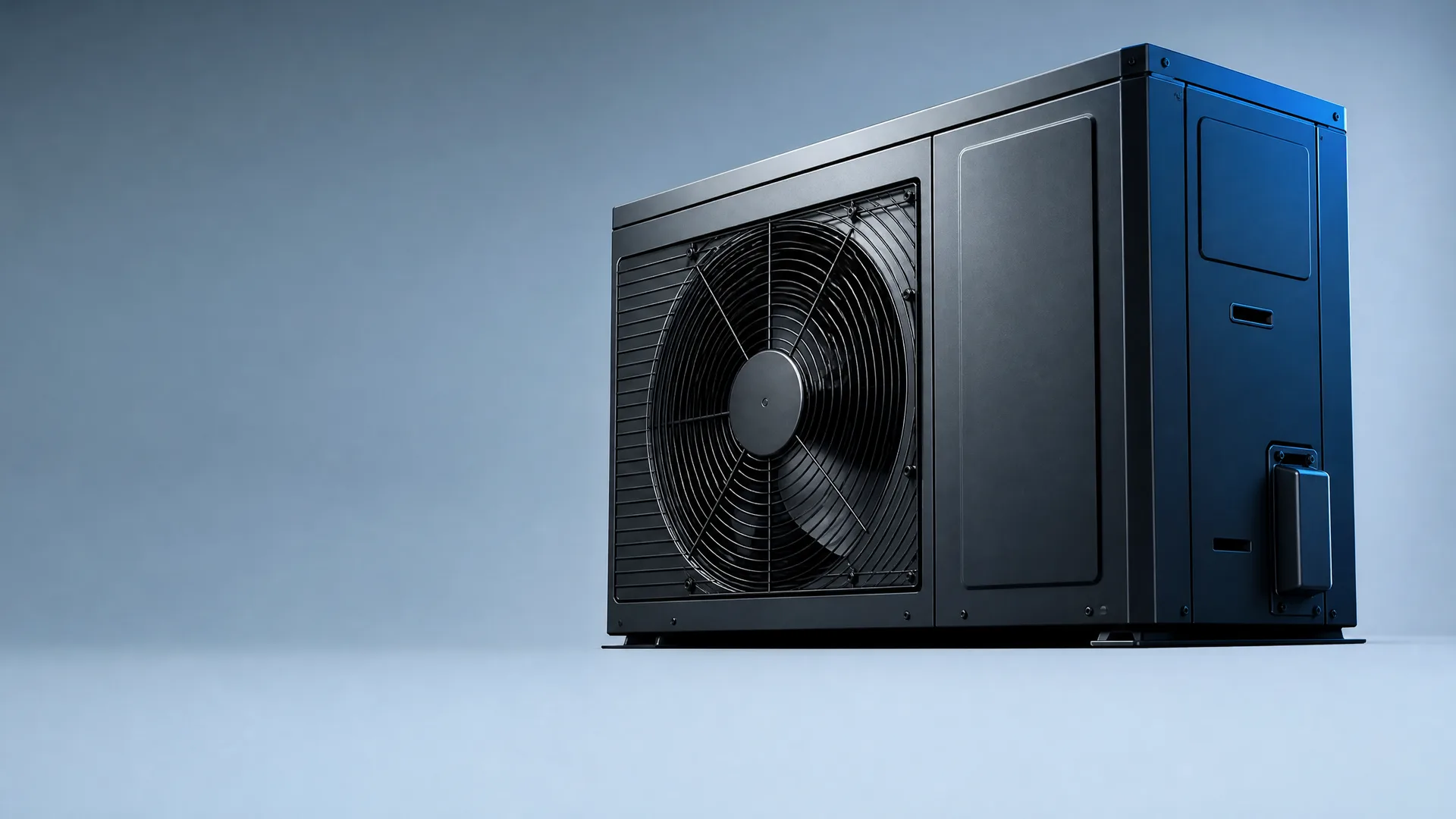
Running it while something's wrong rarely ends there
A heat pump that's struggling doesn't fail all at once. If the reversing valve is sticking, running it keeps forcing refrigerant through a path that isn't sealing right, and that wears the valve further until it won't switch at all. A compressor that's humming and stalling on startup is drawing current it shouldn't, and every attempt to start that way heats the windings a little more than a clean start would. Let that go on long enough and the compressor is the whole repair instead of a start capacitor. Frost left on the outdoor coil because the defrost cycle isn't clearing it blocks airflow across the coil, so the system pulls less heat from the outside air and runs longer to make up for it, which only keeps the coil cold and holds the frost in place. Short cycling wears the parts that handle starting the most, since that's the moment a compressor or fan motor draws the most current and takes the most strain. Each short cycle is small. A winter of them is not. None of this means shutting the system off and waiting. It means getting the actual cause found before a part that's struggling turns into a part that's gone.
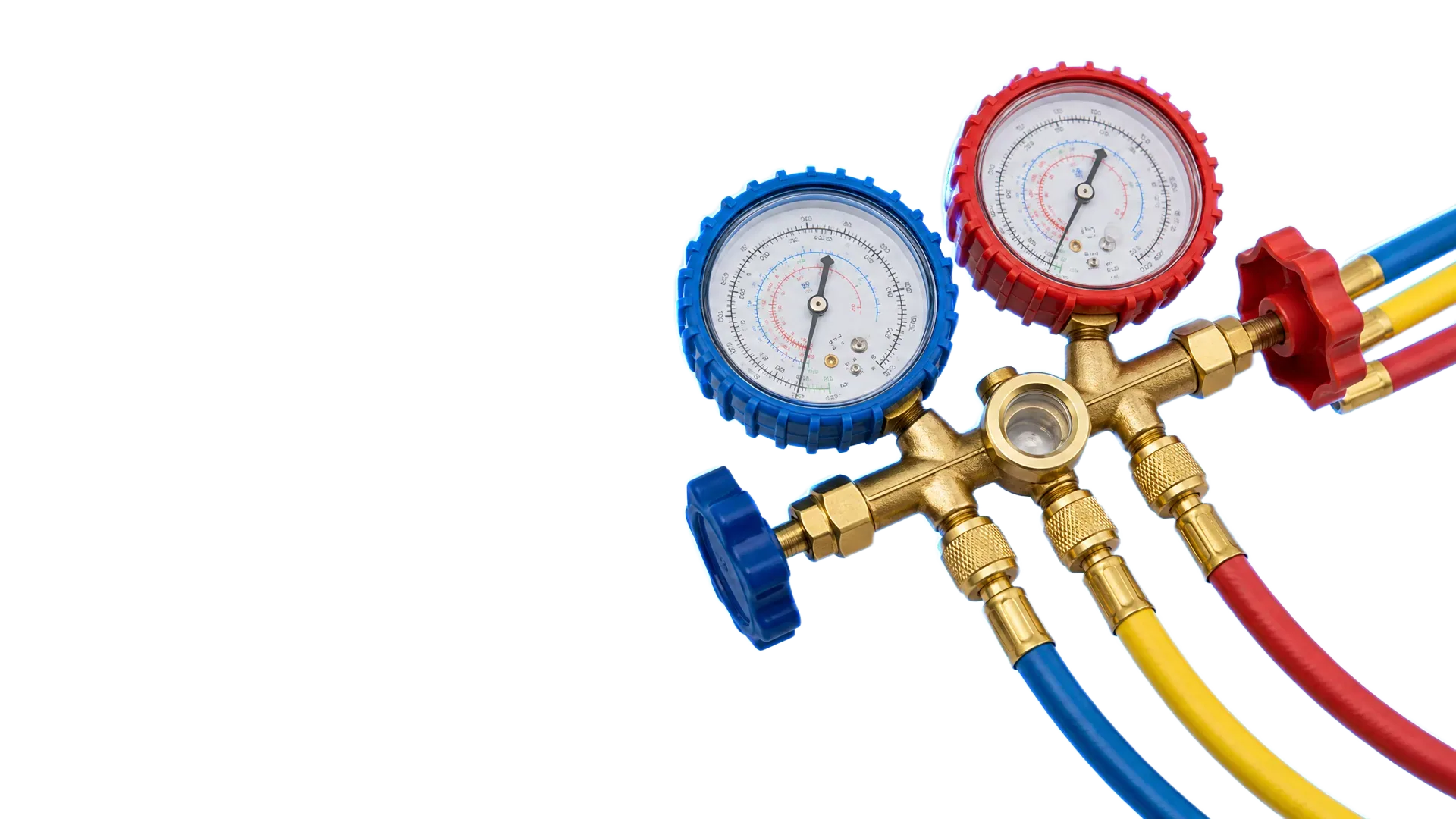
What a heat pump sounds like when something's wrong
A heat pump rarely fails without warning you first. Air coming out of the vents feels lukewarm instead of warm, like the unit is running but not really heating. It blows warm air for a while, then switches to cool when the mode hasn't changed, or it gets stuck in one mode and won't switch at all even when the thermostat calls for it. The outdoor unit cycles on and off in short bursts rather than running a full stretch, which is the system struggling to start more than it's finishing a job. Ice builds up on the outdoor coil and stays there instead of clearing during the defrost cycle, so the coil looks frosted or frozen solid even when the unit is running. You hear it try to start and stall, a humming sound followed by a click instead of the compressor catching. Airflow at the vents is weaker than it used to be, even on a setting that used to move plenty of air. Any one of these is worth a call. More than one at once usually means a part that's already partway gone.
A newer system, acting up for one reason
Half the homes in Utah were built in 1992 or later, and most of the state's housing is single-family houses rather than mobile homes. A heat pump installed with a newer house has usually got plenty of working life left in it. That matters when something goes wrong, because the part that's failing is almost always a specific, fixable thing rather than a sign the whole unit is worn out. A sticking reversing valve or a weak capacitor is a repair. It isn't a reason to think about replacement just because the system is acting up.
Nothing about Utah winters is hard enough on a heat pump to explain this on its own.
Tell us about the job
Takes about a minute. No obligation.
Fill out the form once and a licensed Utah heat pump contractor gets in touch.