Furnace Maintenance in Utah
Homes in Utah are newer than in 44 of the other 49 states.
Tell us about the job
Takes about a minute. No obligation.
- 21°Fwinter overnight low where people live
- 9 monthsof heat, September through May
- $12.55 per million Btuwhat homes paid for natural gas in 2024 (Btu means British thermal units, a measure of heat)
- 444winter storms from 2015 to 2024
A dirty furnace burns more gas and gas here costs $12.55 per million Btu
- Eastern counties need about 16% more heat than western ones
- Winter nights average 21°F where people live
- Heat runs September through May
- 444 winter storms from 2015 to 2024
- Climate zones 3B, 5B and 6B across the state
- 7% of homes lost power a day or more in 2024

A furnace losing efficiency doesn't announce itself. The burner still lights, the house still warms up, but it takes more gas to get there. A dirty flame sensor or a clogged filter makes the burner work through more fuel for the same heat. Over a winter that difference adds up, and at $12.55 per million Btu it adds up faster here than in places paying less for gas.
A yearly tune-up is where a contractor catches the wear before it costs you. Checking the flame sensor, clearing the burner, testing the draft, these take an hour and keep the furnace burning gas the way it was built to. Skip it for a few winters and the same furnace is quietly costing more to run than it should, long before anything fails outright.
Nine months of heat means August is when this gets scheduled
Furnace season in Utah runs nine months, September through May. That is longer than most of the country sees, longer than in 35 other states. The furnace starts working the day it turns on, so a check in August is looking at a furnace that is still idle. Wait until September and a contractor is checking one that is already carrying the load. Getting to it in August means any worn part gets caught before it has to work.

2 months of cooling, July through August
9 months of heat, September through May
Utah isn't one furnace season. Homes across the state's eastern counties need about 16% more heat over a year than homes across the western counties, and that gap shows up in how hard the furnace runs, not just how cold it feels outside.
Summit County needs heat about 11 months a year, the longest stretch in the state. Salt Lake County needs about 8. A furnace in Summit County is close to running year round, so there's barely a window where it sits idle long enough to make a tune-up convenient. Get to it before that gap closes.
Washington County sits at the other end. Its homes need the least heat over a year of anywhere in the state, and its winter nights average the mildest too. A furnace there has an easier year than one almost anywhere else in Utah, and more room to schedule around.
Rich County sees the coldest winter nights in the state, averaging 11°F through December, January and February. Where nights run that cold, the first hard freeze tends to arrive early, so the window to check the furnace before it's carrying that load is shorter than it is further south.
What does a furnace in Utah face?
How cold do winter nights get?
21°Faverage overnight low where people live
North Dakota4°F
Hawaii65°F
How many months does the heat run?
9 monthsof heating a year
Hawaii0 months
Alaska12 months
What does natural gas cost?
$12.55per million Btu, what homes paid in 2024
Montana$7.77
Hawaii$53.25
How often do storms hit?
217severe weather events per county from 2015 to 2024
Alaska5
Wyoming1,057
How many homes lost power for a day or more?
7%of homes in 2024
Arizona7%
Maine54%
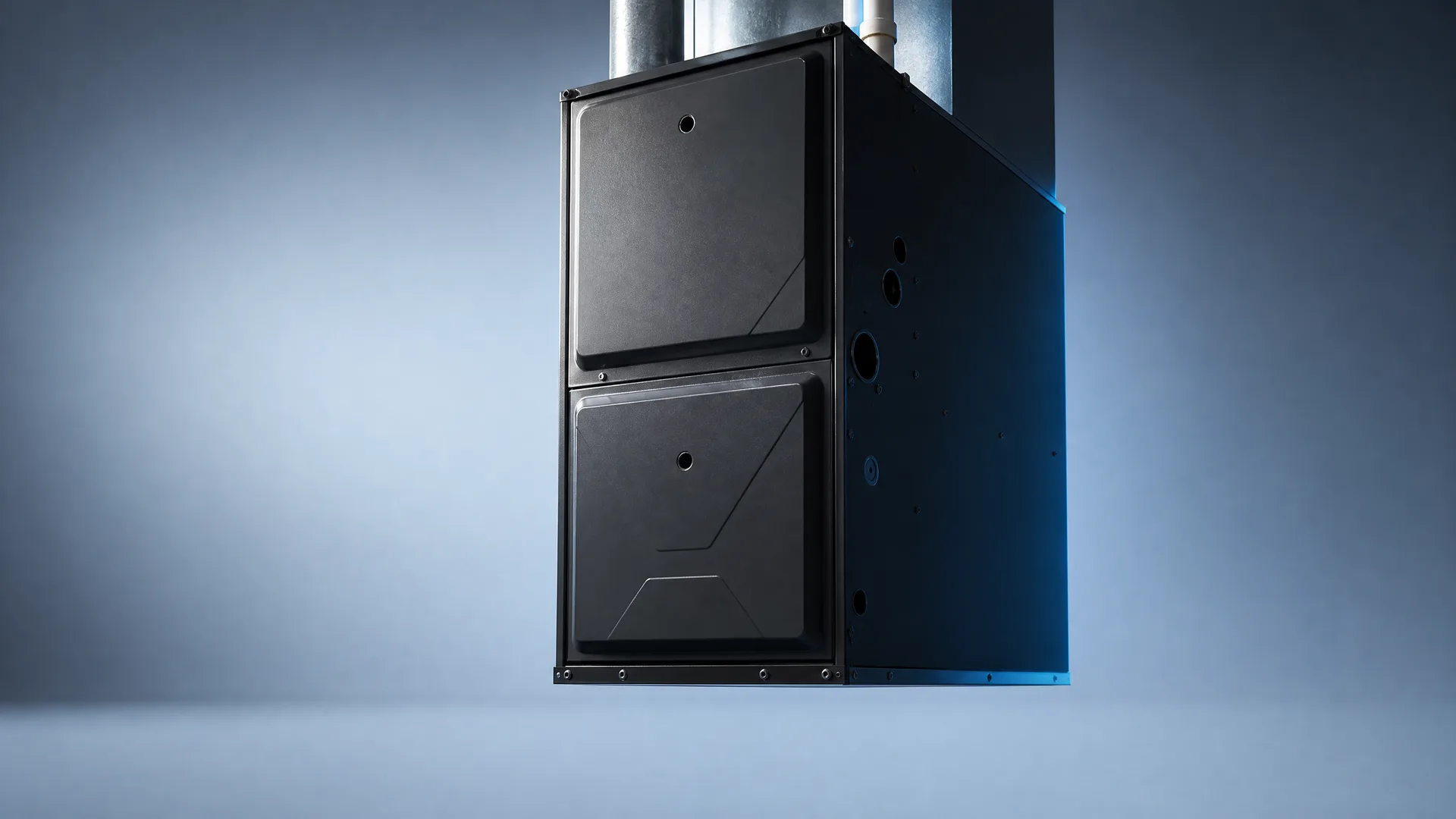
What's wearing out is never the part you can see
A furnace runs the same routine every cycle. The igniter lights the burner, the heat exchanger passes that heat into the air, the draft pulls the exhaust out through the flue. None of that is visible once the cabinet is closed, so wear doesn't show up as something you can see. It shows up as a change in how the furnace runs. A cracked heat exchanger looks no different from outside the cabinet. A pressure switch that's starting to stick won't stop the furnace from firing, it'll just make it try again before it catches. A contractor pulls the panel and checks the things that fail quietly. The flame sensor can pick up a coat of carbon that makes the burner shut off early. The inducer motor can develop a bearing that's starting to wear. A wire connection can work itself loose after a season of the furnace heating and cooling. Gas pressure gets tested against what the furnace is built to run on, not guessed at by ear. None of this shows up at the thermostat. It shows up as a furnace that won't start, usually on the night it's asked to work hardest.
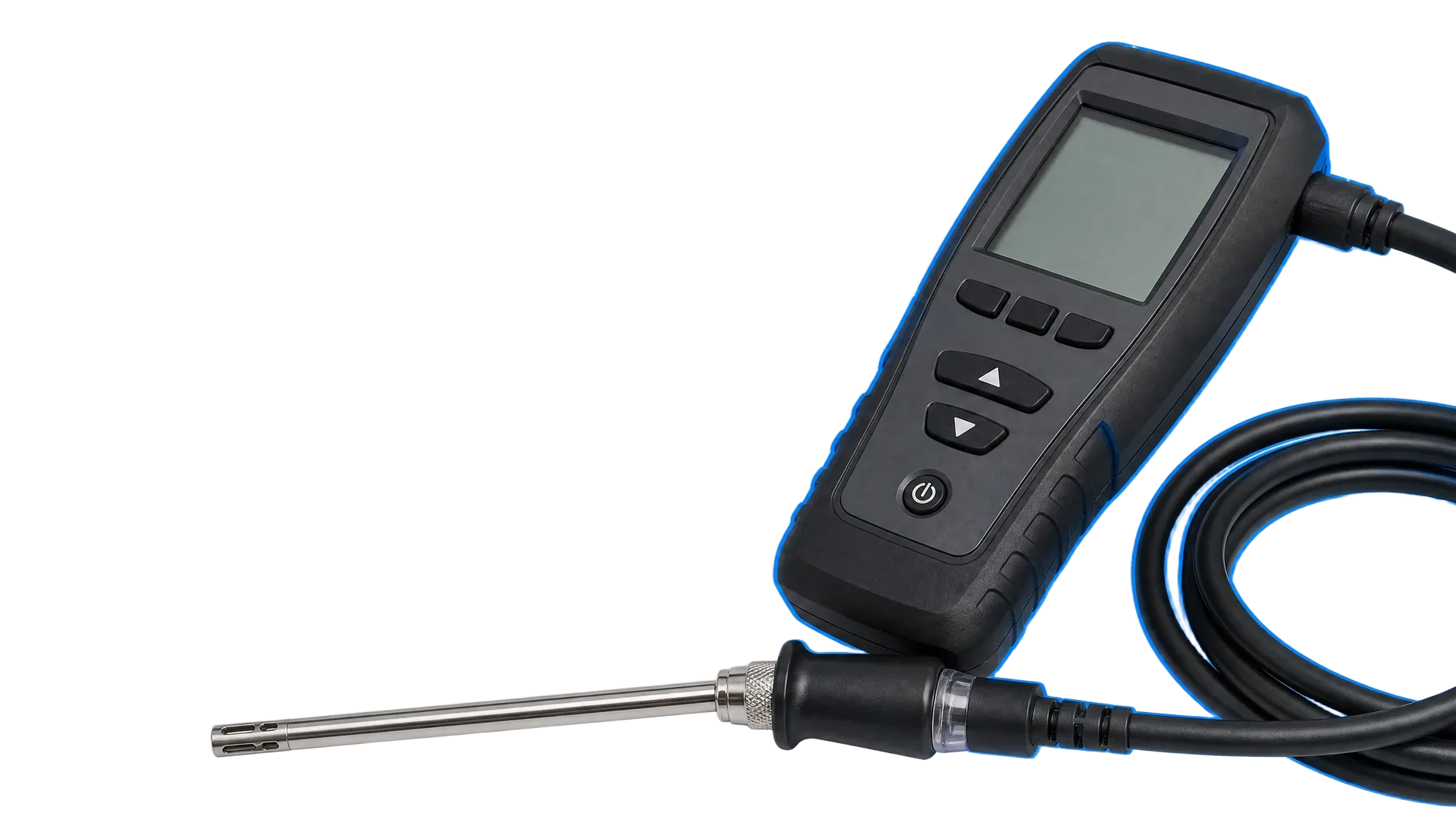
A furnace that's never opened up still has a limit
A furnace that's never serviced doesn't fail on a schedule, it fails where the last weak part gives out. Dust builds on the flame sensor until it can't detect the burner anymore, and the furnace shuts itself off as a safety response, not a malfunction. A slipping belt or a dry bearing in the blower motor wears quietly until the motor seizes. Debris in the burner assembly changes how the flame burns, and a flame that's burning wrong can crack a heat exchanger over time instead of all at once. The furnace doesn't ask for any of this to be caught early. It keeps running on the parts that are left until one of them is the part it needed.
Most furnaces here run on gas
Utah homes mostly heat with gas, 78.7% of them. That means most furnaces here have a burner, a flue and a set of safety controls standing between a gas line and the air moving through the house. A dirty filter is the part people think to check. The burner, the venting and the controls are the parts that actually need a contractor's attention, because a filter doesn't tell you if the flame is burning clean or if the exhaust is venting the way it's supposed to. Electricity heats 16.8% of homes here, and an electric furnace doesn't carry that same risk. For the 78.7% burning gas, the yearly check is what catches a burner or a vent going wrong before it becomes a safety call instead of a maintenance one.
Furnace here runs nine months a year, longer than most states, against winter nights that average 21°F.
Tell us about the job
Takes about a minute. No obligation.
Fill out the form once and a licensed Utah contractor gets in touch to schedule the tune-up.