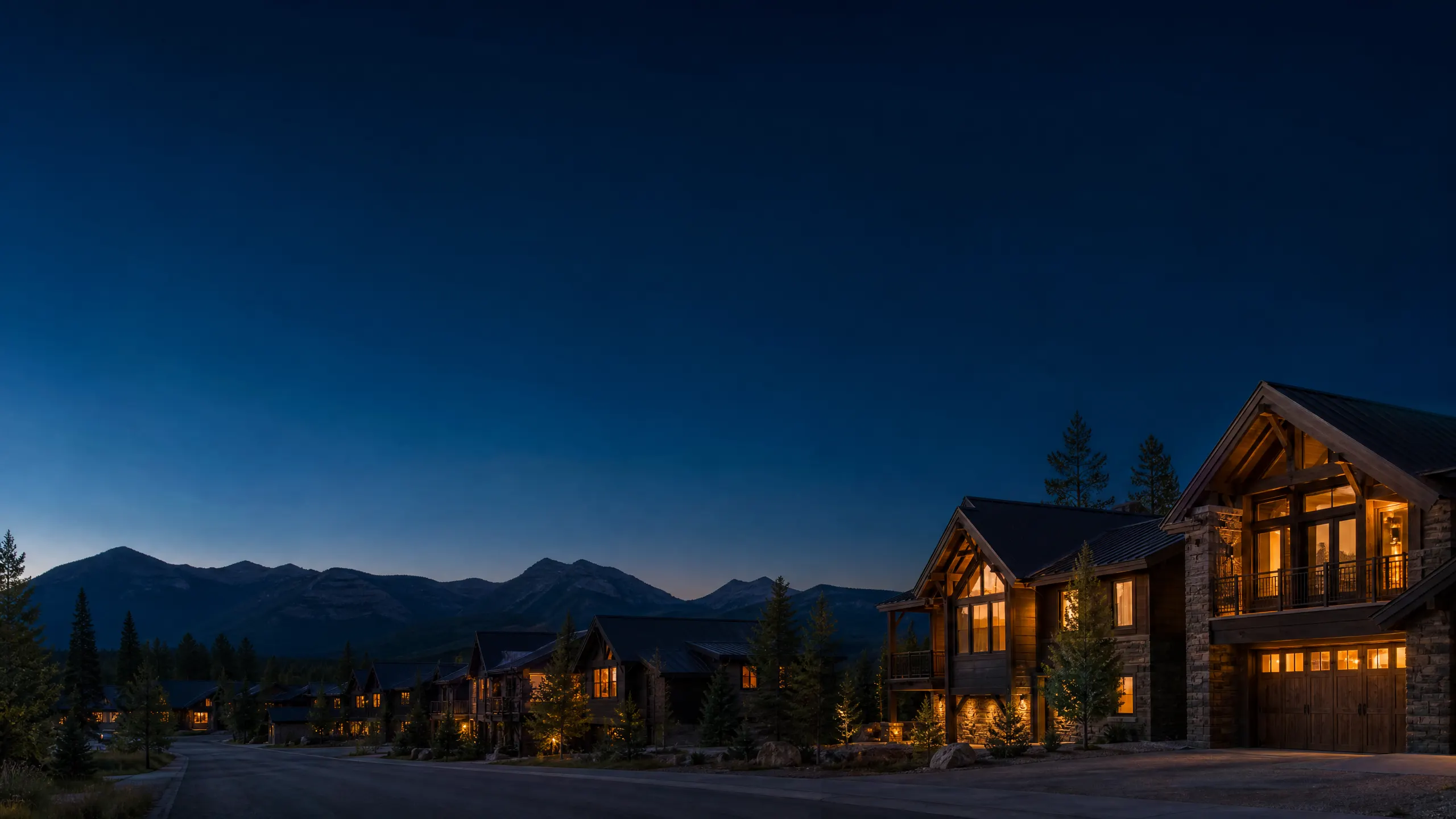


A row of illuminated timber-frame and stone houses photographed at dusk, with evergreen trees and a mountain range in the background.

Furnace Maintenance in Huntington, UT

Tell us about the job

Takes about a minute. No obligation.

Tune-up, service, or cleaningFurnace or heatingEmery County, UT
Step 1 of 2

What ZIP code is the job in?

Skip maintenance long enough and dust builds up on the burners and the flame sensor. A dirty flame sensor will make the furnace shut off soon after it starts, because it can't tell a fire is lit. A clogged filter cuts airflow across the heat exchanger, so the furnace runs hotter than it should and the exchanger wears out faster. The igniter takes more strain trying to light a burner that isn't getting clean fuel flow, and igniters don't give much warning before they fail outright. None of this happens overnight. It builds up one winter at a time, until the furnace that used to just turn on and run quietly starts short cycling or won't fire at all.

Furnaces in Emery County start running in October.

Book the check in September, before the first cold night puts the burners and igniter to work.

October through May is one long stretch, which is why one visit covers it

Heat runs October through May
Winter nights average 19°F
54 winter storms from 2015 to 2024

A furnace usually tells you before it quits. Short cycling is one sign, where it fires up, runs a couple minutes, and shuts off before the house warms. Another is a burner flame that looks yellow or uneven instead of steady blue. A furnace that's noisier than it used to be, especially a rattle at startup or a hum that lingers after it shuts off, is worth a look too. So is a smell of dust burning off at the start of a cycle that doesn't fade like it should after a few minutes. Any of these on their own might be nothing. Together, or repeated, they're the furnace asking for a check before it decides for you.

Gas heats most homes in Emery County, and that's what this check is for

Utility gas heats 59.4% of occupied homes in Emery County. That's a gas burner, a vent system and a set of safety controls, not just a filter. The flame sensor and the heat exchanger are checked during a maintenance visit, not something you'd catch on your own.

Find a contractor
A gray residential gas furnace installed in an unfinished basement, connected to sheet-metal ductwork and PVC pipes.

Eight months a year is a long time to run on a bad part

Eight months of heat, October through May, with overnight lows averaging 19°F in December and January. The burners and igniter are doing real work most of the year, not just on the coldest nights. Winter storms hit this county often, heavy snow and ice included, and the furnace is often the only thing standing between a house and a bad night. A system that runs this long doesn't get much downtime to recover from a dirty sensor or a weak igniter. Whatever's starting to go gets found fast once the cold sets in.

Gas pressure and venting take a gauge, not a glance

A tech checks the gas pressure at the manifold against what the furnace is built to run. Too high or too low and the burners don't get the right fuel mix, which shows up as poor heat or soot. The vent pipe gets checked too, for a solid connection and a clear path outside, since a blocked or leaking vent sends combustion gas where it doesn't belong and nothing in the house will show it.

The heat exchanger cracks from the inside out

A crack in the heat exchanger starts small and stays hidden inside the cabinet, where no amount of looking will find it. It takes a trained eye with a light and a mirror, or a combustion test, to catch one before it spreads. Left alone, a cracked exchanger lets combustion gas mix with the air moving through the house, which is why this is one of the main things a maintenance visit checks for.

Between visits, the filter is the one thing worth checking yourself. Pull it and hold it up to a light. If you can't see through it, swap it. A dirty filter chokes airflow, and a furnace starved for air runs hotter than it's built to. Keep the area around the furnace clear too, nothing stacked against the cabinet, since it needs open air to draw from. If you ever notice soot near the burners or smell something off that doesn't fade after a few minutes, that's not a wait and see. Shut it down and get it looked at.

A proper tune-up starts with the burners pulled and cleaned, not just glanced at. Dust and scale on a burner change the shape of the flame, and a flame burning wrong puts more carbon monoxide into the exchanger than it was built to handle. The flame sensor gets cleaned or swapped, since a coated sensor is the most common reason a furnace fires and then quits seconds later. The igniter gets tested under load, not just looked at, because an igniter can glow fine sitting still and still fail the moment it has to light a burner. A tech checks amp draw on the blower motor too, since a motor pulling more current than it should is working harder than it needs to and won't give much warning before it stops. Wiring and connections at the control board get checked for anything loose or scorched, since a bad connection can cause the same short cycling a dirty sensor does.