
Furnace Installation in Utah
Homes in Utah are newer than in 44 of the other 49 states.
Tell us about the job
Takes about a minute. No obligation.
- 21°Fwinter overnight low where people live
- 9 monthsof heat, September through May
- $12.55 per million Btuwhat homes paid for natural gas in 2024 (Btu means British thermal units, a measure of heat)
- 444winter storms from 2015 to 2024
Gas heat runs up the bill here efficiency rating matters more than most places
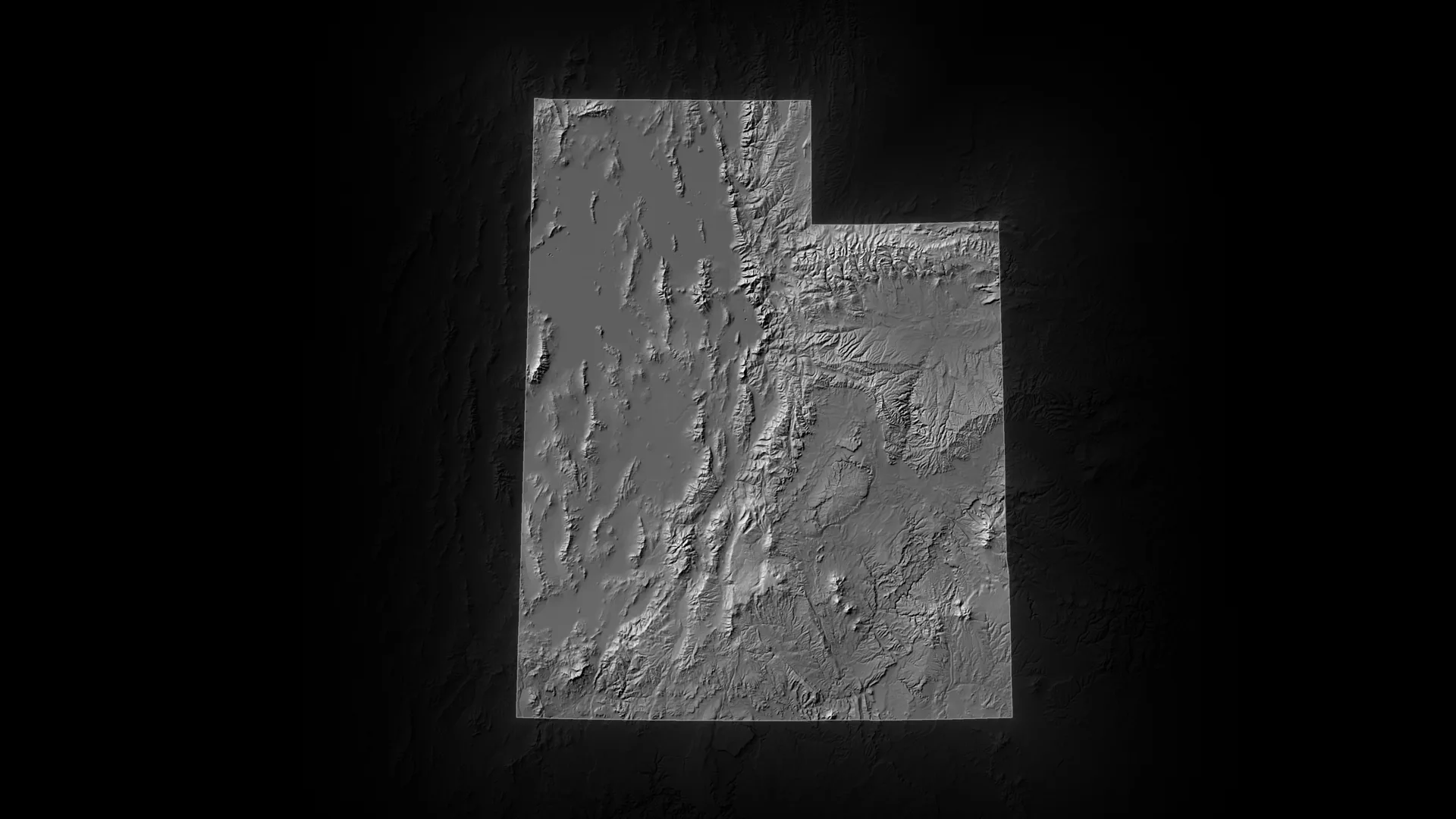
- Eastern counties need about 16% more heat than western ones
- Winter nights average 21°F where people live
- Heat runs September through May
- 444 winter storms from 2015 to 2024
- Climate zones 3B, 5B and 6B across the state
- 7% of homes lost power a day or more in 2024

- A furnace sized right for the house heats evenly, instead of running long to catch up in the coldest room
- Short cycling wears out the heat exchanger early, a correctly sized furnace won't do it
- New ignition means no pilot that won't catch and no igniter on its way out
- Venting carries combustion gases out the way they're meant to go, which is a safety matter
- Parts most likely to wear, the blower motor, the heat exchanger, the control board, come under warranty
Gas heats 78.7% of occupied homes in Utah, more than every other fuel combined. If your old furnace burned gas, a new one almost certainly should too, since the gas line and the vent are already in place for it.
Electricity heats 16.8% of homes here, and bottled or LP gas only 2.6%, mostly where a gas line never reached the house. If gas already runs to yours, there is no real case for switching fuel types on installation. Like for like is the straightforward path.
Install before September, not after the first cold night
Heat runs September through May here, nine months of the year. August is the last easy month to replace a furnace before it has to work. Get it done then and the install happens on your timeline, with time to fix anything that comes up before the first cold night. Wait until the house is cold and you're choosing from whoever can come out fastest, not necessarily who does the best job.
2 months of cooling, July through August
9 months of heat, September through May
What does a furnace in Utah face?
How cold do winter nights get?
21°Faverage overnight low where people live
North Dakota4°F
Hawaii65°F
How many months does the heat run?
9 monthsof heating a year
Hawaii0 months
Alaska12 months
What does natural gas cost?
$12.55per million Btu, what homes paid in 2024
Montana$7.77
Hawaii$53.25
How often do storms hit?
217severe weather events per county from 2015 to 2024
Alaska5
Wyoming1,057
How many homes lost power for a day or more?
7%of homes in 2024
Arizona7%
Maine54%
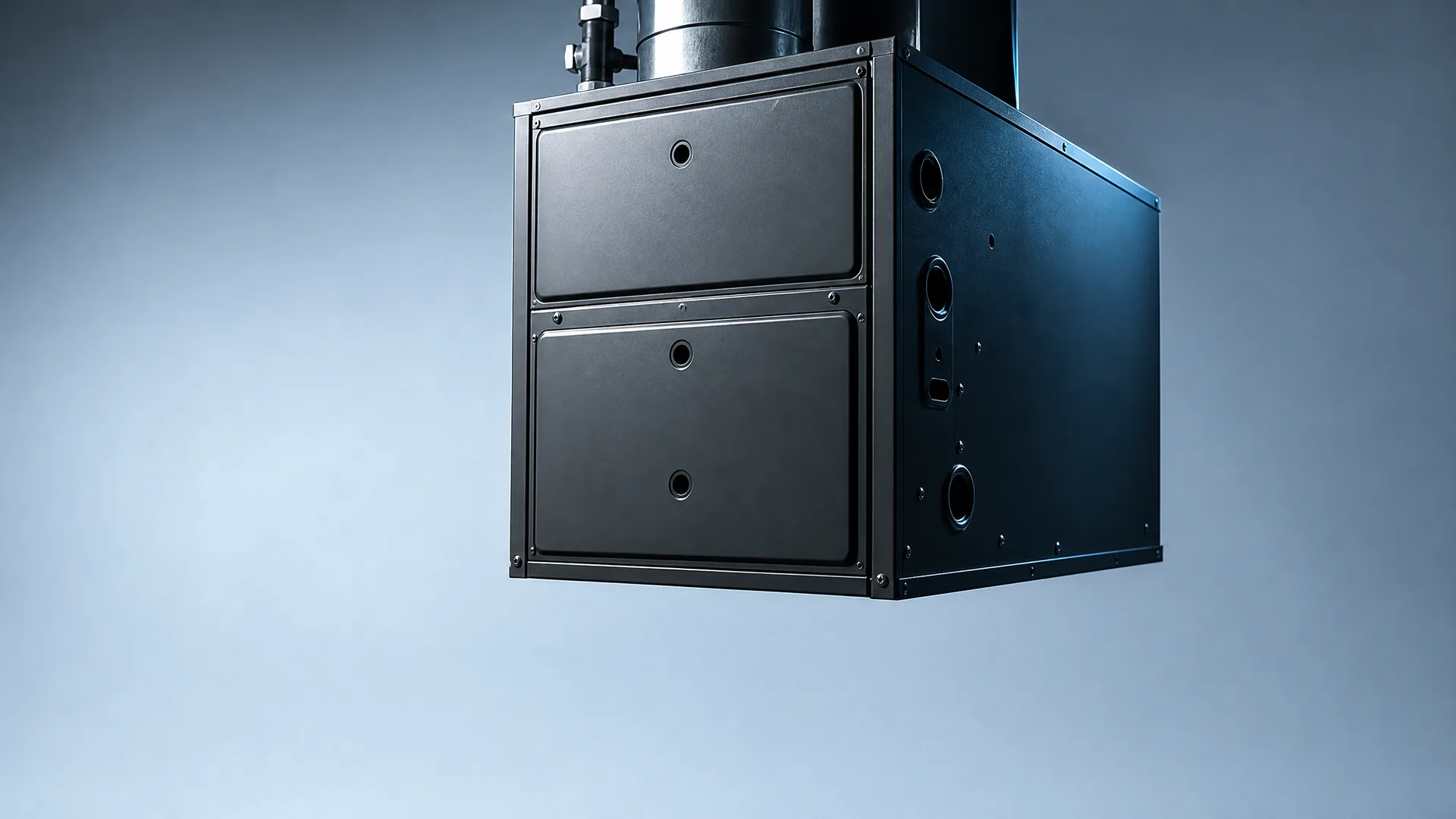
What to ask before you sign
Every contractor should be sizing the furnace off a load calculation, not matching the number stamped on the one you're replacing. The old one may have been wrong from day one, or it was picked for a house that's since gotten new insulation or windows. Ask to see the calculation, not just hear a number. Then ask what efficiency rating the quote is built around and what venting that requires, since a higher-efficiency furnace vents through PVC (rigid plastic pipe) pipe rather than a metal flue, and that changes where it can go and what the install involves. Ask how the new furnace matches the blower to your ductwork, because a furnace that moves more air than the ducts were built for runs noisy and uneven, and one that moves less leaves rooms short. Ask what's included for startup and testing, gas pressure checked, heat exchanger inspected, carbon monoxide tested at the vent, not just the unit set in place and wired up. And ask what's covered under warranty and for how long on the heat exchanger versus everything else, since those terms are rarely the same.
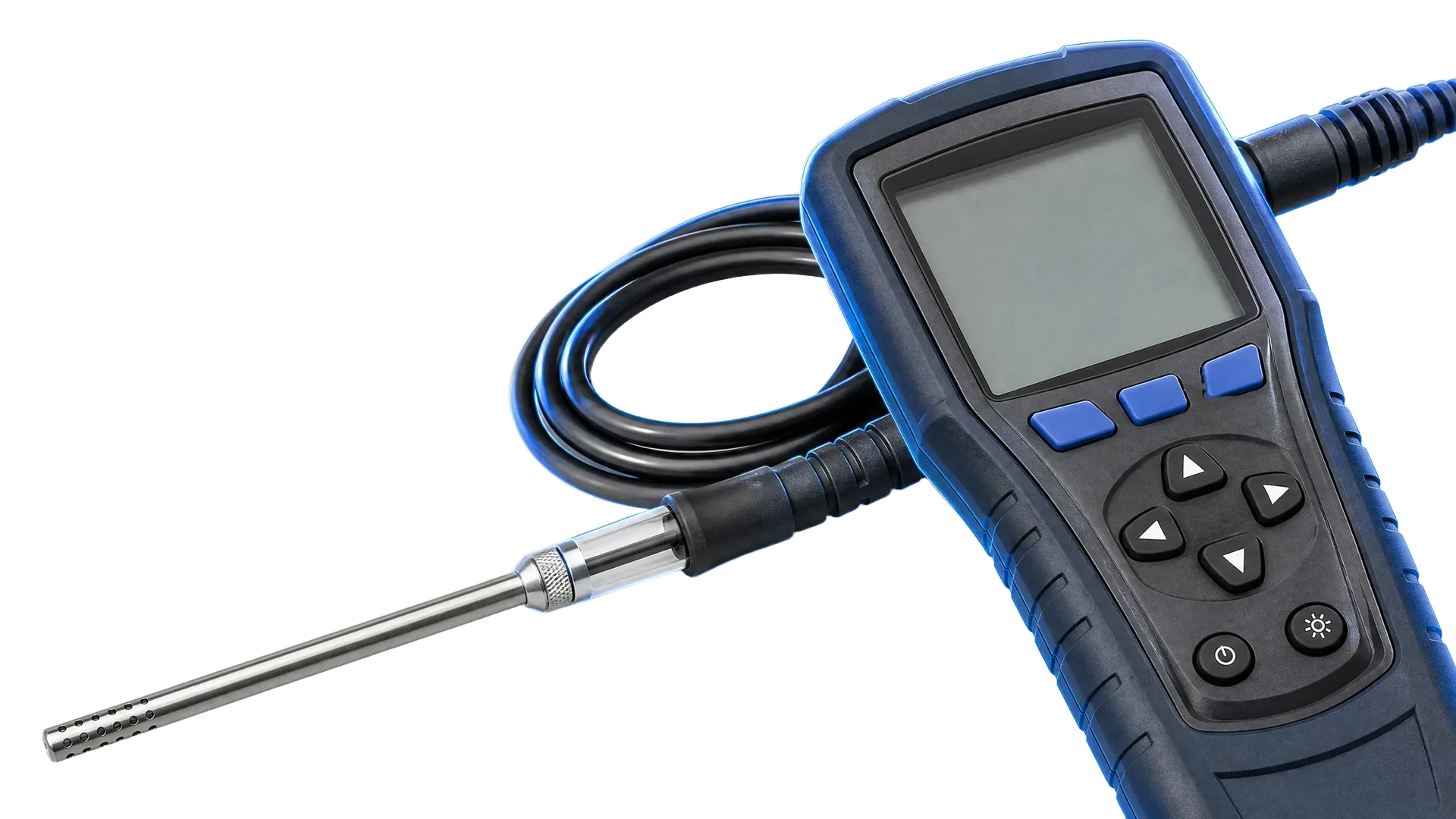
Sizing isn't a guess, it's a calculation
A furnace too big for the house still has a downside, even though more heat sounds like it should always be better. It satisfies the thermostat fast, shuts off, then kicks back on a little while later, over and over through a cold day. That's short cycling. It wears on the heat exchanger more than steady runtime would. It also means the air never runs long enough to spread evenly, so rooms farther from the furnace lag behind. Too small runs the opposite way. It can't catch up once the house drops below the set temperature, so it runs long stretches without ever shutting off, and the coldest rooms stay cold. Getting the size right means working out how much heat the house actually loses through its walls, windows and roof, room by room, not matching whatever number was stamped on the last unit. That old number was somebody's guess too. Houses change. New windows, added insulation, a finished basement all shift what the house needs. A load calculation accounts for the house as it stands now, and it's the only real way to land on a furnace that runs long enough to heat evenly and short enough to leave the parts alone.
Gas costs more to burn here
Gas costs $12.55 per million Btu here. That's what the furnace burns to make heat, so the more of that heat gets lost up the vent instead of into the house, the more of that cost is wasted every month it runs. A furnace's efficiency rating tells you what share of the gas actually heats the house rather than going out the flue. Paying attention to that number at installation is the one chance to control what every bill after it looks like.
Gas costs $12.55 per million Btu here, so the furnace you install this month sets your bills for years.
Tell us about the job
Takes about a minute. No obligation.
Fill out the form and a licensed Utah contractor will walk you through sizing, venting and warranty terms.