



A row of illuminated timber-frame and stone houses photographed at dusk, with evergreen trees and a mountain range in the background.

Furnace Installation in Heber, UT

Tell us about the job

Takes about a minute. No obligation.

New system or replacementFurnace or heatingWasatch County, UT
Step 1 of 2

What ZIP code is the job in?

Gas in Utah ran $12.55 per million Btu in 2024. That price shows up on the bill every month the furnace runs, and in Heber that's most months of the year. A furnace that wastes less of what it burns costs less to run, month after month, for as long as it's in the house. When you're comparing units for a Heber home, the efficiency rating is worth as much of your attention as the price on the quote.

10 months
September through June, your furnace is on duty
14°F
the average winter night it heats against
79%
of homes here heat with gas, so most furnaces here burn gas
80% AFUE
the federal minimum any new unit must meet
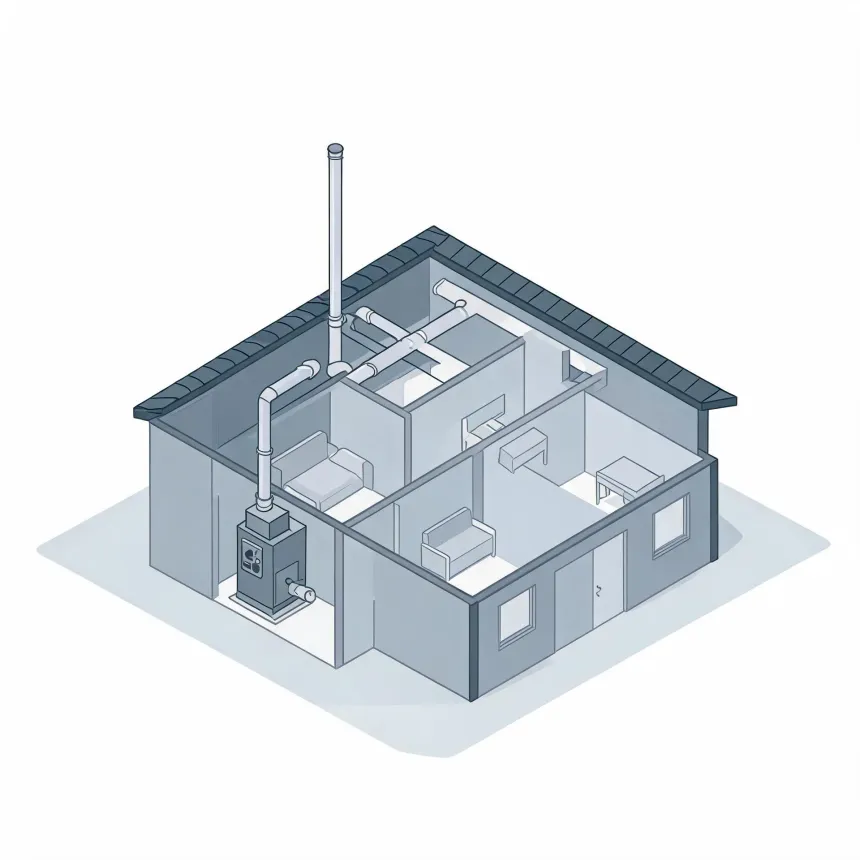
Isometric grayscale illustration of a cutaway single-story house showing interior rooms with furniture, a furnace unit connected to ductwork and a tall vertical flue pipe extending above the roof.
Your furnace works hardest from October through April.

NOAA nClimDiv, 1991–2020 normals

Gas heats 79.4% of homes in Wasatch County.

A gas furnace replacing a gas furnace is the straightforward job for most houses here.

Heat starts again in September, so August is the month to get this done

Heat runs September through June
Winter nights average 14°F
104 winter storms from 2015 to 2024

Furnaces in Heber run from September into June, about ten months of the year. Overnight lows average 14°F through December, January and February, so the furnace isn't just turning on, it's working to close a big gap between outside and in, night after night. Winter storms hit Wasatch County regularly, and a storm doesn't give a furnace a day off. A system sized a little small will run close to flat out on an ordinary night here, not just the worst one. That's worth more weight than anything else on the quote when you're picking a unit for this house.

Efficiency pays here

Power costs more here, so an efficient system pays you back on every bill.

Find a contractor
A gas furnace with attached ductwork, gas piping, and condensate lines installed in a concrete-block basement.

Ten months of heat means sizing has to be right the first time

Get a load calculation done on this house before you pick a unit. Not a guess based on square footage, an actual room by room calculation. That number tells the contractor what size furnace this house needs, and here it matters more than most places, because a furnace that's sized a little small won't just struggle on the coldest night of the year. It'll run near its limit most nights from December through February. Ask to see the calculation, not just the recommendation that comes out of it.

The old furnace gets disconnected and removed

The gas line gets capped, the vent or flue gets disconnected, and the unit gets hauled out before the new one goes in. If the old furnace shares a flue with a water heater, the contractor has to check that the water heater can still vent on its own once the furnace is gone. That's a code question, not an optional step.

The new furnace may need a different vent

A high efficiency furnace vents through PVC pipe out a sidewall, not through the old metal flue. If the house is moving up in efficiency, that means new venting, not just a new furnace dropped into the old spot. Ask what the installation involves beyond the unit itself, since that changes what the job actually requires.

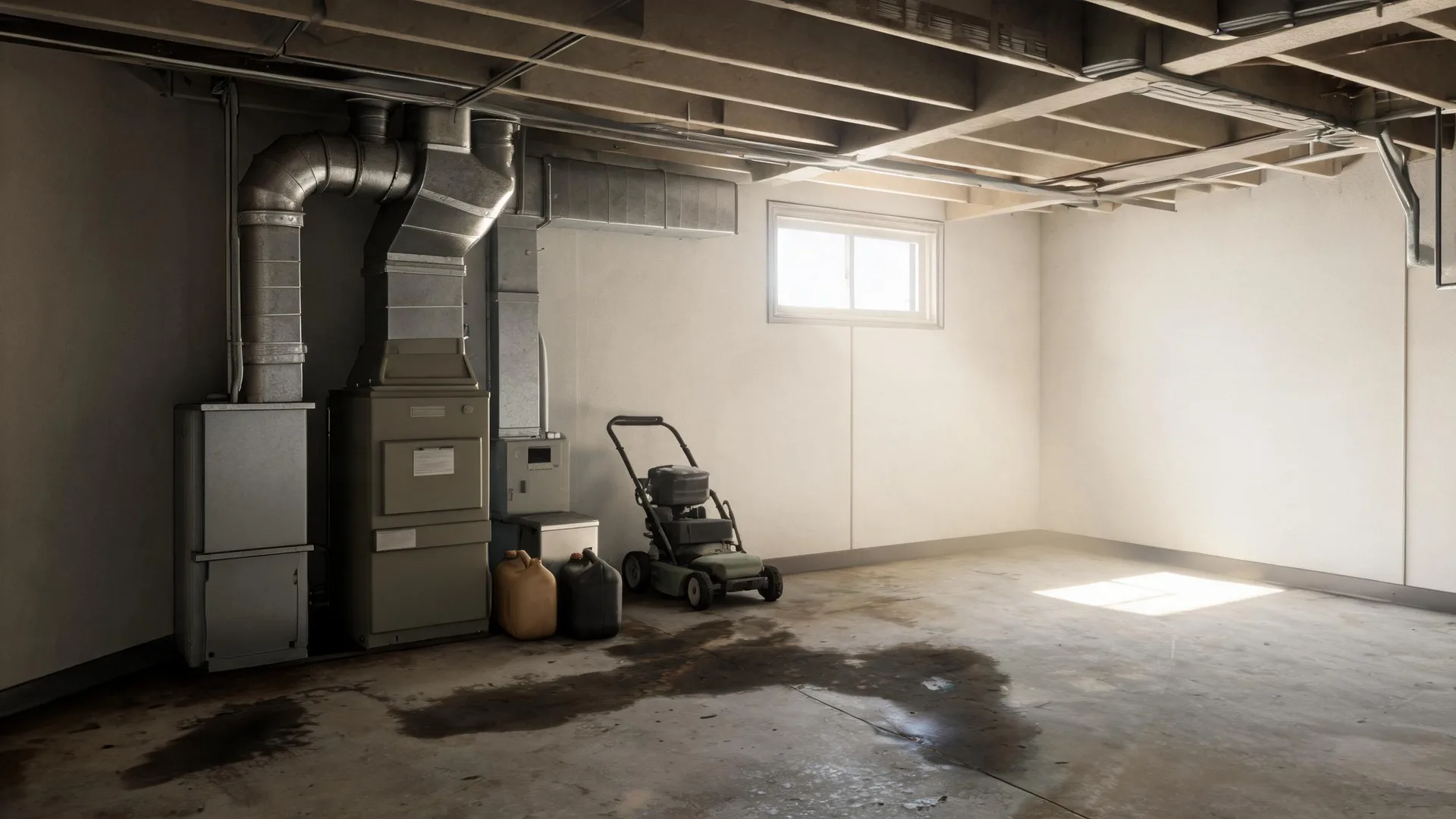
An unfinished basement containing a gray HVAC furnace with ductwork, exposed wooden joists, a concrete floor, and miscellaneous clutter in one corner.

A high-efficiency gas furnace would save about $130 a year to run in Wasatch County compared with a gas furnace.

  • A high-efficiency gas furnace$610 a year
  • A gas furnace$740 a year

Estimates for a typical Wasatch County home, from EIA household energy data, Utah fuel prices and NOAA climate normals. Your home will differ.

Installation day starts with the old unit coming out and the new one going through a startup sequence before the contractor leaves. Gas line gets connected, vent or flue gets tied in, electrical gets hooked up, and then the furnace gets fired up and run through a full cycle. A tech checks the gas pressure at the manifold and adjusts it if it's off. Airflow gets checked too, since too little air across the heat exchanger causes problems down the line that won't show up on day one. The last step is a check for carbon monoxide at the heat exchanger and around the house, because a furnace venting correctly on paper still gets tested before anyone calls the job done. None of that takes longer because the unit is new. It takes exactly as long as doing it right requires.