
Heat pump vs furnace in Wasatch County, Utah

Find a Pro Near You

Installers who work on both

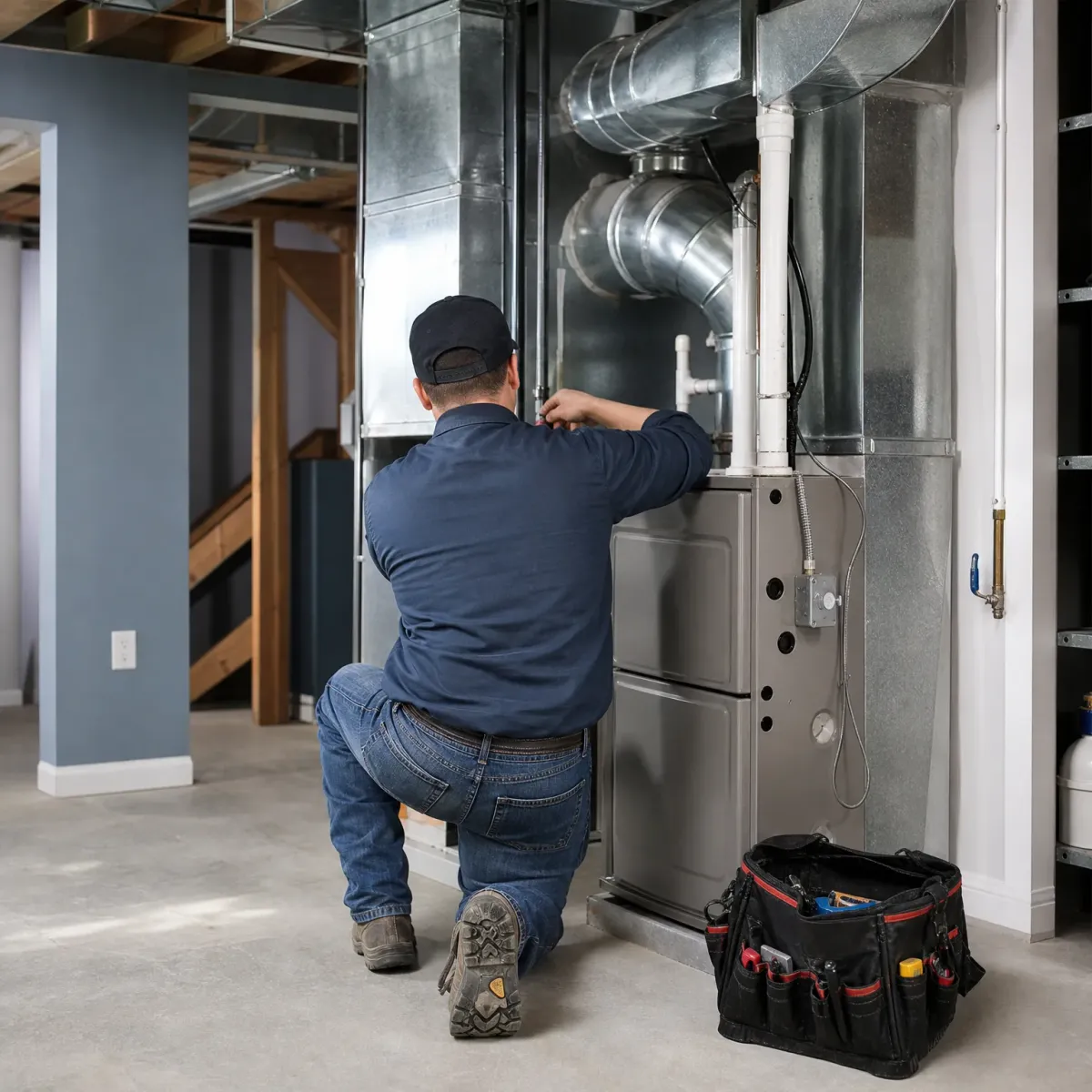
A man in a dark cap, navy long-sleeved shirt and jeans kneels beside a gray furnace with metal ductwork and piping in a basement, with an open black tool bag on the concrete floor.

Tell us about the job

Takes about a minute. No obligation.

New system or replacementWasatch County, UT
Step 1 of 3

What kind of equipment?

Which costs less to run in Wasatch County?

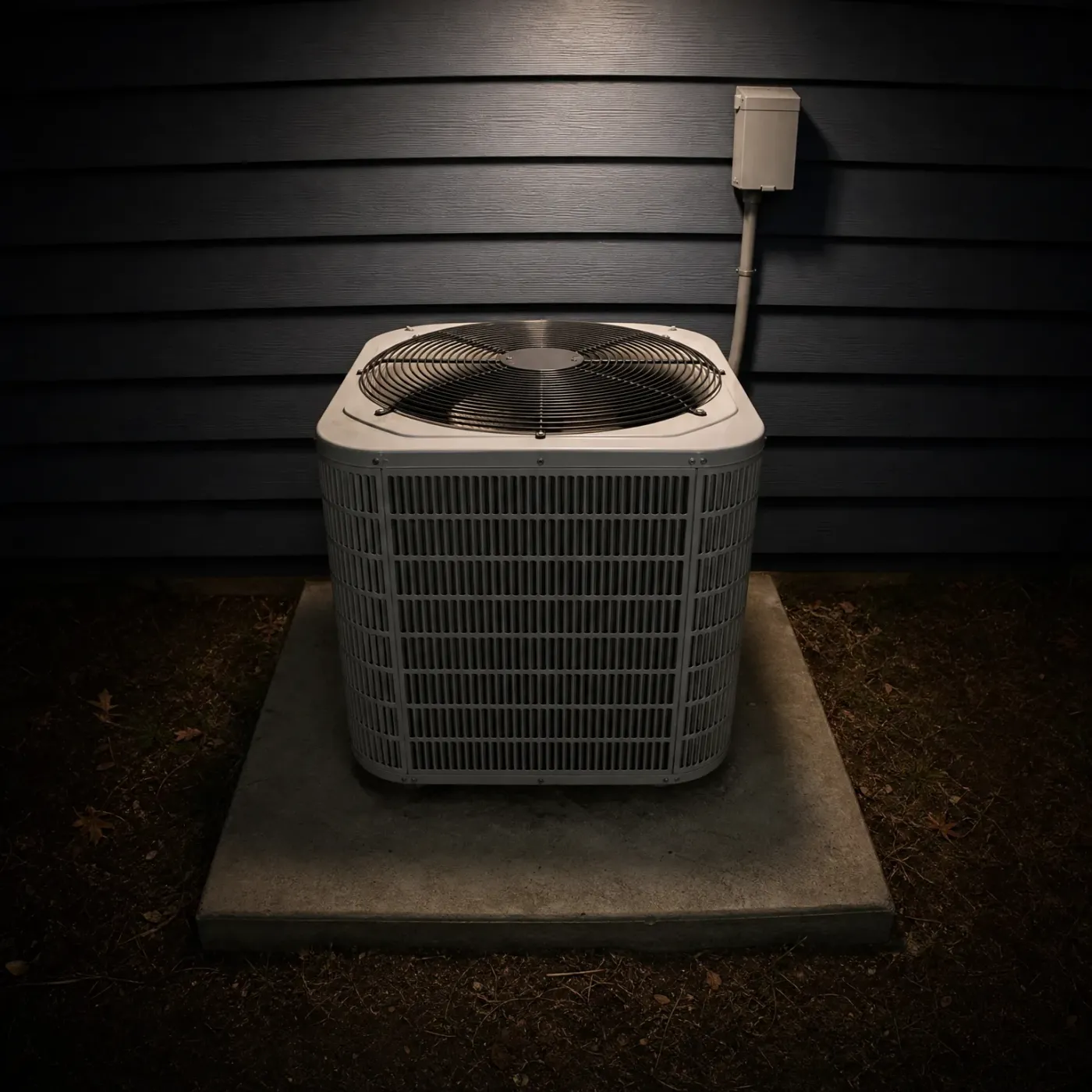
An outdoor air conditioner or heat pump condenser unit on a concrete pad against dark horizontal lap siding, with a conduit running up to a wall-mounted disconnect box.

Heat pump

To heat your home here$1.63per 100,000 Btu

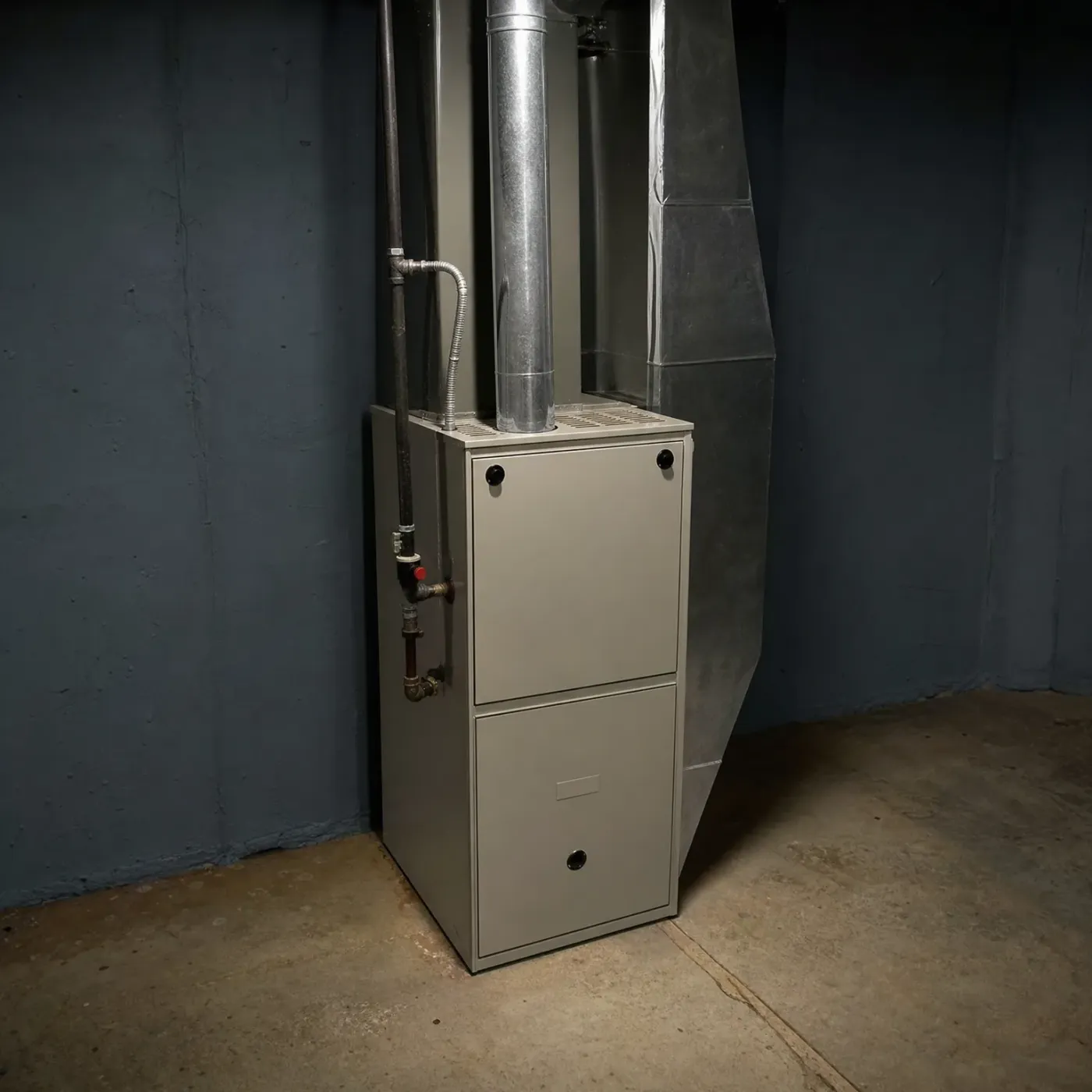
A beige upflow furnace stands in a basement corner against a gray painted concrete wall, with a metal flue pipe, gas piping, and sheet-metal ductwork above it on a concrete floor.

Furnace

To heat your home here$1.57per 100,000 Btu

At Utah's gas and electricity prices, a heat pump and a gas furnace cost about the same to run here.

Btu stands for British thermal unit, the standard measure of heat energy.

Where does a heat pump shine?

  • Heats and cools in one system

    A heat pump runs the same way all year. It pulls heat into the house in winter and pushes it out in summer.

    A living room with a beige sofa holding blue and navy cushions and a grey fringed throw, set before a dark-framed window overlooking green trees and flowering shrubs, with cream curtains, a dark blue built-in shelf unit, a table lamp, and white hydrangeas in a glass vase in the foreground.
  • Steady, even comfort

    It eases up and down with the weather. There are fewer swings between too warm and too cool.

    A yellow dog sleeps on a patterned rug in a living room with a gray wingback armchair holding an open book and a draped throw, a lit table lamp beside a window showing snowy trees, and a stone fireplace with a burning fire at right.
  • No gas line, nothing burning in the house

    It moves heat instead of making it from fire. That means no combustion, no flue and no gas bill for heat.

    A kitchen with navy cabinets, white countertops, gray herringbone tile backsplash, stainless range hood over a cooktop with a kettle, open wood shelves with dishes, two glass pendant lights, a window, and a bowl of green apples on the foreground island.

Where does a furnace shine?

  • Strong, steady heat in hard cold

    Winter nights here average 14°F, and a furnace burns gas to make heat, so it doesn't lose output when it's cold outside. It'll keep the house warm the same way on the coldest night of January as it does in a mild spell.

    A small gray wooden house with a steep gabled roof and covered porch, its windows lit warm yellow at dusk, surrounded by deep snow, a shoveled path, a lit post lamp, and snow-covered conifers and bare trees.
  • Runs on the gas most homes here already use

    Most homes in Wasatch County already heat with utility gas, so a gas furnace works with the line already running to your house. No new fuel source to add, just a furnace tied into what's already there.

    A row of porch-fronted houses along a snow-covered front yard and sidewalk, with a dark blue-gray painted porch, railings, lattice skirting and a gas meter in the foreground.
  • Fast, strong heat on demand

    The air coming from the vents feels genuinely hot. That's welcome on a freezing morning.

    An entryway with a dark glazed door showing snow outside, a sheer curtain, coats on hooks, a dark bench with a fringed blanket and mug, a wicker basket, and a pair of snow-covered brown winter boots on a rug over tile.

What the cold here does to a heat pump

Winter here is the whole question. Heat runs ten months a year, September through June, and the overnight low averages 14°F across December, January and February. That is not a mild climate problem. A standard heat pump starts losing ground at 40°F, putting out less heat than its rating once it drops below that mark. By about 35°F it often needs backup heat to keep up. The average winter night here is 14°F. Every single night at or below freezing, about 195 of them a year, is already past both of those marks.

That does not mean a heat pump will not heat your house. It means it will not do it alone. A gas furnace does not have this problem. It burns gas, makes heat, and the output does not fall off when it is cold outside. On the coldest nights of the year, that is a real difference in how the two machines behave, not just a number on a spec sheet.

There is a version of this machine built for exactly this problem. A heat pump with the ENERGY STAR Cold Climate mark is tested to keep most of its heating capacity at 5°F, well below anything the teens here throw at it. In field tests of these cold-climate units, backup heat covered only a small share of the load between 0°F and 35°F, and running on backup alone was rare even above 0°F. If a heat pump is the choice for your house, this is the version that holds up here. A standard model is not built for this county's nights.
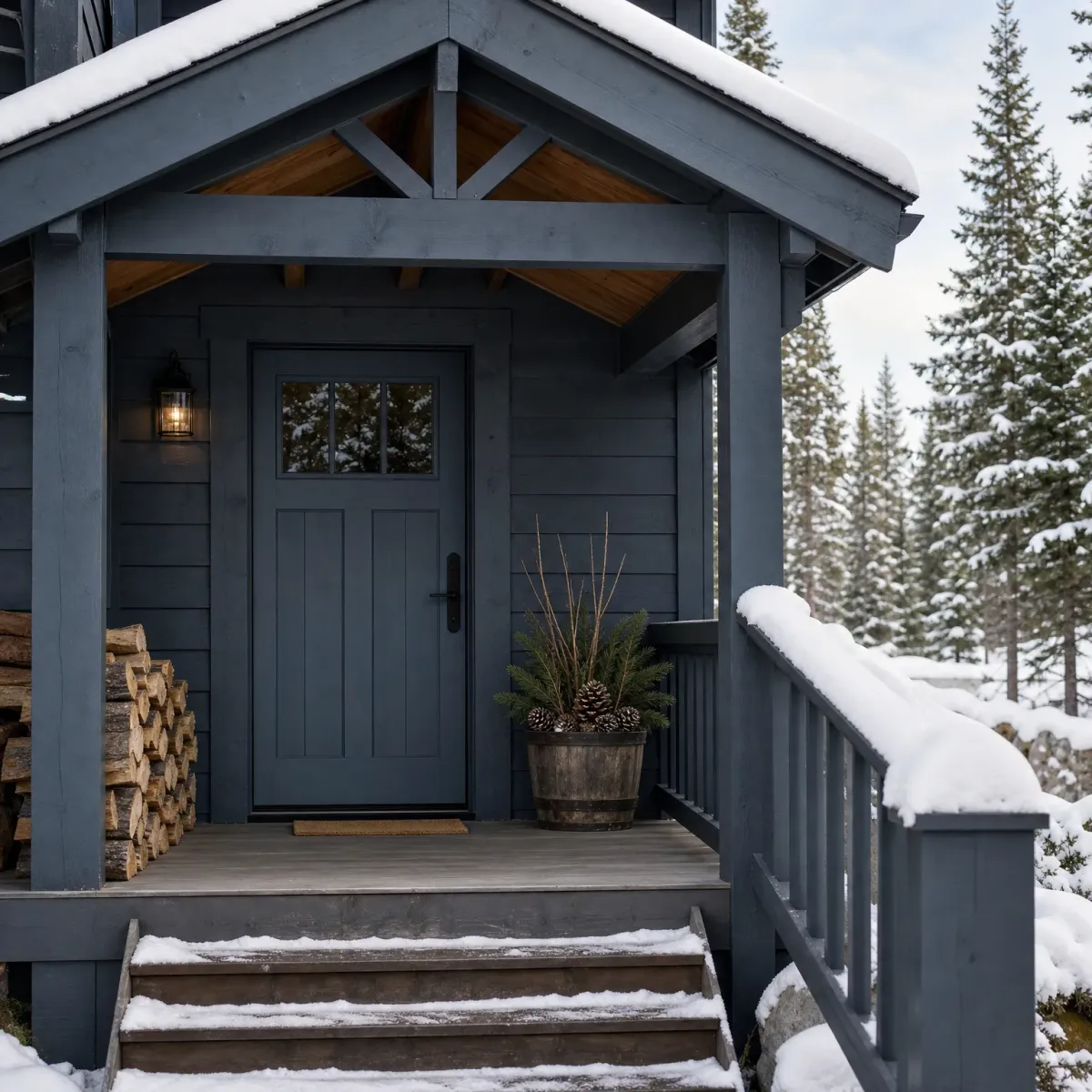
Covered entry porch of a dark blue-gray wood-clad house with a gabled roof, stacked firewood, a lantern wall light, a barrel planter of evergreen branches and pinecones, and snow-covered wooden steps and railing, with snowy conifers behind.

Cost, and what most houses here already have

Running cost does not settle this one. A heat pump built to the federal minimum runs $1.63 per 100,000 Btu here, against $1.57 for a furnace. That is close enough that it should not be the deciding factor, and it does not even count the backup heat a standard heat pump leans on during the coldest stretches, which would push its real number higher still.

What tips it for most homes here is what is already in the house. Gas heats about four in five homes in Wasatch County. Electricity heats a little over one in ten. If your house already has a gas line and a furnace, replacing it with another furnace means working with a system already built for your home. Putting in a heat pump means adding a cooling system you did not have, which is worth something if you want it, and a backup heat source for the coldest nights, which is a cost the simple running-cost comparison does not include.

The one thing a furnace cannot do is cool. There is essentially no cooling season here, with summer afternoons averaging 75°F, so that gap matters less in Wasatch County than almost anywhere else. If you want air conditioning along with heat, a cold-climate heat pump gets you both from one system. If you only want heat, and your house already runs on gas, a furnace does the one job it has to do, and does it on the fuel your house is already set up to use.

Sources: NOAA nClimDiv · NOAA 1991–2020 seasonal normals · Census ACS 2020–2024 · EIA SEDS 2024 · 10 CFR 430.32 · PNNL Building America guide · PNNL-37127 field study · ENERGY STAR product criteria

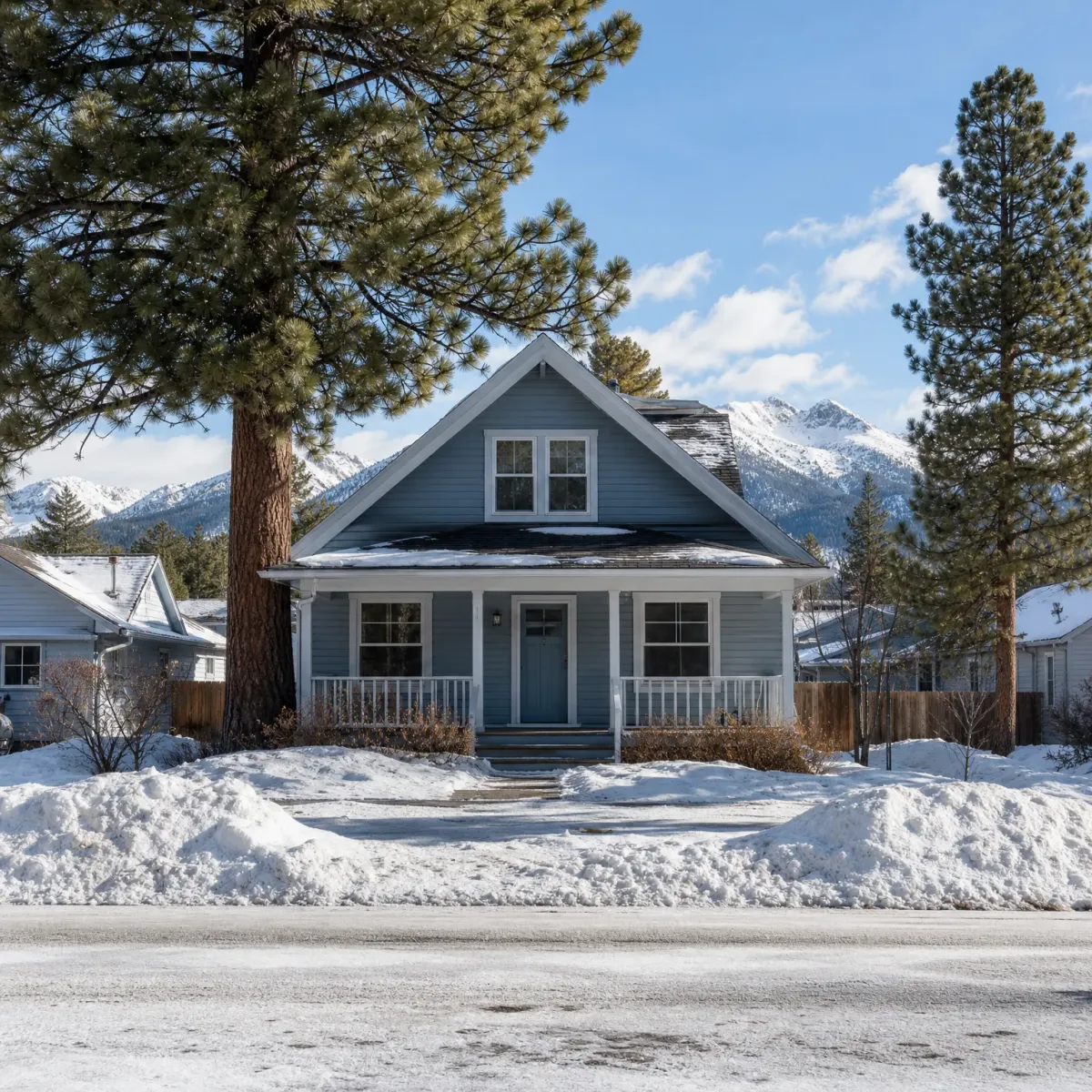
A blue-gray gabled house with a covered front porch and white trim stands behind snow-covered ground, flanked by large pine trees, with snow-capped mountains in the background.

Common questions about heat pumps and furnaces

  • Can a heat pump heat a house through a Utah winter?

    A standard heat pump struggles to do it alone. Below 40°F its heat output falls short of its rated capacity, and below about 35°F it often needs backup heat to keep up. The overnight low here averages 14°F across December, January and February, and falls to 32°F or below on about 195 nights a year, so a standard heat pump would be under one or both marks most winter nights.

  • Do I need backup heat with a heat pump here?

    Most winter nights here call for it. The overnight low averages 14°F across December through February, well below the 40°F and 35°F marks where a standard heat pump's output and efficiency start to drop. An ENERGY STAR Cold Climate model holds up better in deep cold, but check what backup heat source it pairs with before you count on it alone.

  • Can I keep my furnace and add a heat pump?

    Yes, and here that pairing makes sense. The furnace carries the house once temperatures drop toward the 14°F average overnight low in December and January, and the heat pump handles the milder nights above that. Gas already heats most homes in Wasatch County, so the furnace side of a dual system often means no new gas line to run.

  • Is a heat pump cheaper to run than a furnace in Wasatch County?

    No, a gas furnace runs a little cheaper here. A furnace costs about $1.57 per 100,000 Btu of heat against $1.63 for a heat pump, using Utah's average fuel prices and each machine built to the federal minimum. The gap is small, close enough that it shouldn't be the only reason to choose one over the other.