
Heat Pump Installation in Utah
Homes in Utah are newer than in 44 of the other 49 states.
Tell us about the job
Takes about a minute. No obligation.
- 21°Fwinter overnight low where people live
- 9 monthsof heat, September through May
- 83°Fsummer afternoon high where people live
- 2 monthsof cooling, July through August
A standard heat pump handles Utah fine Electricity here costs less than most states
- Western counties need about 83% more cooling than eastern ones
- Winter nights average 21°F where people live
- Summer afternoons average 83°F where people live
- Heat runs September through May
- Cooling runs July through August
- 444 winter storms from 2015 to 2024


- One system handles both heating and cooling, so there's no separate furnace and AC to maintain
- No flame, no flue, nothing combustible to vent, since the unit moves heat instead of burning fuel
- A contractor should size it to your home's square footage and insulation, not just match what was there before
- A variable-speed compressor runs longer at low output, which keeps rooms at a steadier temperature
- If backup heat strips are needed for the coldest days, they get sized and wired in at install

Gas heats 78.7% of homes in Utah, more than any other fuel here. A heat pump going into one of those homes is almost always replacing a furnace, not another heat pump, so the ductwork is already there even if the equipment is new.
Electricity heats 16.8% of homes in Utah, and those are the homes most likely to already run on straight electric resistance heat or an older heat pump. Switching one of those over is usually simpler, since the wiring for electric heat is already in place.
Install before September, not after the first cold night
Heat pumps here run nine months a year keeping homes warm, September through May, and only two months, July and August, keeping them cool. That heating stretch is why install timing matters more than cooling ever would. Get it in before September and you have the whole summer to find a contractor, get it sized right, and schedule the work without the pressure of a cold house waiting on it. Wait until the first cold snap and you're choosing from whoever's available that week.
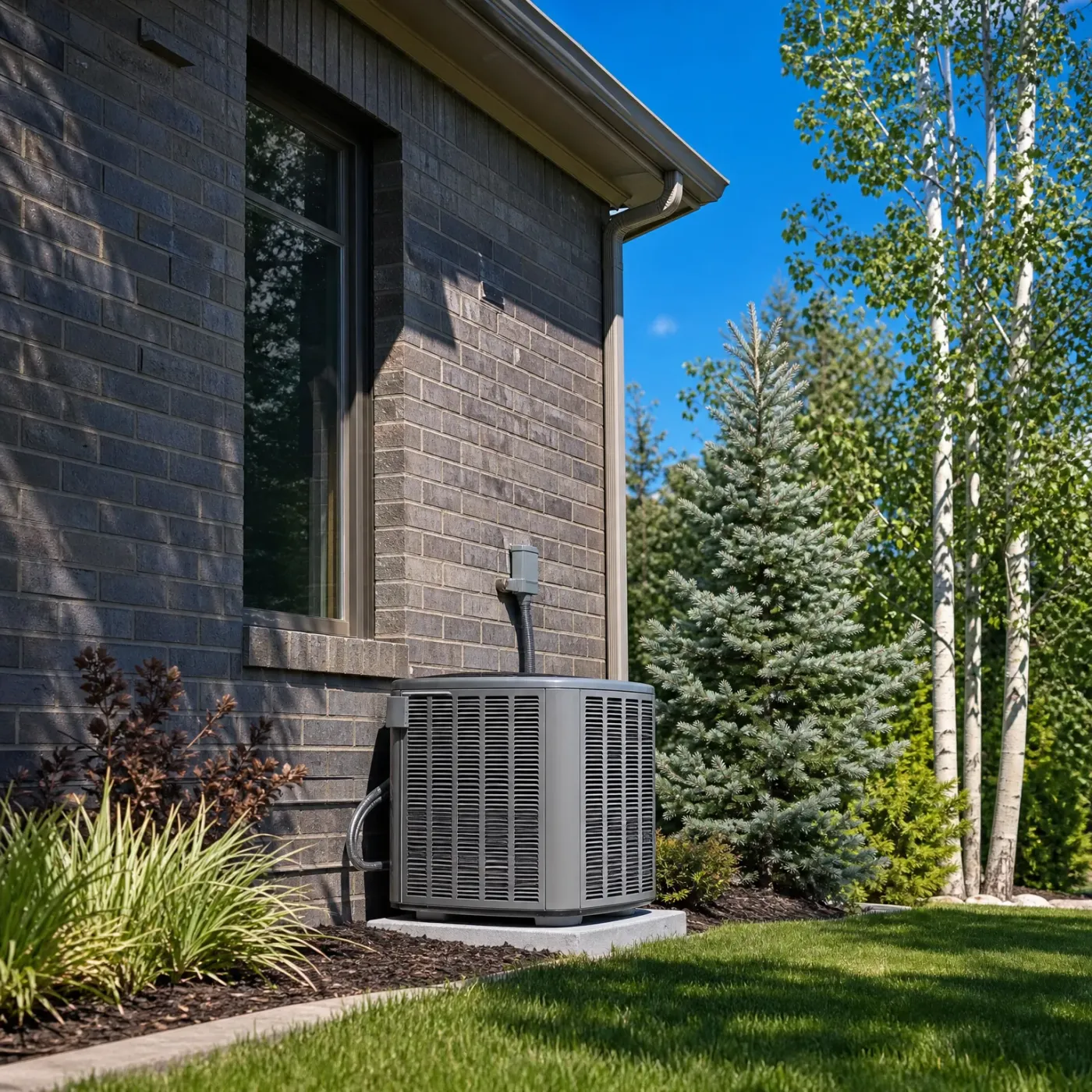
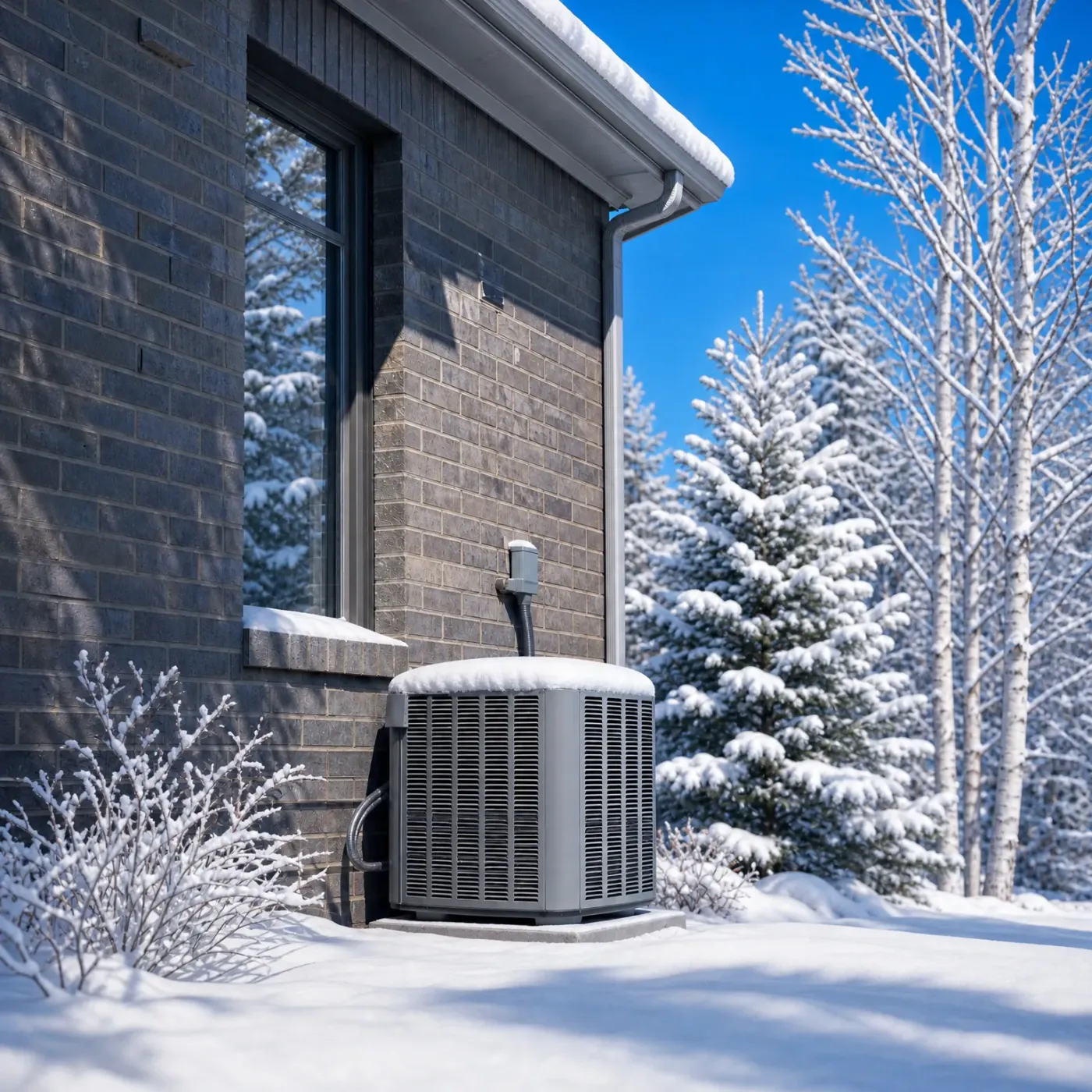
2 months of cooling, July through August
9 months of heat, September through May
Utah's western counties need about 83% more cooling over a year than the eastern counties. A heat pump sized for a home near Washington County is doing real cooling work each summer, not just finishing off a few hot afternoons.
Heating runs the other way. Eastern counties need about 16% more heat over a year than western counties. Summit County needs about twice the heat that Washington County does, the lowest heating need in the state. A system sized for Summit County is built around that heating load first, with cooling as the secondary job.
Summer afternoons make the same point from a different angle. Washington County averages 90°F on summer afternoons. Summit County averages 72°F. Those are two different cooling jobs, and the equipment should be matched to whichever one it's actually facing.
Winters are cold enough statewide that backup heat strips are worth planning for wherever you are in Utah. Overnight lows average 21°F across December, January and February. How often those strips kick in, and how big they need to be, depends on whether the home is in a high-heat-demand county like Summit or a lower one like Washington.
What does a heat pump in Utah face?
How hot do summer afternoons get?
83°Faverage afternoon high where people live
Alaska66°F
Arizona101°F
How cold do winter nights get?
21°Faverage overnight low where people live
North Dakota4°F
Hawaii65°F
How many months does the heat run?
9 monthsof heating a year
Hawaii0 months
Alaska12 months
What does electricity cost?
12.22¢per kWh (kilowatt hours, the unit on an electric bill), what homes paid in 2024
North Dakota11.51¢
Hawaii42.86¢
How often do storms hit?
217severe weather events per county from 2015 to 2024
Alaska5
Wyoming1,057
How many homes lost power for a day or more?
7%of homes in 2024
Arizona7%
Maine54%
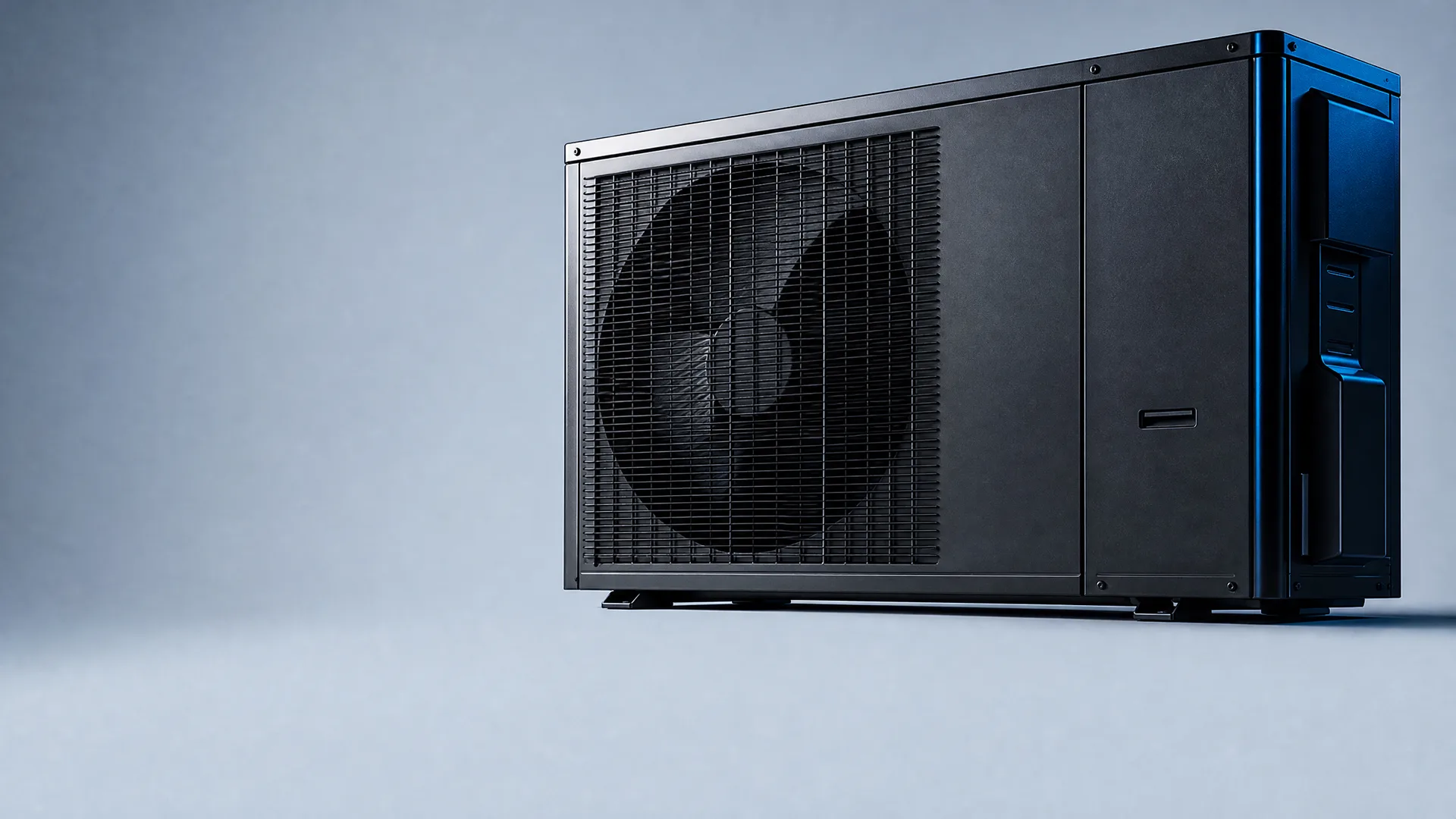
What this unit is built to handle here
A standard variable-speed heat pump is built to run nine months a year without strain. The compressor is doing the same job in month nine that it did in month one, just drawing on outdoor air that's colder. On a December or January night here, with the outdoor temperature down around 21°F, that's where backup strips take over rather than asking the compressor to work harder than it's built for. Nothing about Utah's winters calls for a bigger compressor, just a system with strips sized to carry the coldest mornings.
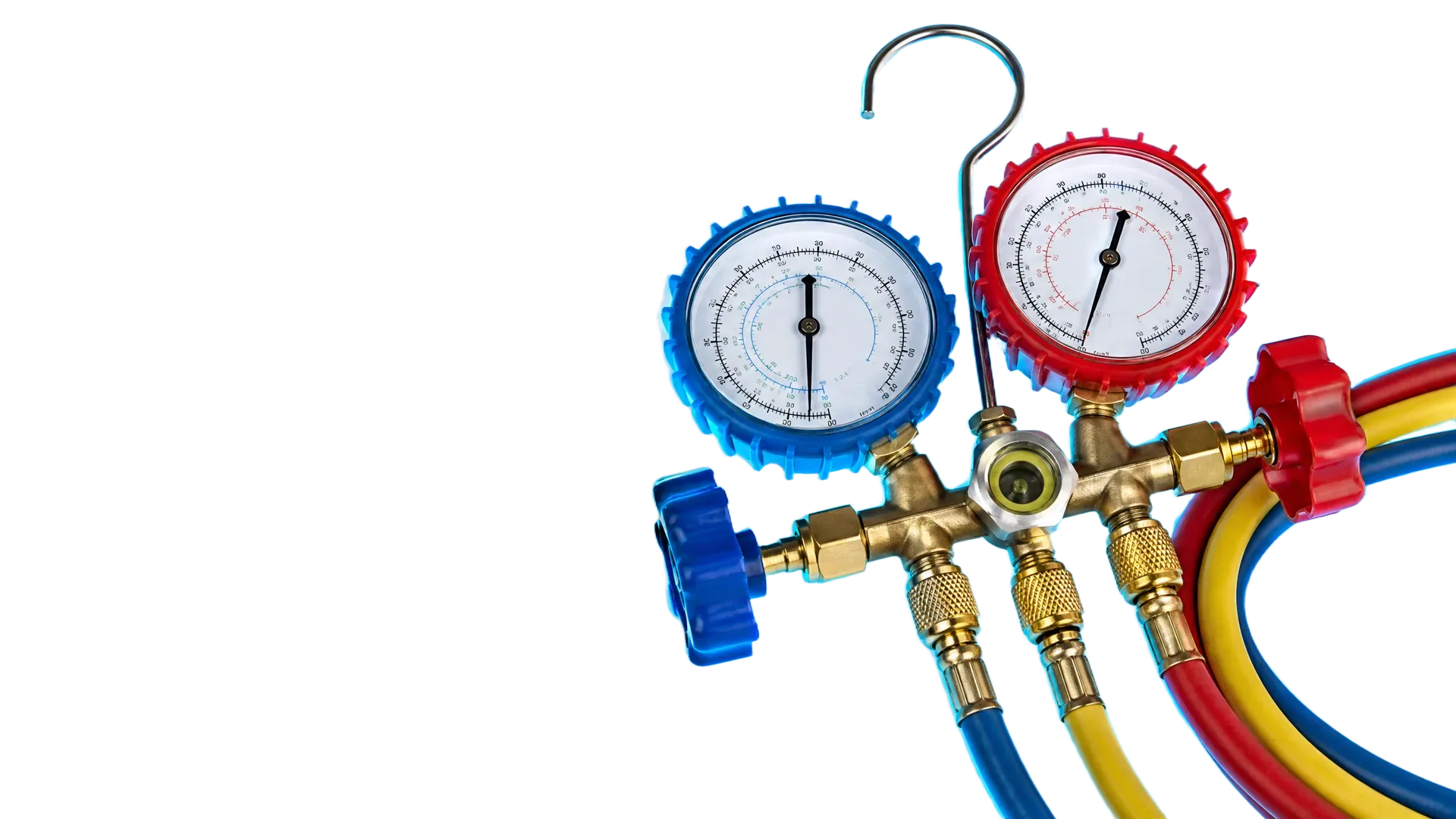
Getting the size right
Sizing a heat pump is not about matching the number stamped on the old furnace. A contractor works out how fast a home loses heat in winter and gains it in summer, room by room, using the square footage, the insulation, the windows, the orientation of the walls. That calculation sets the size, not habit and not what's cheapest to install. Go too big and the system short-cycles, running for a few minutes, shutting off, starting again, which wears the compressor and leaves rooms clammy because the unit never runs long enough to pull moisture out of the air. Go too small and it runs flat out all day without catching up on the coldest or hottest hours, leaning harder on backup heat than it should. A heat pump sized right runs long and steady at low output most of the time, which is exactly how the variable-speed compressor is meant to work.
What the rating tells you, and what it doesn't
The number on the label is a ratio, not a size. It tells you how much heat moves for the electricity put in, compared across units. It says nothing about how much heating or cooling your home actually needs. A high rating on an undersized unit still leaves rooms short on the coldest days. A contractor uses that rating to compare equipment once the size is already worked out, not to pick the size itself. Equipment with the same rating can still behave differently at low outdoor temperatures, since the rating is measured under set conditions and the compressor's behavior in real cold is a separate question worth asking about directly.
Most Utah homes heat with gas, and the ductwork for a heat pump is already there.
Tell us about the job
Takes about a minute. No obligation.
Fill out the form and a licensed contractor sizes the system to your house, not your old equipment.