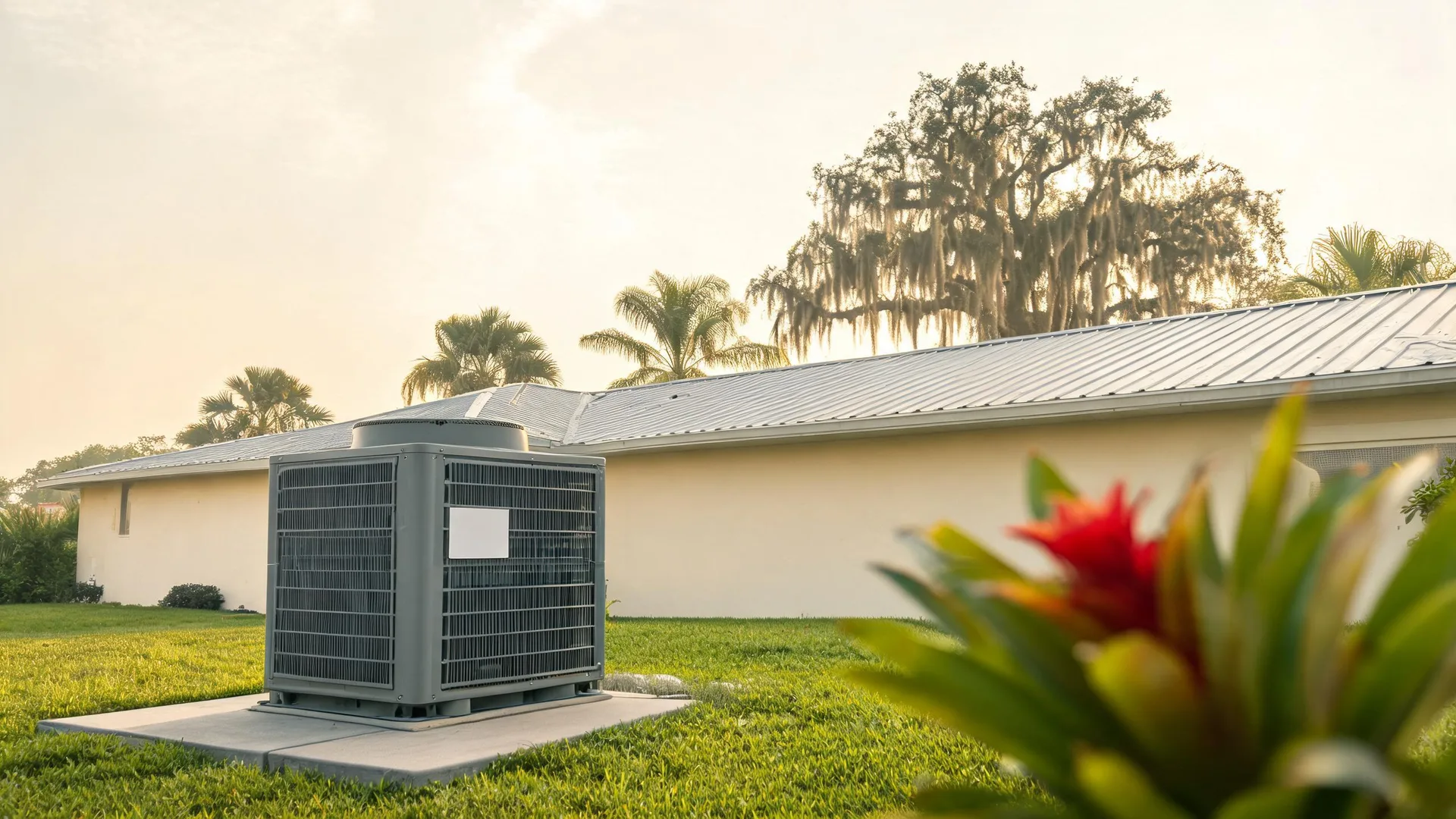
Most of Logan heats with gas
Utility gas heats 80.9% of occupied homes in Cache County. Electricity accounts for 12.8%, and propane for another 4.3%.
Takes about a minute. No obligation.
Utility gas heats 80.9% of occupied homes in Cache County. Electricity accounts for 12.8%, and propane for another 4.3%.
If your home has a gas furnace now, adding a heat pump usually means pairing it with that furnace rather than tearing it out, so the furnace takes over on the coldest days. What your installer recommends depends on the ductwork and gas line already in place.
NOAA nClimDiv, 1991–2020 normals
Every heat pump has a balance point, the outdoor temperature where it stops keeping up on its own.
Ask what happens below that point, and whether the furnace or backup heat takes over automatically.



Cache County falls in zone 5B, a cool zone where heating carries most of the load. Any split-system heat pump installed here, if manufactured from January 2023 on, has to meet 14.3 SEER2 for cooling and 7.5 HSPF2 for heating. Those are federal floors, not a local add-on, so every unit on the market already meets them. The HSPF2 number matters more here than the cooling rating, since the system will spend far more hours heating than cooling. A federal tax credit is available for qualifying heat pump installations, worth checking against whatever model your installer proposes.
At 17°F average overnight lows, winters here are cold but not extreme, and Cache County's wind and hail counts stay low. A heat pump here isn't fighting storm damage or constant strain, just steady winter demand it's built to handle. That's one less thing to pay extra for. A standard-efficiency unit sized correctly, paired with the furnace already in place, will do the job without needing the top-tier model.
Find a contractor
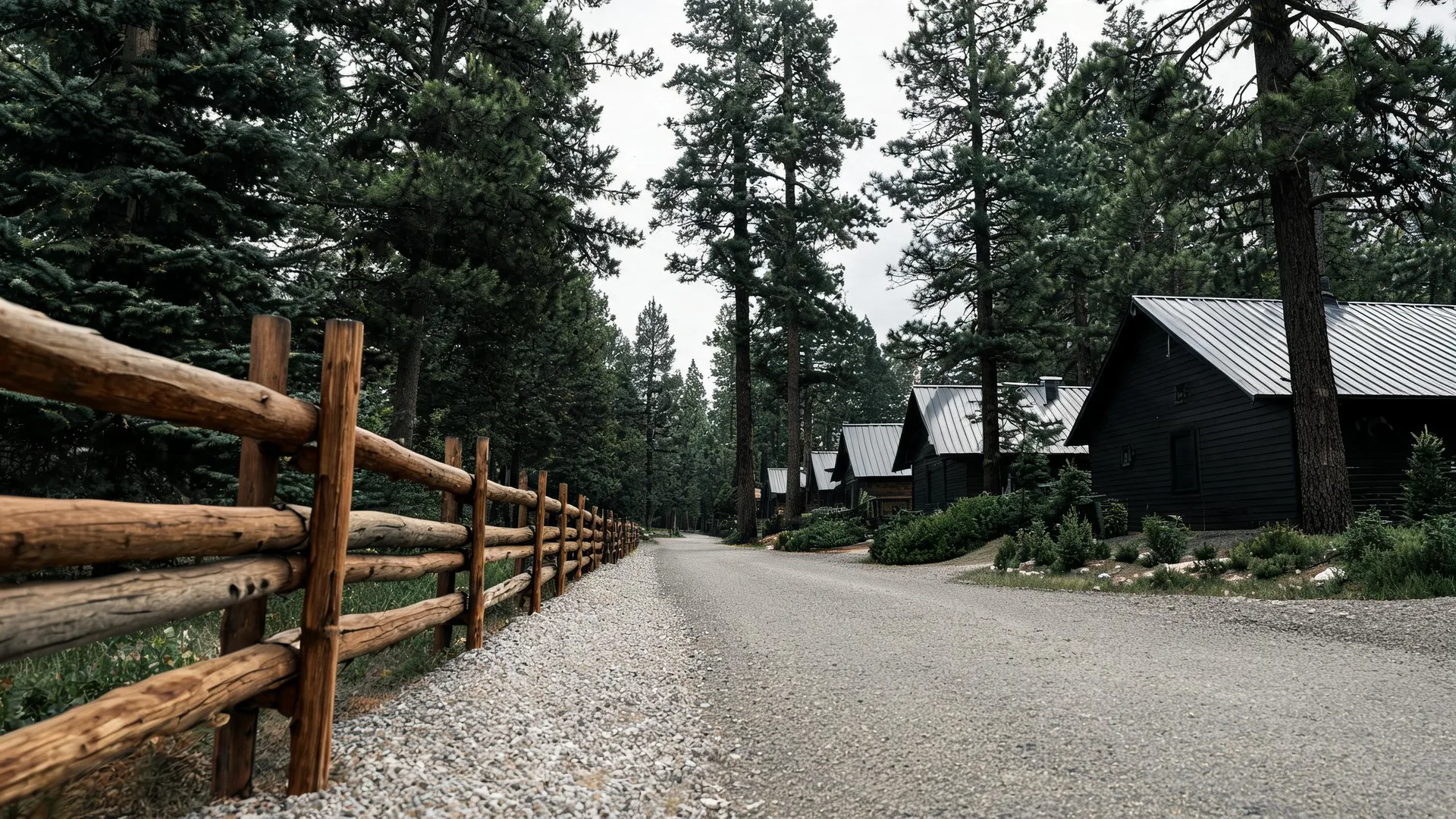
Installation day starts outside with the crew deciding where the outdoor unit sits and whether the line set can reach the indoor coil without a long run. The coil usually goes in above or next to the furnace, sharing the same duct trunk. The refrigerant lines get run and connected, then the whole system gets pressure tested before any refrigerant goes in. A leak found after charging means starting over, so that test happens first. Once the lines hold pressure, they get pulled down to a vacuum to clear out moisture and air, since either one left behind causes problems later. The outdoor unit needs its own dedicated circuit, and the furnace control board usually needs new wiring added so it can hand off to the heat pump and back. The thermostat gets set up last, since it has to know when to call on the heat pump and when to let the furnace take over. Before the crew leaves, the system runs in both heating and cooling, and the refrigerant charge and airflow at the vents get checked. That charge matters more on a heat pump than a straight air conditioner, since it runs through the cold months instead of sitting idle.
A contractor works out heat loss and heat gain room by room, counting windows, insulation levels and which way the walls face. Homes of the same size can need different sized equipment depending on how they're built.
A heat pump that's too big satisfies the thermostat fast and shuts off before it's run long enough to pull moisture out of the air or settle into steady heating. It cycles on and off more, which wears on the compressor over time. Right-sized equipment runs longer, steadier stretches, which is what keeps a home comfortable.
Installed cost comes down to how much of the job is the equipment and how much is the work around it. A straight swap, same spot, same ductwork, same electrical, is the cheapest version of this job. Add a new line set run, a dedicated electrical circuit for the air handler, or ductwork that needs modifying to handle the airflow a heat pump moves, and the labor climbs faster than the equipment price does. Backup heat strips, a thermostat that can coordinate a furnace and a heat pump, and how accessible the outdoor unit's pad or mounting spot is all factor in too. Homes buying the identical heat pump can end up with different bills once the installer accounts for what's already there and what has to change to make it work.
SEER2 and HSPF2 come from a lab test, not from your house. They tell you how the equipment performs under fixed conditions, so they're useful for comparing one model against another sitting next to it. They don't tell you what your ductwork, insulation or installation will do to that number once the unit is running in a real home. A higher HSPF2 means more heat delivered for the same electricity in cold weather, which matters here since heating is most of the job. But a correctly sized, correctly installed standard unit will often beat a high-efficiency one that's oversized or set up wrong. Use the rating to compare equipment, not to predict a bill.