17°F average nights
At that temperature a heat pump runs close to flat out to keep your house warm, and a worn bearing or loose part makes itself known fast under that kind of load.
A heat pump that's banging, grinding, or rattling in cold weather isn't something to wait out, not with winter here in Cache County as hard as it is. You searched because the noise is new, or it's gotten worse, and you want to know if it's serious before you're without heat. Figuring that out means getting someone who can look at your specific unit, not a general answer. The usual way that happens is you call a few places, describe the sound over the phone, wait for callbacks, and compare what each one tells you before picking someone. This page skips that. Tell it a bit about your heat pump and what you're hearing, and it matches you with a contractor who takes on jobs like yours in the Logan area. That contractor reaches out to you directly. No list of companies to sort through, no explaining the noise three separate times. One step, and it's underway.
A loud noise from your heat pump usually points to one of a few things. A rattle is often a loose panel or a screw that's worked itself free, something simple. A grinding or squealing sound points to the fan motor bearings wearing out, especially if it only happens when the outdoor unit kicks on. A banging noise, particularly right as the system starts the defrost cycle, is often ice buildup on the outdoor coil cracking loose, and that's common here once Cache County winters settle in and frost forms faster than the unit can clear it. A clicking at startup or shutoff is usually normal, just the relay switching. What matters is whether the noise is constant or only shows up at certain points in the cycle, and whether it's gotten louder over time. A new or worsening noise in winter usually means a part is failing, not just settling in.




Winter nights average 17°F
Your heat pump is running on winter nights that average 17°F, and cold like that is exactly when a worn part starts making noise.
Heat runs September through June
Nine months of heat means more hours of runtime, and more hours is more chances for a loose panel or failing bearing to show up.
Cooling runs July through July
With just one month of cooling, your heat pump spends almost all its working life in heating mode, where the strain shows up first.
NOAA nClimDiv 1991-2020
Let it run and see if the noise settles. Some sounds show up once and don't come back, and plenty of heat pumps make it through the winter without the problem ever getting worse.
A part that's grinding or squealing doesn't heal itself. It wears further, and the fan motor or the compressor behind it can fail outright on a night when you need the heat most.


At that temperature a heat pump runs close to flat out to keep your house warm, and a worn bearing or loose part makes itself known fast under that kind of load.
That's how long your heat pump runs here, more hours than most parts of the country ask of one, which is more time for a small noise to turn into a bigger repair.
Walk past the outdoor unit and you'll likely catch where it's coming from. A rattle that gets louder when the wind picks up is often just a panel vibrating. A grinding or squealing that doesn't let up is the fan motor working against a bearing that's going bad, and you may notice the air coming out warmer than it should, or the unit cycling on and off more than usual. If it's been going on for a while, the motor is being asked to do more with less, and on a night near 17°F that can push it to quit outright, leaving the house to cool down fast with nothing to catch it.

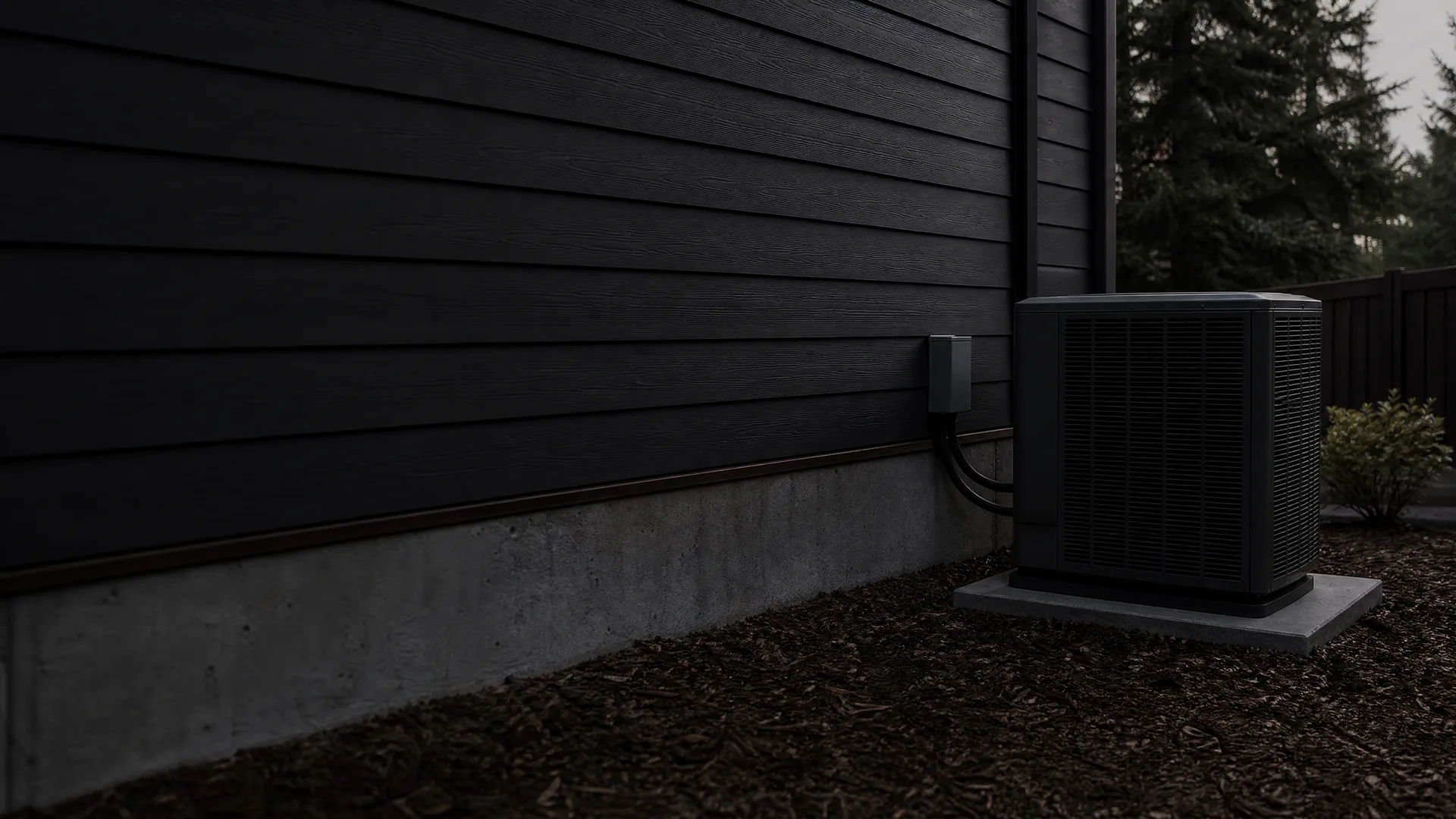
This is what a healthy unit looks like outside your house. The grilles are clear, the fan turns without a fight, and nothing rubs or binds. A unit in this shape runs quiet even on a 17°F night.

Dust and grime packed into the grilles make the fan motor and compressor work harder to move the same air. That extra strain is where a grinding or squealing noise usually starts, and it gets worse the longer it sits like this.
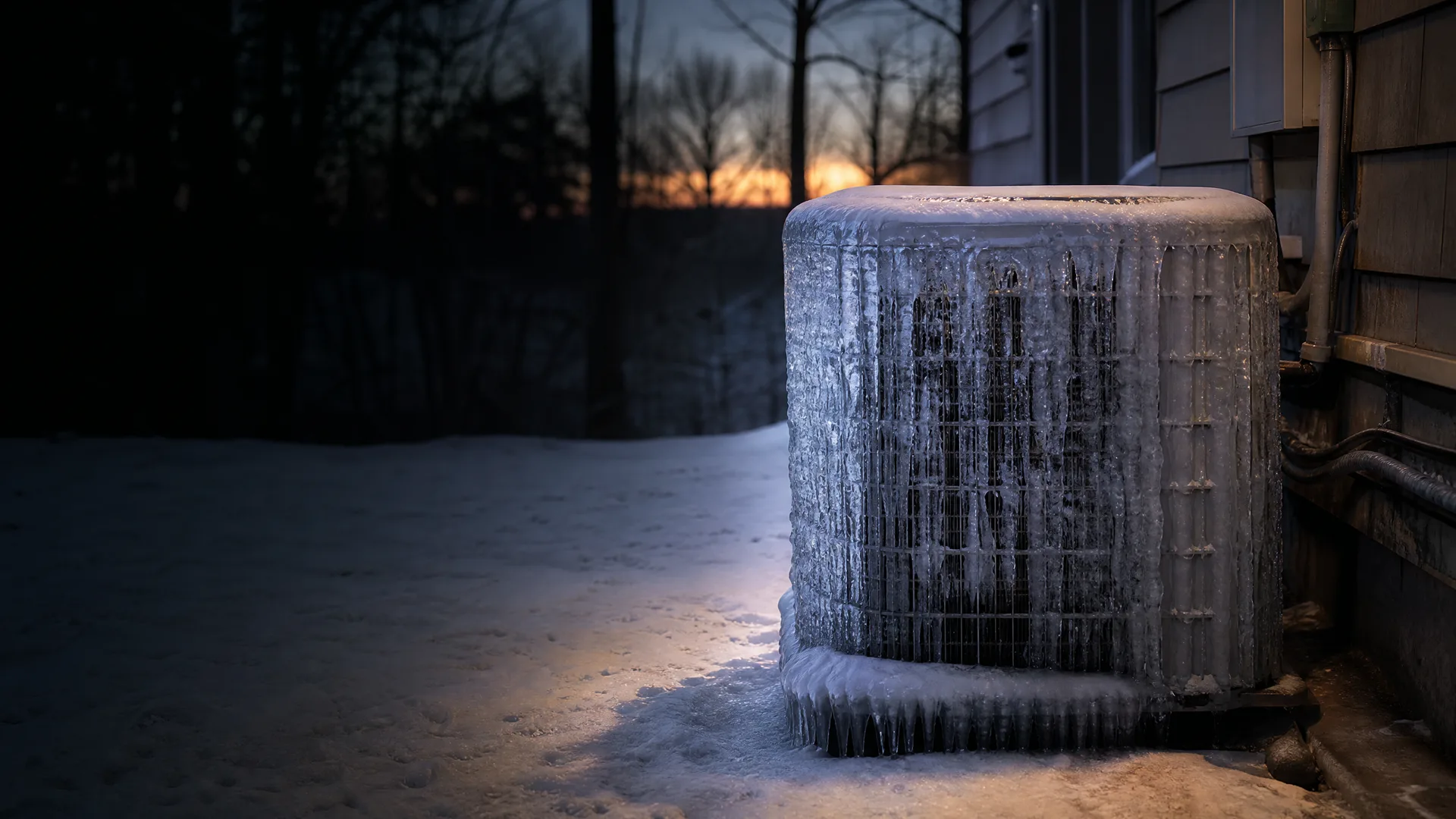
You walk out to the side yard a little after seven, before the sun has cleared the fence line. The grass is stiff with frost and your breath hangs in front of you. The outdoor unit is coated in ice, thick over the coil and climbing up the housing, not the thin frost that melts off by mid-morning. It's making a noise it didn't make last week, a grinding that catches every few seconds under the hum. You crouch down and look at the fan through the grille and it's fighting to turn. Seventeen degrees last night, the kind of cold that doesn't let a heat pump coast. You straighten up, stand there a second, and go back inside to get your boots on properly.
You've read enough by now to know a noise like this doesn't sort itself out, not running nine months a year against nights this cold. What you don't know yet is whether it's a loose panel or a fan motor on its way out, and the only way to find that out is to have someone look at it. Finding that someone is the part that eats your evening: searching, calling two or three places, explaining the sound over the phone, waiting to see who calls back, then doing it again if the quotes don't line up. A heat pump that's already working hard against a Cache County winter doesn't need that delay stacked on top of it. Put in your request and a contractor who takes jobs in your area gets it and reaches out to you directly. No sorting through five bids, no repeating yourself to each one. Just one call, about the noise you're already hearing tonight.
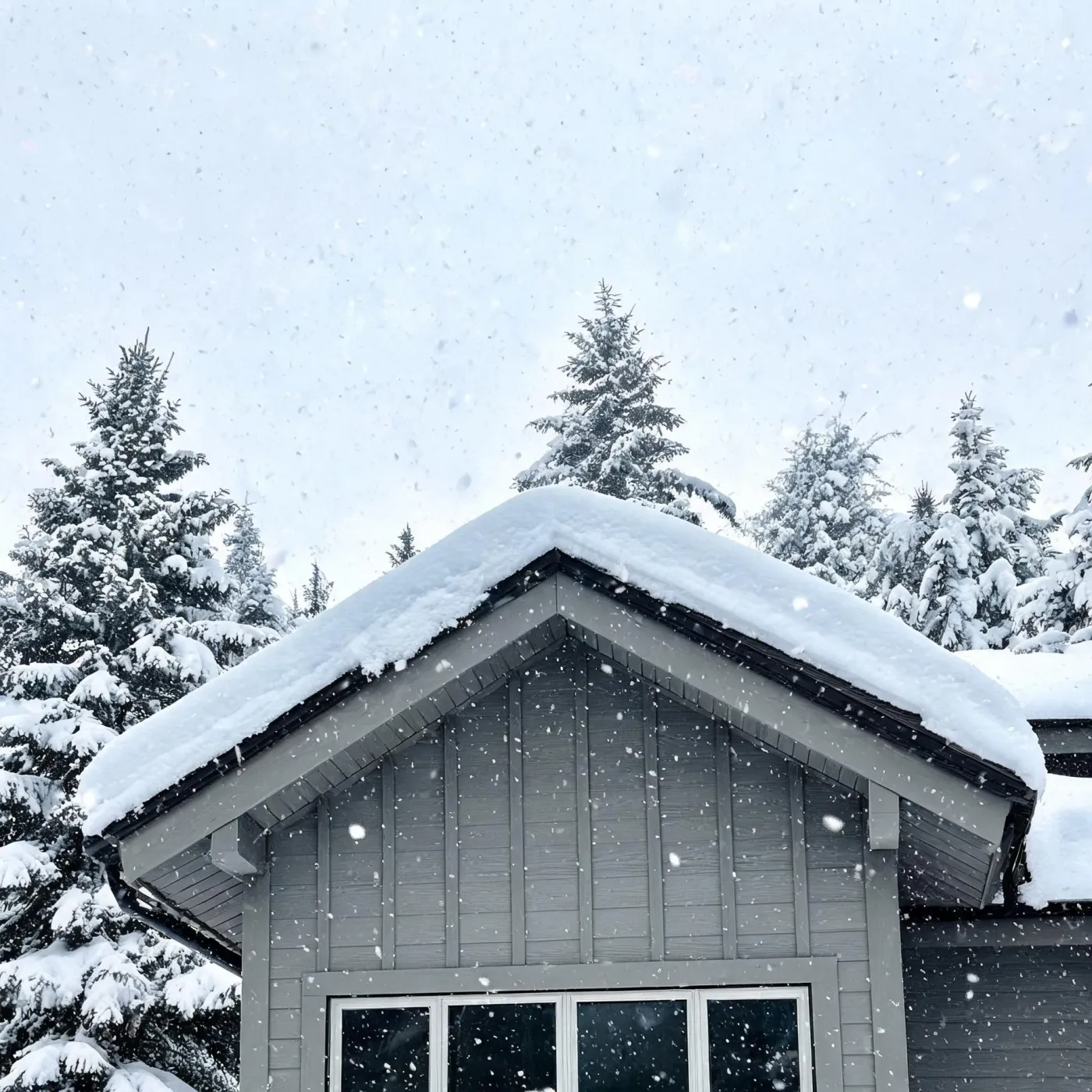
Weather service data puts the average overnight low across December, January and February in Cache County at 17°F. A heat pump pulls heat out of that cold outside air, and the colder the air, the harder the unit has to run to get the same warmth into your house. On a night that cold, it's working close to its limit for hours at a stretch. That's exactly when a part that's already wearing, a bearing going dry or a motor mount loosening, gets loaded hardest and makes itself heard. If the noise showed up or got worse on one of these cold nights, that's not a coincidence.
NOAA nClimDiv 1991-2020


Cold outside air moves across the outdoor coil first.
The refrigerant inside that coil absorbs the heat from the air.
A compressor squeezes that refrigerant to raise its temperature further.
The indoor fan pushes air across the now-hot coil inside.
You searched because the buzz happens right when the unit kicks on, not while it's running. It's loud enough that you notice it from inside the house, and you want to know if that's just how a heat pump starts up or if it's a sign something's wearing out before you're stuck without heat on a night in the teens.
When your heat pump starts, a part called the contactor closes to send power to the compressor. A worn contactor can buzz or chatter for a second as it closes, and that's often harmless. If the buzz is louder, comes from the compressor itself, and lasts longer than a second or two, it can mean the compressor is straining to start, sometimes from a weak capacitor that's supposed to give it a jolt of extra power on startup. On a cold night, with the compressor already working harder to pull heat from 17°F air, a part that's starting to fail tends to make itself known fast. A tech can test the capacitor and contactor in minutes and tell you which one it is.


At 13.03 cents per kilowatt-hour, a heat pump running hard against a 17°F night isn't costing you what it would somewhere with pricier power. That's worth knowing before you let a grinding motor run on, since the strain on the part is the real cost, not the electricity behind it.
EIA-861 2025

A rattle, a grind, a squeal. Each one points somewhere specific, and nothing about your heat pump stays a mystery once someone's hands are on it. You don't have to know which part it is before you call. You just have to notice the sound changed, and you already did that.
What's left isn't the noise itself, it's finding someone who can get out to your house in Cache County, look at the unit, and tell you straight what's wearing out. That's the part that takes evenings you don't have: searching, calling a few places, explaining the same rattle three times, waiting on quotes that don't say much. A contractor matched to your situation skips that. They'll reach out, they'll know what you've already told this page, and you'll be done sorting it yourself.

Explain the job once and skip repeating it on every call.