Furnace making a loud noise in Ogden, UT
A loud noise from your furnace usually points to one of a few things. A banging or boom when it starts up often means gas is building up in the burner before it lights, then catching all at once. A screeching or squealing points to the blower motor or its bearings. A rattle can be a loose panel or a part working itself free inside the cabinet. A deep rumble while it runs can mean the burner isn't combusting cleanly. With winters as hard as they are in Weber County, your furnace runs for months straight without a break, and a noise that starts small tends to get worse under that kind of steady use, not better. None of these are things to run past a few more cycles. A furnace that bangs on startup can be cracking a heat exchanger a little more each time, and that turns a noisy furnace into a safety problem. Worth having someone look at it before the next cold stretch.
Why does a furnace noise matter more here than somewhere mild?
Winter nights average 19°F
Winter nights here average 19°F, so a furnace that's banging or squealing is working through cold that doesn't let up, not a one-off mild night.
Heat runs September through June
Heat runs here from September through June, about ten months a year, so a noise that starts small has months to get worse before you'd ever get a break from the furnace.
82.9% of homes heat with gas
82.9% of homes in Weber County heat with gas, and a gas furnace making noise can mean a burner or ignition problem, not just a worn part.
NOAA nClimDiv 1991-2020 · ACS 2020-2024
Keep running it versus shut it off
Some homeowners let a noisy furnace keep running because the house is warm and nothing seems urgent. If the sound is a rhythmic squeal, that's usually safe to leave for a short while since it points to a motor or belt wearing down, not a fuel problem. You'll likely hear it get worse before anything fails outright, which still gives you time to get someone out. The risk is wear spreading from one part to another, like a dragging motor eventually burning out a bearing it didn't need to touch.
When the noise means shut it off
A banging or boom on startup is different. That sound means gas has built up in the burner before ignition and is catching all at once, which is a delayed ignition problem, not routine wear. In that case the safer move is to shut the furnace off at the switch and not run it again until someone has looked at it. A rattling panel or loose screw can wait. Gas igniting late inside a closed burner compartment cannot, and it's the one noise on this list where running it anyway isn't worth the risk.




The sound your furnace makes is usually pointing at a specific part, not just "something wrong." A bang when it starts up happens because gas built up for a moment before the igniter caught it, so instead of a smooth light, it catches all at once. Clicking or ticking after the burners shut off is normal in most cases. That's the metal in the cabinet and ductwork shrinking as it cools, the same way a car engine ticks after a drive. A rattle that shows up only when the blower runs is worth checking before it gets worse. It's often just a screw or a duct seam that's worked loose, something a contractor can snug back down. A squeal means a moving part, the blower motor bearing or the belt, since that's what's spinning every time the furnace calls for heat. Grinding or scraping is different. That usually means something inside the blower housing is making contact with metal it shouldn't, often the wheel itself. A booming or rumble that repeats every single cycle tends to come from the burners, dirty or out of alignment, changing how the flame catches.
What each noise is telling you
- A bang on startup means gas pooled in the burner box before the igniter caught it, so it lights all at once instead of smoothly.
- A metal clicking or ticking as the furnace cools after a cycle is usually the sheet metal in the cabinet or ductwork contracting, not a mechanical fault.
- A rattle that comes and goes with the blower often traces to a loose panel screw or a duct connection working its way free over time.
- A high-pitched squeal points to the blower motor bearing or belt, since that part spins every time heat is called for.
- A grinding or scraping sound usually means a part inside the blower housing is hitting metal it shouldn't, often the wheel itself.
- A low rumble or booming that repeats every cycle can mean the burners are dirty or out of alignment, changing how the flame ignites.


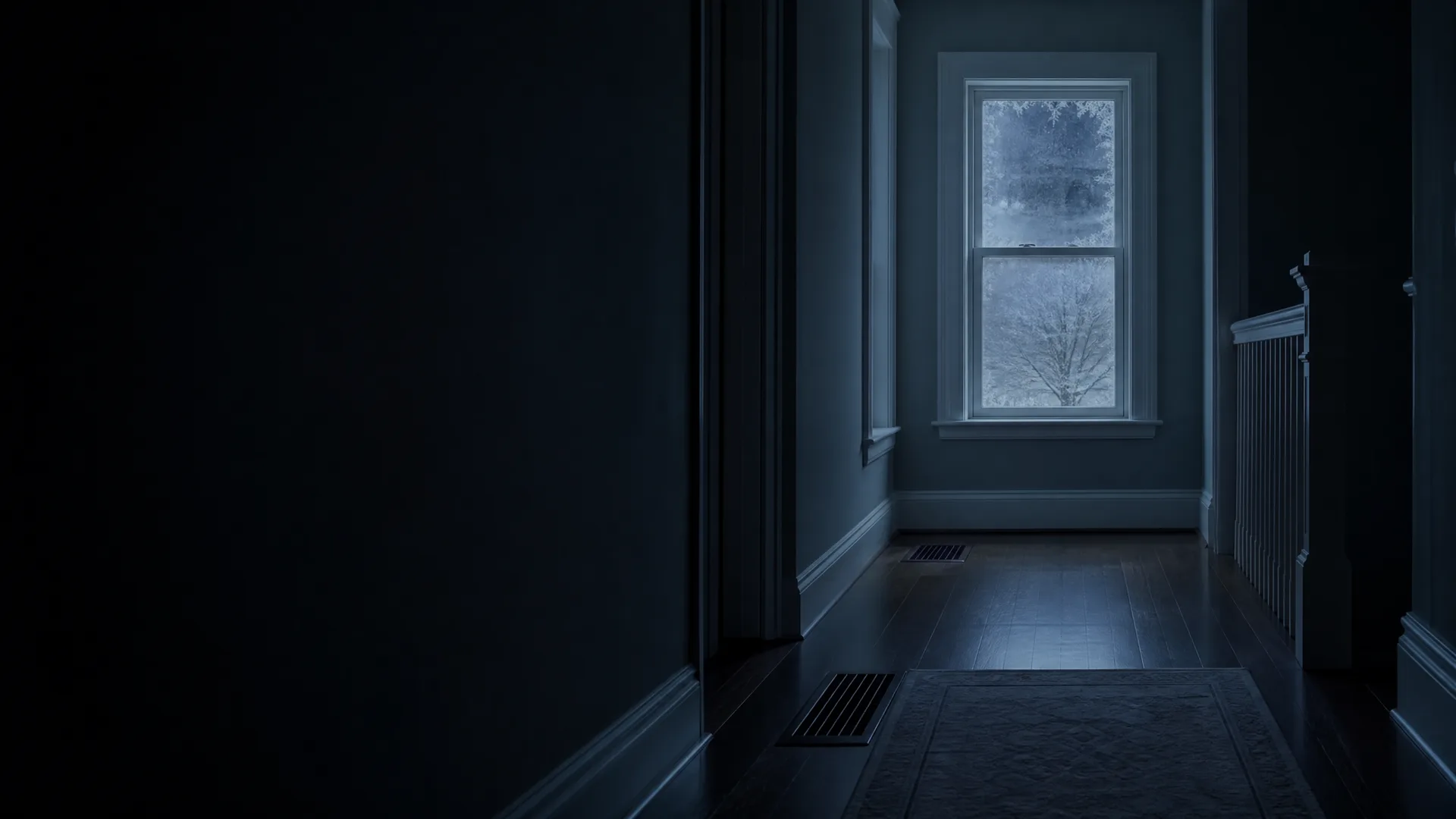
It's just past 2 a.m. and the boom from downstairs is what woke you. Upstairs the hallway is silent now, no air moving through the vents, no hum from the register by your feet. Frost has crept up the edges of the window at the end of the hall, and the light through it is thin and blue. You stand there listening for the furnace to try again. Outside, Weber County is deep in a January night, the kind where the cold just sits on the house for hours. The floor under your socks is already losing its warmth.
Hand off the furnace problem
Describe what your furnace is doing once, in one form.
You're not committing to anything by asking.
A furnace cabinet is sheet metal fastened to a steel frame, and metal moves as it heats and cools. That movement is what you're hearing, not a sign the cabinet is failing.
The sound only tells you metal is expanding or contracting. It doesn't tell you whether the burner, igniter or blower behind it is still working the way it should, and those are what actually keep heat coming through a Weber County winter.


What each sound is telling you
- A delayed boom usually traces to a dirty or misaligned flame sensor letting gas build up before ignition.
- Squealing that rises and falls with the blower speed often means the motor bearings are drying out.
- A rattle that only shows up at high fire can mean a loose panel screw vibrating against the cabinet.
- Grinding from the blower compartment usually means the wheel is hitting something or the motor bearing has failed.
- A repeating clicking at the start of every cycle often comes from the igniter or the control board relay switching.
- A hum with no heat output can mean the inducer motor is running but the burners never lit.
Each noise your furnace makes traces back to a specific part doing something it shouldn't. A boom that comes a second or two after the furnace kicks on usually means the flame sensor is dirty or sitting out of position, so gas gathers in the burner box before it finally catches. Squealing that climbs and drops with the blower is almost always the motor bearings drying out, the same way an old door hinge gets louder the more it's used. A rattle that only starts once the furnace hits high fire often means a panel screw has worked loose and the metal is buzzing against the cabinet around it. Grinding from the blower compartment is more serious. That sound means the blower wheel is striking something inside the housing, or the motor bearing itself has worn through and is no longer turning smoothly. A clicking that repeats at the start of every single cycle is usually the igniter or a relay on the control board switching on and off as it tries to start the burners. A hum without any warm air coming through the vents can mean the inducer motor is running on its own while the burners stay dark, pulling air through the system with nothing to heat it. None of these sounds are random. Each one is a part telling you what stage of the cycle it's failing at, which is why naming the sound correctly matters more than just knowing something's wrong.
Winter nights average 19°F
At 19°F, your furnace is running long cycles most of the night to keep up, not short bursts. A noise that shows up under that kind of strain tends to get worse over the following nights, not better on its own.
NOAA nClimDiv 1991-2020
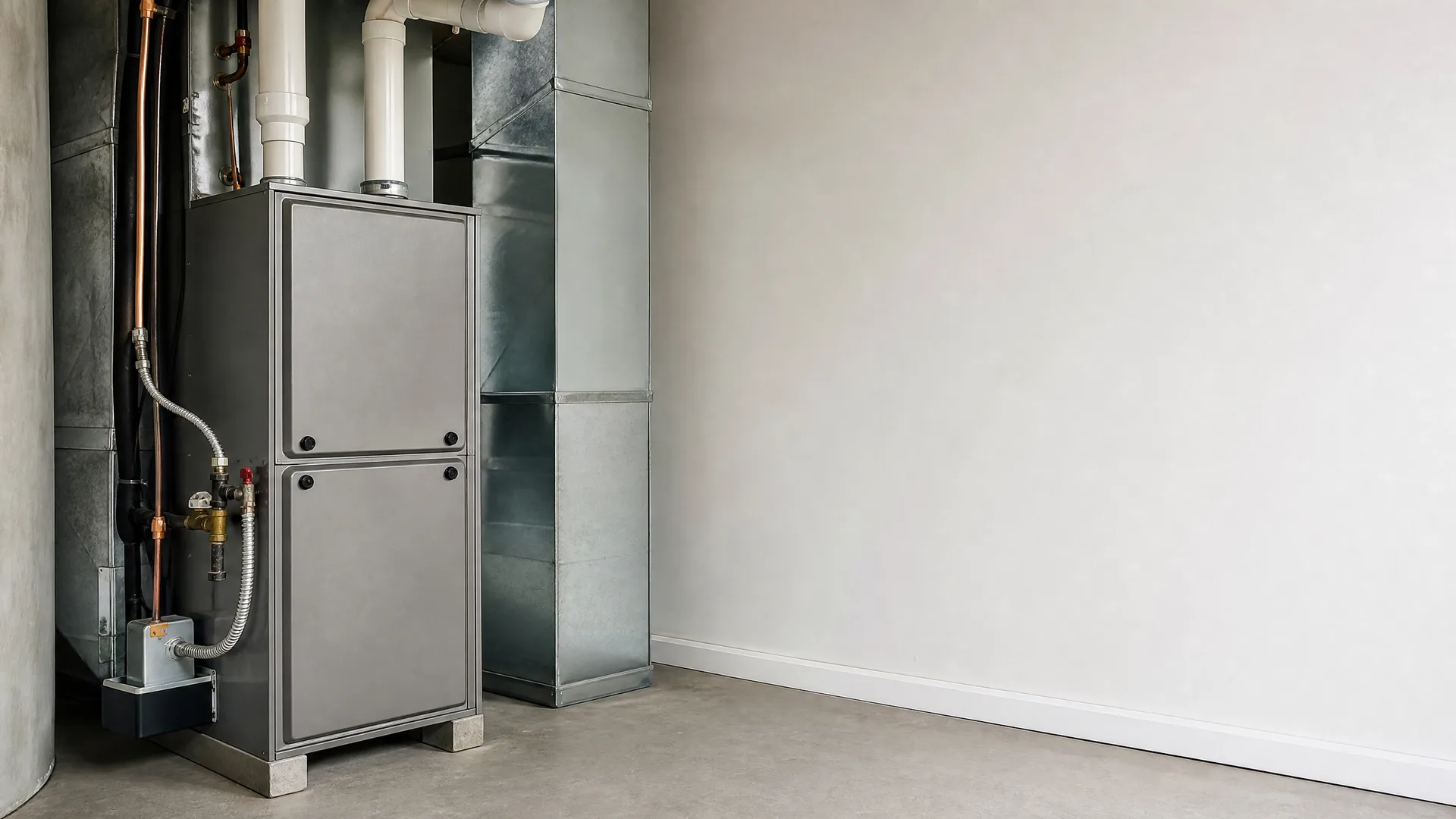
Calling around for help
Finding someone to look at a noisy furnace usually means a search, a handful of calls, and explaining the same noise to each one. Some won't pick up at night. Some will want to schedule a week out while the banging keeps happening every cycle. You end up comparing quotes without knowing if you're comparing the same job, still not sure who's actually free to come look at it.
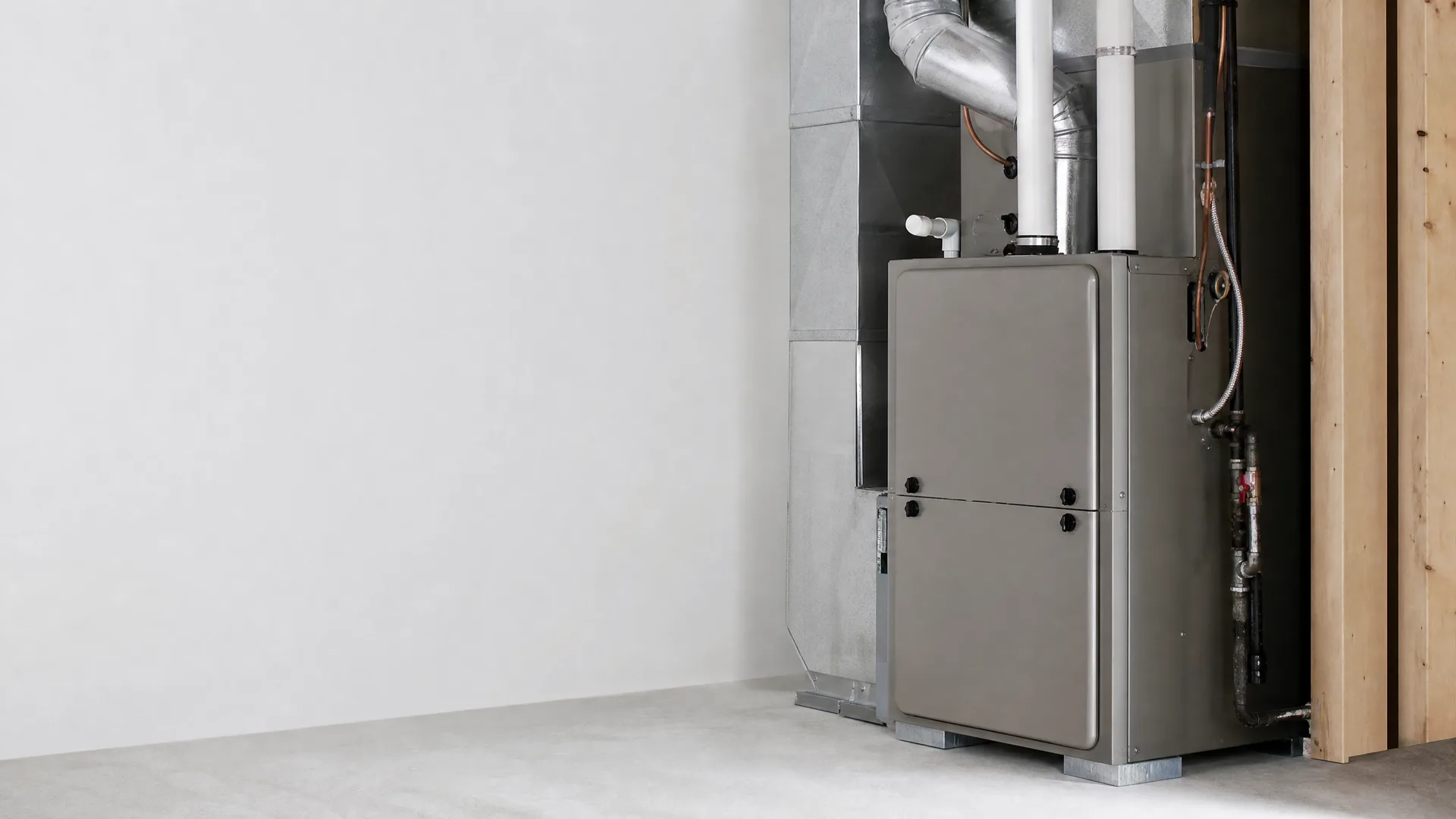
Sending the form instead
Send the form and that search is done. You're not the one calling around anymore, not the one repeating what the furnace is doing to a third person. A contractor gets matched to the job you described, and from there it's on them to reach out. The weight of sorting through who's available and who isn't is off your plate.

What the noise is telling you
A bang, a squeal, a rattle, a click. Whichever one your furnace is making, it's a part telling you it's worn, loose, dirty or out of alignment, not a sign to wait it out through a Weber County winter. At 19°F outside, the furnace isn't cycling on and off for a few minutes at a time. It's running long stretches to hold the house, and whatever's making that noise is under that same long strain every one of those stretches.
You already know not to let small problems turn into bigger ones, which is why you're reading this instead of ignoring it. The part most people get stuck on isn't the furnace, it's finding someone to look at it. That usually means a search, then calls, then explaining the same noise to whoever finally answers, then waiting on a date a week out while the sound keeps happening every night. Send the form here and that part is handled. A licensed contractor in your area gets your information and reaches out, and the searching and the explaining it again stop being your job.

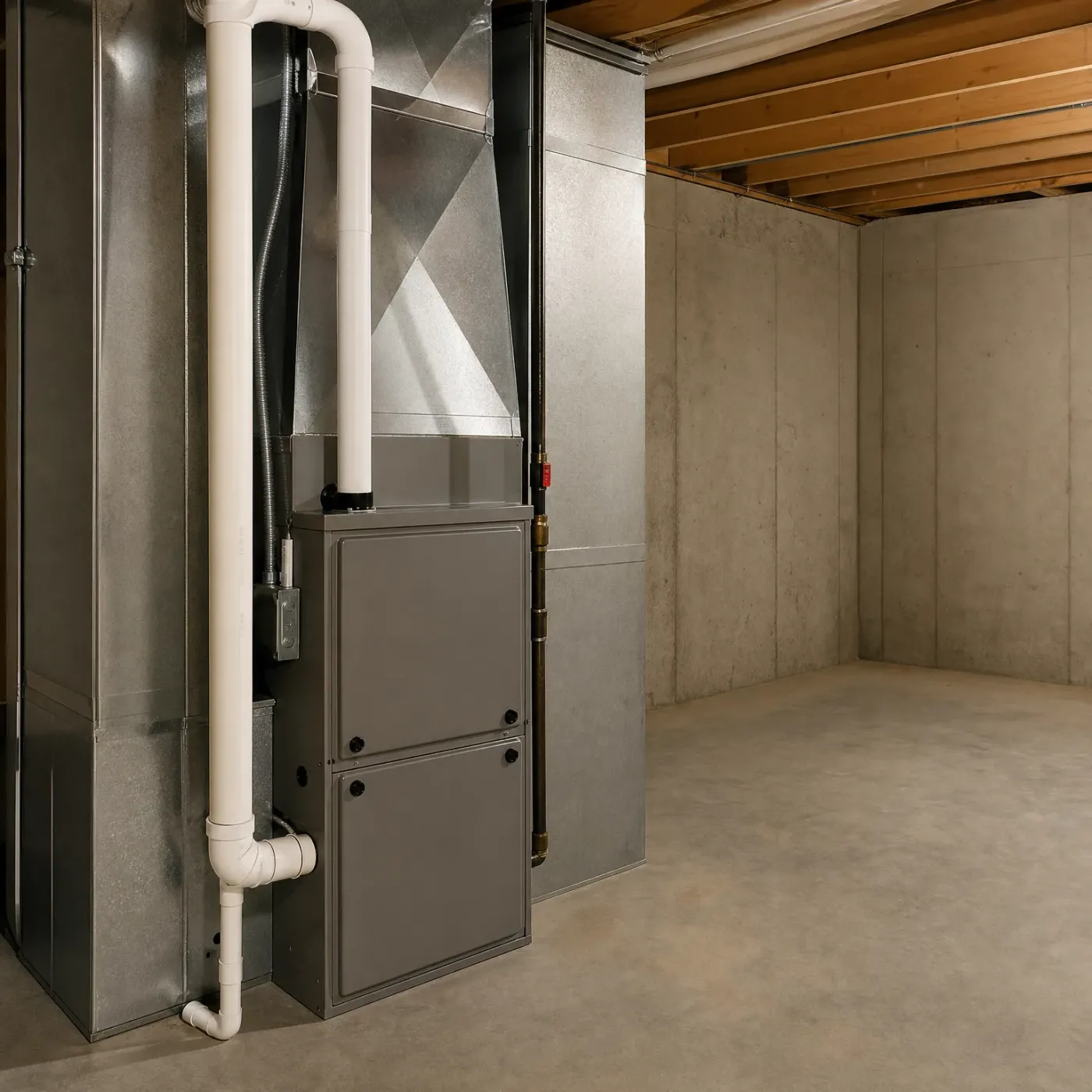
Finding a pro stops being your job
Skip calling shops to ask who repairs furnaces in Weber County.
It costs nothing to send, and you don't have to hire anyone.