One request ends the search for a heat pump installer.
Sizing a heat pump in Utah comes down to your house and the two jobs it has to do here. It has to pull moisture and heat out of dry, hot summer air, and in most homes it's backing up a gas furnace once temperatures drop. Get the size wrong and you feel it both seasons: a unit too big cools the air fast but shuts off before it pulls the moisture out, so rooms feel clammy even at the right temperature. One too small runs constantly on the hottest days and still can't keep up.
The right size isn't a number you can read off the old unit's label or guess from square footage alone. It depends on your insulation, your windows, your duct layout, how your house holds heat through a winter night and loses it on a July afternoon. That's a room-by-room calculation a contractor runs on site, not something to eyeball.
This is where most homeowners lose a weekend. Finding a contractor who'll actually come out and run that calculation instead of quoting a size over the phone, checking they're licensed to work in Utah, waiting on callbacks, explaining the same details about your house to three different companies, then trying to compare quotes that aren't even sized the same way. It's slow and it falls on you every step.
Send the form below and that part stops being your problem. You won't be the one tracking down who's available or chasing a second opinion because the first contractor wouldn't commit to a number. A licensed installer who works in your area gets the details you give here and takes it from there, measuring your home and sizing the system to it, not to a guess. The searching ends when you hit submit. What's left is the part that actually matters: getting a heat pump sized right for your house, and getting it installed.
What size heat pump do I need for my house in Utah?
You're planning ahead for a heat pump install and want to know what size fits your house before you start getting quotes. A unit that's the wrong size either won't keep up when it's 95 outside or will short cycle and leave the air damp and uneven. You want a number you can bring into that first conversation with confidence.
It's sized to your house, not a flat number
There's no single ton size that fits every Utah home. A contractor sizes your heat pump with a load calculation, which weighs your square footage, how many windows you have and which way they face, your insulation, and your ceiling height. In Utah's dry heat, a unit sized too large cools the air fast but doesn't run long enough to pull the moisture out, so rooms feel clammy even at the right temperature. Since most homes here lean on the heat pump to back up a gas furnace once it gets cold, the sizing has to work for both jobs, not just summer. Bringing someone out to measure your house and run that calculation is the only way to get a number you can trust.
Sizing comes from a load calculation
A contractor sizes your heat pump with a Manual J load calculation, not a chart based on square footage alone. That calculation accounts for your windows, your insulation, and how much sun your walls take on in the afternoon. Two houses the same size on the same street can need different tonnage. The number on the sheet is what the equipment has to match, not a guess rounded up for safety.
Oversizing costs you comfort
A heat pump too large for the house cools the air fast and shuts off before it pulls the moisture out, so the house feels clammy even at the right temperature. It also cycles on and off more, and every start and stop wears the compressor a little more than a full, steady run would. Right-sized equipment runs longer, quieter cycles, and that's what keeps the house feeling even through a dry Utah summer afternoon.
Power costs 13.02 cents per kilowatt-hour statewide
At 13.02 cents a kilowatt-hour, running a heat pump here doesn't carry the sting it does in a lot of other states. A correctly sized unit won't waste power fighting a load it was never built for, so getting the size right is what keeps that low rate working in your favor.
You could spend the next few weeks calling contractors around Utah, explaining your house to each one, waiting on quotes, and trying to tell a real Manual J calculation from a guess based on square footage. Most homeowners don't have time for that, and a sizing mistake costs you comfort on the hottest days and money every month after, even with power as cheap as it is here. Send the request once and a licensed contractor who sizes heat pumps for Utah homes picks it up, so you're not the one vetting a list or fielding five different sales calls. That's the part that stops being your job. What stays yours is deciding once you've got a real answer for your house, your furnace, and the summers you already know are hard on a system that's too small to keep up.
1
A contractor measures every room and window for heat gain
2
Insulation and duct leakage get factored into the load
3
The calculation sets a BTU number for cooling and heat pump output
4
That number determines the equipment size quoted for install
Oversized vs. Undersized
Oversized
It cools the house fast, then shuts off before it pulls the humidity out of the air, so the house still feels damp.
Short cycles like that put more wear on the compressor over the life of the unit.
It costs more to buy and install than the size your house actually needs.
In winter, it can short cycle against the gas furnace instead of running long, steady stretches.
A bigger unit won't fix a room that stays hot if the real problem is ductwork or insulation.
Undersized
It runs flat out on the hottest July and August days and still can't hold the house at the temperature you set.
It never gets a chance to rest, so the compressor logs more run hours over the year than it should.
It struggles to keep up once the furnace stops carrying the load alone in the shoulder months.
You end up setting the thermostat higher just to stop it from running constantly.
The extra run time adds to your power bill even with Utah's low rate per kilowatt-hour.
Properly matched to the load
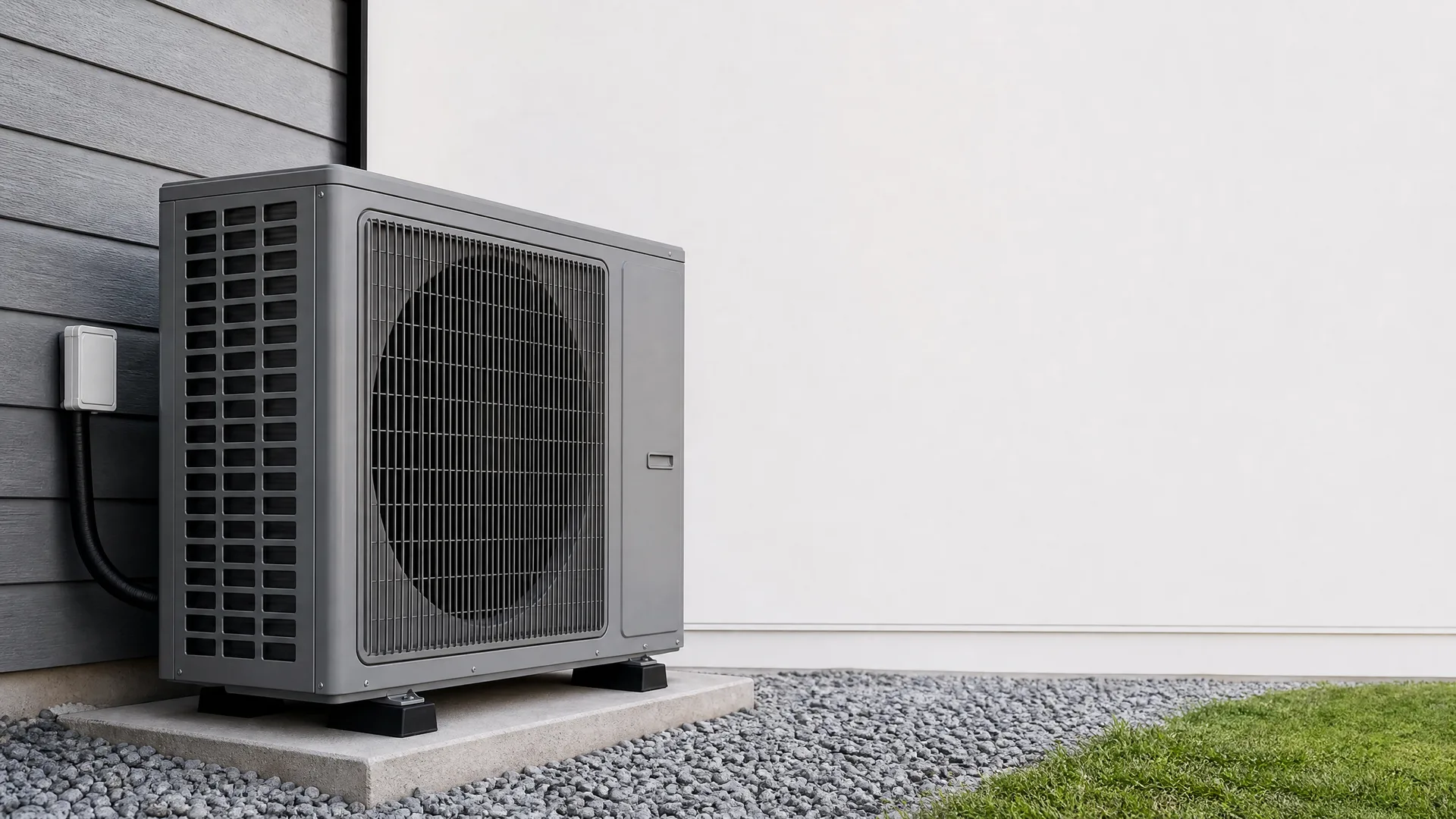
A unit sized to your house runs long, steady cycles that pull the heat and moisture out of the air before it shuts off. The yard stays tidy around it because there's nothing straining underneath. It just does the job quietly, season after season.
Fighting a load it can't handle
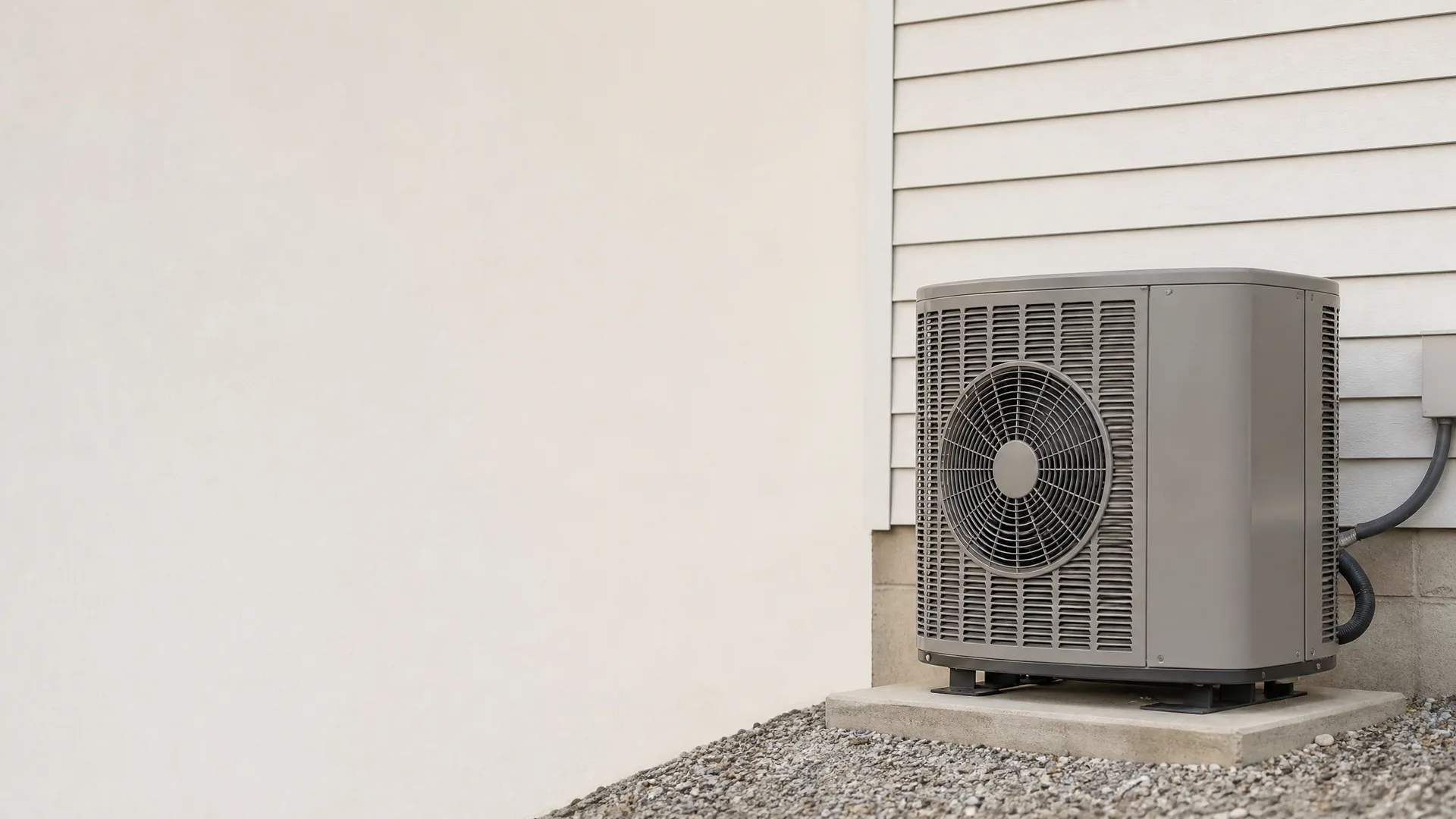
Dirt and grime build up on the fins faster when a unit is working harder than it should, cycling on and off instead of running steady. That strain shows up on the outside as much as it does on your utility bill, and it wears on the compressor over time.
The right size for your heat pump comes from a load calculation on your house, not a guess based on square footage or whatever unit the last owner had. Too big and it short cycles, leaving the house cold and clammy instead of comfortable. Too small and it can't keep up when summer gets into the 90s, and it leans harder on the furnace once temperatures drop. A contractor who measures your rooms, your windows, and your insulation and runs the numbers can tell you the BTU output your house actually calls for, and that number is what should show up on the quote. You don't have to work that out yourself or learn to spot a real calculation from a shortcut. Send the form and a contractor who sizes it properly takes that off your plate.
Heat Pump Installation
Send one request and you're done looking
Skip collecting and comparing quotes for the new heat pump.