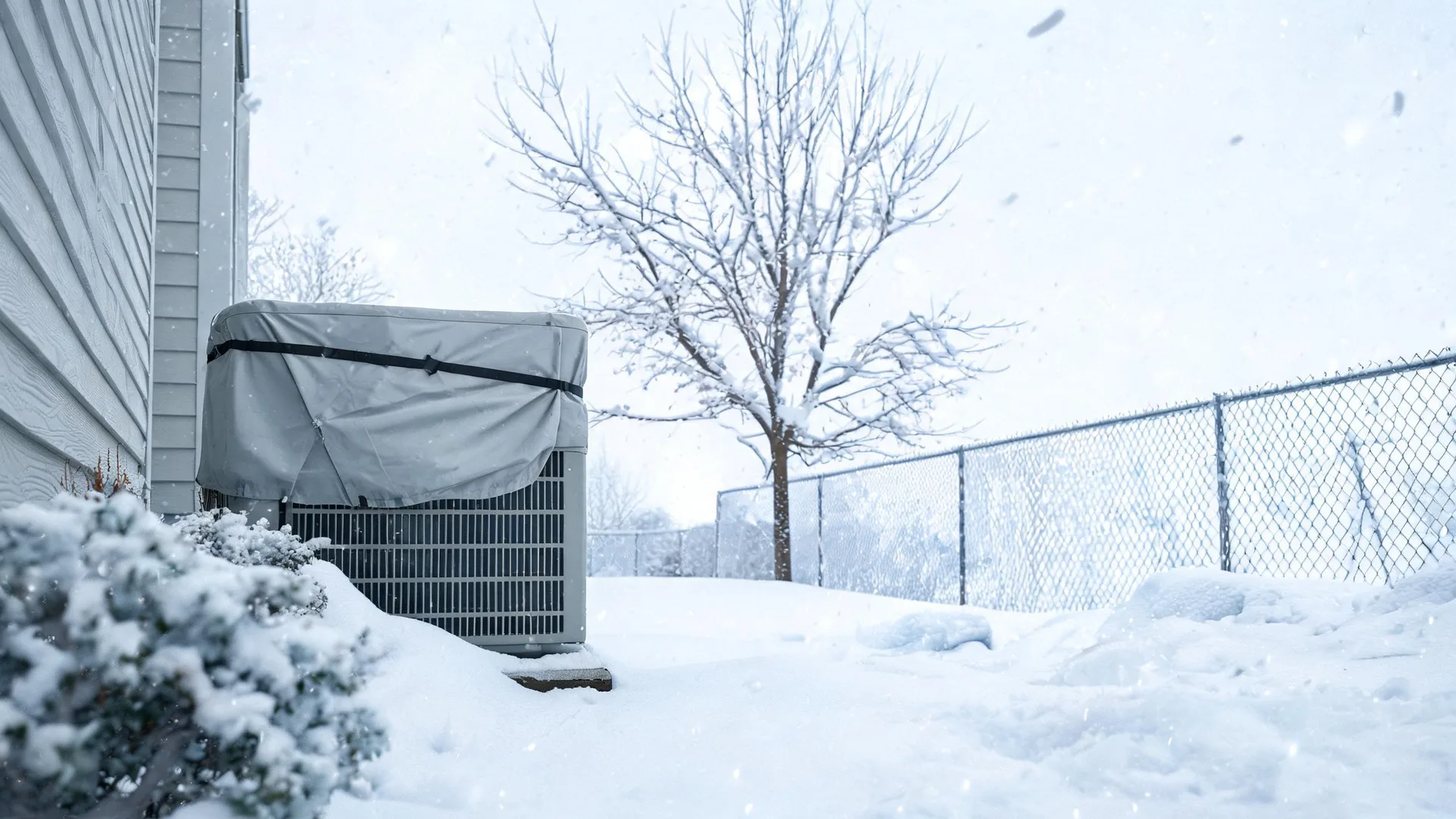
Electricity already heats most homes here
Electricity heats 42.0% of occupied homes in Garfield County, more than any other fuel. A heat pump fits that setup since it runs on the same electric service already in place.
Takes about a minute. No obligation.
Electricity heats 42.0% of occupied homes in Garfield County, more than any other fuel. A heat pump fits that setup since it runs on the same electric service already in place.
If your home already heats with electricity, a contractor can often size the heat pump against the existing electrical capacity rather than adding new fuel lines or venting. That's one less thing to plan around.

NOAA nClimDiv, 1991–2020 normals
Utah homes paid 12.22 cents per kilowatt-hour in 2024.
A standard heat pump sized right for the house keeps that cost in check without paying for capacity this home doesn't need.



September is the last easy window before heat season starts here. Heat runs October through May, eight months out of the year, so a heat pump put in during September gets tested by mild weather first, not a cold snap. Cooling only runs June through August, and it barely taxes the unit compared to the stretch that follows. Install in September and there's no rush, no waiting on parts while the house goes without heat. Wait until the first cold week and you're choosing a system under pressure instead of on your own schedule.
Garfield County falls under zone 5B, a cool climate where heating carries the bigger load. Split-system heat pumps built from 2023 on have to meet 14.3 SEER2 for cooling and 7.5 HSPF2 for heating to be sold at all, so that floor is already built into what a contractor can install. A federal tax credit is available on top of that for units that qualify.
Find a contractor
A heat pump that's too big cools the house fast and shuts off, so it never runs long enough to pull moisture out of the air. One that's too small runs flat out on the coldest days and still can't keep up, leaning hard on backup heat to close the gap. Getting the size right means working out how much heat the house loses in winter and gains in summer, room by room, through the walls, the windows, the roof, not just going by square footage. A contractor works that load calculation against the compressor's output at the temperatures this place actually sees, since a heat pump's capacity drops as the air outside gets colder. Size it to that, and the unit runs long, steady cycles instead of short bursts, which is what actually wears a compressor down over the years.
A heat pump that connects to ducts already in good shape is a different job than one where the ducts leak, run undersized, or aren't there at all. A contractor has to check static pressure and duct condition before quoting, because pushing a heat pump's airflow through the wrong ducts means poor performance no matter how good the unit is.
In a cold climate, most heat pumps need a backup heat source for the days the compressor can't keep up on its own. Whether that backup already exists, needs wiring for an electric strip, or needs a separate furnace tied in changes what the install involves well beyond the outdoor unit itself.
When you're comparing quotes, ask each contractor what the other unit's heating capacity is at the coldest temperatures this place sees, not just at the standard rating point. Every heat pump loses capacity as the air outside gets colder, but the rate varies a lot between models, and that number tells you how hard the backup heat will have to work. Ask what refrigerant it uses too, since that affects both long-term availability of parts and how the manufacturer rates efficiency. Ask for the sound rating on the outdoor unit if it's going somewhere you'll hear it. And ask what the warranty actually covers, parts or labor or both, because a compressor swap years out costs a lot more in labor than in the part itself.
Install day starts with the outdoor unit and the indoor coil, and a contractor has to match those before anything else happens. The outdoor unit goes on a pad. The refrigerant lines run from there to the indoor coil, and the system ties into the ductwork or the air handler depending on what kind of setup it is. The electrical work runs alongside that, a dedicated circuit sized for the compressor and a disconnect box within reach of the outdoor unit. Once the lines are run, they get pressure tested for leaks before any refrigerant goes in. After that the lines get evacuated to pull moisture and air out, since either one left behind will wear on the compressor. Only then does the system get charged, and a contractor checks that charge against what the manufacturer specifies for that line length rather than just topping it off. The last step is running the system in heating and cooling both, checking airflow at the vents, and confirming the thermostat actually calls on backup heat the way it should.