



What winter here does to a heat pump
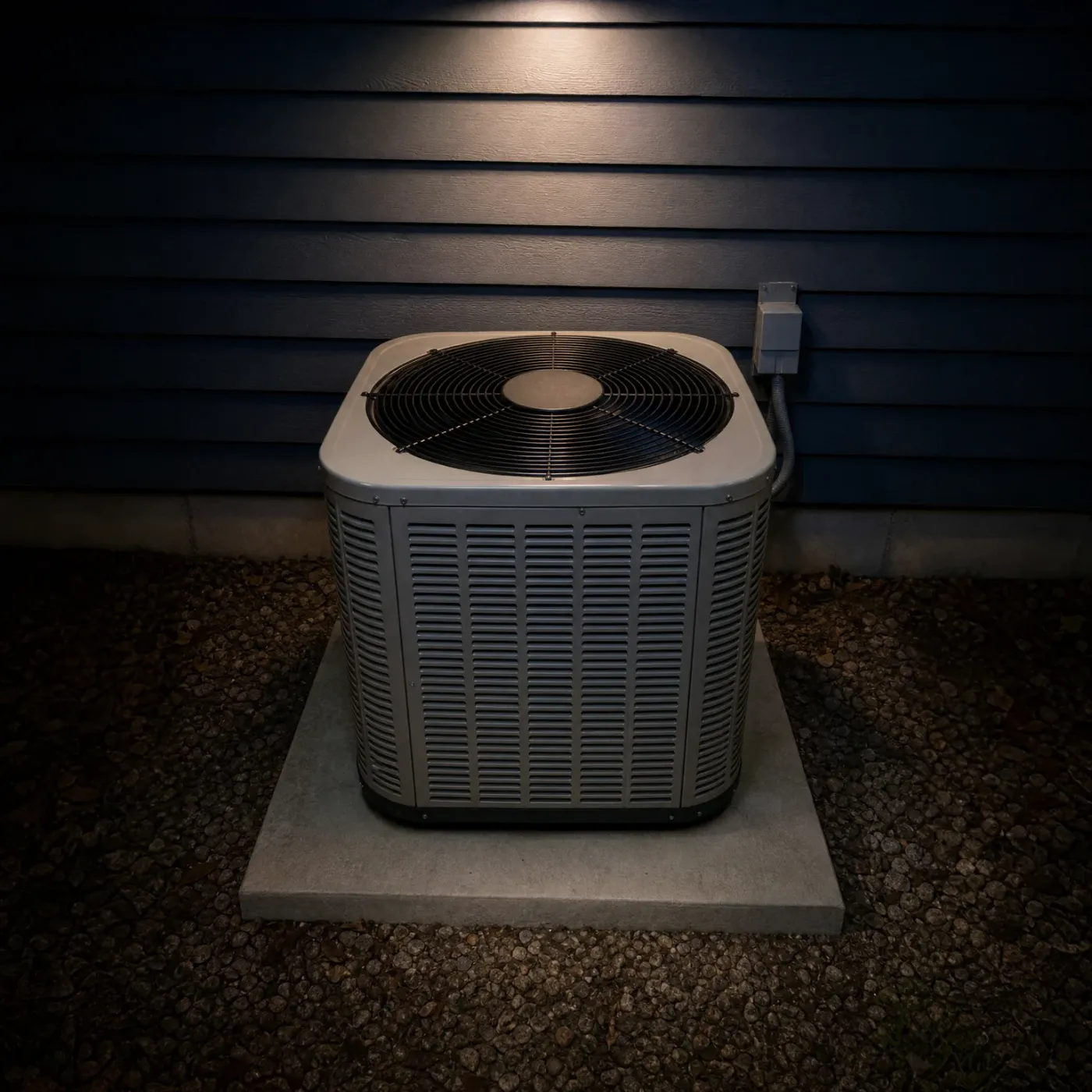
Your winter low here averages 20°F, and the heat runs eight months a year, October through May. That matters because a standard heat pump starts losing capacity below 40°F and often needs backup heat below about 35°F. Twenty degrees is under both marks. So is almost every night you'll actually be heating with it.
Of the roughly 245 nights in that eight month stretch, about 220 drop to freezing or below. That's not the occasional cold snap, that's most of the season. A standard heat pump spends most of its working life here below the point where it runs at its full rating.
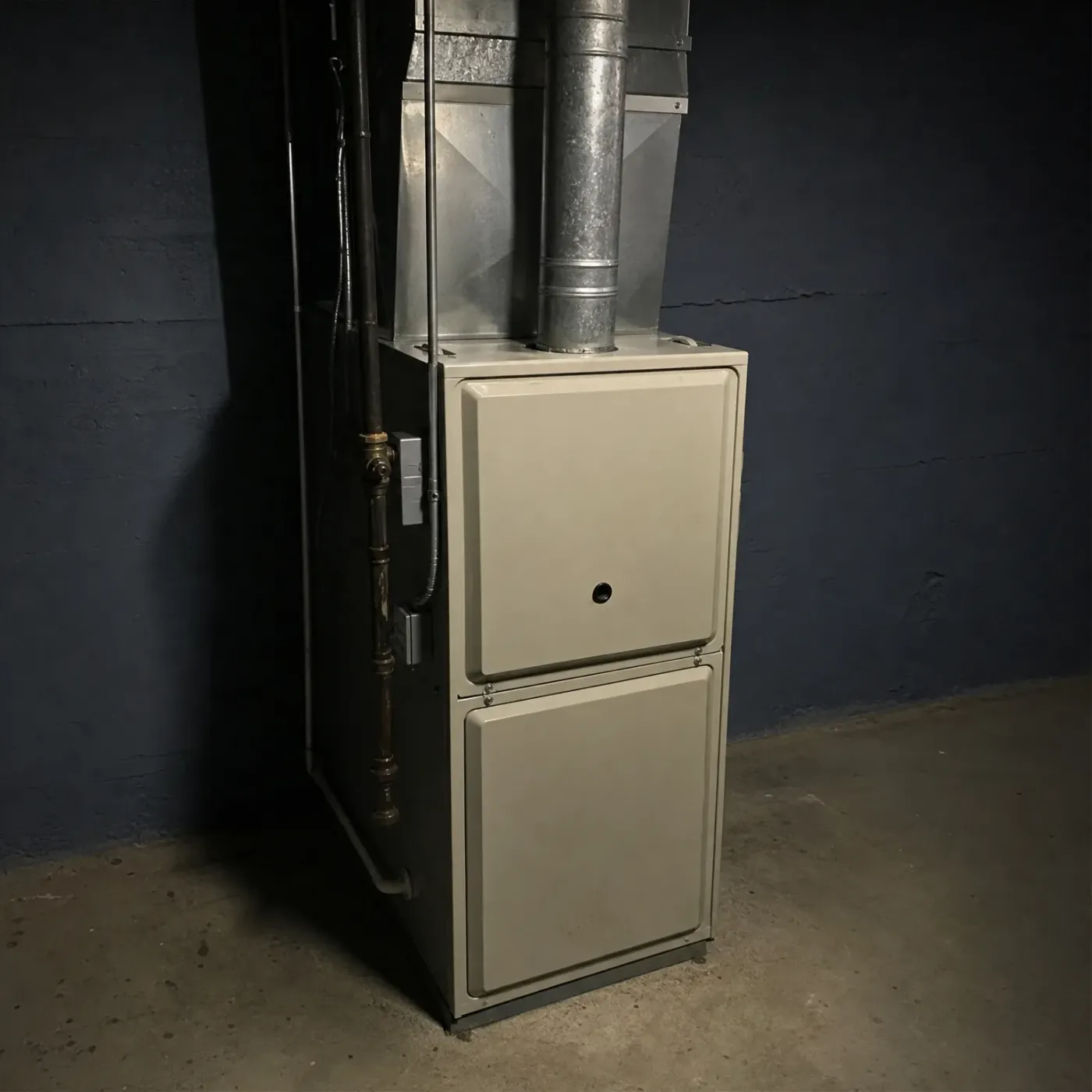
The cost numbers above assume a heat pump at the federal minimum, with nothing added for the backup heat it needs on those nights. Add that in and running a standard heat pump here costs more than the $1.63 figure shows. A gas furnace keeps its output in cold weather the way a heat pump doesn't, which is why the card above calls out strong, steady heat in hard cold.
There's a real exception to this. A heat pump built and certified for cold climates has to prove it still makes at least 1.75 units of heat per unit of electricity at 5°F, and holds onto most of its 47°F capacity at that temperature, tested by a third party, not claimed by the maker. In field tests of these units, backup heat covered only a small share of the load between 0°F and 35°F, and running on backup alone was rare even above 0°F. Nineteen nights a year here reach 0°F, a small fraction of the 220 that freeze. If you're looking at a heat pump for this county, that's the spec to check for, not just the price tag.