





Split firewood stacked against the dark vertical board siding of a house, beside a gravel strip, an outdoor air conditioning unit, dry grass and pine trees.

Furnace Installation in Panguitch, UT

Tell us about the job

Takes about a minute. No obligation.

New system or replacementFurnace or heatingGarfield County, UT
Step 1 of 2

What ZIP code is the job in?

Electricity in Utah ran $35.80 per million Btu in 2024. That number matters if you're heating with an electric furnace, because every bit of efficiency you buy upfront keeps showing up on your bill for as long as the system runs. A furnace that wastes less power costs less to run every single winter, not just the first one. Worth asking any contractor what efficiency rating you're actually getting before you decide.

8 months
October through May, your furnace is on duty
20°F
the average winter night it heats against
80% AFUE
the federal minimum any new unit must meet
Isometric line illustration of a cutaway single-story house with a shingled roof, showing an interior furnace connected to ductwork and a tall vertical flue pipe, plus simple furniture in the adjacent room.
Your furnace works hardest from November through March.

NOAA nClimDiv, 1991–2020 normals

Furnaces in Panguitch start running in October.

Have a new one in before September ends, so it's not getting sized up on the coldest night of the year.

Most homes near Panguitch heat with electricity, so an electric furnace is the easy match

42% of homes heat with electricity
Heat runs October through May
Winter nights average 20°F
A furnace that earns its keepHeat runs eight months a year here, October through May, with overnight lows averaging 20°F in January.

A furnace that's too big for the house will short cycle, kicking on, blasting heat, and shutting off again before it ever runs a full cycle. That wears out the parts faster and leaves rooms uneven, hot near the furnace and cold at the far end of the house. Too small, and it runs nonstop trying to keep up on the cold nights and still falls short. Getting the size right starts with a load calculation, not a guess based on the old unit or the square footage alone. A contractor works through the walls, the windows, the ceiling height and how the place is laid out to figure the actual heat loss, then matches a furnace to that number. Ask whether that calculation gets done before you buy, not after.

Get the efficiency rating locked in before it's installed

At $35.80 per million Btu, the rating on the furnace you choose is what you'll live with every winter it runs. Ask the contractor for the number in writing before you sign off on the install.

Find a contractor
A gas furnace with attached ductwork, gas piping, and condensate lines installed in a concrete-block basement.

The old furnace doesn't just unplug

Pulling the old furnace out is its own job, separate from setting the new one in. A tech disconnects the gas line, the vent, and whatever ductwork ties into the cabinet, then checks what's underneath it, the floor, the platform, the surrounding framing, for damage the old unit might have hidden or caused over the years it sat there. Old ductwork sometimes gets reused, sometimes doesn't fit the new furnace's airflow and has to be modified. The vent is worth a close look too, since a furnace sized differently from the one it replaces can need a different vent setup to draft properly. None of this is optional work tacked on to pad the job. It's what keeps the new furnace from inheriting problems that had nothing to do with it.

The ductwork decides more than the furnace does

If the existing ducts are undersized or leaky, a contractor has to fix or replace sections before the new furnace can move air the way it's rated to. A furnace matched to bad ductwork never performs like the number on the box.
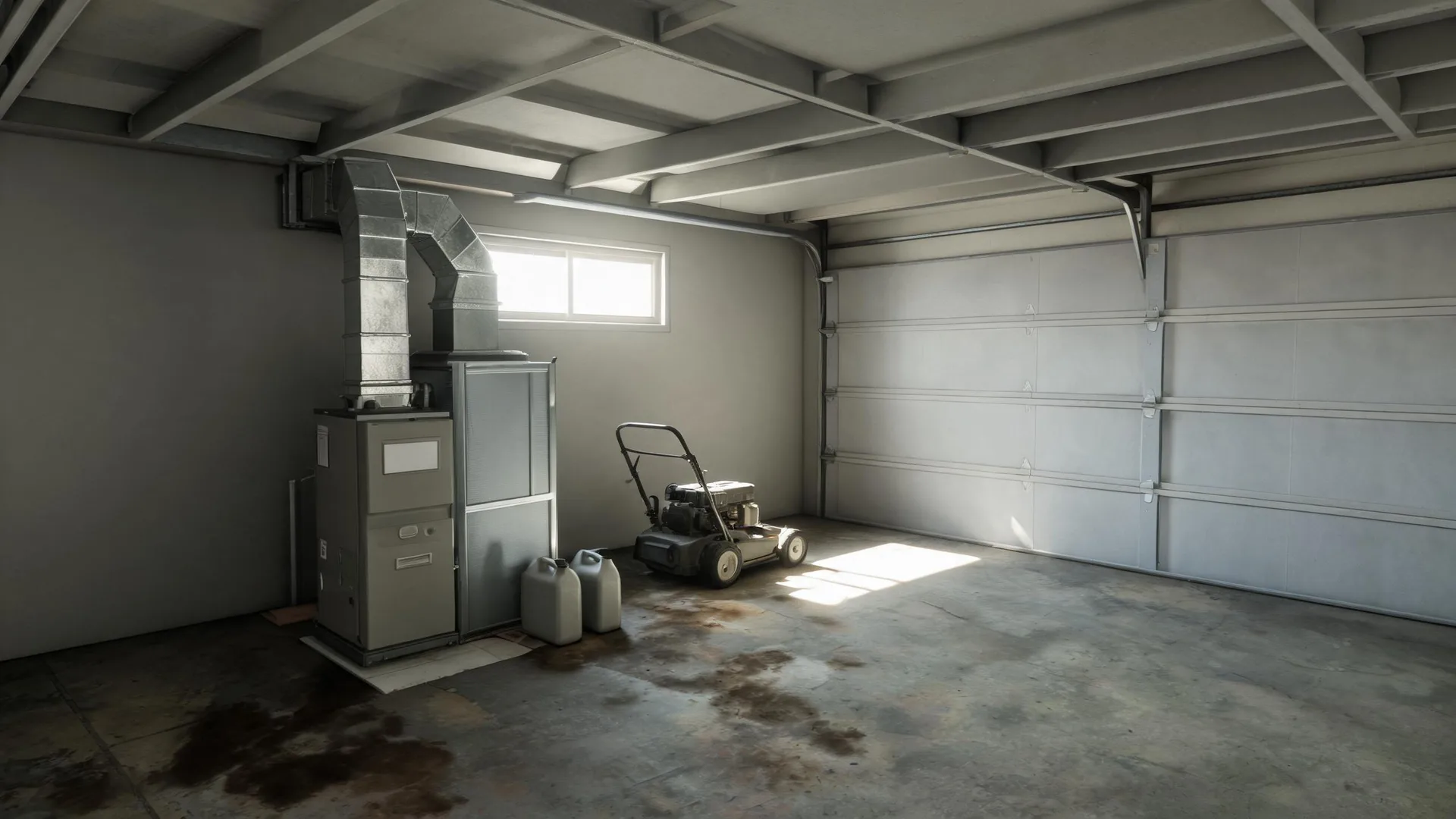
The vent and gas line aren't always a straight swap

A furnace with a different efficiency rating than the old one often drafts differently, which can mean new venting material or a different run entirely. The gas line gets checked too, since it has to match what the new furnace actually needs to fire correctly.

The efficiency rating on the label is the share of fuel that actually turns into heat for the house. Whatever doesn't make that conversion goes out the vent instead of into the rooms. A furnace with a higher rating condenses the exhaust to pull extra heat out of it before it leaves, which calls for a different vent material and a drain line to carry off the condensation that forms. That's hardware, not just a sticker number, and it's part of what a contractor is pricing when they quote the install. The rating only describes what happens inside the cabinet. It won't tell you how the furnace performs if it's the wrong size for the house, or if the ducts carrying that heat are leaky or undersized. Those get fixed separately, and they matter just as much to what you feel in the rooms.

Install day starts with the old furnace coming out, so the new one usually isn't fired up first thing in the morning. Once it's set in place, the tech runs the gas line, connects the vent, and ties in the ductwork, checking every joint before any of it gets sealed up. The gas line gets pressure tested before the furnace ever lights, since a leak found after the fact means pulling connections apart again. When it's ready to fire, the tech runs it through a full cycle, checking the flame, the temperature rise through the plenum, and the airflow at the registers. That's also when the thermostat gets set up and walked through, since a new furnace sometimes pairs with new controls. Nothing gets called finished until it's run long enough to prove it holds steady, not just started once and left.