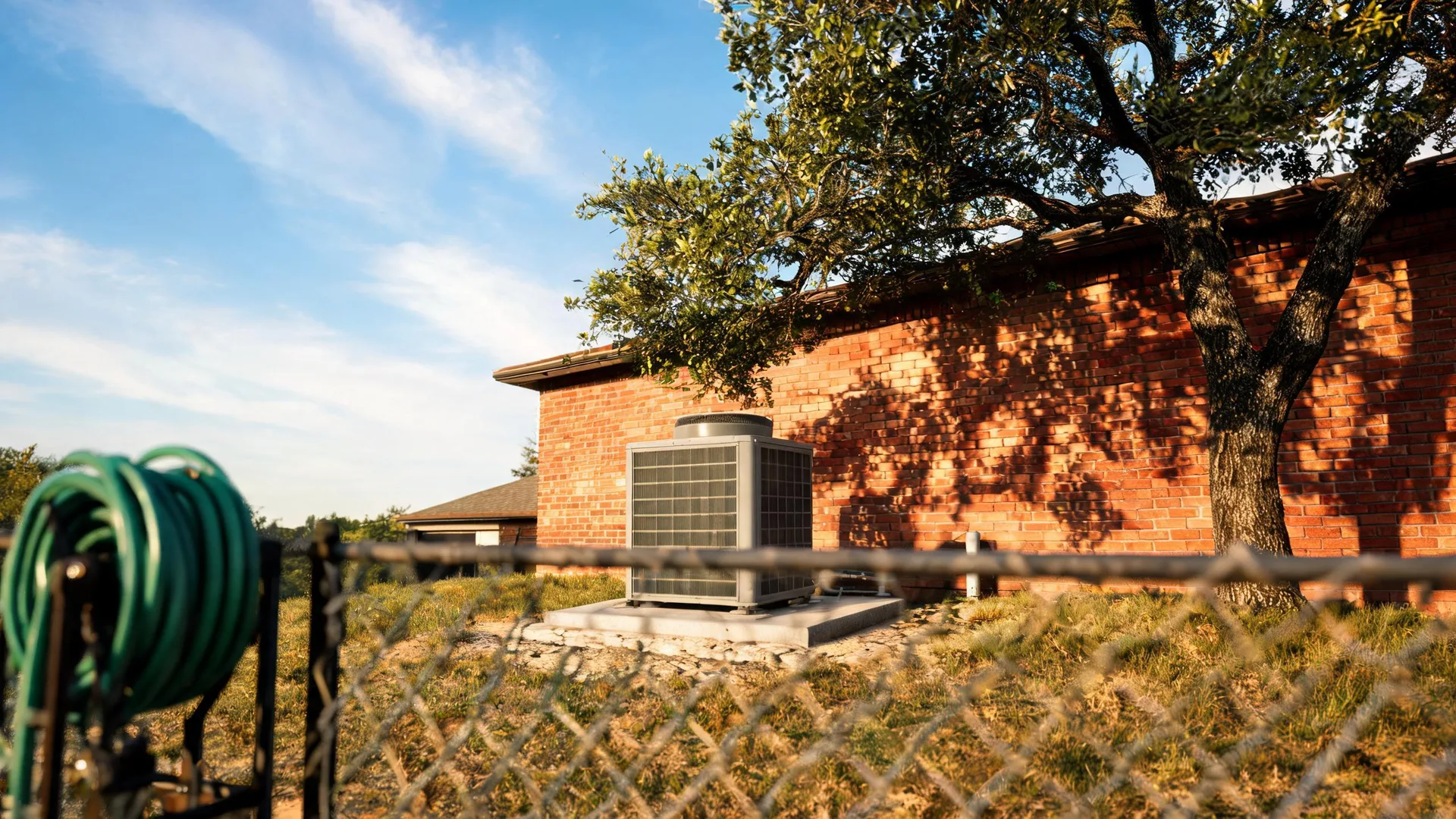
Most homes here run on propane
Propane heats 54.2% of occupied homes in Daggett County, more than any other fuel. A tank out back feeding a furnace is the common setup in Manila.
Takes about a minute. No obligation.
Propane heats 54.2% of occupied homes in Daggett County, more than any other fuel. A tank out back feeding a furnace is the common setup in Manila.
A heat pump installation here is likely swapping out propane heat rather than matching an existing electric system. That changes what the contractor needs to check, from the ductwork to the electrical panel, before sizing the new equipment.
Heat in Manila runs from September through June.
August is the one month to get a heat pump installed before the system has to work.



Half the homes in Daggett County were built in 1979 or earlier. A house that age usually has ductwork sized for the propane furnace it came with, not for a heat pump. Heat pumps move more air at lower temperatures than a gas furnace does, so a contractor needs to check whether the existing ducts can handle that before picking the equipment. Mobile homes make up a large share of the housing here too, and those come with their own duct and electrical setup that a standard install plan does not always account for. None of this means more work for every house. It means the ductwork gets checked before anything gets sized.
Zone 6B sets the floor for cooling and heating efficiency on any split-system heat pump installed here, and every unit made since January 2023 is built to clear it. That narrows what a contractor will bring you to equipment rated for this climate, not a stripped-down model meant for a milder zone.
Find a contractorThe old furnace does not stay as a backup. A contractor disconnects it, caps the gas line feeding it, and takes the furnace out along with the propane tank if it is owned rather than leased. Ductwork usually stays, but only after it is checked, since a heat pump moves air differently than a gas furnace did. The thermostat gets swapped too, since the old one was built to run a gas furnace, not a heat pump. None of this is quick work to rush between cold mornings. A contractor doing it right wants the old system fully out and the new one tested before the house has to rely on it.
SEER2 and HSPF2 compare how much heat a unit moves against how much power it draws, tested under set conditions. A higher number means the equipment is built to do more with less electricity. It does not tell you what the house will actually use, because that depends on the ductwork, whether the unit is sized right, and how the installation is done.
SEER2 covers cooling, HSPF2 covers heating. A gas furnace only ever moved heat one direction, so it never carried a rating like the heating one. A heat pump does both jobs in one unit, so both numbers matter, not just the one a shopper is used to looking at from the air conditioner side.
Ask what happens when the temperature drops outside. Every heat pump loses some capacity in the cold, and the question is what picks up the slack. Some systems rely on electric resistance strips inside the air handler, which work fine but cost more to run than the heat pump itself. Others are built to keep pulling heat from outside air down to a much lower point before backup heat ever kicks in. Ask for the capacity at low outdoor temperatures, not just the rating at mild conditions, since that number is what tells you how the house gets heated on the coldest night of the year, not just an average one. Ask too how the backup heat is controlled, because a thermostat set wrong will run the expensive strip heat far more than it needs to.
Sizing a heat pump isn't a guess based on square footage. A contractor works out a room by room heat loss and heat gain calculation, looking at window area, insulation, ceiling height, and how much sun a wall takes on through the day. Too big and the unit short cycles, meaning it blasts the house to temperature and shuts off before it finishes pulling moisture out of the air, so the house feels clammy even when it's cool enough. Too small and it runs flat out on the coldest and hottest days without ever catching up, leaning harder on backup heat than it should. The load calculation also catches what a simple swap misses, since a heat pump handles humidity and low temperature differently than the gas furnace or straight AC it's replacing. Get the number right and the equipment matches the house, not the other way around.