Heat pump vs furnace in Daggett County, Utah

Quote Both Systems

Serving Daggett County homes

A person's hand adjusts a round thermostat on a dark blue-gray wall, with a living room and an open tool bag visible in the background.

Tell us about the job

Takes about a minute. No obligation.

New system or replacementDaggett County, UT
Step 1 of 3

What kind of equipment?

Which costs less to run in Daggett County?

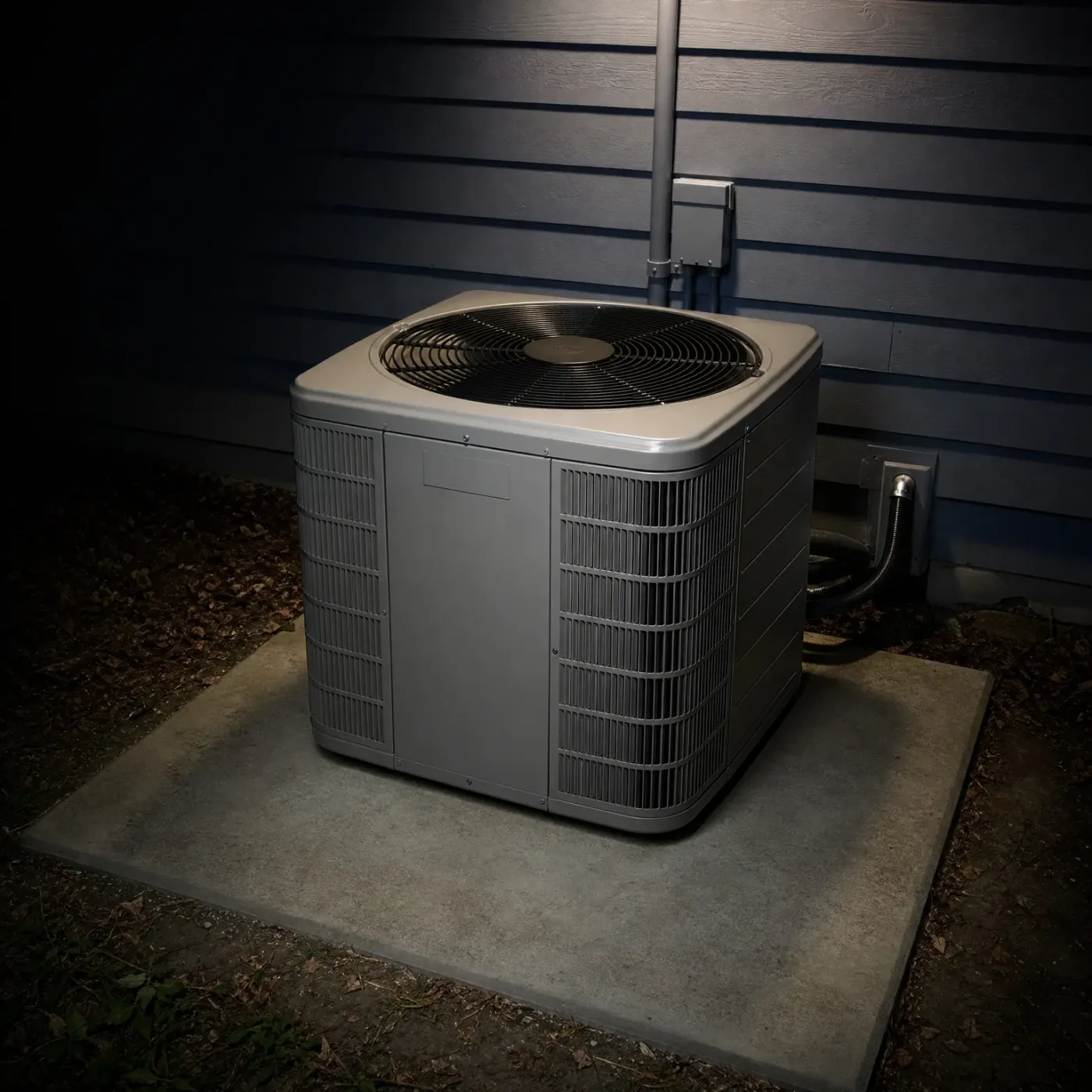
A gray outdoor air conditioning condenser unit on a concrete pad beside a dark horizontal-lap sided house at night, with a conduit, electrical box, and refrigerant lines running into the wall.

Heat pump

To heat your home here$1.63per 100,000 Btu

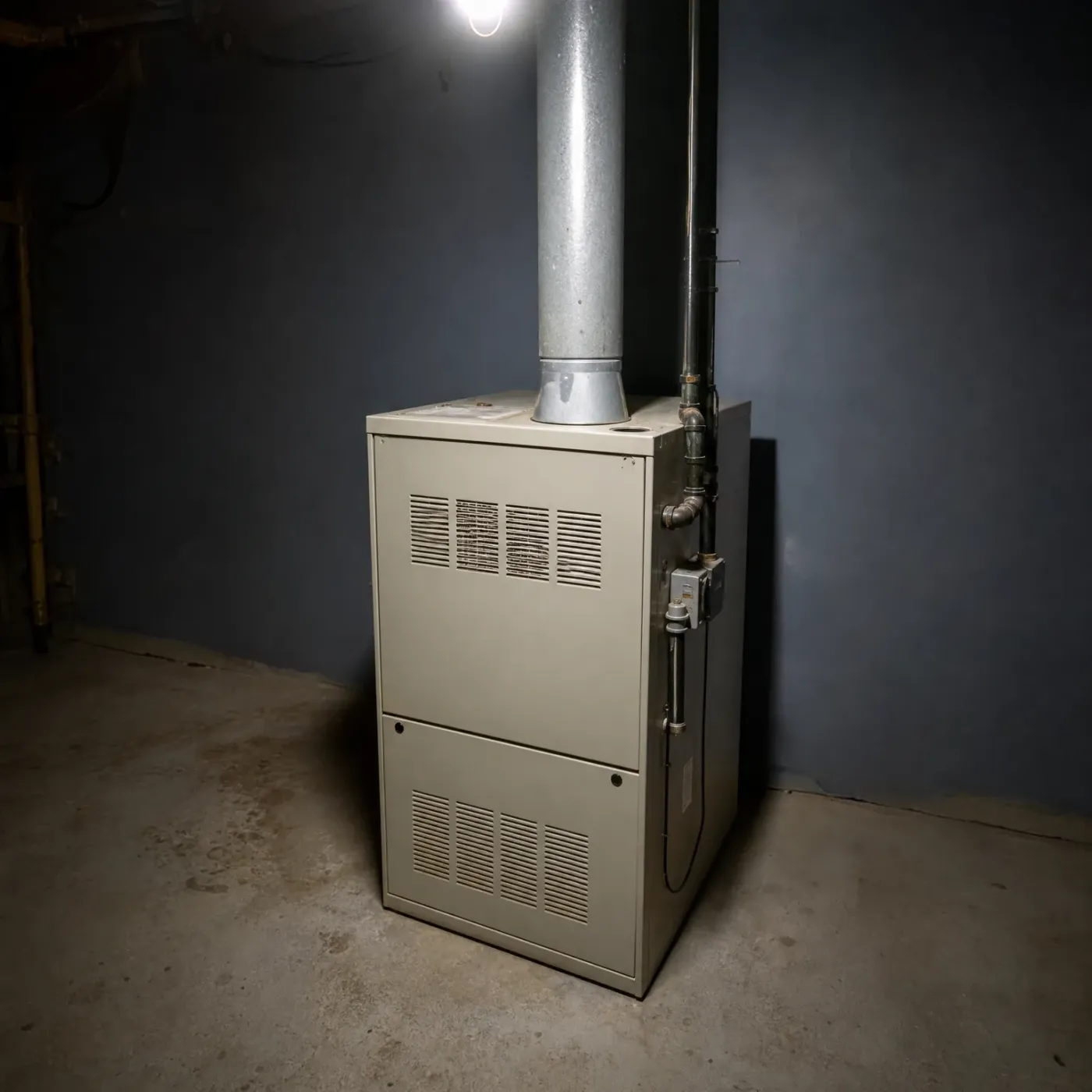
A beige residential furnace with louvered front panels stands on a concrete basement floor against a dark gray wall, with a metal flue pipe rising from its top and gas piping along its right side.

Furnace

To heat your home here$1.57per 100,000 Btu

At Utah's gas and electricity prices, a heat pump and a gas furnace cost about the same to run here.

Btu stands for British thermal unit, the standard measure of heat energy.

Where does a heat pump shine?

  • Steady, even comfort

    It eases up and down with the weather. There are fewer swings between too warm and too cool.

    A golden retriever sleeps on a woven rug in a dimly lit living room with a lit wood stove, an armchair with a throw and open book, a table lamp, bookshelves and a window.
  • Heats and cools in one system

    A heat pump runs the same way all year. It pulls heat into the house in winter and pushes it out in summer.

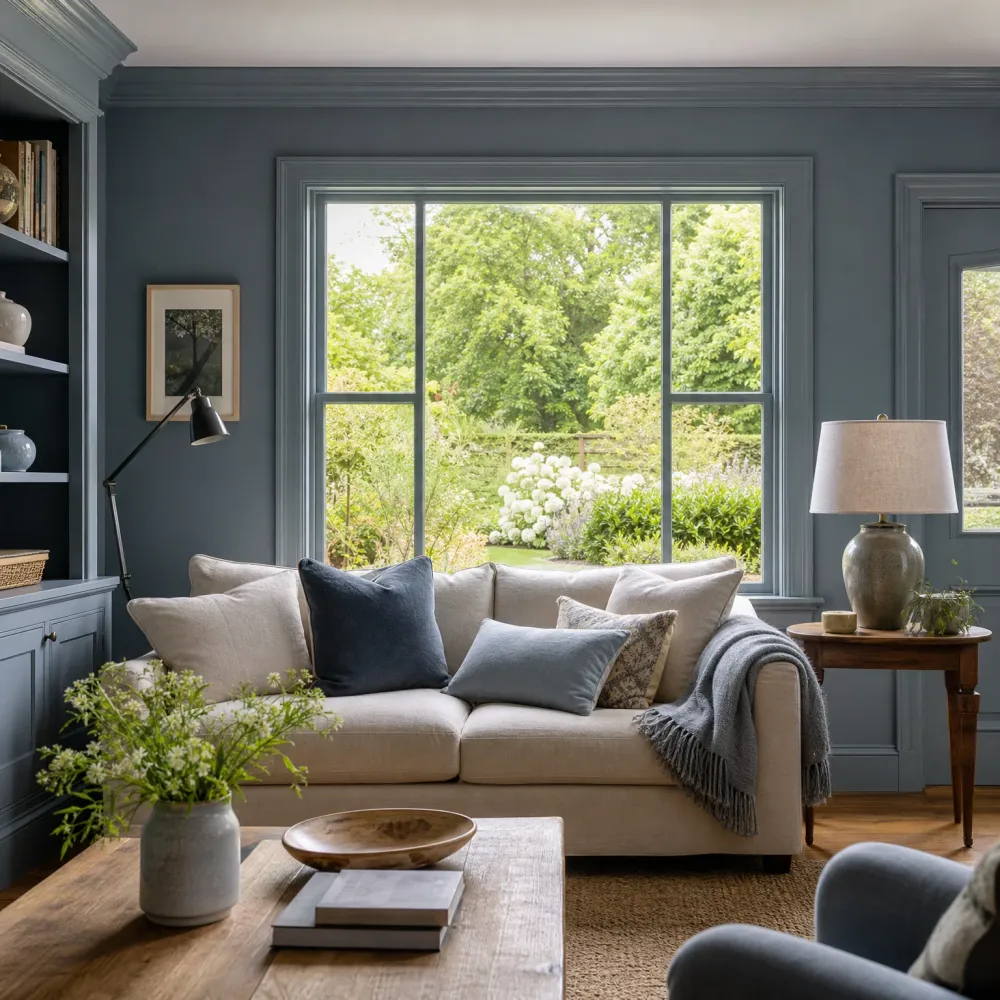
    A living room with blue-grey walls, a cream sofa with blue and patterned cushions and a grey fringed throw, a large window showing a green garden, a table lamp on a round wooden side table, built-in shelving, and a wooden coffee table with a bowl, books and a vase of white flowers.
  • No gas line, nothing burning in the house

    There's no gas line to the unit and no flame anywhere in it. Carbon monoxide isn't part of the picture.

    A kitchen with light blue upper cabinets, dark navy lower cabinets and island, white subway tile backsplash, a stainless kettle on a cooktop, a wooden bowl of lemons on the island, and three gray upholstered stools with wooden legs.

Where does a furnace shine?

  • Strong, steady heat in hard cold

    Winter nights here average 12°F, and a furnace is built to push through that kind of cold without losing ground. The air coming out of the vents stays just as hot no matter how far the temperature drops outside.

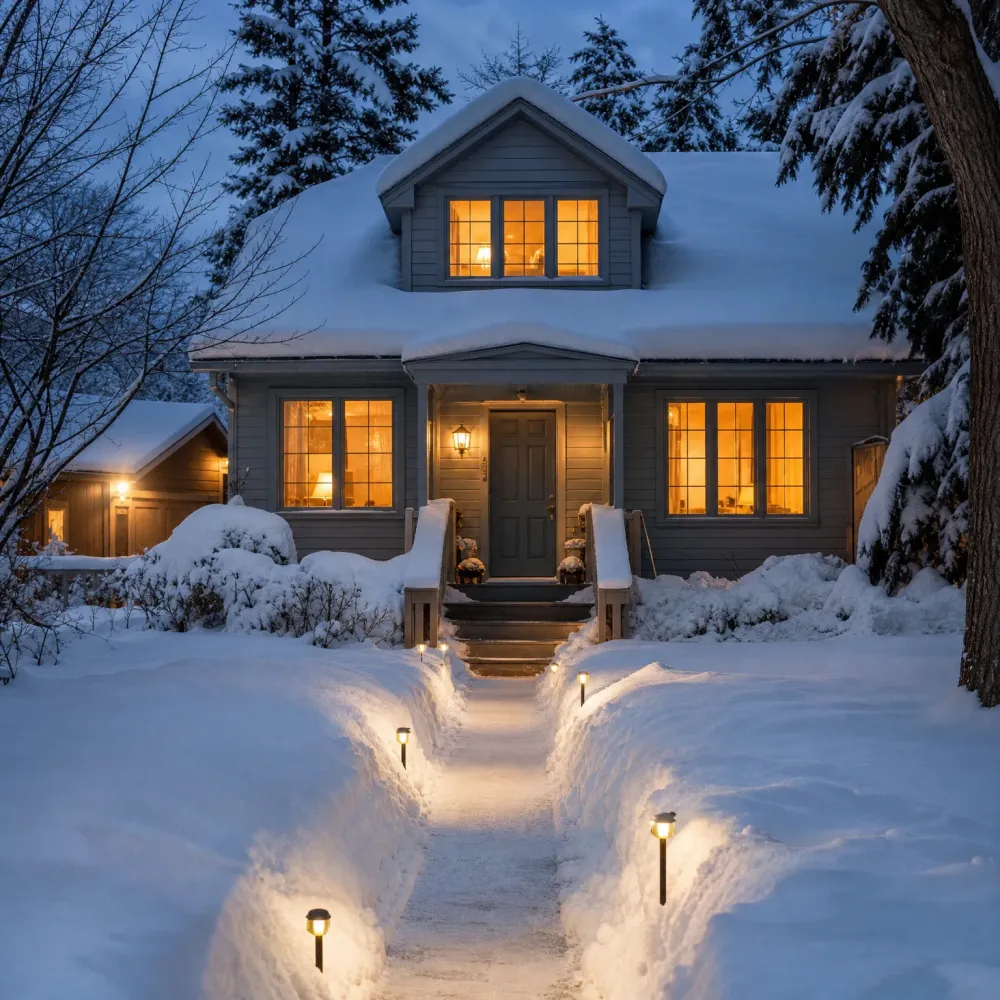
    A gray clapboard house with lit windows and a dormer at dusk, with a shoveled path lined by small solar lights leading through deep snow to the front steps, conifers and bare trees nearby.
  • Fast, strong heat on demand

    Turn the heat up and the furnace answers right away. There's no long wait for the house to catch up.

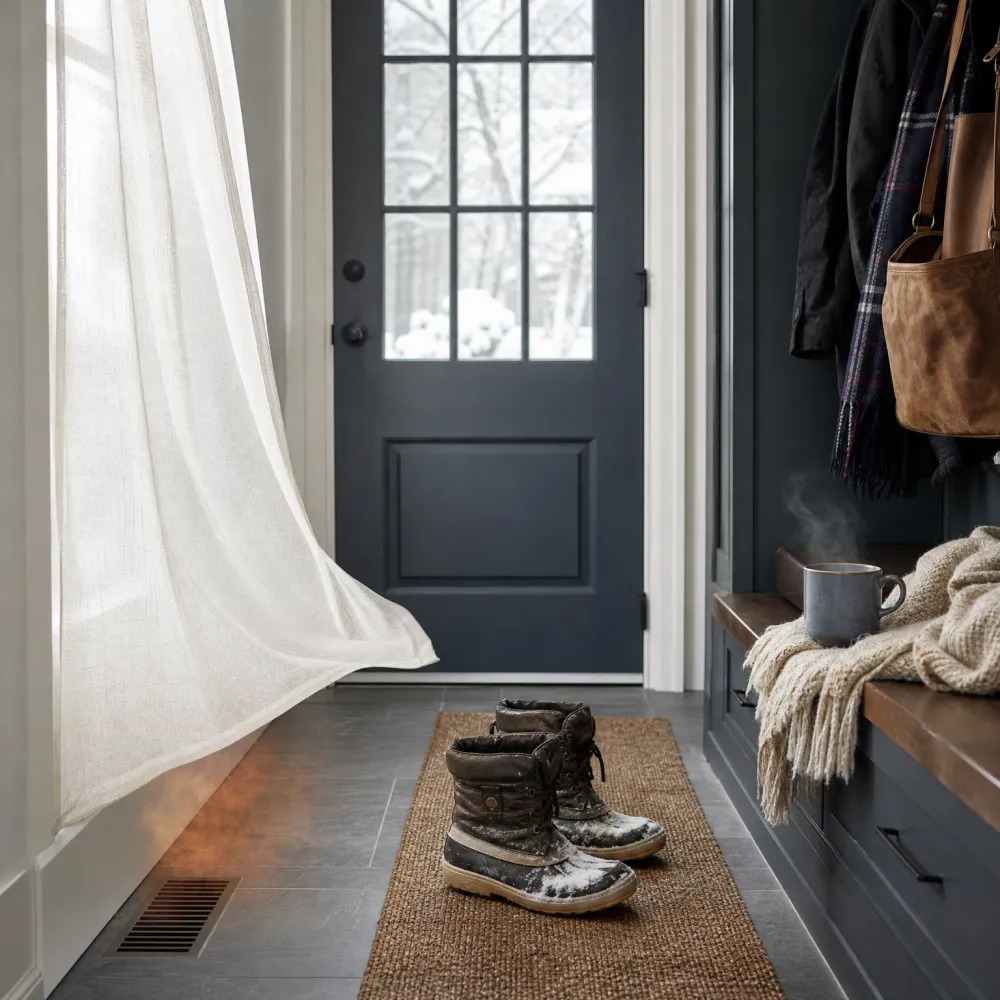
    Entryway with a dark paneled door with glass panes showing snow outside, snow-dusted boots on a woven jute runner, a floor air vent at left beneath a sheer white curtain, and a wooden bench with a knit throw and steaming mug beside hanging coats and a tan bag.
  • Pairs with any central AC

    Most central air systems are built around a furnace. The two share the blower, the ducts and the thermostat.

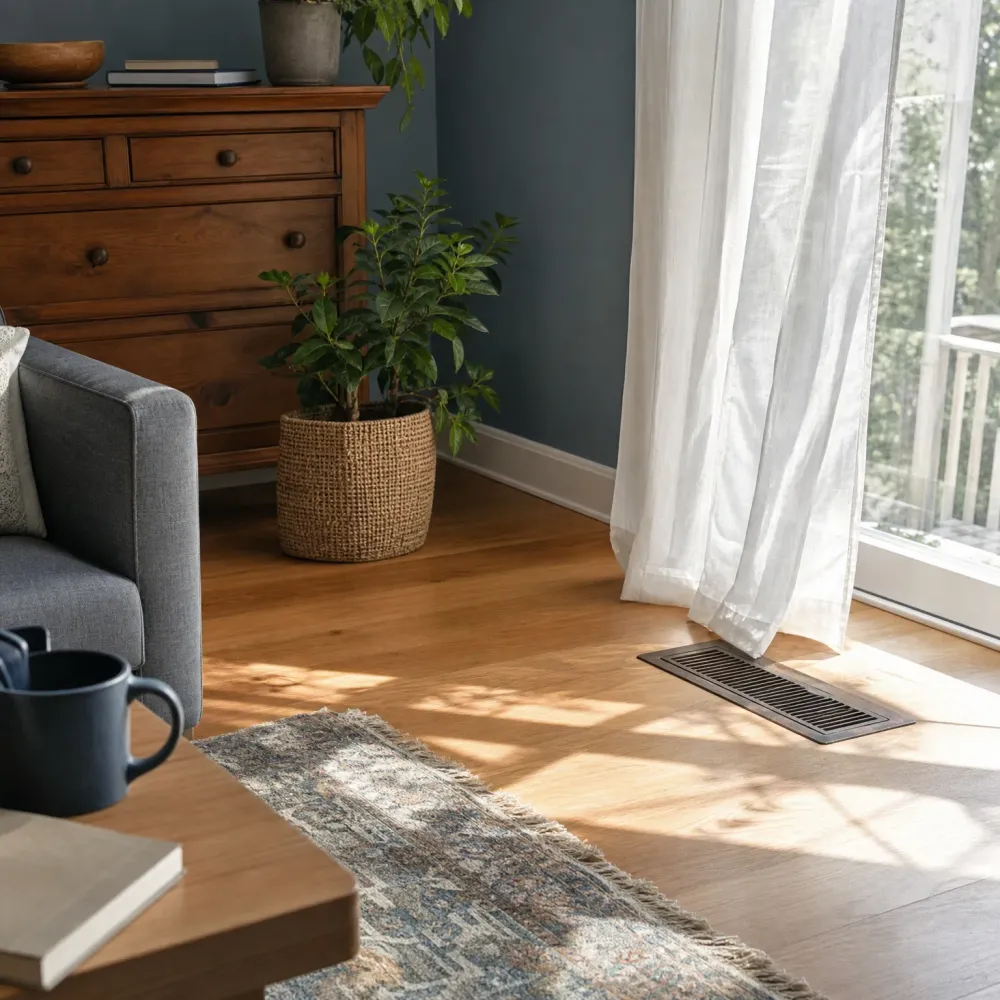
    Sunlit living room corner with wood flooring, a floor air vent near a glass door with white sheer curtains, a wooden dresser, a potted plant in a woven basket, a gray armchair, a patterned fringed rug, and a dark mug and book on a wooden table.

Why the cold here changes the math

Winter in Daggett County is long and it is hard. The heat runs ten months a year, September through June, and the overnight low averages 12°F across December, January and February. About 190 nights a year drop to freezing or below, more than half the nights the heat is running at all. Fourteen of those nights hit 0°F or colder.

A standard heat pump starts losing ground before the cold gets anywhere near that. Below 40°F it puts out less heat than its rating says. Below about 35°F it usually needs backup heat to keep up. Twelve degrees, the average winter low here, is well past both marks. So is every single night at or below freezing. That is not an edge case in Daggett County. That is most of the winter.

A cold-climate heat pump, the kind certified to ENERGY STAR's cold-climate standard, is built for exactly this. To earn that label it has to deliver real heat at 5°F, not just limp along, and hold onto most of its capacity at 47°F. Field tests of prototype cold-climate units in occupied homes found backup heat carried only a small share of the load between 0°F and 35°F, and running on backup alone was rare even above 0°F. A standard heat pump was not tested to that standard and should not be assumed to perform like one here.
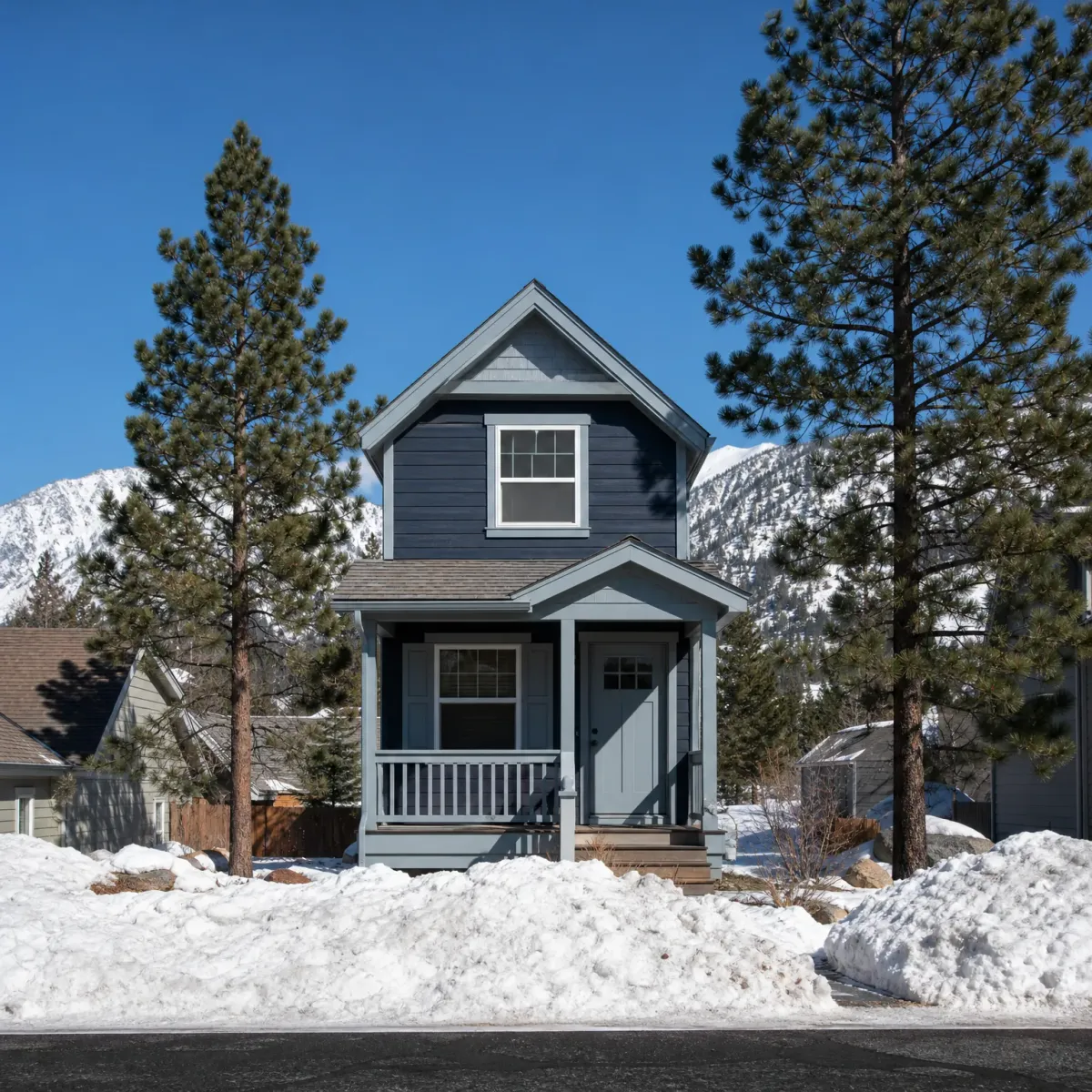
A small two-story dark blue house with a covered front porch and gabled roof, flanked by tall pine trees, with snowbanks in the foreground and snow-covered mountains behind under a clear blue sky.

What it costs to run, and what already heats these homes

At Utah's average prices, a heat pump and a gas furnace cost about the same to run here, $1.63 against $1.57 per 100,000 Btu. That is close enough that running cost alone will not decide this for most people. The furnace is slightly cheaper, and it has an advantage the number does not show: it holds that output no matter how cold the night gets, while a standard heat pump's output is already falling at 12°F.

Propane heats 54.2% of homes in Daggett County, a little over half, far above the 2.6% that burn it statewide. That matters because propane is the most expensive of the three fuels here, $25.36 per million Btu against $12.55 for natural gas. A home on propane heat should weigh that cost directly against a heat pump's $1.63, not against the cheaper furnace figure, which assumes natural gas.

A furnace only heats. For the two months a year it is not needed here, it does nothing, and a separate air conditioner has to cover the summer. A heat pump heats and cools from the same system, though with no real cooling season in Daggett County, that side of it has little to do here either way.

Sources: NOAA nClimDiv · NOAA 1991–2020 seasonal normals · PNNL Building America guide · PNNL-37127 field study · ENERGY STAR product criteria · EIA SEDS 2024 · 10 CFR 430.32 · Census ACS 2020–2024

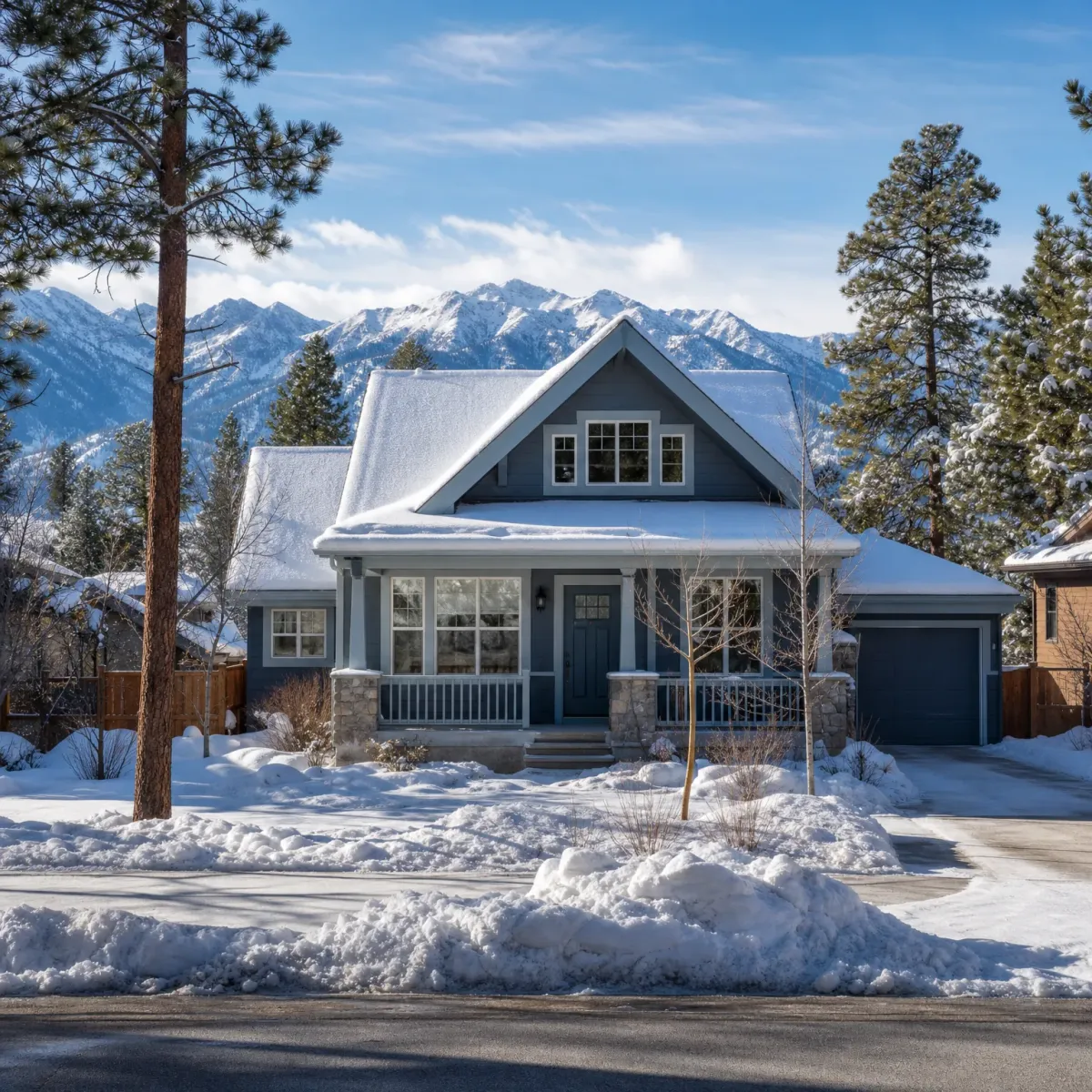
A blue-gray gabled house with a covered porch, stone column bases and an attached garage stands behind snow-covered ground, with pine trees and snowy mountains in the background.

Common questions about heat pumps and furnaces

  • Can a heat pump heat a house through a Utah winter?

    Yes, but not on its own on the coldest nights. The overnight low here averages 12°F in December, January and February, and a standard heat pump's output falls short of its rating below 40°F and keeps dropping from there. On the roughly 190 nights a year that fall at or below freezing it is working below its rating, which is why it is paired with a backup heat source for the hardest cold.

  • Do I need backup heat with a heat pump here?

    Yes. A standard heat pump often needs backup heat once it is below about 35°F outside, and here the winter overnight low averages 12°F, with about 190 nights a year at or below freezing. A cold-climate model closes some of that gap, built to hold at least 70 percent of its heating capacity down to 5°F, but on the coldest of your roughly 14 nights a year at 0°F or below, backup heat is still what's carrying the house.

  • What if my house heats with oil or propane?

    Propane heats more than half the homes here, so you are not starting from gas. A heat pump replaces an oil or propane furnace the same way it replaces a gas one, by moving heat instead of burning fuel, and it would also give you central air, which neither oil nor propane heat does. Propane itself runs $25.36 per million Btu, well above both gas and electricity, so switching off it is worth pricing out on its own.

  • Is a heat pump cheaper to run than a furnace in Daggett County?

    No, a gas furnace runs slightly cheaper here: $1.57 per 100,000 Btu against $1.63 for a heat pump. That's close enough that it isn't the deciding factor on its own, and it doesn't include what a heat pump adds by cooling the house too, since there's essentially no cooling season here to weigh against it. The furnace's edge comes down to Utah's gas price against its electricity price, not anything about your house.