Propane runs $25.36 per million Btu here
Utah homes paid that for propane in 2024. If your furnace runs on propane instead of natural gas, that number matters more to you than almost anything else about the unit.
Takes about a minute. No obligation.
Utah homes paid that for propane in 2024. If your furnace runs on propane instead of natural gas, that number matters more to you than almost anything else about the unit.
A furnace with a higher AFUE turns more of that propane into heat instead of losing it out the flue. On a fuel this priced, the difference between a mid-efficiency and high-efficiency furnace shows up on every bill for as long as you own it.

NOAA nClimDiv, 1991–2020 normals
Half the homes in Daggett County were built in 1979 or earlier.
A furnace going into a house that old has to match the ducts and the gas line already there, not just the room it heats.




Ask about AFUE before anything else on the spec sheet, if propane is what feeds this furnace. That rating is what decides how much of your $25.36 per million Btu turns into heat instead of going out the flue. Ask the contractor to run the actual numbers for the models they're quoting, not just the sticker price. A higher AFUE unit usually costs more up front, but on propane that priced, the gap shows up fast on the bills that follow. Some high-efficiency furnaces also need a condensate line and a different vent than the one already in the wall, so ask what else changes along with the unit.
Heat in Daggett County runs from September through June, ten months of the year. August is what's left. Replacing the furnace before September means the work happens on a day you pick, not the first cold morning the old one won't fire.
Find a contractorBefore the contractor quotes a unit, have them walk the house first. The duct sizes, the vent, the gas line running to where the furnace sits now. Half the homes here were built in 1979 or earlier, and that layout was sized for a furnace from that era. The one you're about to put in may need something different. A high-efficiency furnace especially can need a new vent and a condensate line the old setup never had. None of that shows up on a spec sheet. It shows up when someone checks.
A furnace warranty usually splits the parts from the labor, and they often run different lengths. Some warranties also require the unit to be registered within a set window after install, or the coverage drops to a shorter default term. Ask whether the warranty follows the unit or follows the original owner, since that matters if you ever sell the house.
A single-stage furnace runs at full output every time it fires. A staged or modulating furnace can hold at a lower output most of the time and only push to full output in the coldest stretches, which means steadier heat and less cycling on and off. Ask which type each quote is for, since furnaces with the same AFUE rating can behave very differently once installed.
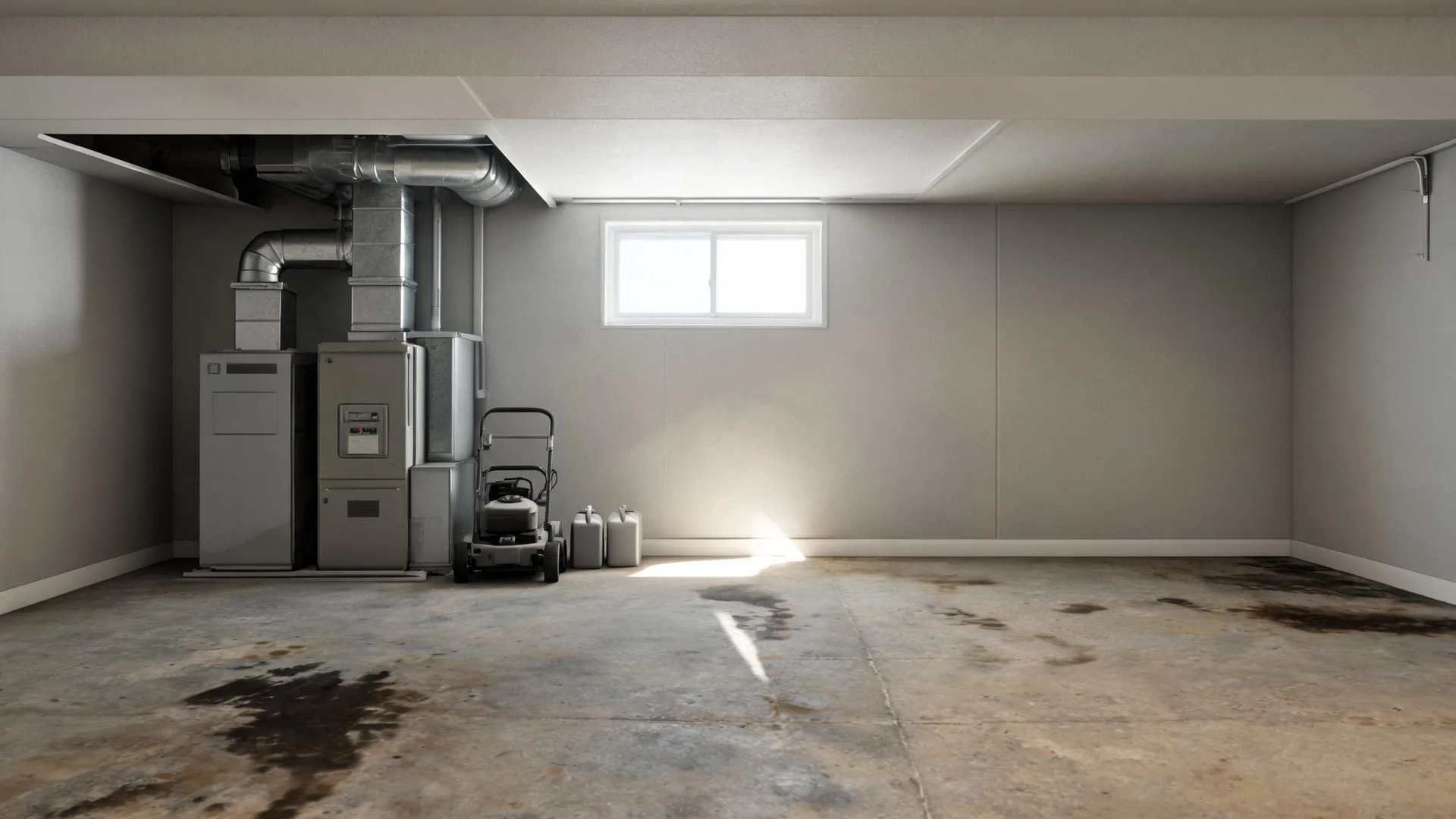
The old furnace comes out before the new one goes in, not after. A contractor will shut off the gas line first, then disconnect the vent and the ductwork from the cabinet. If the line runs propane, it gets capped off rather than left open to the old connection point. The furnace itself is mostly steel, so it gets hauled off as scrap rather than left in the basement or the closet it came out of. Anything that only worked with the old unit, like a vent pipe sized for a different venting style, should come out with it instead of staying connected to nothing.
Once the old furnace is out, the new one gets set and leveled before anything gets connected. The gas line, the vent and the ductwork all have to line up with where this unit's connections actually sit, which isn't always identical to the old one even if it's a similar size. The vent gets run and sealed, the gas line gets connected and checked for leaks before it's ever turned on. Electrical comes next, tying the furnace into the thermostat wiring and power. Only after all of that is buttoned up does the contractor fire it and watch it run through a full cycle, checking that the flame looks right and the system shuts off the way it should. A combustion analyzer gets used to check the exhaust before the job is called finished, not just a visual check that it's running.