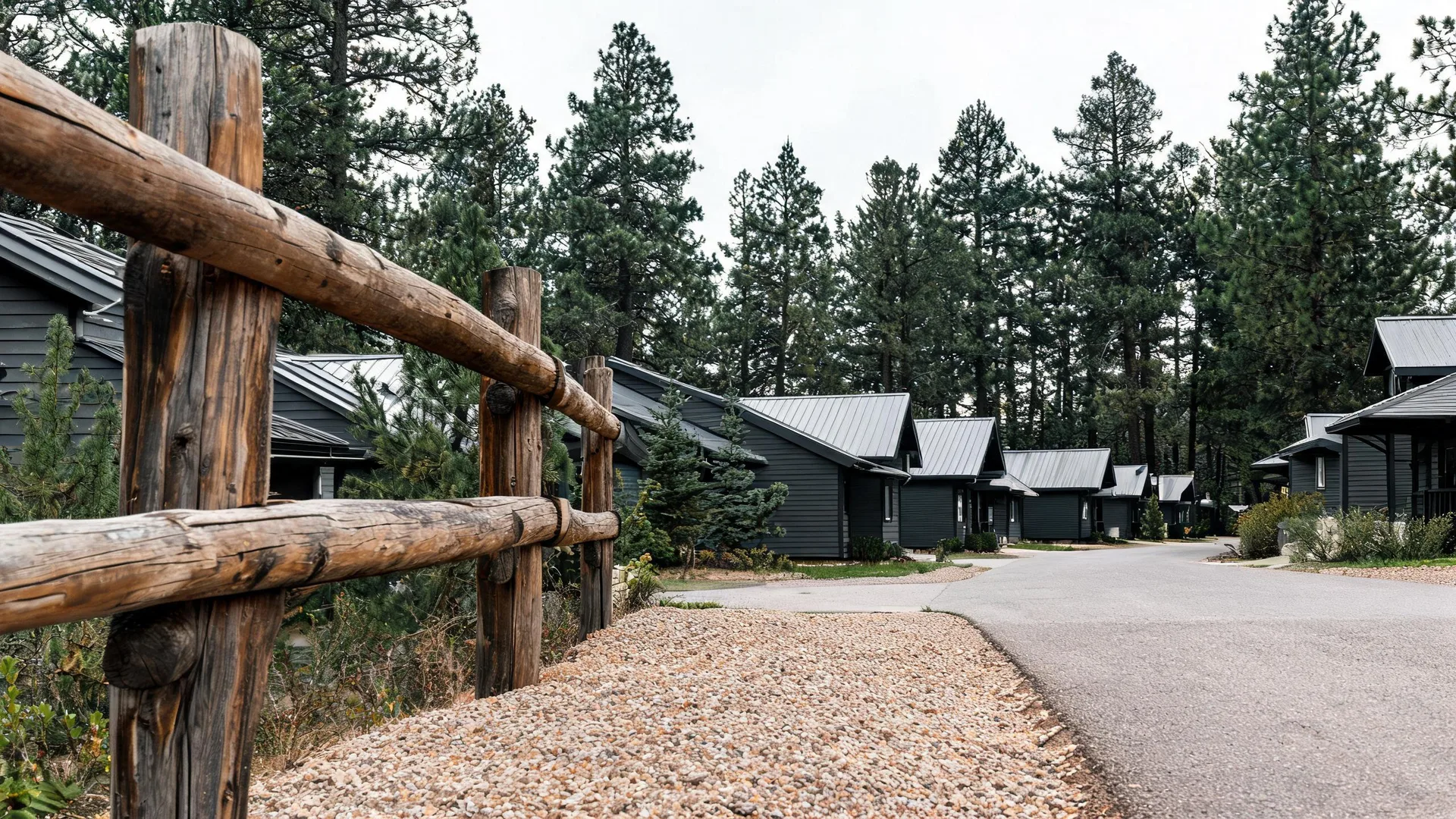
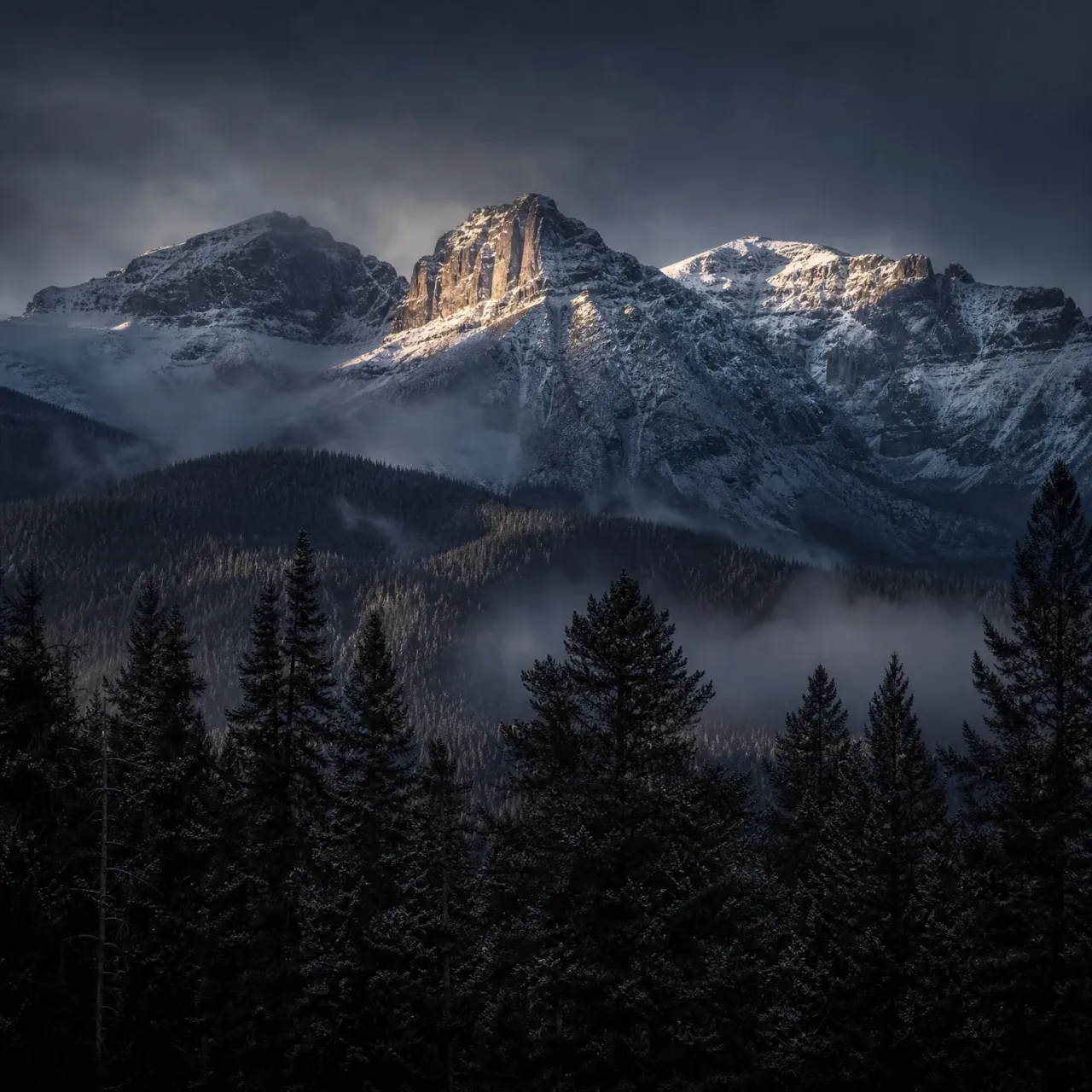

A rustic log rail fence in the foreground beside a gravel shoulder and paved lane lined with dark-clad cabins with metal gabled roofs, surrounded by tall pine trees under an overcast sky.

Furnace Repair in Manila, UT

Tell us about the job

Takes about a minute. No obligation.

RepairFurnace or heatingDaggett County, UT
Step 1 of 2

What ZIP code is the job in?

Furnaces in Daggett County run about ten months a year, from September clear through June. That's close to constant use, with only a couple months off. Overnight lows average 12°F through December, January and February, so when your furnace does run, it's working against real cold, not just taking the chill off. That kind of workload adds up on an igniter or a blower motor faster than it would somewhere milder. If something's acting up now, there's usually a reason behind it worth finding, not just a quick fix to get through the night.

10 months
September through June, your furnace is on duty
12°F
the average winter night it heats against
31 winter storms
in ten years, the nights a failure hurts most
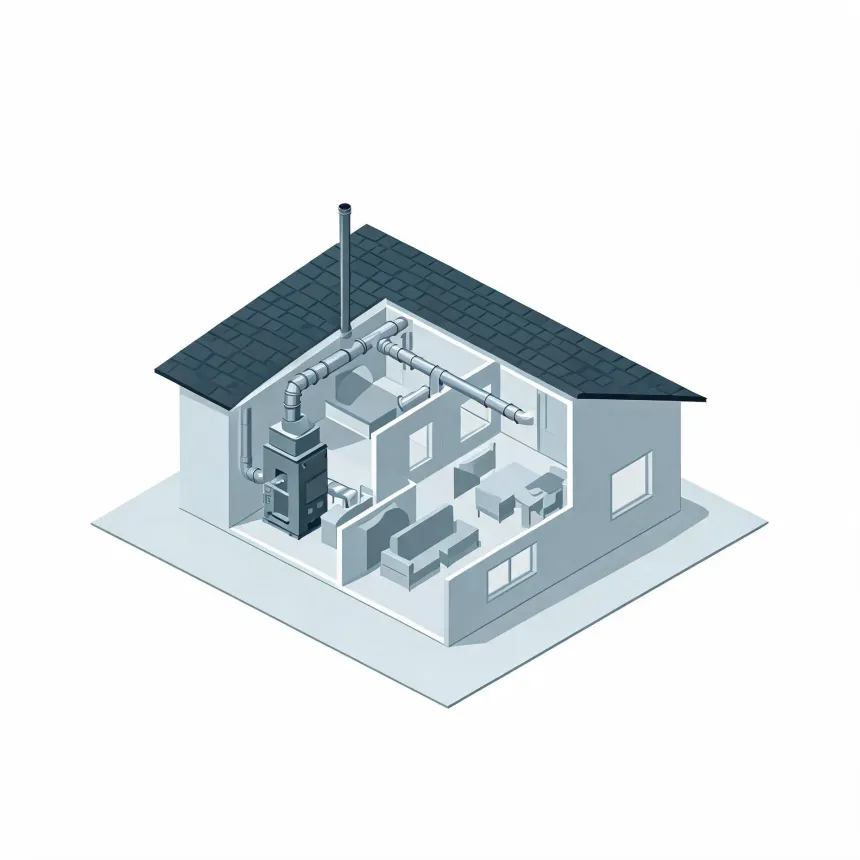
Isometric cutaway illustration of a single-story house with a dark shingled roof, showing a furnace with a flue pipe and branching ductwork running through interior rooms furnished with a sofa, table and chairs.
Your furnace works hardest from October through April.

NOAA nClimDiv, 1991–2020 normals

Propane ran $25.36 per million Btu in Utah in 2024.

A furnace that's short-cycling or running long burns through that at a worse rate every month it goes unfixed.

Ten months of heat means August is the only month to catch a weak part before it fails

Heat runs September through June
Winter nights average 12°F
Climate zone 6B

Half the homes in Daggett County were built in 1979 or earlier. If yours is one of them, the furnace inside it is probably not the original one, but it's worth finding out when it was last replaced. An older furnace that keeps needing attention is telling you something, and a repair now might just be a stop on the way to a bigger failure. Mobile homes make up a large share of the housing here too, and they often run furnaces sized and built for that home specifically, so a repair needs to match what's actually installed. Either way, the question worth asking is whether you're fixing a furnace with years left in it or patching one that's already near the end.

Find out what's wrong before it runs again tonight

A furnace that's running nearly ten months a year against overnight lows near 12°F doesn't have much room to limp along. Get the actual cause checked out, so the repair holds instead of just getting you through the next cold snap.

Find a contractor
A gray residential gas furnace installed in an unfinished basement, connected to sheet-metal ductwork and PVC pipes.

Ask what's left before you pay for what's wrong

A tech can tell you in one visit whether your furnace has years left or whether this repair is the last one worth paying for. That answer is worth more than the repair itself if the furnace is already near the end.

Check the thermostat and the power first

Make sure the thermostat is set to heat and the set temperature is above room temperature. Check the furnace switch, which looks like a regular light switch near the unit, and make sure it's on. Look at the breaker too. These take a minute to rule out and they're the cause more often than people expect.
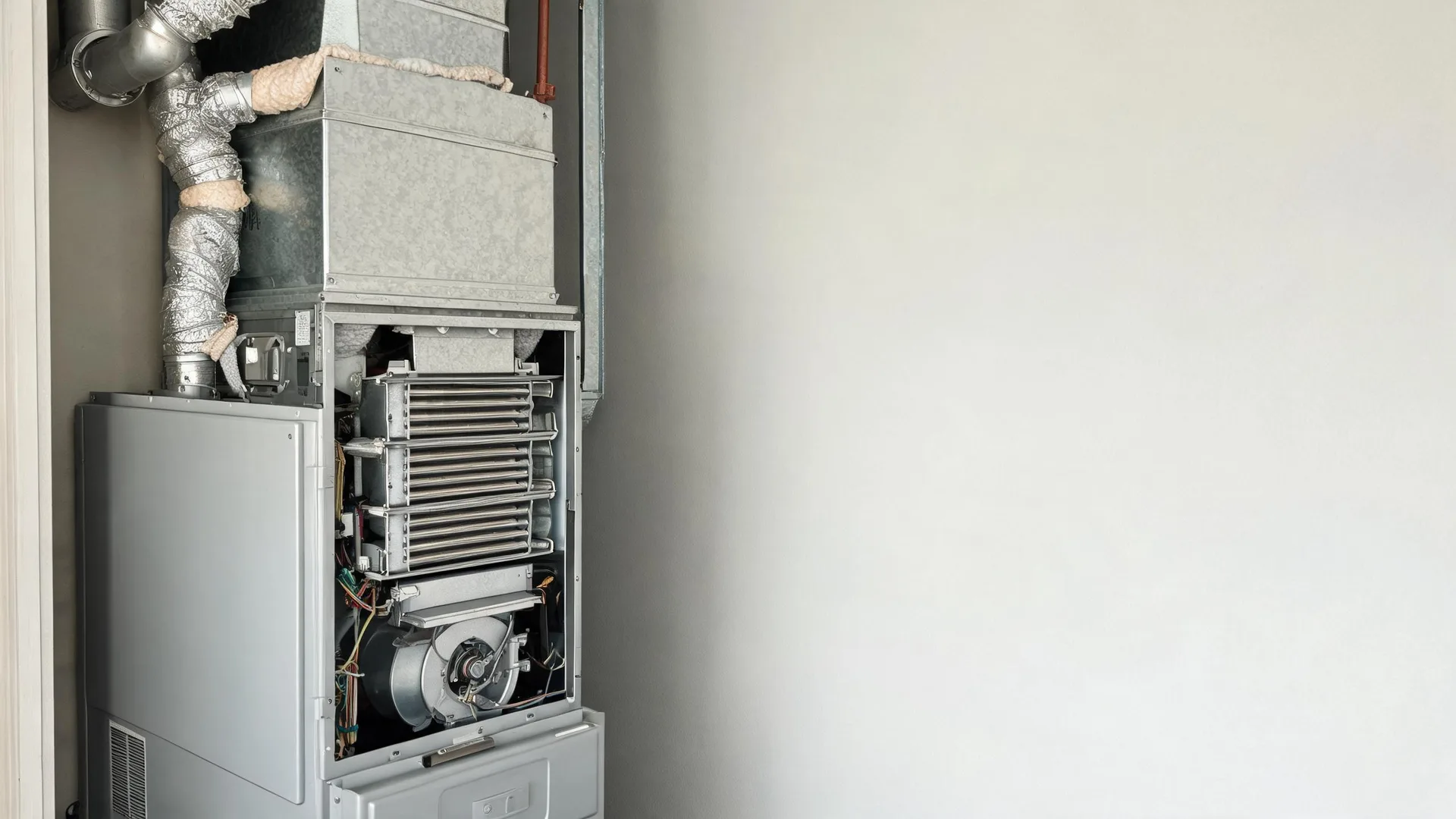
Look at the filter and the flame

Pull the filter and hold it up to a light. If you can't see light through it, that's choking off airflow and can cause the furnace to overheat and shut itself down. If you have a gas furnace with a viewing window, the flame should be steady and blue. A yellow or flickering flame is not something to keep running, that's a call to make now, not a check to finish.

A furnace that's cycling off on its own or sounding different than usual isn't going to fix itself by running more. A cracked heat exchanger gets worse under heat, not better, and a blower motor that's straining will keep straining until it burns out instead of slowing down. Ignoring a yellow flame doesn't make it steady again, it just means it keeps burning that way every time the furnace fires. Small problems like a dirty flame sensor or a clogged filter put a strain on parts that aren't built to carry it, and those parts wear down faster for every hour they're asked to compensate. The furnace doesn't know it's damaged, it just keeps doing what it's told until something gives out completely. Catching it while it's one bad part is a lot different than catching it after that part has taken others down with it.

A diagnostic visit starts before any panel comes off, with a tech asking what the furnace was doing and when it started. Then the panel comes off and the tech watches it run through a full cycle, because some problems only show up at ignition and others only show up after the blower kicks on. Pulling the flame sensor and checking it is routine, so is checking the pressure switch and the limit switch, since those shut the furnace down on purpose when something upstream isn't right. A tech will also check amp draw on the blower motor, because a motor pulling more current than it should is wearing out even if it still runs. By the end you should know which part failed, why it failed, and whether anything around it took damage in the meantime.