





A paved road curves past dark-green cabins with metal gabled roofs among tall pine trees, with a rustic log fence and gravel shoulder in the foreground.

Heat Pump Installation in Provo, UT

Tell us about the job

Takes about a minute. No obligation.

New system or replacementHeat PumpUtah County, UT
Step 1 of 2

What ZIP code is the job in?

Utility gas heats 80.5% of the homes in Utah County, more than any other fuel. A heat pump installation here usually means pairing the heat pump with the gas furnace that's already there, not replacing the whole setup. The heat pump handles the mild stretches of the year, and the furnace kicks in when it gets cold enough to need it. That arrangement is called a dual fuel system, and it lets each one do the part it's suited for. Electricity heats 16.5% of homes in the county, and for those, a heat pump install looks different since there's no gas furnace to pair it with.

9 months
September through May, your system heats
2 months
July through August, it cools
18°F
the average winter night it heats against
83°F
the average summer afternoon it cools against
Isometric line illustration of a cutaway house showing interior rooms with furniture, ceiling ductwork under a dark shingled roof, and an outdoor condenser unit connected by lines on the right.
Your system heats September through May and cools July through August.

NOAA nClimDiv, 1991–2020 normals

The efficiency rating on a heat pump's label comes from a lab test, not the weather it ends up running in.

A unit with a good rating still needs the right sizing and a correct charge, or it won't hit that number in your house.

August ends, heat starts, so the install before it is the one you plan instead of scramble for

Cooling runs July through August
Heat runs September through May
111 damaging wind events from 2015 to 2024

Utah County sits in climate zone 5B, a cool zone where winter heating matters more than summer cooling. Any heat pump installed here now has to hit 14.3 SEER2 for cooling and 7.5 HSPF2 for heating. That's the federal minimum, and it applies no matter who makes the unit. Units below that can't legally go in. There's also a federal tax credit available for heat pumps that qualify, separate from that minimum. One is a requirement. The other is money back if the equipment meets the standard for it.

A standard heat pump fits this job

A standard size and efficiency fit this job. There's no local reason to size up or pay for a higher-efficiency unit than the install calls for. Electricity here runs 12.22 cents per kilowatthour, and that's the rate a correctly sized heat pump works against, not a bigger one.

Find a contractor
A man in a dark long-sleeved shirt, cap, and worn tan work pants climbs porch steps toward a dark blue front door, carrying a canvas tool bag.
A white mini-split heat pump outdoor unit mounted on a concrete pad beside a gray-sided house, surrounded by gravel and green shrubs.

The unit is the easy part to price

Most of what you're paying for in a heat pump install is labor, not the box on the pad. Sizing it right means a load calculation on the house, not a guess based on what was there before. The line set has to be cut and run correctly, and the refrigerant charge has to be set once the unit is in place. If the ductwork already in the house wasn't built for a heat pump's airflow, that's its own job before the unit ever gets set. A dual fuel setup adds the controls that hand off between the heat pump and the furnace, and getting that handoff point right takes some care. None of that shows up on the sticker price. It shows up in how the system runs for years afterward.

The old furnace usually stays

In a dual fuel setup, the existing furnace doesn't get hauled away. It gets wired into the new system as the backup heat source, so the only equipment actually removed is the old air conditioner's outdoor unit and, if it's being replaced, the indoor coil.
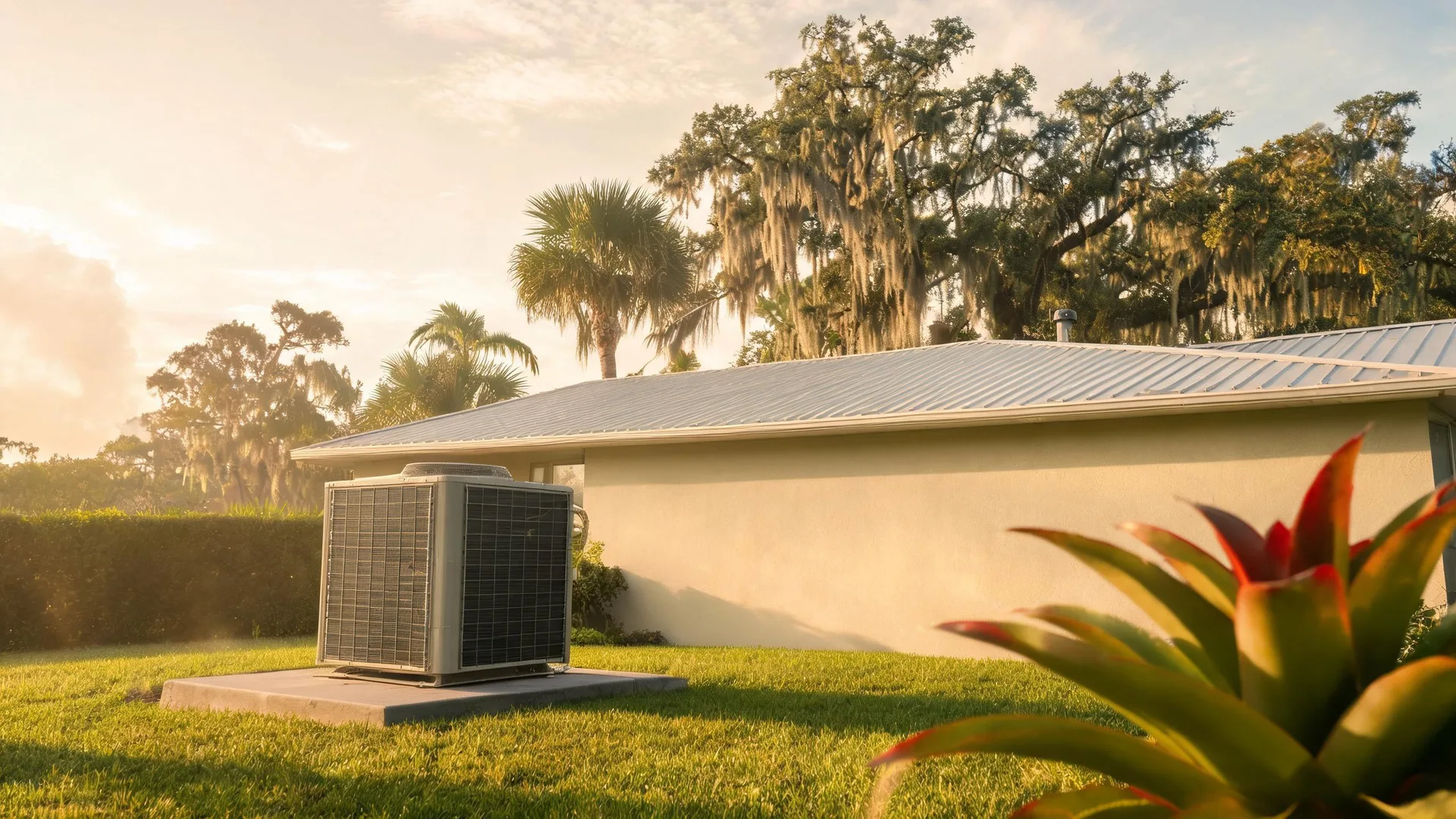
The coil often has to go even if the furnace doesn't

A heat pump's indoor coil runs different pressures than a straight AC coil, and an old one sized for the prior system usually isn't matched to the new one. Reusing it can mean reduced capacity or a charge that never sets right, so most installs swap the coil along with the outdoor unit.

Comparing heat pump quotes means comparing more than the brand on the unit. Ask what size they're putting in and how they got that number. A load calculation looks at the house itself, the windows, the insulation, the layout, and sizes the equipment to match. Going off the old system's size is a guess, not a calculation, and a heat pump that's too big will short cycle while one that's too small will run constantly and still fall short on the coldest days. Ask what happens to the indoor coil, since a coil matched to the old air conditioner usually isn't right for the new heat pump. Ask how the switchover between the heat pump and the backup furnace gets set, because that's a control decision, not something the equipment figures out on its own. The quote should answer these before it ever gets to a price.

Install day starts before the crew unhooks anything. The outdoor unit gets set on a pad, and the line set between it and the indoor coil has to be cut, run, and brazed clean, since any contamination left in the lines causes problems later. Once the coil's in, the system gets evacuated to pull moisture and air out of the lines before refrigerant ever goes in. Charging it isn't a matter of filling it up. The tech weighs in a specific charge or adjusts it against pressure and temperature readings once everything's running, because too little or too much charge leaves the system short on capacity. If it's a dual fuel setup, the controls that hand off between the heat pump and the furnace get wired and set last, and that step gets tested before the crew leaves. A clean install ends with the system running a full cycle while someone checks the pressures and the temperature split at the vents, not just the unit powering on.