





A rustic log rail fence beside a gravel verge and paved road, with dark-sided cabins with metal roofs among tall pine trees under an overcast sky.

Heat Pump Installation in Layton, UT

Tell us about the job

Takes about a minute. No obligation.

New system or replacementHeat PumpDavis County, UT
Step 1 of 2

What ZIP code is the job in?

Gas heats 86.4% of homes in Davis County, more than any other fuel by far. A heat pump replacing a furnace in one of these homes is usually a switch of fuel, not just equipment, and that changes the installation. The contractor will look at what electrical service runs to the spot where the unit goes, since a heat pump draws power a gas furnace never did. If ductwork already runs through the house from the old system, that part of the job is often simpler. Electric heat is far less common here, so most installers in Layton see gas-to-heat-pump jobs more often than electric-to-heat-pump ones.

8 months
October through May, your system heats
3 months
June through August, it cools
22°F
the average winter night it heats against
84°F
the average summer afternoon it cools against
Isometric illustration of a cutaway single-story house showing interior ductwork, an indoor air handler and simple furniture, connected by lines to an outdoor condenser unit beside the building.
Your system heats October through May and cools June through August.

NOAA nClimDiv, 1991–2020 normals

Layton homes paid 12.22 cents per kilowatthour for electricity in 2024.

A correctly sized heat pump keeps that rate from turning into a surprise, which is why oversizing it here buys you nothing.

Heat runs eight months here, so September is the month to install before it starts

Cooling runs June through August
Heat runs October through May
Climate zone 5B
Pick the reliable model, not the strongest one59 wind events and 9 hail events in that stretch hit the house, not the heat pump. Size it for 22°F nights and leave it there.

Davis County is in climate zone 5B, a cool, dry zone where heating carries more of the load than cooling does. Any split-system heat pump installed here has to meet the federal minimum that took effect in 2023. That's 14.3 SEER2 for cooling and 7.5 HSPF2 for heating. The HSPF2 number matters more here than the cooling rating does, since the system spends more months keeping the house warm than cooling it. Installers aren't choosing between efficient and inefficient equipment. Every model on the market already clears this bar, so the comparison is how far above it each one sits.

Go with the standard fit

A standard size and efficiency fit fine here. There's no local reason to go bigger or pricier.

Find a contractor
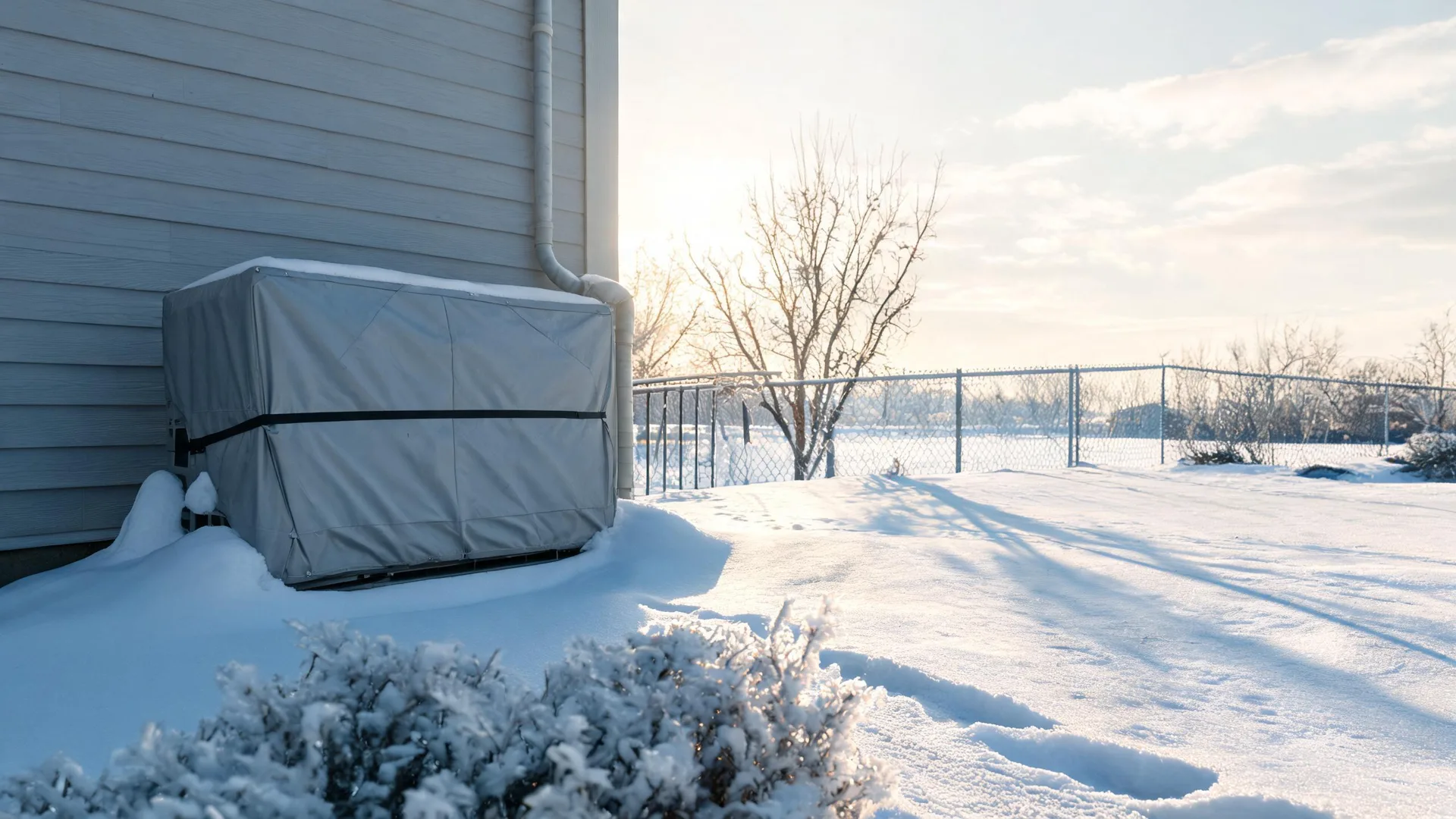
A gray heat pump condenser unit mounted on a concrete pad against the gray lap-siding exterior wall of a house.

What you're actually paying for

Equipment size is the first driver. A heat pump has to be matched to the house, and getting that right takes a load calculation, not a guess based on the old furnace's rating. Going a size up doesn't make the house warmer, it just makes the unit cost more and cycle in a way that wears on it. The next driver is what's already there. If the ductwork from the old system is sound and sized right, the job is mostly a swap. If the ducts are undersized, leaky, or routed badly, the price moves well past the equipment itself. Electrical work is the other big one. A heat pump draws power a gas furnace never needed, so the panel and the circuit feeding the outdoor unit both have to be checked, and upgrading either one adds real cost. Where the outdoor unit and air handler go matters too. Longer refrigerant lines, tight crawlspaces, or a unit that has to go on a stand or a bracket all add labor. Beyond that, it comes down to the equipment itself. Variable-speed compressors and cold-climate models that hold their output at low temperatures cost more than single-stage units, and that's a real tradeoff worth weighing against what the house actually needs.

Ask for the balance point, not just the rating

Every heat pump has a temperature where it stops keeping up on its own and a backup heat source has to take over. That point is different for every model, even ones with the same efficiency rating. Ask the contractor what temperature the backup heat kicks in for the specific unit they're quoting, not the general answer for heat pumps as a category.
Ask what happens during a power outage

A heat pump needs power to run, both the outdoor unit and the air handler. If backup heat is electric resistance, it goes down with everything else. If the system is paired with a gas furnace in a dual-fuel setup, ask whether that furnace can run without the heat pump's electronics calling for it.

If the old system is a furnace, it doesn't have to come out. A lot of these installs keep the furnace in place and add the heat pump as the first stage of heat, with the furnace only stepping in when it gets too cold for the heat pump to keep up on its own. That setup is a dual-fuel system, and it's worth asking about even if you came in planning a straight swap. If the furnace is old or already failing, that changes the math, since keeping a worn-out furnace as backup just means more to maintain, not less. Either way, someone has to decide what happens to the furnace before the job starts, not after. A contractor pulling a working furnace for scrap should be able to tell you why that's the right call for your house, not just the easier one for the install.

Installation day starts before anyone touches the old equipment. The crew sets up protection on the floors and walkways first, since parts of this job happen indoors and out. The outdoor unit comes out, the indoor coil and air handler or furnace get swapped or modified, and the line set connecting them gets run or reused depending on what's already there. If refrigerant lines are being reused, they get flushed and pressure tested before anything is charged, since old contaminants left in the lines can damage a new compressor. Electrical work usually happens in the middle of the day, tying the new circuit to the panel and setting the disconnect by the outdoor unit. The system gets charged with refrigerant to the exact weight the manufacturer specifies, then run through its paces checking airflow, temperature split, and that the thermostat is actually controlling the stages the way it should. None of this is quick work, and a contractor rushing through the startup checks is skipping the part that determines whether the system runs right for years or needs a callback in the first month.