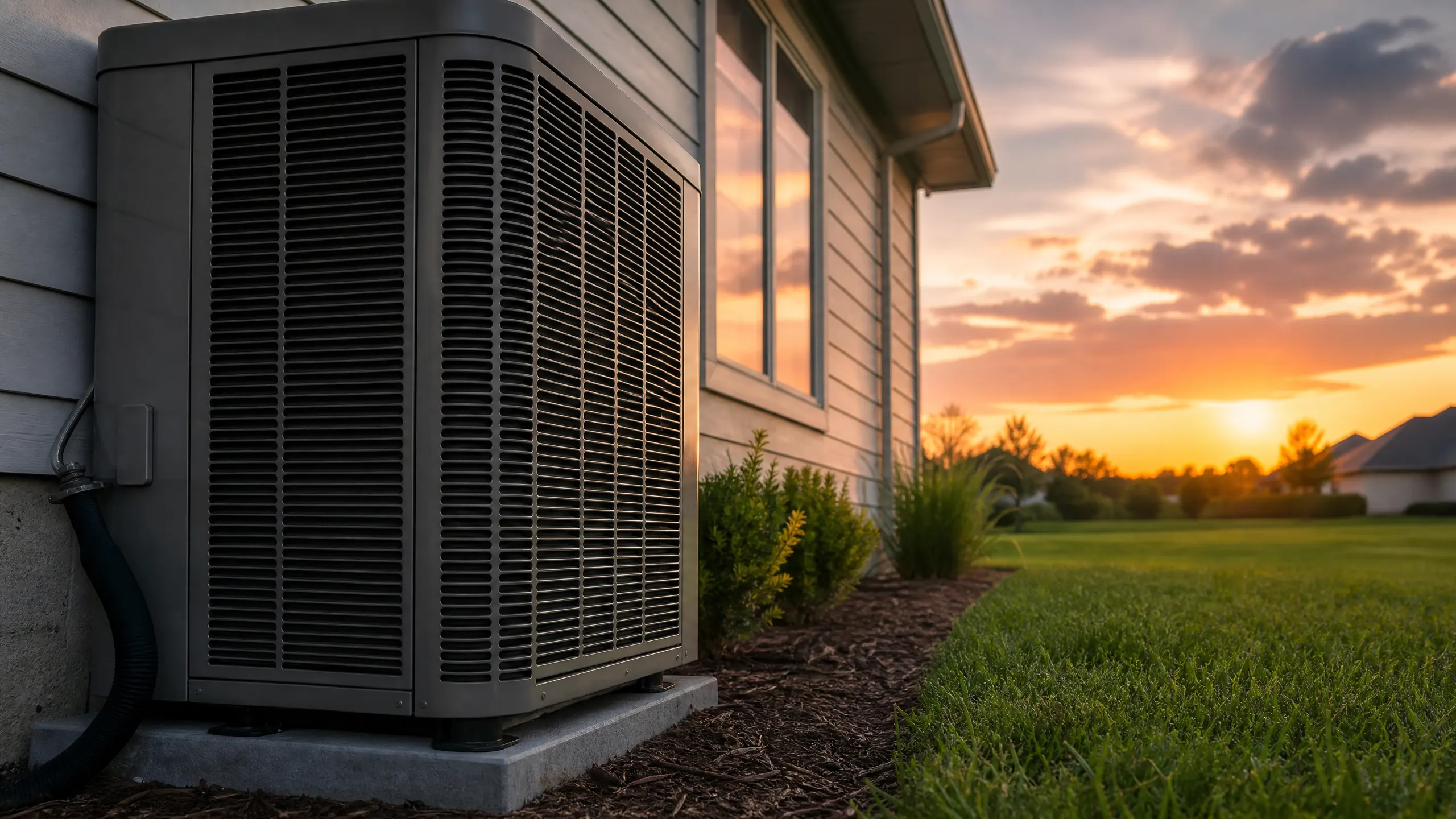





An outdoor air conditioning condenser unit mounted on a concrete pad beside a house at sunset.

Heat Pump Installation in St. George, UT

Tell us about the job

Takes about a minute. No obligation.

New system or replacementHeat PumpWashington County, UT
Step 1 of 2

What ZIP code is the job in?

Gas heats most homes in Washington County, close to six in ten. Electricity accounts for most of the rest, at 37.7%. A heat pump can replace an electric furnace or baseboard setup directly. In a gas-heated home it takes over a different job, since it delivers both heating and cooling from one outdoor unit instead of a furnace paired with a separate AC. Either way, the install has to work with what's already there. The ductwork and the electrical panel get checked before anyone sizes the new system.

8 months
October through May, your system heats
4 months
June through September, it cools
28°F
the average winter night it heats against
90°F
the average summer afternoon it cools against
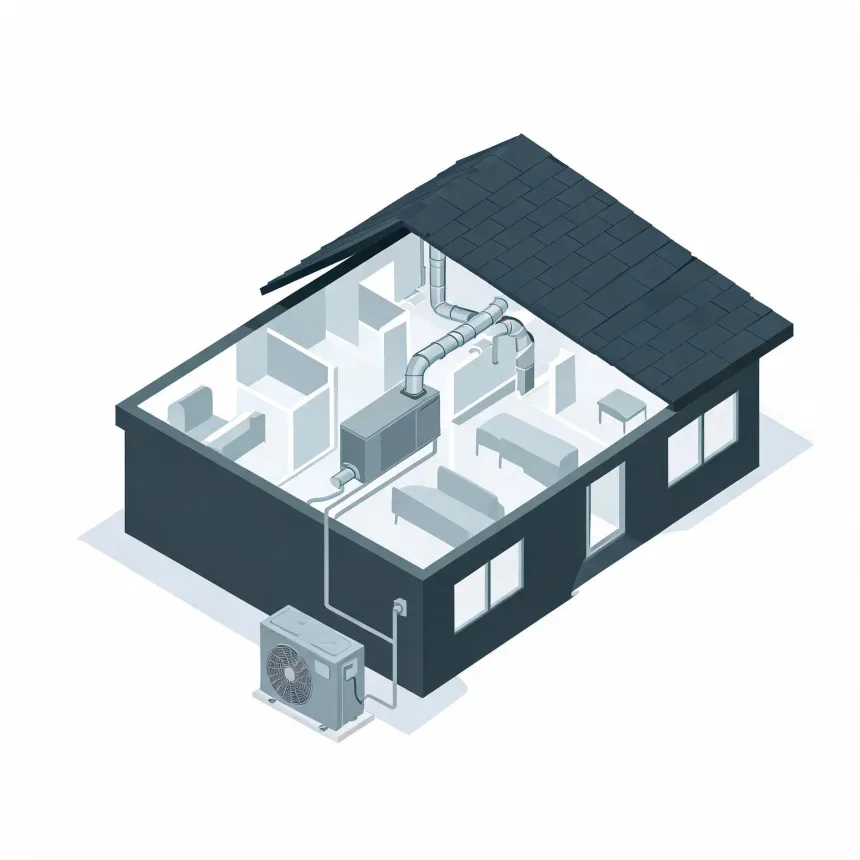
Isometric cutaway illustration of a single-story house showing interior rooms, ceiling ductwork connected to an air handler, and an outdoor condenser unit linked by a line set.
Your system heats October through May and cools June through September.

NOAA nClimDiv, 1991–2020 normals

Utah electricity ran 12.22 cents a kilowatthour in 2024, cheaper than most of the country.

The payback on the priciest high-efficiency heat pump stretches out here, so pick one for how it heats and cools your house, not for the efficiency number.

28°F nights, not sub-zero. A heat pump here isn't fighting to keep up.

60 damaging wind events from 2015 to 2024
40 winter storms from 2015 to 2024
Winter nights average 28°F
May is decision monthHeat starts running again in October, so a heat pump installed before then is already broken in.

Washington County sits in zone 3B. Any split-system heat pump installed here has to meet the federal minimums set for equipment built from 2023 on. That means at least 14.3 SEER2 for cooling and 7.5 HSPF2 for heating. Manufacturers already build to that floor, so it is less a hurdle than the baseline every quote starts from. A federal tax credit is available on top of that for units that qualify, worth checking against before you settle on a model.

Pick a heat pump for the job, not the spec sheet

Nights here average 28°F in winter, so the unit you choose doesn't need to be built for extreme cold. A reliable mid-range heat pump will cover this climate fine. Put the money toward a correct install instead of chasing the highest efficiency number.

Find a contractor
A dark gray heat pump unit mounted on a concrete pad next to a house with gray siding and a stone veneer wall.

The old equipment comes out before the new one goes in

The old equipment doesn't sit around once the new heat pump goes in. A furnace or an old AC condenser gets disconnected and hauled off, usually the same visit. If a gas line fed that furnace, it gets capped off properly, not left for later. Baseboard heaters come out wall by wall, and the wiring that fed them either gets reused for the new system or capped the same way. An old condenser gets its refrigerant recovered the right way before it's drained and removed. None of it shares space with the new equipment, so the old comes out before the new goes in.

Sizing the unit is the first cost decision

A heat pump too big for the house cycles on and off instead of running steady, which wears on the compressor and leaves rooms uneven. One sized right for the square footage and the duct layout costs more to get right upfront, since it means a load calculation instead of just matching the old equipment's tonnage. That calculation is labor, not equipment, and it's where a good install starts.
What's hidden in the walls sets the labor

A heat pump swapping in for a straight electric setup can often reuse the existing wiring and ductwork. One replacing a furnace paired with separate AC needs the line set and electrical checked against what the new system actually draws, and sometimes a panel upgrade to carry it. The work behind the walls is what moves the price, not the unit sitting outside.

A heat pump quote is more than tonnage and a SEER2 number. Ask for the manufacturer's performance data at low outdoor temperatures, not just the rating at mild conditions, since that's where a weak model struggles to keep up and leans on backup heat more often. Ask what sound rating the outdoor unit carries, because some run noticeably quieter than others at the same capacity. Ask about the compressor type. A single-stage compressor runs full blast or off, while a variable-speed compressor adjusts its output to match the load, which tends to mean steadier temperatures and less cycling. Ask what the warranty covers, parts versus labor, and for how long each, since those often differ and the gap matters later. Get all of this in writing before comparing price, because quotes that look alike on paper can still be very different equipment.

Install day starts with the old system coming apart and the new one going in, but most of the day goes to what connects them. The line set gets run and brazed, then pressure tested before any refrigerant goes in, since a leak found after charging means redoing work that's already buried or sealed up. The outdoor unit gets set on a pad, leveled, with clearance around it for airflow. Indoors, the air handler or coil ties into the existing ductwork, and any gaps or bad connections found there get sealed before the system ever runs. Electrical gets landed last, a dedicated circuit sized for what the unit draws, then the system gets powered up and run through its paces, checking airflow at the vents and the temperature split between the air going in and the air coming out. A good installer walks the thermostat settings with whoever's home before packing up, since a heat pump's defrost cycle and its steady low-speed running feel different from what a furnace or old AC trained people to expect.