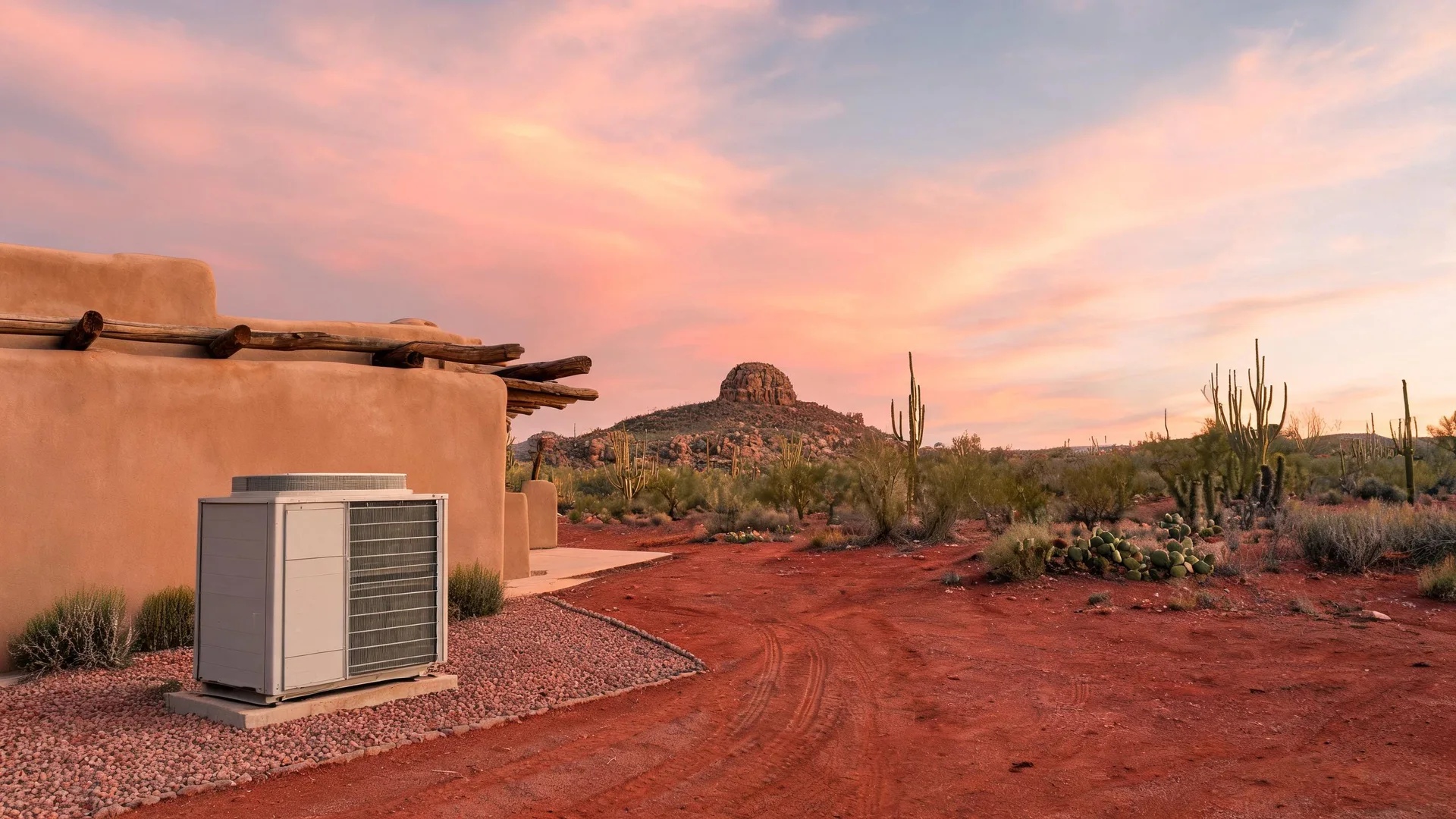
Most of Moab heats with gas
Utility gas heats 74.7% of occupied homes in Grand County. Electricity is next at 17.2%, with propane making up most of the rest.
Takes about a minute. No obligation.
Utility gas heats 74.7% of occupied homes in Grand County. Electricity is next at 17.2%, with propane making up most of the rest.
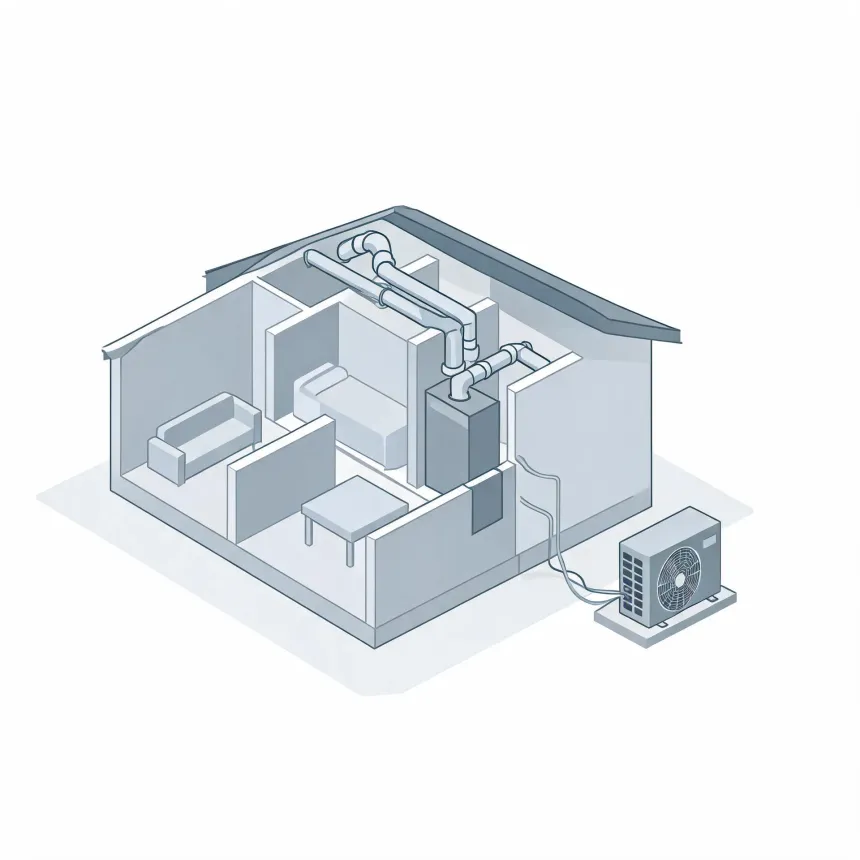
Replacing a gas furnace with a heat pump means swapping fuels, not just equipment. Whoever installs it will need to size it for Moab's winters and account for the gas line, ducts and electrical panel already in place.
NOAA nClimDiv, 1991–2020 normals
Grand County winters average 20°F overnight in December, January and February.
A heat pump sized correctly for Moab handles that without needing to be oversized.




Grand County falls under zone 5B, a cool, dry climate where heating carries most of the load. Any split-system heat pump installed here, if manufactured from 2023 on, has to meet federal minimums of 14.3 SEER2 for cooling and 7.5 HSPF2 for heating. Those numbers set a floor, not a target. A contractor sizing a system for Moab will land on equipment that clears this bar, then weigh higher-efficiency options against what they cost to install. A federal tax credit is available for qualifying heat pumps, which can offset some of that gap.
With power this cheap, a pricier high-efficiency unit takes longer to earn back the difference. Put the weight on sizing and installation quality instead, since that is what decides how the system runs through a Moab winter.
Find a contractorA heat pump has to be matched to the heat loss of the house, not picked off a sheet by tonnage alone. Go through a load calculation and the equipment comes out right sized, sometimes smaller and cheaper than what's being replaced, sometimes bigger. Skip that step and a contractor is guessing, and a guess that leans big costs more up front and cycles on and off instead of running steady.
Existing ductwork has to carry the airflow a heat pump needs, which isn't always what the old furnace needed. Sealing leaks, adding a return, or resizing a trunk line is labor on top of the equipment. The electrical panel matters too. A heat pump pulls more amperage than a gas furnace blower, and if the panel is already near capacity, a subpanel or upgrade gets added to the job before the heat pump itself goes in.
Sizing a heat pump starts with a room by room heat loss calculation, not a guess based on the old equipment's rating plate. A contractor measures the walls, windows, ceiling height and insulation in every room, then adds up how much heat escapes on the coldest expected night. That number, not square footage alone, determines the tonnage. Go too big and the unit short cycles, reaching the setpoint fast and shutting off before it's pulled the moisture out of the air or warmed the ducts through, so the house feels drafty even though the thermostat reads right. Go too small and it runs flat out during the coldest stretches and still falls behind, leaning hard on backup heat strips to make up the difference. The right size runs long, steady cycles that hold a room at an even temperature, which is also what lets the compressor and coils last as long as they're built to.
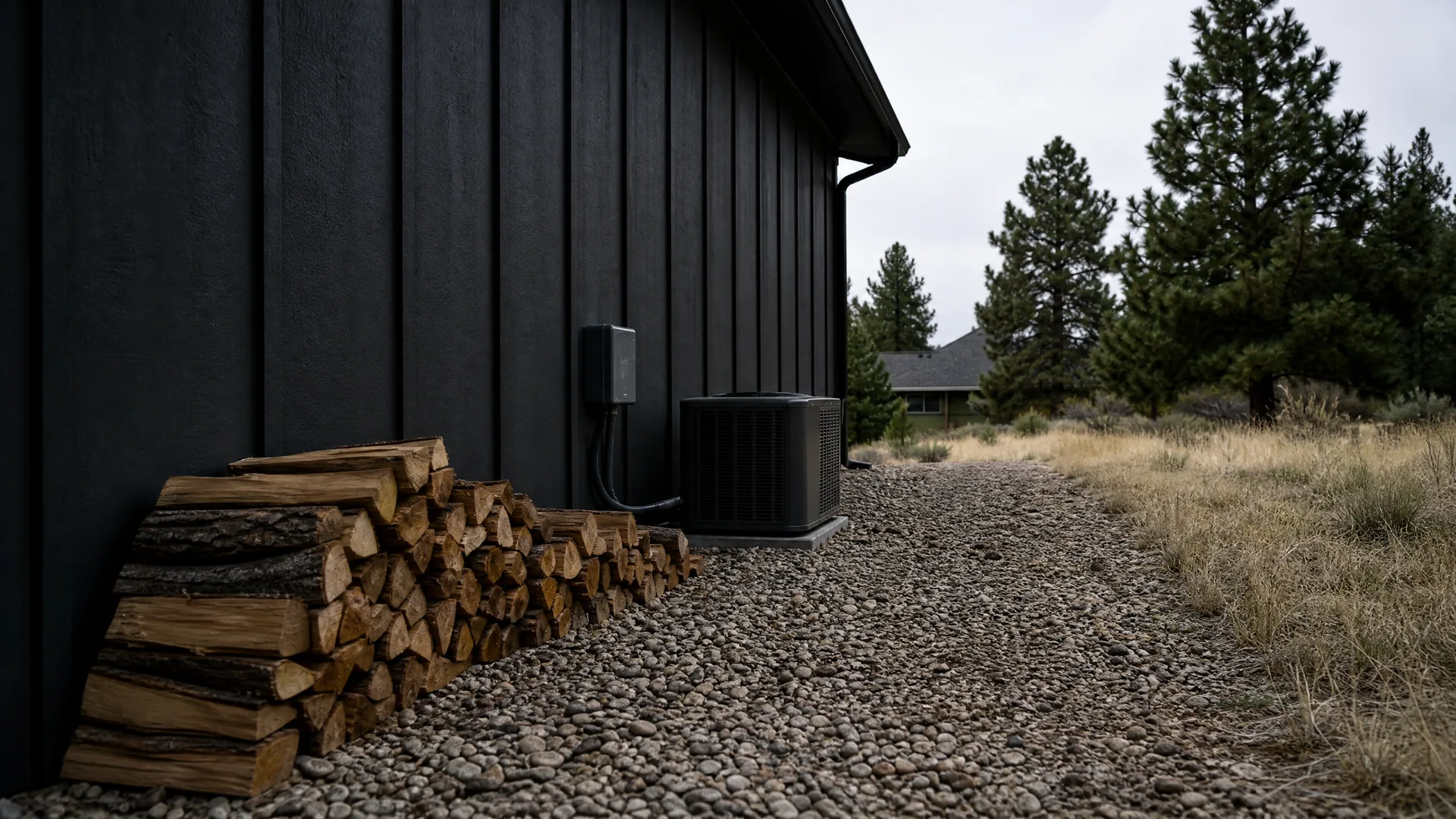
Installation day starts with the outdoor unit and the indoor coil, not the thermostat. The crew sets the outdoor unit on a pad or bracket, then runs new refrigerant line sets between it and the indoor coil. That connection has to be brazed and pressure tested before anything gets charged with refrigerant. If ductwork is being modified, that work usually happens before the equipment goes in, since a tech doesn't want to charge a system and then start cutting into the plenum. Once the lines are tied in and tested, the system gets evacuated to pull moisture and air out, then charged to the weight the manufacturer specifies for that line length. Electrical work comes next, a disconnect near the outdoor unit, new wiring back to the panel, and a control wire run to the thermostat. Only after that does the crew fire it up, check refrigerant pressures, and confirm airflow at the vents before calling the job done.