
Heat pump vs furnace in Grand County, Utah

Find a Local Installer

Quotes on either system

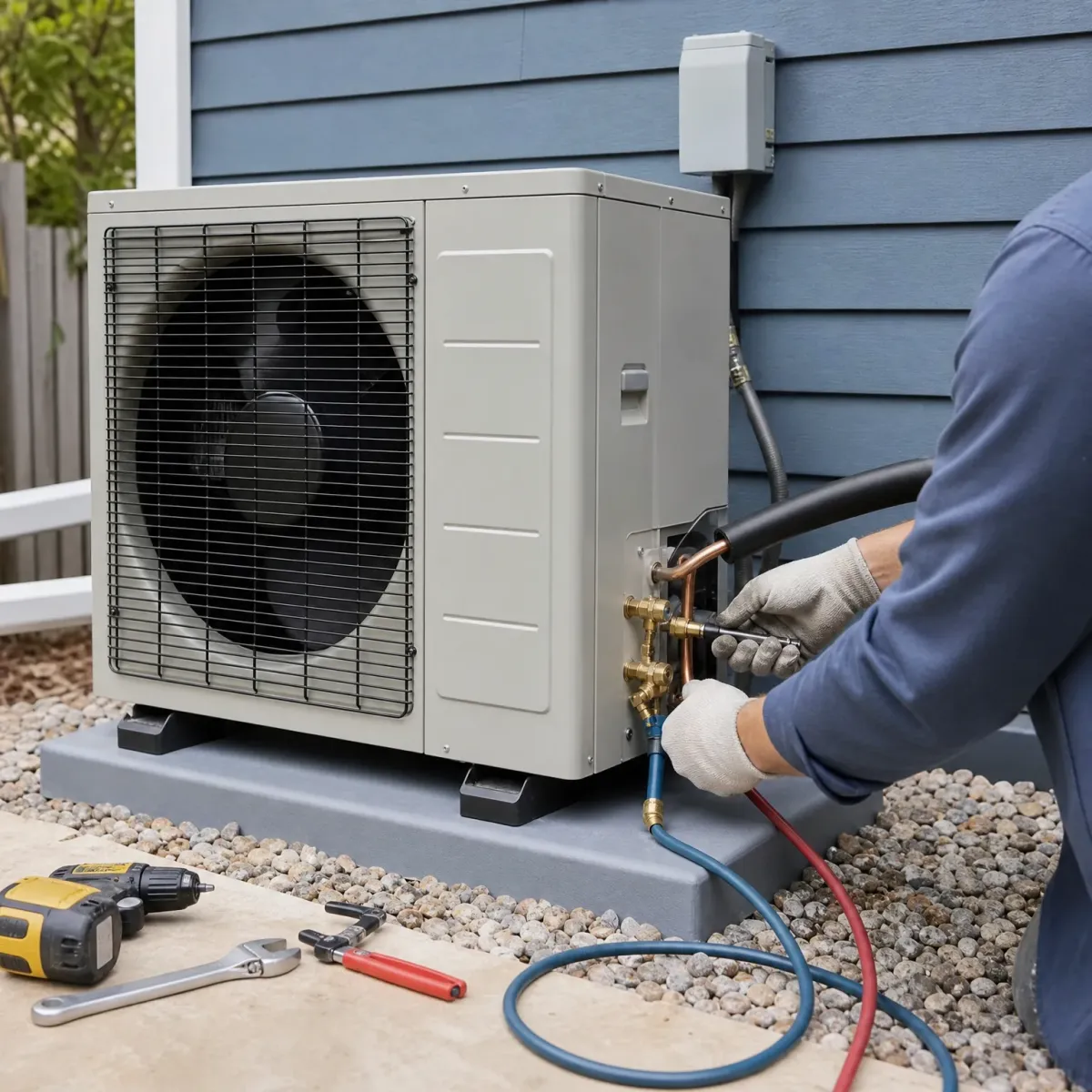
A person in a blue long-sleeved shirt and white gloves works on copper refrigerant lines with blue and red gauge hoses at an outdoor condenser unit on a gray pad beside a blue-sided house, with a drill and wrenches on the concrete in the foreground.

Tell us about the job

Takes about a minute. No obligation.

New system or replacementGrand County, UT
Step 1 of 3

What kind of equipment?

Which costs less to run in Grand County?

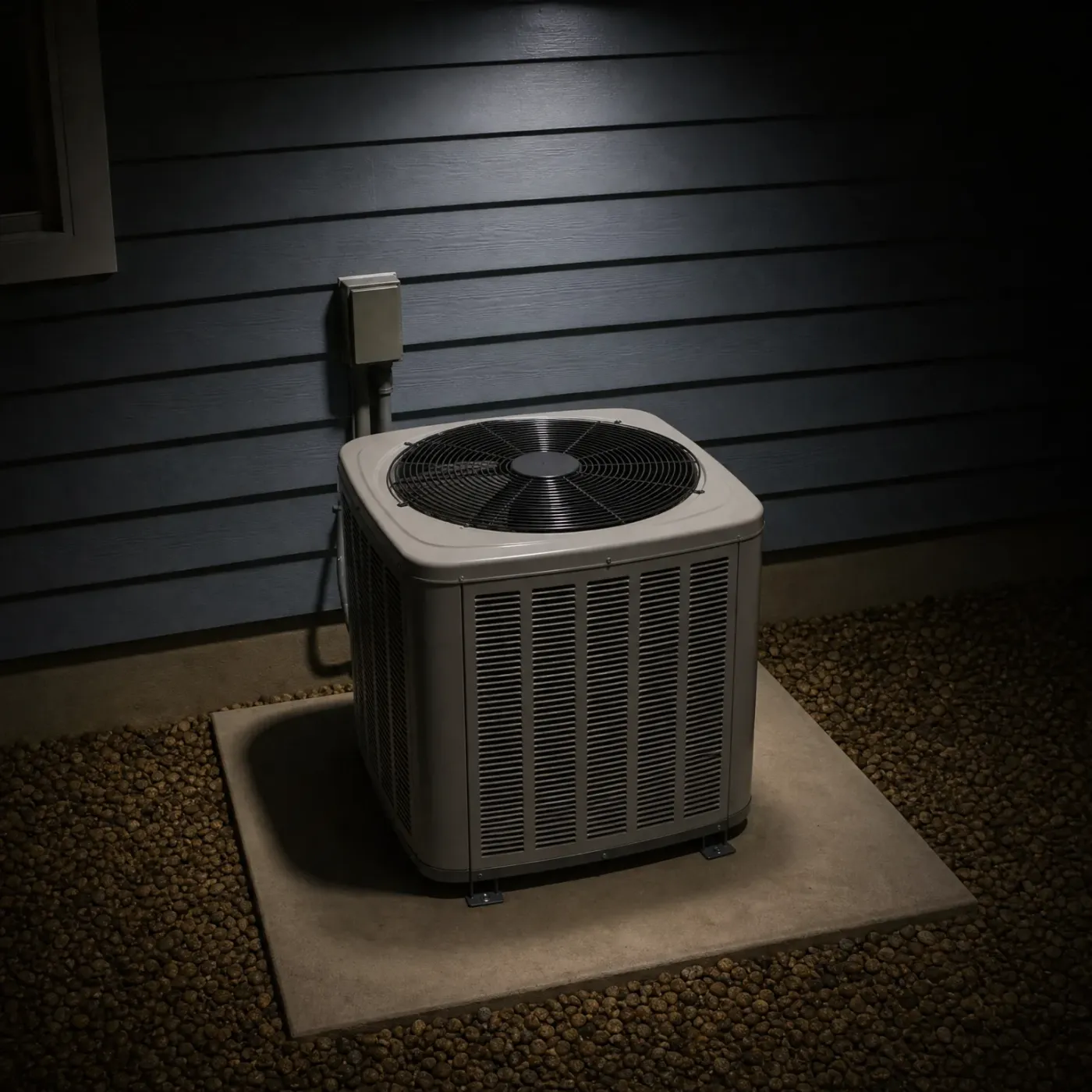
An outdoor air conditioner condenser unit on a concrete pad surrounded by gravel, next to a dark horizontal-lap sided house wall with an electrical disconnect box above it, lit at night.

Heat pump

To heat your home here$1.63per 100,000 Btu

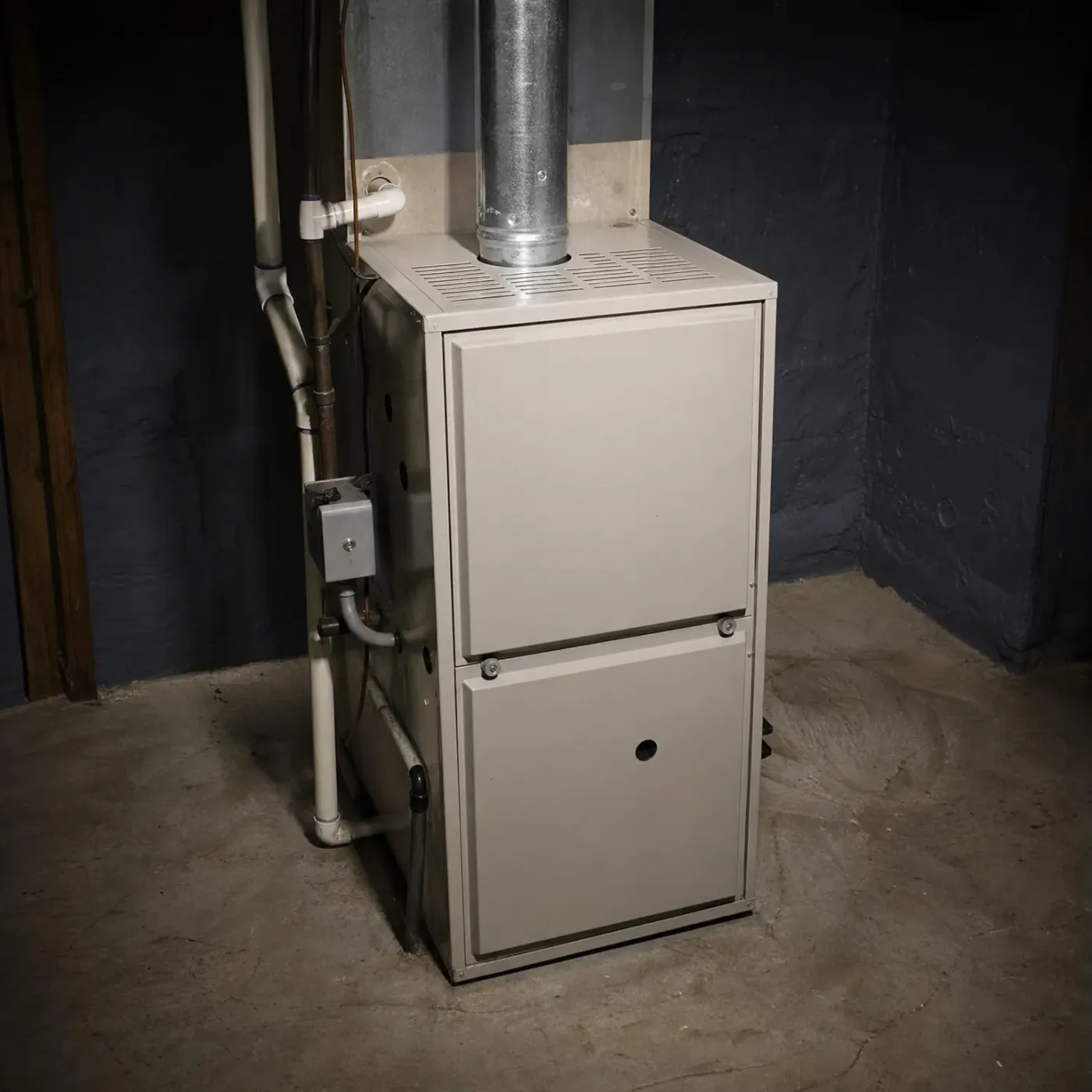
A beige gas furnace with two access panels stands on a concrete basement floor beside a dark painted wall, with a metal flue pipe rising from its top and pipes and an electrical box along its left side.

Furnace

To heat your home here$1.57per 100,000 Btu

At Utah's gas and electricity prices, a heat pump and a gas furnace cost about the same to run here.

Btu stands for British thermal unit, the standard measure of heat energy.

Where does a heat pump shine?

  • Steady, even comfort

    It eases up and down with the weather. There are fewer swings between too warm and too cool.

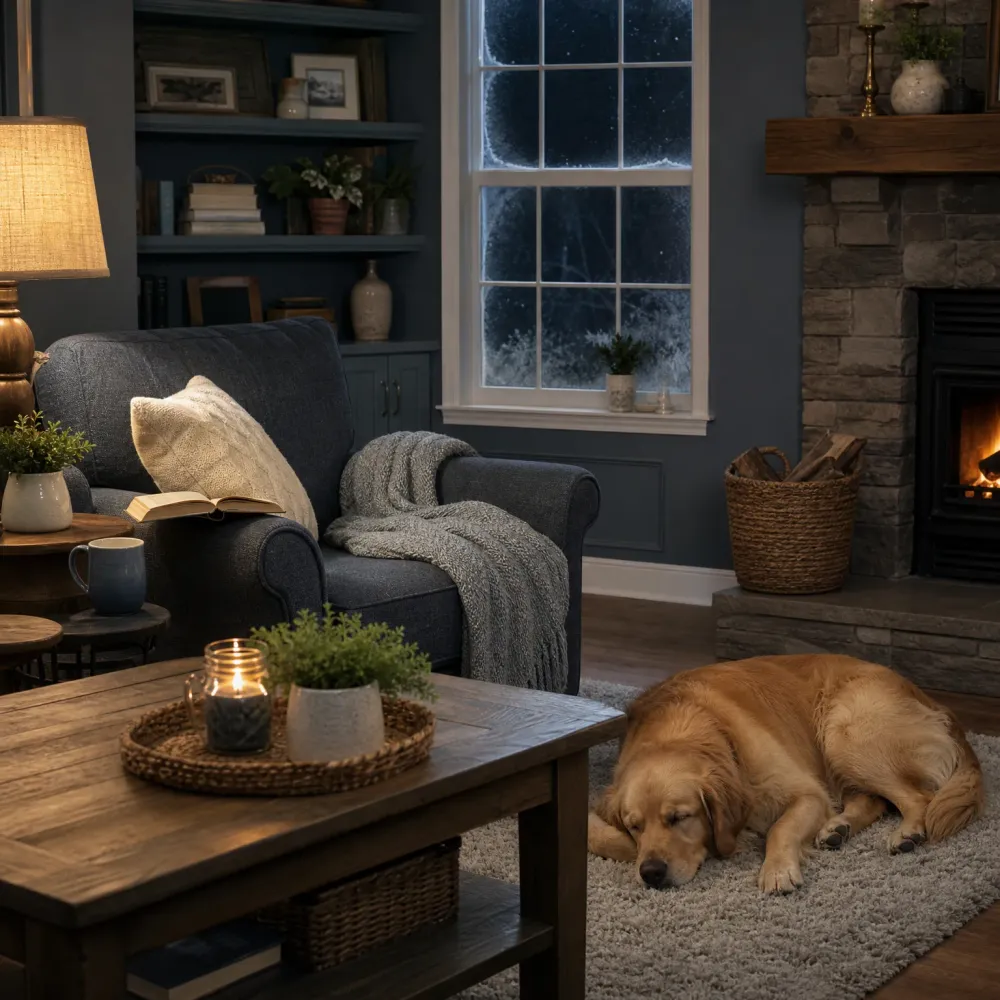
    A dimly lit living room with a dark gray armchair, knit blanket and open book, a wooden coffee table with a candle and plant, a stone fireplace with a lit fire, a frosted window, and a golden-colored dog sleeping on a light rug.
  • No gas line, nothing burning in the house

    There's no gas line to the unit and no flame anywhere in it. Carbon monoxide isn't part of the picture.

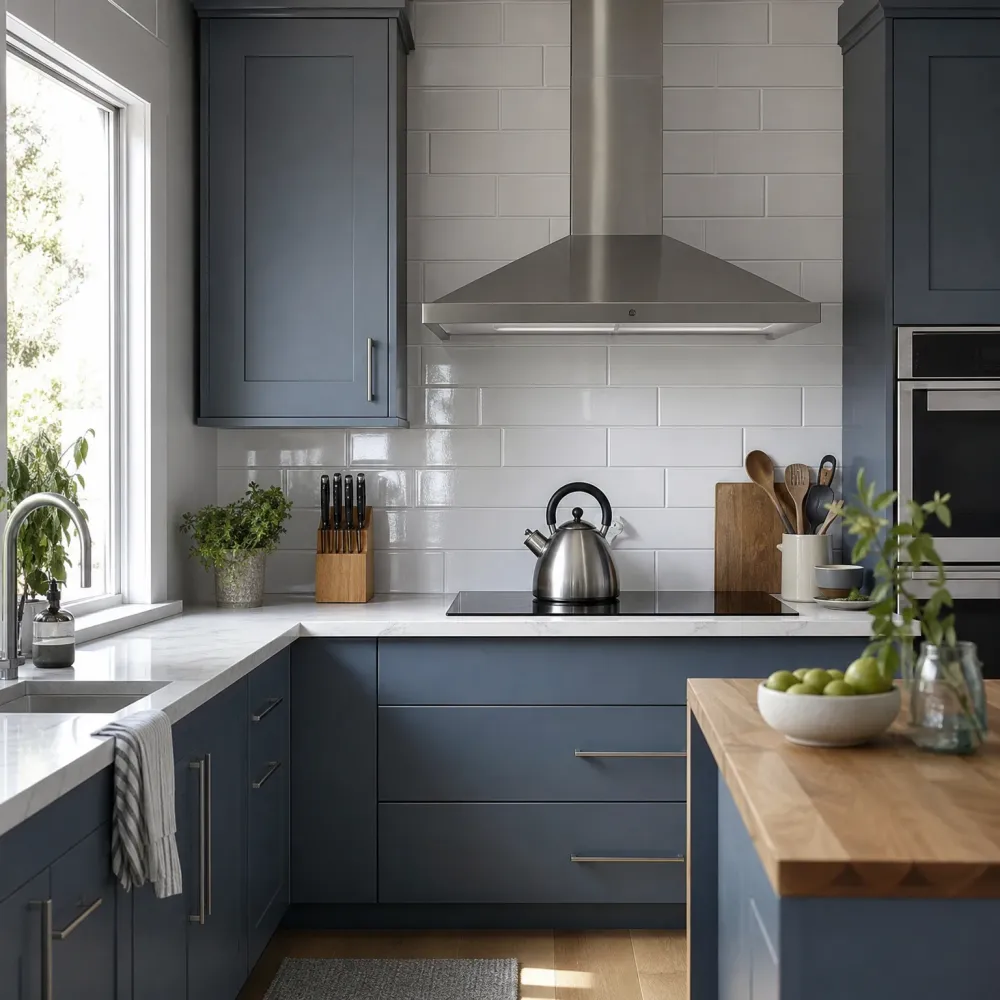
    A kitchen with blue-grey cabinets, white marble countertops, a white subway tile backsplash, a stainless steel chimney hood over a flat cooktop with a kettle, a wall oven, a window above the sink, and a wooden butcher-block island holding a bowl of green apples.
  • Heats and cools in one system

    Winter and summer are covered by the same outdoor unit. That's one machine to service instead of two.

    A living room with a cream sofa holding grey and navy cushions and a grey fringed throw, a rustic wooden coffee table with a mug and wooden bowl, a dark grey panelled door, built-in shelves with books, a large window looking onto a green garden, and a table lamp beside a wooden chair.

Where does a furnace shine?

  • Strong, steady heat in hard cold

    Winter nights here average 20°F, December through February. A furnace puts out the same hot air on that cold a night as it does on a mild one.

    A person in a dark winter coat and knit hat walks up a narrow shoveled path between deep snowbanks toward a dark blue clapboard house with lit windows and a porch light at dusk.
  • Runs on the gas most homes here already use

    Most homes in Grand County already run on gas, so a furnace fits right into what's there. No new fuel line or setup to think about, it just hooks into what your house already has.

    A row of attached two-story houses with porches, railings and front steps along a snow-patched sidewalk, with a bare tree and a distant person walking in a dark coat.
  • Proven, simple, easy to get serviced

    Gas furnaces have heated homes for generations. Almost every HVAC tech knows them inside and out.

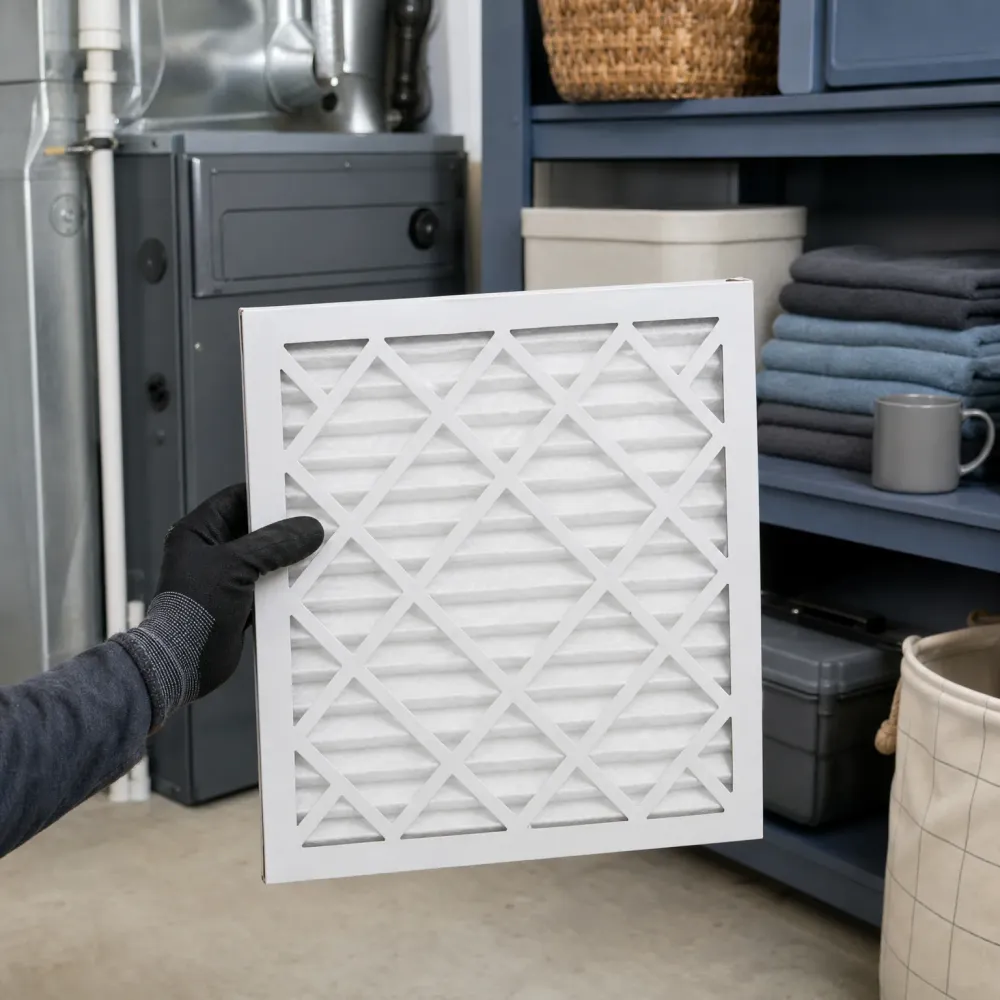
    A gloved hand holds a white pleated air filter in front of HVAC equipment and blue shelving holding folded towels, a mug, a basket and storage bins.

What the cold does to a heat pump here

Your winter low averages 20 degrees in December, January and February, and about 120 nights a year here drop to freezing or below. A standard heat pump starts losing ground before it even gets that cold. Below 40°F it puts out less heat than its rating says, and below about 35°F it often needs backup heat to make up the difference. Your average night is past both marks. Every one of those 120 freezing nights is past both marks.

That does not mean the heat pump sits idle. A two-winter test of cold-climate heat pumps in occupied homes found backup heat carried only a small share of the load between 0°F and 35°F, and running on backup alone was rare even above 0°F. The machine kept working through the range this county sees most. Only about one night a year here reaches 0°F, so the hardest cold is rare, not routine.

The number to check is whether the heat pump on the table carries the ENERGY STAR Cold Climate mark. That requires making at least 1.75 units of heat per unit of electricity at 5°F and holding at least 70 percent of its 47°F capacity at that same temperature, verified by outside testing. A standard heat pump without that mark is built for a milder winter than this one.
A snow-dusted wooden deck and steps with gray painted railings lead to a blue front door on a gray lap-sided house, with a stacked firewood pile, a wall lantern, and snow-covered evergreen trees at left.

What it costs to run, and what each machine does for you

At Utah's prices, a heat pump runs $1.63 per 100,000 Btu and a gas furnace runs $1.57, so the furnace is slightly cheaper to run and the gap is small. Heat is the season that matters most for this math: it runs about eight months a year here, October through May, against three months of cooling. Whatever you heat with carries most of the load.

A furnace only heats. For the other four months, once the weather turns toward June, it has nothing to do, and a separate air conditioner has to cover those three months of highs that hit 90°F or above on about 100 days a year. A heat pump heats and cools from the same system, so it is already covering those months too.

Three in four homes here already heat with utility gas, and fewer than one in five heat with electricity, which is a sign of what the gas infrastructure in this county supports, not a verdict on either machine. If your house already has a gas line sized for a furnace, that line is one less thing to add. If it does not, a heat pump run on electricity avoids the question entirely.

The honest split is this: a gas furnace is the simpler, cheaper-to-run choice for pure heat in a county where winter is the longer season and the cold runs deep enough to test a standard heat pump. A cold-climate heat pump, verified to the 5°F standard, closes most of that gap and adds air conditioning you would otherwise have to buy separately. Which one wins for your house depends on whether that cooling is worth paying for alongside the heat.

Sources: NOAA nClimDiv · NOAA 1991–2020 seasonal normals · EIA SEDS 2024 · 10 CFR 430.32 · PNNL Building America guide · PNNL-37127 field study · ENERGY STAR product criteria · Census ACS 2020–2024

A two-story dark blue house with white trim, a covered porch with stone-based columns, and a light blue front door, surrounded by snow-covered conifers with snowy mountains behind under a clear blue sky.

Common questions about heat pumps and furnaces

  • Can a heat pump heat a house through a Utah winter?

    Yes, though what carries the house changes as the temperature drops. Above freezing a heat pump heats on its own, and that covers roughly half of the 120 or so nights a year here that reach freezing or below. Below about 35°F it leans on backup heat, and field testing of cold-climate models found that backup supplied only a small share of the heat between 0°F and 35°F, with running on backup alone rare above 0°F, a mark this area hits on about one night a year.

  • Do I need backup heat with a heat pump here?

    Most likely, yes. A standard heat pump's heating efficiency drops below about 35°F and its output falls short of the rating below 40°F, and the overnight low here averages 20°F across December, January and February, with about 120 nights a year at or below freezing. A cold-climate model holds up further into the cold, but check what backup the system you're considering is built with.

  • Will a heat pump keep my house cool enough here?

    Yes. A heat pump cools the same way a central air conditioner does, just run in reverse, and Grand County's afternoons reaching 90°F or above happen on about 100 days a year, well inside what the equipment is built for. Cooling only runs about three months here, June through August, so it's a smaller share of the heat pump's job than winter is.

  • Can I keep my furnace and add a heat pump?

    Yes, and here that pairing earns its keep. The heat pump carries the house through the mild stretches, and the furnace takes over on the roughly 120 nights a year that drop to freezing or below, including the one night that gets down near 0°F. You get a gas furnace's strength on the coldest nights without running it the other seven months of the year.