

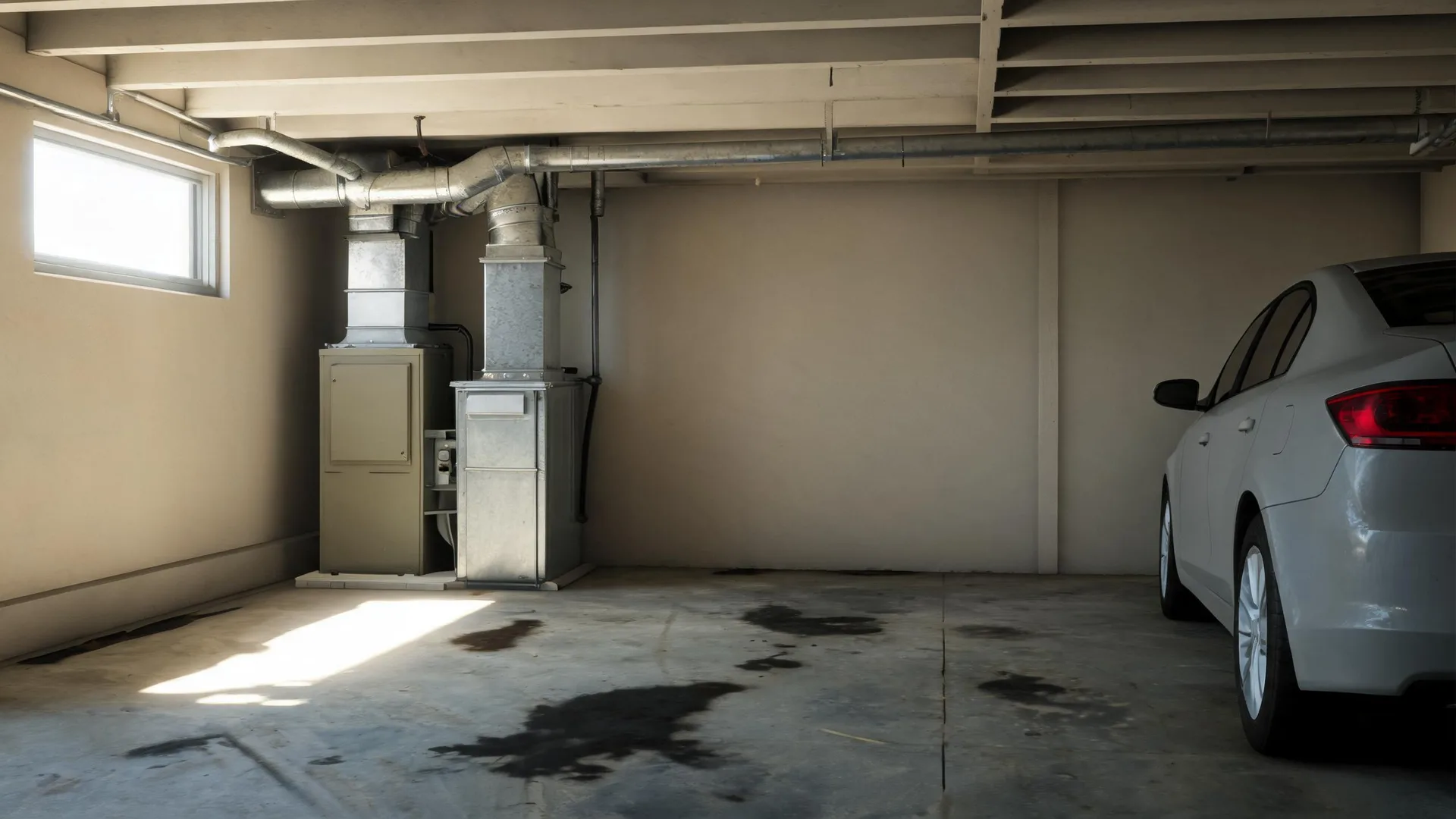
A gas furnace and sheet-metal air handler unit installed in an unfinished concrete basement.

Furnace Installation in Moab, UT

Tell us about the job

Takes about a minute. No obligation.

New system or replacementFurnace or heatingGrand County, UT
Step 1 of 2

What ZIP code is the job in?

Gas heats 74.7% of homes in Grand County, more than any other fuel here. Electricity covers 17.2%, and a small share run on propane. If your home already has a gas line run to it, a gas furnace is the straightforward replacement, and most contractors in Moab are set up to install and service them without any special order parts. Switching to electric usually means new wiring or a bigger breaker, since most houses here were not built for it. The simplest path is usually the one your house is already built for.

8 months
October through May, your furnace is on duty
20°F
the average winter night it heats against
75%
of homes here heat with gas, so most furnaces here burn gas
80% AFUE
the federal minimum any new unit must meet
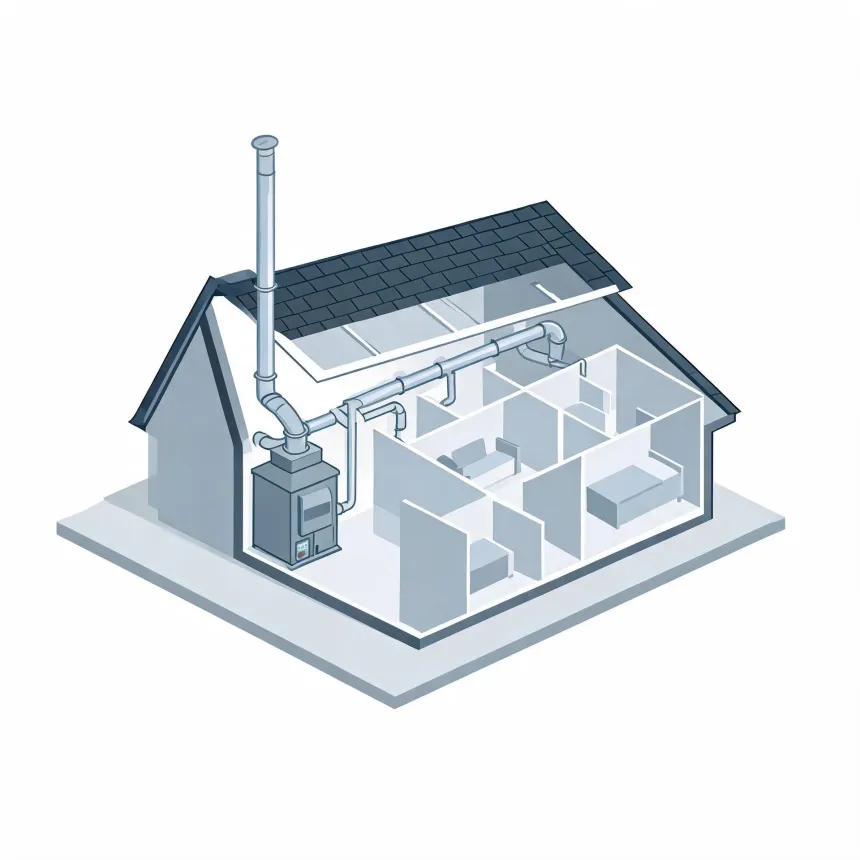
Isometric cutaway illustration of a house showing interior rooms with furniture, a furnace unit with a tall flue pipe outside, and ductwork running through the attic.
Your furnace works hardest from November through March.

NOAA nClimDiv, 1991–2020 normals

A furnace in Grand County runs from October clear through May.

Eight months of work a year calls for the right size furnace for your house, not just the first one quoted.

September gets you a furnace on your schedule. October gets you a waiting list.

Heat runs October through May
Winter nights average 20°F
92 winter storms from 2015 to 2024

Grand County sits in climate zone 5B, a cool zone where heating carries more of the load than cooling does. Any furnace installed here has to clear the region's efficiency floor, which currently sits at 80.0 percent AFUE for a standard gas furnace. That means at least that much of the fuel it burns turns into heat for your house. The floor is set to rise to 95.0 percent AFUE for furnaces built after a cutoff date in late 2028, so a unit bought close to that time is worth checking against whichever standard applies when it's manufactured.

Size it for how hard it works here

A new system here will work harder than most, every year. Size it right and don't buy on price alone.

Find a contractor
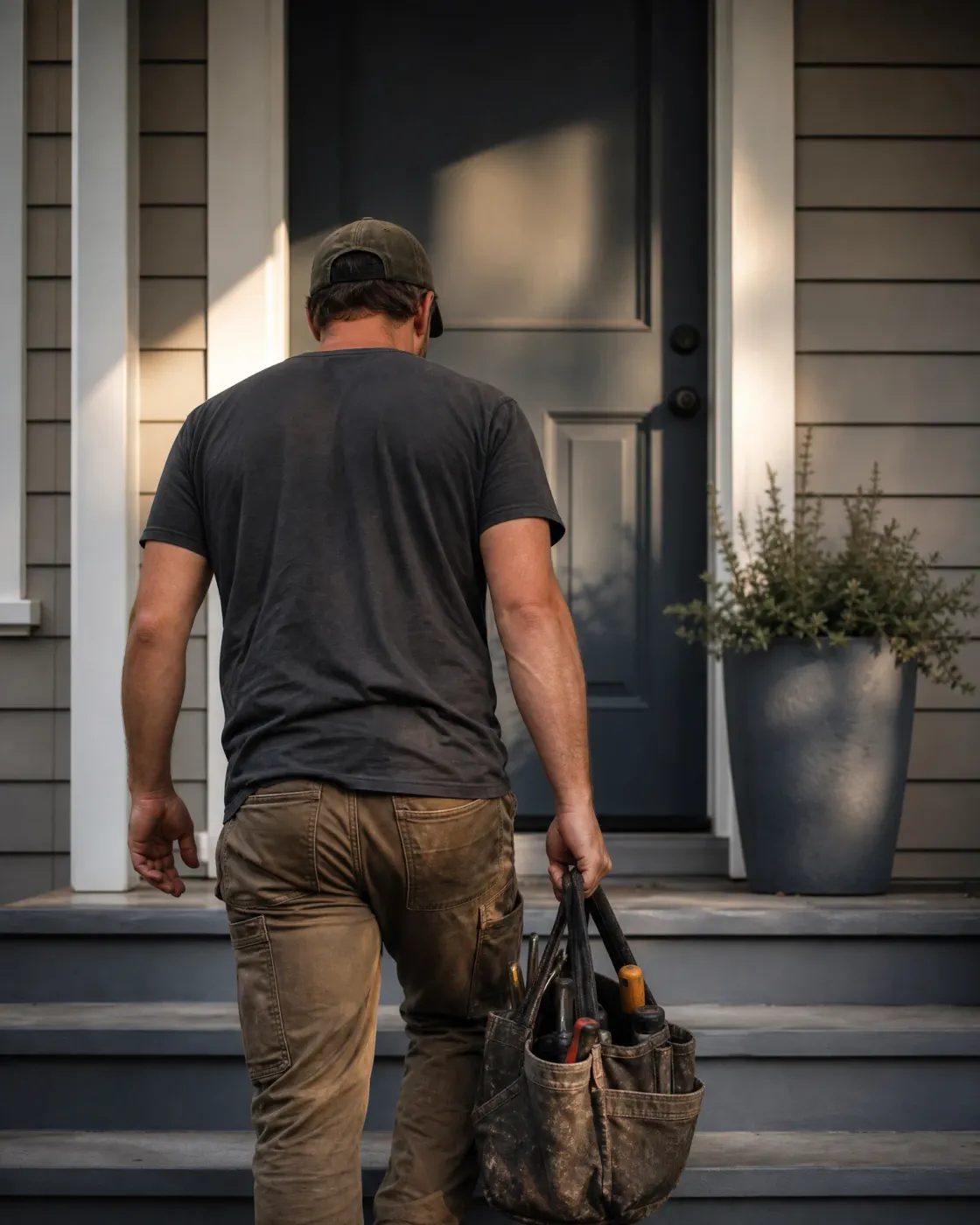
A man in a cap, dark t-shirt and worn tan work pants walks up steps toward a dark front door, carrying a canvas tool bag filled with tools, beside a potted shrub.
A gray residential gas furnace installed in an unfinished basement, surrounded by ductwork, a metal flue pipe, and a gas supply line.

Built for cold nights, not just cold months

Nights here average 20°F through December, January and February, and the county sees winter storms often enough that your furnace won't get an easy stretch to recover between them. That's the load a correctly sized furnace has to be built for. Oversized units short cycle instead of running steady, which wears the heat exchanger sooner. Undersized ones run constantly and still fall behind. Ask whichever contractor you're getting quotes from to run a load calculation on your actual house rather than quote off square footage alone.

Ask what the warranty covers, and for how it's registered

A furnace warranty usually splits the heat exchanger from everything else, parts and labor. Ask what's covered on paper, not what the salesperson says is standard. Some manufacturers require the installer to register the unit within a set window after install, and skipping that step can shrink the coverage you thought you had.

Ask what happens to the old furnace and the line it's on

A replacement isn't just dropping in a new unit. The contractor has to disconnect the old furnace from the gas line and venting, then tie the new one in correctly, often with different connections than what's there now. Ask who handles the gas line work and whether the venting gets replaced or reused, since reusing it only works if it's still sized right for the new furnace.

An unfinished basement featuring a grey forced-air furnace with metal ductwork, concrete block walls, exposed wooden joists, and a single hanging bare bulb.

A high-efficiency gas furnace would save about $90 a year to run in Grand County compared with a gas furnace.

  • A high-efficiency gas furnace$410 a year
  • A gas furnace$500 a year

Estimates for a typical Grand County home, from EIA household energy data, Utah fuel prices and NOAA climate normals. Your home will differ.

Install day starts before the new furnace ever comes off the truck. The old one has to come out first. Gas gets shut off, electrical gets disconnected, ductwork and venting get pulled loose from it. Most of the day goes to what connects the furnace to the house, not the furnace itself. The gas line gets hooked up and pressure tested before anything is fired. The vent pipe gets set to the right slope and connected so exhaust actually leaves the house instead of backing up. The ductwork gets sealed where it ties into the new unit, since a loose connection there wastes heat into a wall cavity or attic instead of a room. Once it's wired and the gas is live, the furnace gets fired up and run through a cycle so the technician can check the flame, the temperature rise across the unit, and that it shuts off and restarts the way it's supposed to. A furnace that looks installed but hasn't been run and checked isn't finished yet.