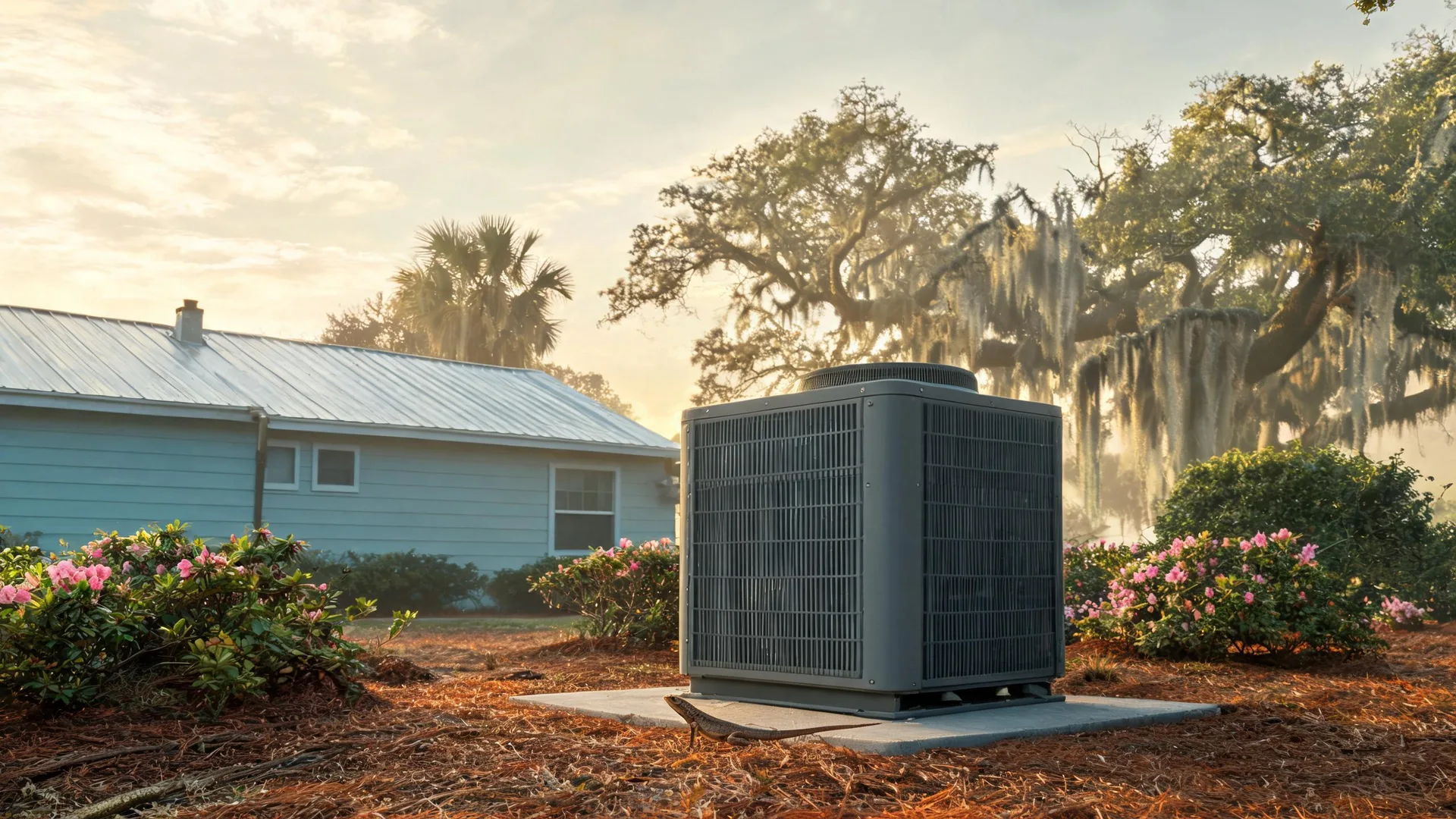
Gas heats most homes here
Utility gas heats 79.9% of occupied homes in Box Elder County. Electricity accounts for 10.5%, and propane or bottled gas another 5.9%. A furnace is still the baseline most homes are measured against.
Takes about a minute. No obligation.
Utility gas heats 79.9% of occupied homes in Box Elder County. Electricity accounts for 10.5%, and propane or bottled gas another 5.9%. A furnace is still the baseline most homes are measured against.
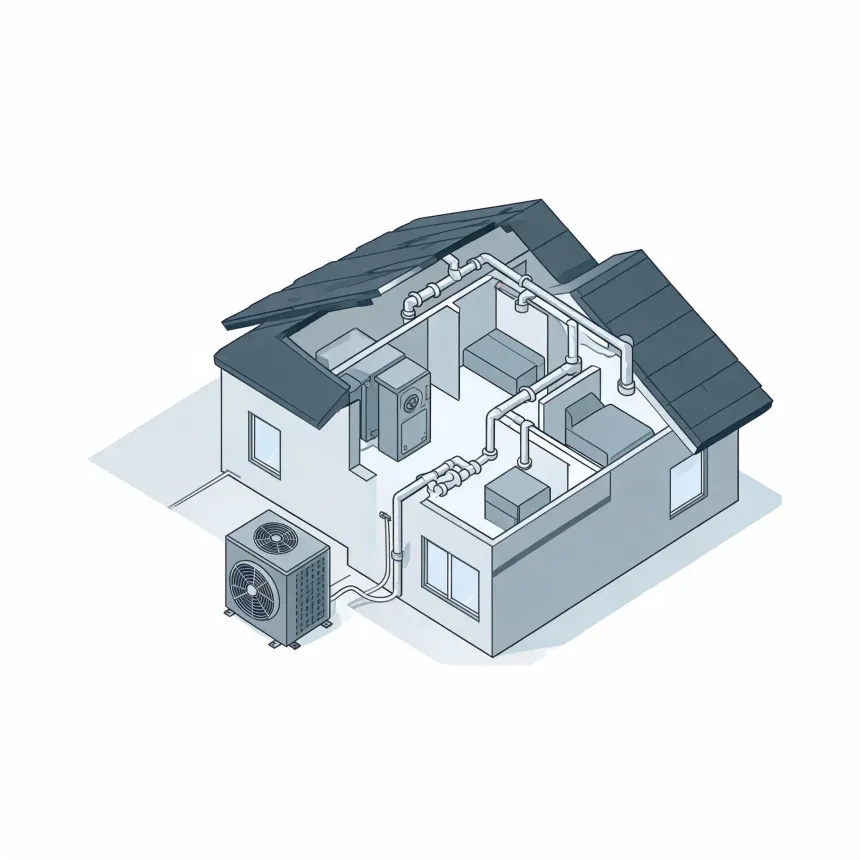
Installing a heat pump here usually means adding electric heating and cooling where a gas furnace handled heat alone before. The ductwork and electrical panel it ties into were likely sized with gas heat in mind, so that connection is worth checking before installation.
NOAA nClimDiv, 1991–2020 normals
The old furnace and condenser don't get left in place once a heat pump goes in.
Removing them clears the way for the new system's air handler and lines, and keeps an unused gas line from sitting there unused but still connected.



A standard heat pump, sized the normal way for the square footage, holds up fine here. The 19°F average overnight low across December through February is well within what a modern heat pump is rated for, so there's no need to size up for cold snaps. The wind and winter storms on record here matter more for the installation than the equipment itself. The outdoor unit needs solid, level footing and clearance so wind-driven snow doesn't pile against it or block airflow. None of that changes what size or efficiency rating makes sense to buy.
A standard size and efficiency fit fine here. There's no local reason to go bigger or pricier.
Find a contractor
Heat here runs October through May, about eight months of the year. Cooling only picks up in July and August. A heat pump works both ends of that, so it's on duty most months, not just a few. Getting it in before October means it's tested and running before the first cold night, instead of getting sized and installed under pressure when the gas furnace it's replacing has already quit.
A contractor works out how much heat each room loses, based on the windows, the insulation, and how the walls and ceiling hold heat, then adds it up for the whole house. Square footage alone doesn't say what size to buy. Houses built differently can need different sized heat pumps even at the same footprint.
A heat pump that's too big cools the air fast and shuts off before it pulls the moisture out, so rooms feel damp. One that's too small runs constantly and still can't keep up when it's coldest outside. The right size cycles on and off at a steady pace and keeps the temperature even room to room.
A heat pump install costs more than a straight furnace swap because it's doing more. The outdoor unit and the indoor coil or air handler both have to be matched and set up to work together, where a furnace is just one box. If the ductwork wasn't sized for a heat pump, that gets reworked too. The electrical side is its own piece of the job. A heat pump draws power a gas furnace never touched, so the panel and the circuit running to it have to be able to handle that load, and if they can't, upgrading them becomes part of the install, not an add-on. Taking out the old furnace and capping the gas line properly also takes real labor. None of that is padding. It's what actually has to happen for the new system to run the way it's supposed to.
The efficiency rating on a heat pump's label tells you how much heat or cooling it moves for the power it draws, not how much heat or cooling it can produce. A higher rated unit isn't stronger. It's doing the same job with less waste, which matters because a heat pump runs on electricity the whole time it's heating or cooling, unlike a furnace that only burns gas for part of the cycle. That rating gets measured under set lab conditions, so it's a way to compare one unit against another, not a promise of what shows up on your utility bill, since actual weather, ductwork, and how the system is sized all affect that too. A unit with a high rating that's the wrong size for the house won't outperform a correctly sized one with a lower rating. The rating is worth comparing between quotes, but it's only one piece of what makes the system work well once it's installed.