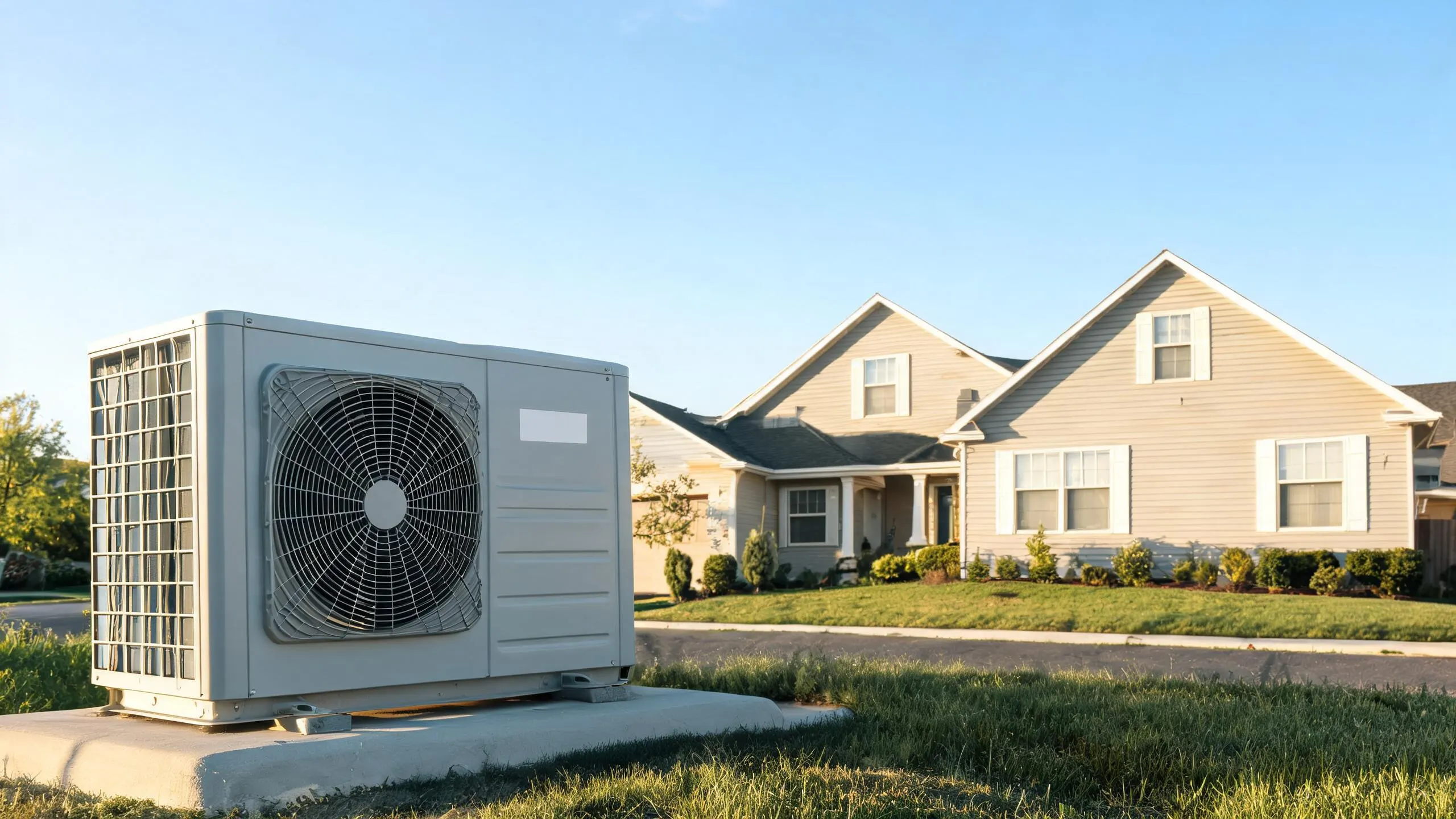




An outdoor heat pump unit mounted on a concrete pad in front of a two-story suburban house.

Heat Pump Installation in Roosevelt, UT

Tell us about the job

Takes about a minute. No obligation.

New system or replacementHeat PumpDuchesne County, UT
Step 1 of 2

What ZIP code is the job in?

Gas heats more homes in Duchesne County than anything else, 43.2 percent, with another 25.2 percent on bottled or LP gas. Electric heat accounts for 21.4 percent. That matters for a heat pump install, because most homes here already have gas or propane running to them. A common setup pairs a heat pump with that existing furnace, the heat pump handling the milder months and the furnace taking over when temperatures drop hard. Your contractor can size the heat pump for that role instead of asking it to carry the whole winter alone. What's already piped into your home is the starting point for sizing the rest.

10 months
September through June, your system heats
12°F
the average winter night it heats against
76°F
the average summer afternoon it cools against
Isometric grey-toned illustration of a cutaway house showing interior rooms, ceiling ductwork and an air handler, connected by lines to an outdoor condenser unit beside the building.

Half the homes in Duchesne County were built in 1986 or earlier.

A standard heat pump sized to your house works whether it's one of the older ones or one built since.

Ten months of heat a year, best started before September

Heat runs September through June
25 damaging wind events from 2015 to 2024
9 hail events from 2015 to 2024

A standard heat pump, sized the normal way for your square footage, is the right call here. Nothing about Roosevelt pushes you toward a bigger unit or a higher-end one. Electricity in Utah ran 12.22 cents per kilowatt-hour in 2024, cheap enough that running the heat pump's compressor and fan doesn't demand you chase a top efficiency tier to make the math work. Your contractor still needs to size it to your home and pair it correctly with your existing furnace. That's a measuring job, not a reason to upsize.

Any heat pump installed here has to meet zone 6B's minimums

Duchesne County is zone 6B, a cold climate under the 2021 energy code. Any split-system heat pump installed new has to clear federal minimums of 14.3 SEER2 and 7.5 HSPF2. That's the floor, not a reason to pay for more than your house needs. A contractor working here already knows what clears the bar.

Find a contractor
A gray air-source heat pump mounted on a concrete pad next to a house with gray vinyl siding, surrounded by gravel and flanked by green shrubs and white hydrangea flowers.

What wears on a system here isn't the heat pump

Winter storms hit Duchesne County 53 times between 2015 and 2024. That's weather the roof, the siding and the outdoor unit's housing deal with, not the compressor. A heat pump sized right for your square footage isn't working harder because the county gets hit with snow and wind. Paired with your furnace for the coldest nights, it's covering milder stretches the rest of the time, not running at its limit all winter.

The rating tells you the ratio, not the bill

SEER2 measures cooling output against the electricity the compressor draws over a season, and HSPF2 does the same for heating. A higher number means less electricity for the same comfort. The rating doesn't tell you what your system will cost to run, because that depends on your house and how you use the thermostat, not just the label.
Installation decides whether you get that number

A heat pump's rated efficiency comes from lab testing at set conditions. Loose refrigerant lines, a unit sized wrong for the space, or ductwork that leaks air all pull the real performance below what the label promises. The rating is only as good as the install behind it.

If you're replacing a furnace or an old AC, the installer still has to deal with what's coming out. A furnace gets disconnected from the gas line and the ductwork, and that gas line gets capped off safely rather than left open. An old condenser holds refrigerant, and that has to be recovered properly before the unit is hauled off, not vented into the air. Both machines get scrapped afterward, the metal and copper recycled rather than landfilled. If the old system included a heat pump or AC coil sitting on top of the furnace, that comes out too, since the new heat pump brings its own coil sized to match it. None of this changes what goes into your house. It's cleanup work that happens alongside the new install, not a separate visit.

Outside, the old condenser comes out and the new one gets set on a pad, leveled, and connected to refrigerant lines run to the indoor coil. That coil goes in above or beside the furnace, tied into the existing ductwork. Before any refrigerant moves, the lines get pressure tested for leaks, then pulled down to a vacuum to clear out air and moisture. Electrical work runs alongside this, a dedicated circuit for the outdoor unit and low-voltage wiring linking the thermostat to both the heat pump and the furnace so they hand off correctly. Once it's charged to the manufacturer's spec, the system gets run through both heating and cooling before anyone calls it finished. The thermostat gets programmed last, since it decides when the heat pump runs and when the furnace takes over.