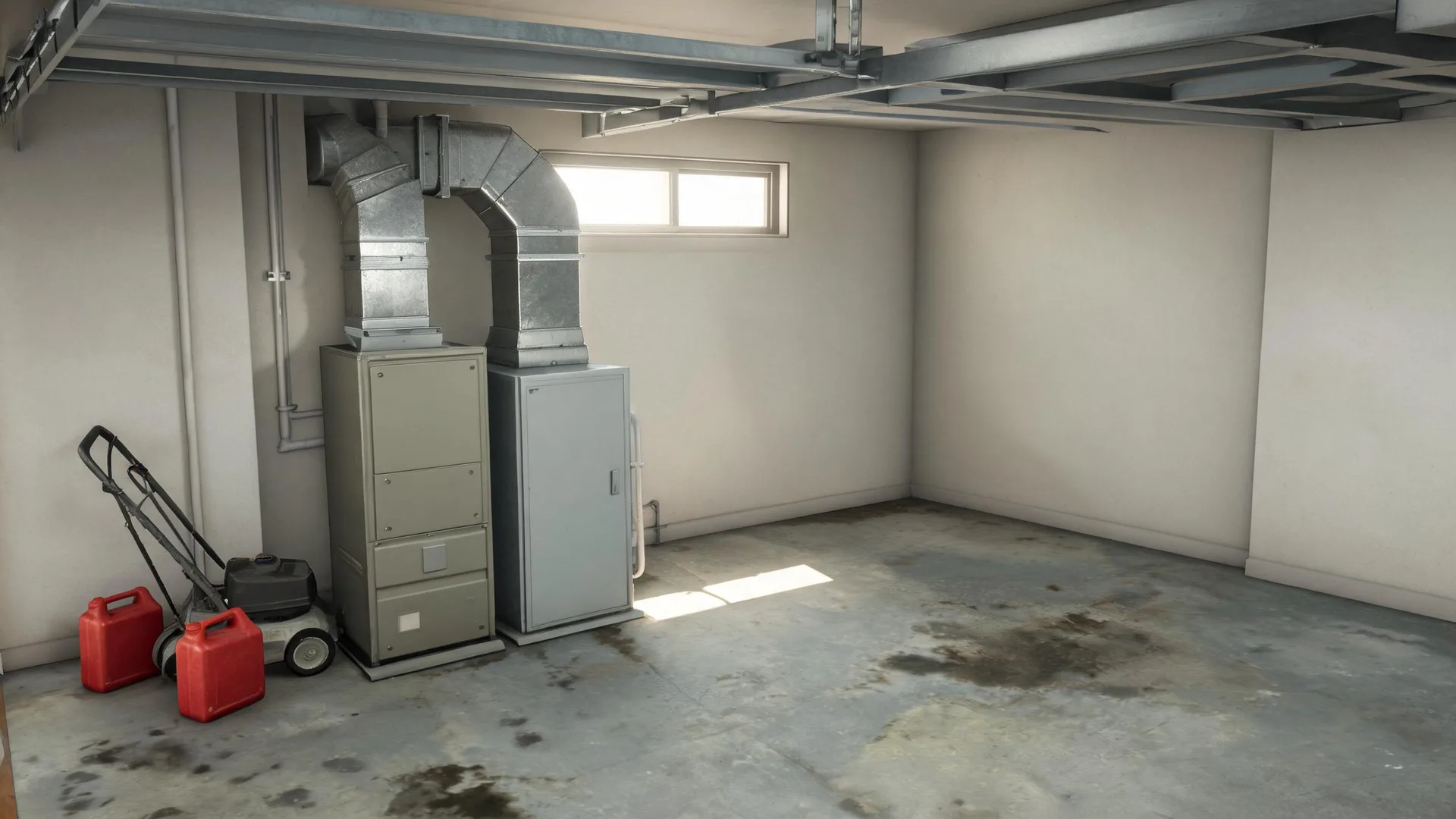
Gas costs more to burn here
Natural gas ran $12.55 per million Btu in Utah in 2024. A furnace that sends some of that gas up the flue as exhaust instead of heat burns it at this price all winter.
Takes about a minute. No obligation.
Natural gas ran $12.55 per million Btu in Utah in 2024. A furnace that sends some of that gas up the flue as exhaust instead of heat burns it at this price all winter.
One furnace model can turn more of each therm into heat for your rooms than another, even quoted for the same house. At Utah's gas prices, that difference is worth asking about before you pick one.
NOAA nClimDiv, 1991–2020 normals
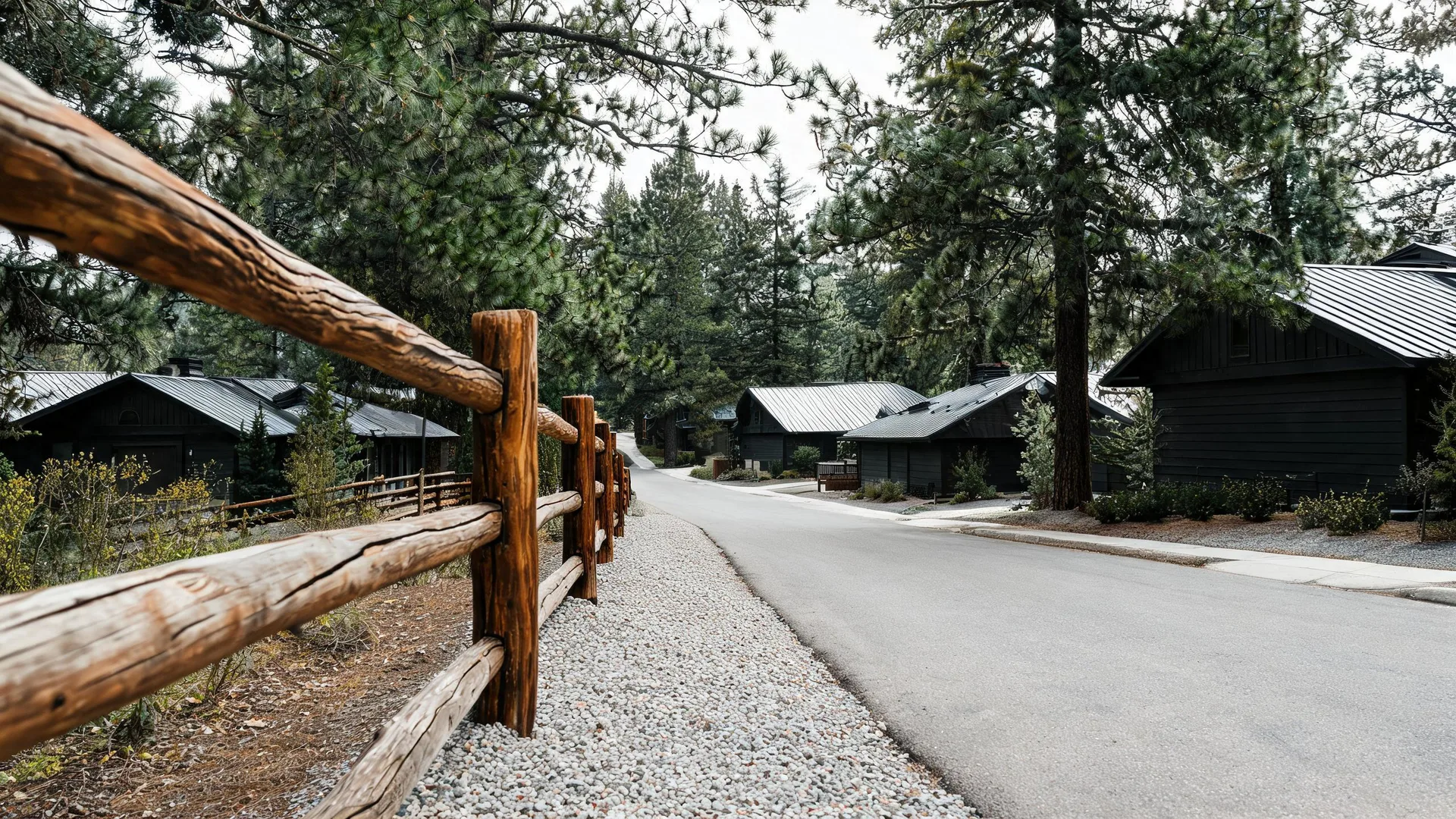
Furnaces in Summit County run from August clear through June, with overnight lows averaging 12°F in December, January and February.
A furnace sized for an easier climate will fall behind on the coldest nights here, so size it for what this place actually throws at it.




A furnace that's too big for the house will short cycle. It heats the rooms near the thermostat fast, shuts off, then kicks back on a few minutes later because the far rooms never caught up. That start-stop wears the igniter and the blower motor harder than a full, steady run would, and it leaves cold spots in whichever rooms are farthest from the thermostat. Too small and it just runs and runs on the coldest nights, struggling to keep up, and never gets ahead of the load. Sizing it right means a contractor works out how much heat the house actually loses on the coldest night, room by room, from the walls, the windows, the ceiling, and the air that leaks out around them, and matches the furnace to that number instead of just swapping in whatever size was there before.
Ask to see the AFUE rating on any furnace you're quoted before you decide. At $12.55 per million Btu, a few points of efficiency is the difference you'll feel every month it runs.
Find a contractorEleven months of runtime a year gives a wrong-sized furnace eleven months to show its mistake. Get the load calculation done before you get a quote, not after. A contractor who skips straight to a number without walking the house, checking the windows and the insulation, is guessing, and you're the one who lives with a guess for the next eleven winters.
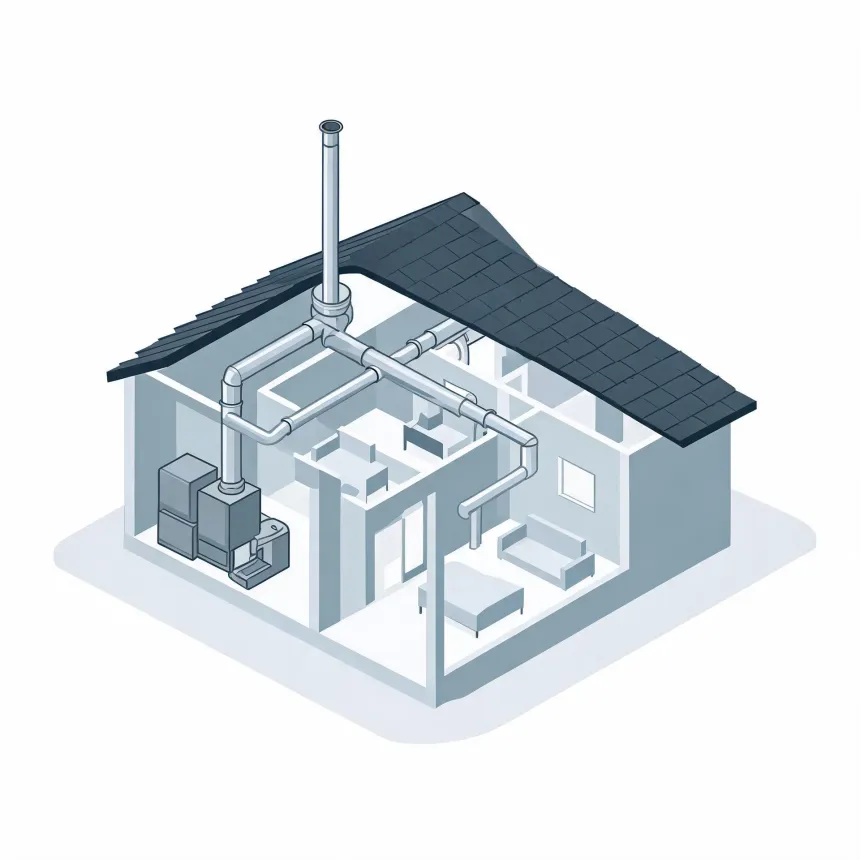
Ductwork has to move the air that furnace produces, and if it's too narrow, too leaky, or routed poorly, the best furnace on the market won't get heat where it's needed. A contractor pricing an installation is also pricing whatever duct repair, sealing, or modification the house needs to actually deliver on the furnace's rating.
A high-efficiency furnace vents through PVC pipe out a side wall instead of a metal flue up through the roof. Switching from one venting style to the other means new pipe, a new termination point, and sometimes work to close off the old flue, all of which is part of the installation, not an add-on to it.
Estimates for a typical Summit County home, from EIA household energy data, Utah fuel prices and NOAA climate normals. Your home will differ.
Installation day starts with the old furnace coming out, not the new one going in. The contractor disconnects the gas line, the venting, the ductwork and the wiring, then takes the whole unit out before anything new goes in its place. With the old furnace gone, they can see the gas line, the electrical and the duct connections clearly and make sure each one is right for the new unit rather than just reusing what was there. Setting the new furnace, connecting the gas line, running the venting and wiring it in is usually the shorter part of the day. Most of the time goes to pressure-testing the gas connection, checking the venting is pitched and sealed right, and running the furnace through a full cycle to check the flame, the airflow and the temperature rise before anyone calls it done.