


A black vertical-board exterior wall with a metal rack of stacked firewood, an air-conditioning condenser unit beyond, and dry grass, gravel and pine trees with a neighboring roof in the background.

Furnace Installation in Morgan, UT

Tell us about the job

Takes about a minute. No obligation.

New system or replacementFurnace or heatingMorgan County, UT
Step 1 of 2

What ZIP code is the job in?

The efficiency rating on a furnace tells you how much of the fuel it burns turns into heat for the house, and how much goes out the flue. A furnace with a higher rating wastes less gas doing the same job. That number matters most alongside the size of the unit. A furnace that's too big for the house will cycle on and off instead of running steady, and no rating fixes that. The rating also tells you something about the vent. Higher efficiency models cool the exhaust enough that they vent through PVC pipe instead of a metal flue, which changes where the furnace can go and how it ties into the house. Ask what rating fits the ductwork and venting already in place, not just which number is highest on the shelf.

10 months
September through June, your furnace is on duty
17°F
the average winter night it heats against
91%
of homes here heat with gas, so most furnaces here burn gas
80% AFUE
the federal minimum any new unit must meet
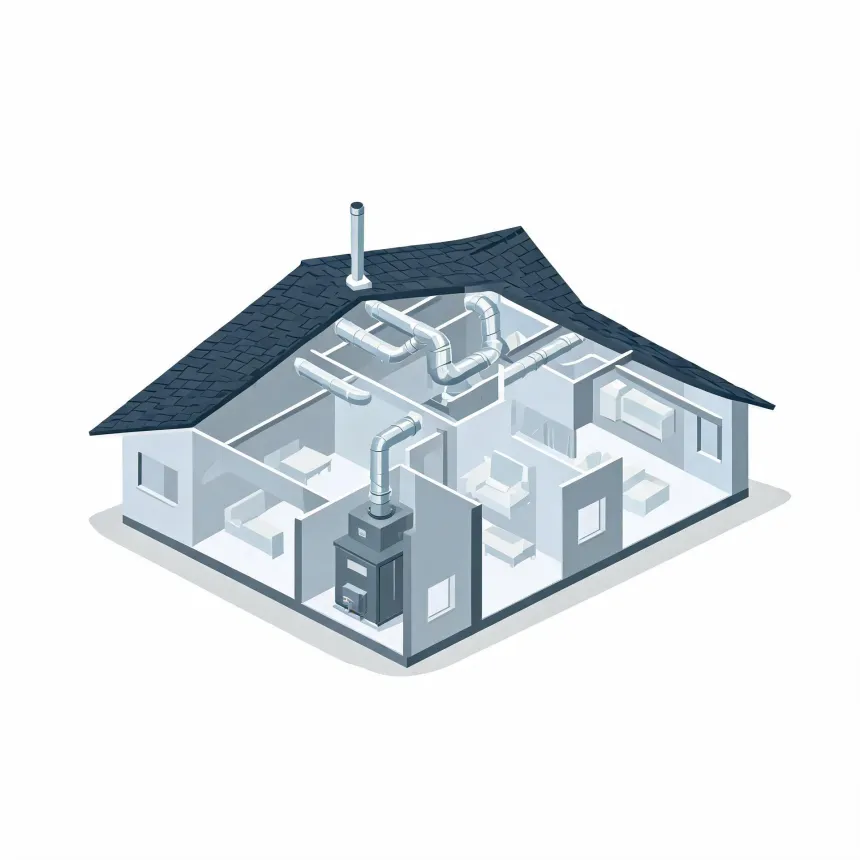
Isometric cutaway illustration of a single-story house showing interior rooms with furniture, a metal ductwork network, and a furnace unit connected to a vertical flue through the dark shingled roof.
Your furnace works hardest from November through April.

NOAA nClimDiv, 1991–2020 normals

Gas heats 91.4% of occupied homes in Morgan County.

A new furnace here is almost always replacing a gas furnace, so the gas line and vent are usually already in place.

Ten months of heat a year, down to 17°F, with 47 storms in the last decade. This furnace earns its keep.

Heat runs September through June
Winter nights average 17°F
47 winter storms from 2015 to 2024
Get it done before SeptemberHeat runs September through June here, so August is the month to get a new furnace in.

Sizing a furnace comes down to a load calculation, not the square footage of the house. A contractor works out how much heat escapes on the coldest day, counting the walls, the windows, the ceiling height, which way the house faces. Houses the same size can need different furnaces because of that. Go too big and the furnace heats the air fast, shuts off, and starts again shortly after. That short cycling wears out the parts that start the furnace each time it fires, and the house ends up with warm and cold spots because the air never runs long enough to even out. Go too small and it runs constantly on the coldest days and still can't keep up. The right size runs long steady stretches, which is what actually keeps a house comfortable corner to corner.

Gas costs more here, so efficiency pays you back

Gas in Utah ran $12.55 per million Btu in 2024, among the higher prices in the country. A furnace that wastes gas doing its job burns that cost into every bill. The rating you pick now is what you're stuck paying for later.

Find a contractor
A gray residential gas furnace installed in an unfinished basement, connected to sheet-metal ductwork and PVC pipes.

This furnace won't get an easy season to rest in

Ten months of runtime a year, with nights down to 17°F, wears a furnace faster here than in most places. A unit sized wrong will show that wear sooner, right when you need it most. That's the case for getting the load calculation done and matching the rating to your venting, not picking whatever's on the shelf.

The furnace is one piece of the bill

A furnace installation includes the ductwork tied to it. If the old ducts are too small or leak at the joints, a contractor may need to seal or resize them before the new furnace can heat the house evenly. The furnace itself is only part of what gets installed.

Venting decides where it can go

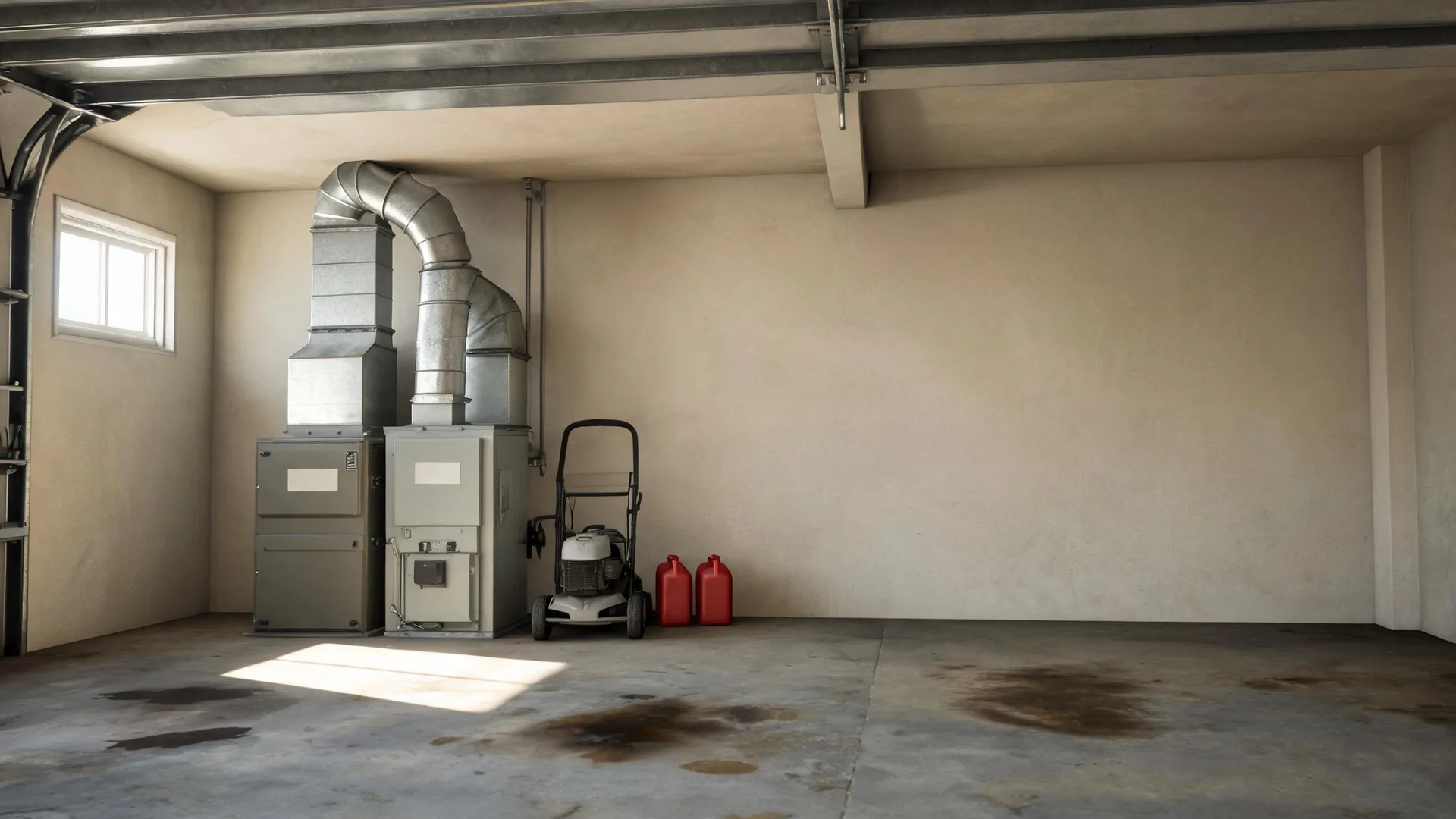
A higher efficiency furnace vents through PVC pipe, run to an exterior wall at the right slope and distance from windows and doors. Where that pipe has to travel, and whether the old flue gets capped or reused for a water heater, changes how much work the installation takes before the furnace ever turns on.

An unfinished basement featuring concrete block walls, exposed floor joists, and a metal forced-air furnace with ductwork near a central pillar.

A high-efficiency gas furnace would save about $120 a year to run in Morgan County compared with a gas furnace.

  • A high-efficiency gas furnace$550 a year
  • A gas furnace$670 a year

Estimates for a typical Morgan County home, from EIA household energy data, Utah fuel prices and NOAA climate normals. Your home will differ.

Installation day starts with the old furnace coming out, along with any ductwork that needs to change with it. A contractor checks the plenum, the gas line, and the venting before setting the new unit, since those connections have to match what the new furnace needs, not just bolt onto what was there. Once it's set, the ducts get sealed back up, the gas line gets connected and pressure tested, and the venting gets run and checked for the right slope. Then the furnace gets fired up. That means checking the gas pressure, checking the temperature rise across the heat exchanger, and watching it cycle through a full run to confirm it fires, heats, and shuts off the way it should. A contractor should walk through the thermostat and anything that works differently from the old furnace before calling the job done. A furnace that gets fired up and left without that check is one that shows its problems later instead of on day one.