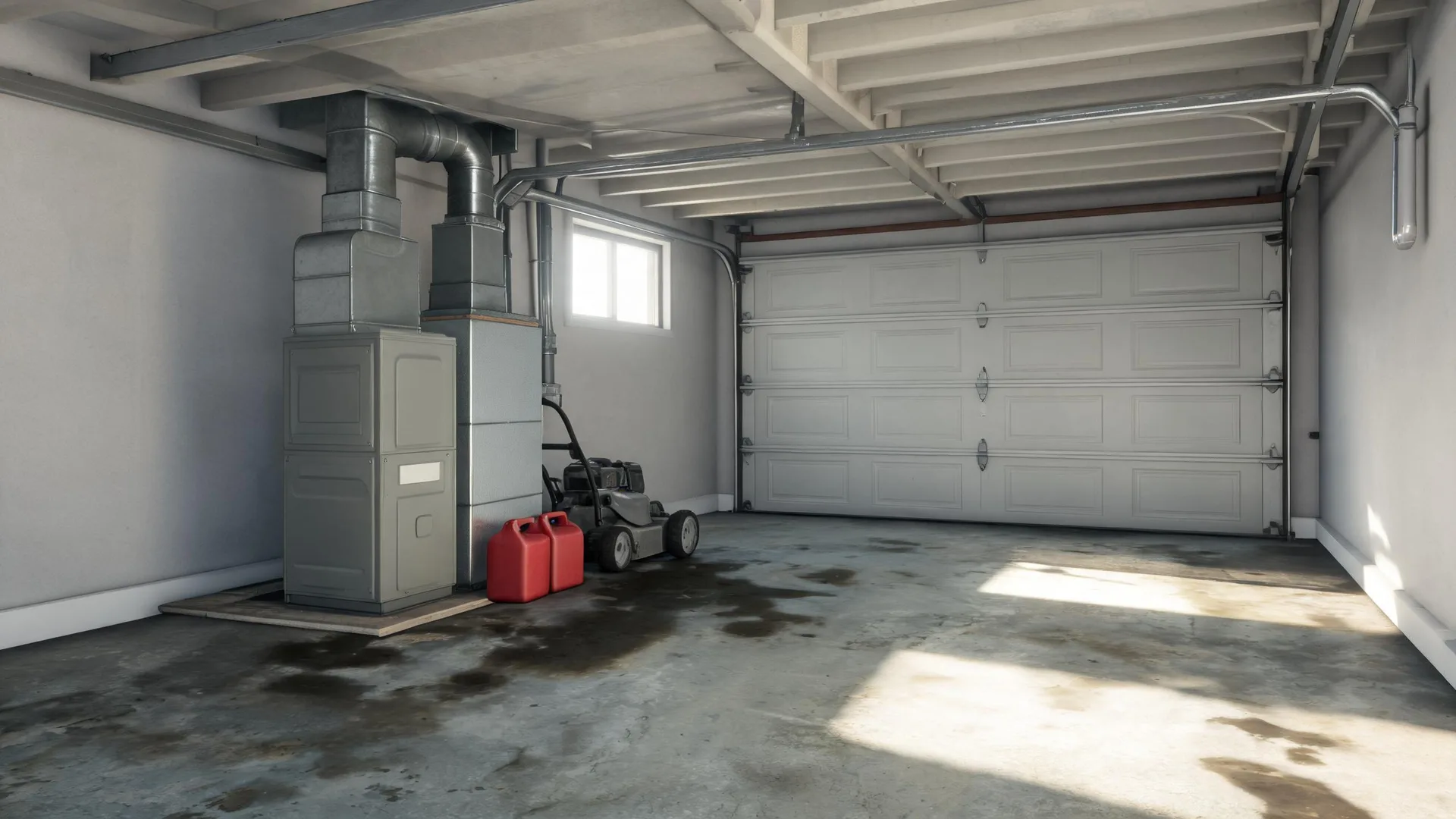
Most of Nephi heats with gas
Utility gas heats 74.2% of occupied homes in Juab County. Electricity and propane cover most of the rest. If your house already has a gas line run to it, a gas furnace is almost certainly what you have now.
Takes about a minute. No obligation.
Utility gas heats 74.2% of occupied homes in Juab County. Electricity and propane cover most of the rest. If your house already has a gas line run to it, a gas furnace is almost certainly what you have now.
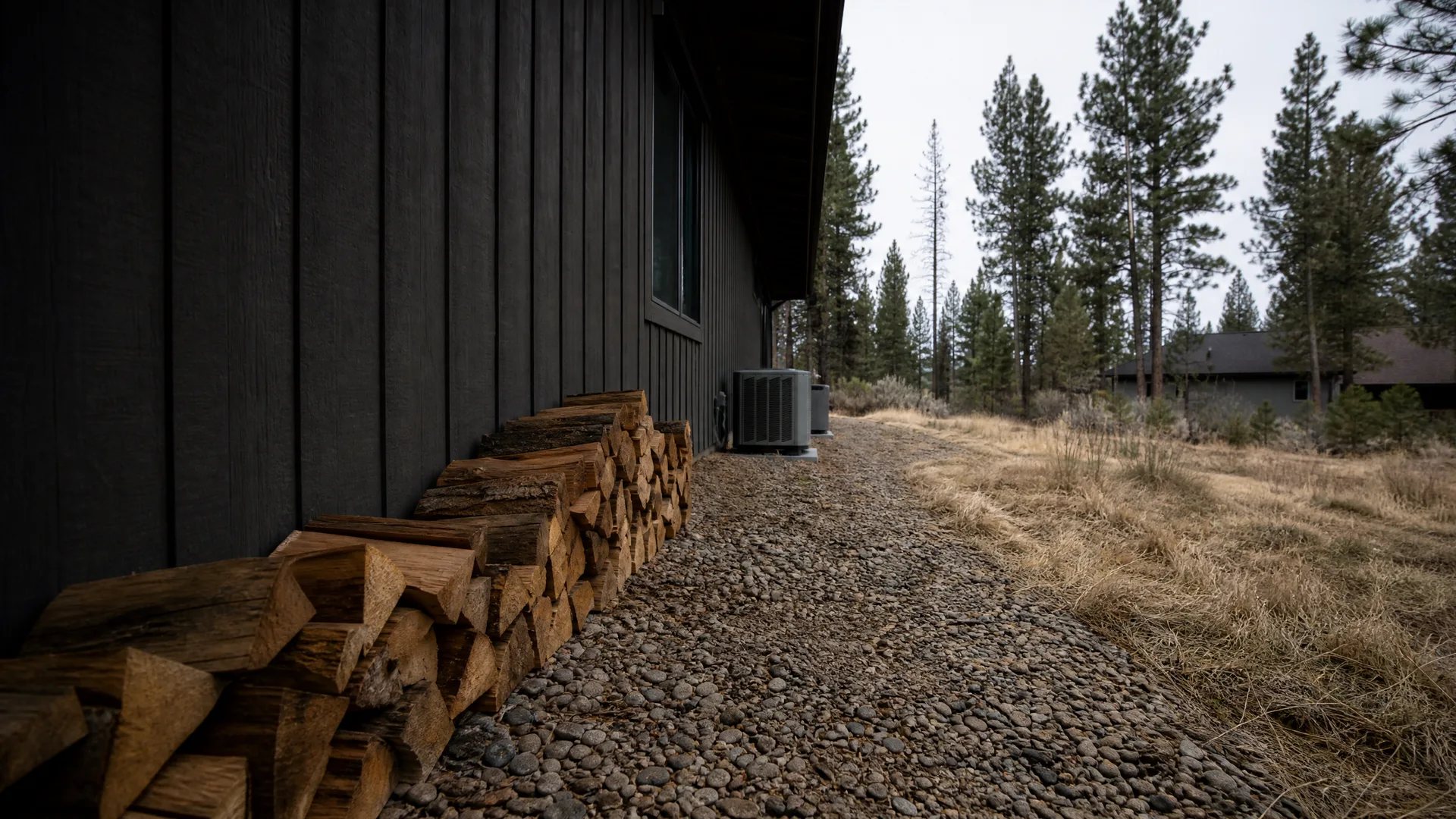
Putting in a gas furnace where one already ran means the gas line, the vent and the ductwork are already there. A switch to electric heat would mean new wiring and possibly a new electrical panel, work a straight swap does not need.
NOAA nClimDiv, 1991–2020 normals
Gas costs $12.55 per million Btu in Utah, nothing unusual for the region.
A standard furnace sized to your house is the right call here, not an upgrade to chase savings.


Juab County falls under zone 5B, a cool, dry climate where heating is the bigger job for any furnace. A furnace installed here has to reach at least 80.0 percent AFUE, the current federal minimum for a non-weatherized gas furnace. That minimum is set to rise to 95.0 percent in a few years. A furnace installed now only has to meet the standard in place when it's built. Either way, the furnace has to be sized and rated for a place where heating carries most of the load.
Eight months of heat and nights near 20°F ask more of a furnace here than in most places, and the storms that roll through add strain a mild climate never would. Get the size and the install right from the start, and it'll carry that load for years without trouble.
Find a contractorThe old furnace does not get sold or reused. Once the new one is set, the installer disconnects the gas line, pulls the flue connection, and takes the whole cabinet out. It often comes out in pieces if it will not fit through the door whole. The heat exchanger inside is scrap steel at that point. Nothing in it gets salvaged. If it is a forced air system, the new furnace usually connects to the same duct trunk and the same vent, so there is not much left to see once the old one is gone. A tech pulling the old unit can often tell you how it was failing. Maybe the heat exchanger had cracked. Maybe the blower motor was worn, or a bad limit switch was causing it to short cycle. None of that carries over. The new furnace starts clean.
A contractor works out the right size room by room, adding up the walls, windows and ceiling area that lose heat, not by matching whatever furnace is already in the basement. The old one may have been wrong from the day it went in. Square footage alone does not answer it either. Houses the same size can need different furnaces depending on how many windows they have and how the rooms are laid out.
A furnace too big for the house heats the air fast and shuts off again before it has run long enough to warm the place evenly or pull moisture out of the air. That short cycling wears the ignition system and the blower harder than steady runs would, and it leaves rooms far from the thermostat colder than the rest. Bigger is not a cushion. It is a furnace doing the wrong job.
Estimates for a typical Juab County home, from EIA household energy data, Utah fuel prices and NOAA climate normals. Your home will differ.
Install day starts with the house, not the furnace. The crew shuts off gas and power to the old unit before anything gets disconnected, then pulls the old cabinet out and clears the space down to the floor or platform underneath. A new furnace almost never bolts straight onto the old footprint without some fitting. The flue might need a new connector, the gas line might need a new shutoff valve, and the plenum on top often gets rebuilt in sheet metal to match the new cabinet's dimensions. Once the furnace is set level and secured, the gas line gets pressure tested for leaks before the burners ever light. Only after that does the crew run it through a full cycle, checking the flame, the temperature rise across the heat exchanger, and the blower speed against what the ductwork actually needs.