Heat pump vs furnace in Juab County, Utah

Get Matched With a Pro

Install quotes in Juab County

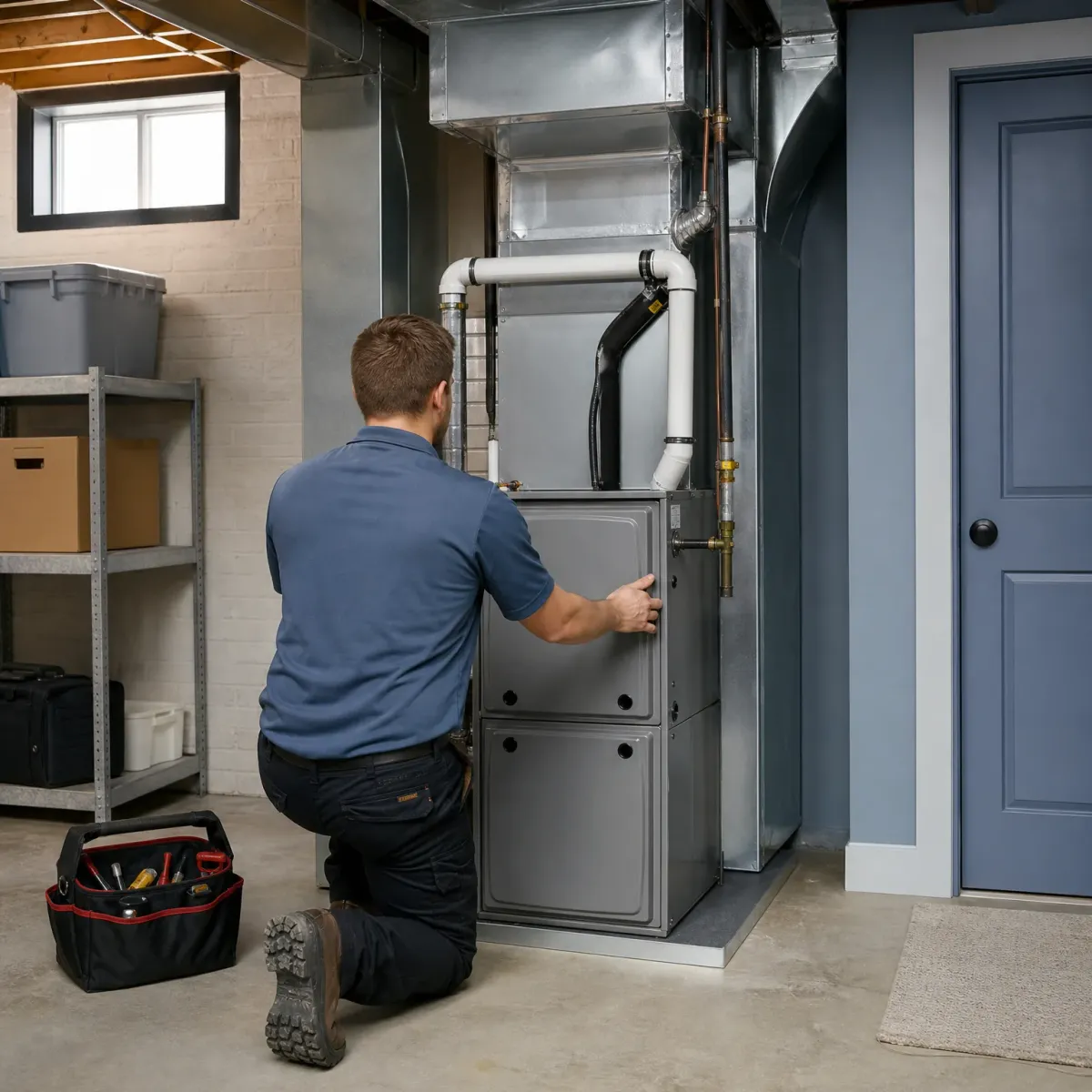
A man in a blue shirt kneels beside a gray furnace in a basement, holding its access panel, with a tool bag on the floor, shelving with boxes behind him, and ductwork overhead.

Tell us about the job

Takes about a minute. No obligation.

New system or replacementJuab County, UT
Step 1 of 3

What kind of equipment?

Which costs less to run in Juab County?

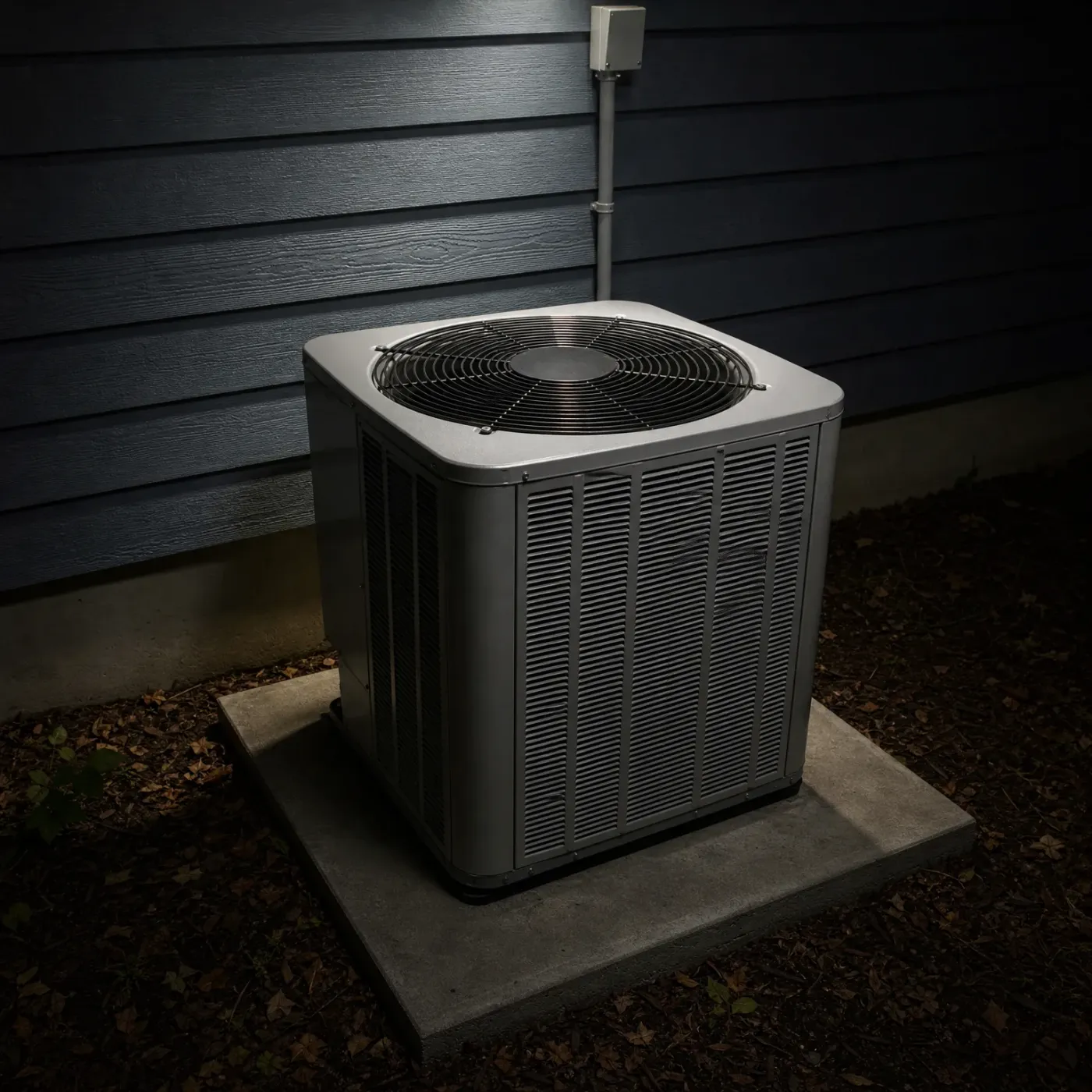
An outdoor air conditioner condenser unit with a top fan grille sits on a concrete pad beside a dark horizontal-lap sided wall, with a conduit and electrical disconnect box above it and fallen leaves on the ground.

Heat pump

To heat your home here$1.63per 100,000 Btu

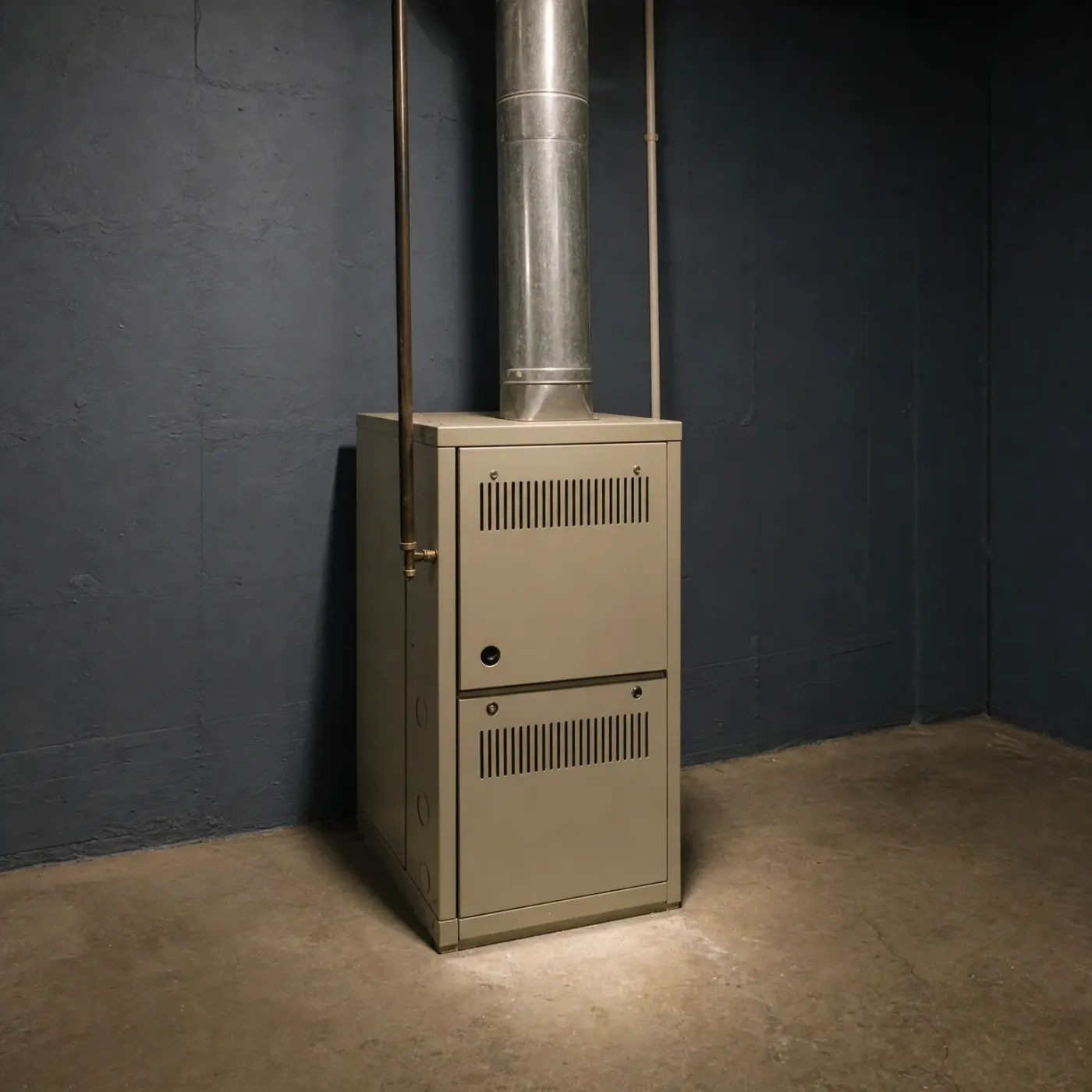
A beige sheet-metal furnace with louvered access panels stands on a concrete floor in a corner against dark gray walls, with a metal flue pipe rising from its top and two thin pipes running up the wall.

Furnace

To heat your home here$1.57per 100,000 Btu

At Utah's gas and electricity prices, a heat pump and a gas furnace cost about the same to run here.

Btu stands for British thermal unit, the standard measure of heat energy.

Where does a heat pump shine?

  • Heats and cools in one system

    Winter and summer are covered by the same outdoor unit. That's one machine to service instead of two.

    A living room with a cream sofa and grey throw beneath a blue-framed window overlooking a green garden, with a wooden coffee table holding books, a bowl and a vase of greenery in the foreground and blue built-in shelving at right.
  • No gas line, nothing burning in the house

    There's no gas line to the unit and no flame anywhere in it. Carbon monoxide isn't part of the picture.

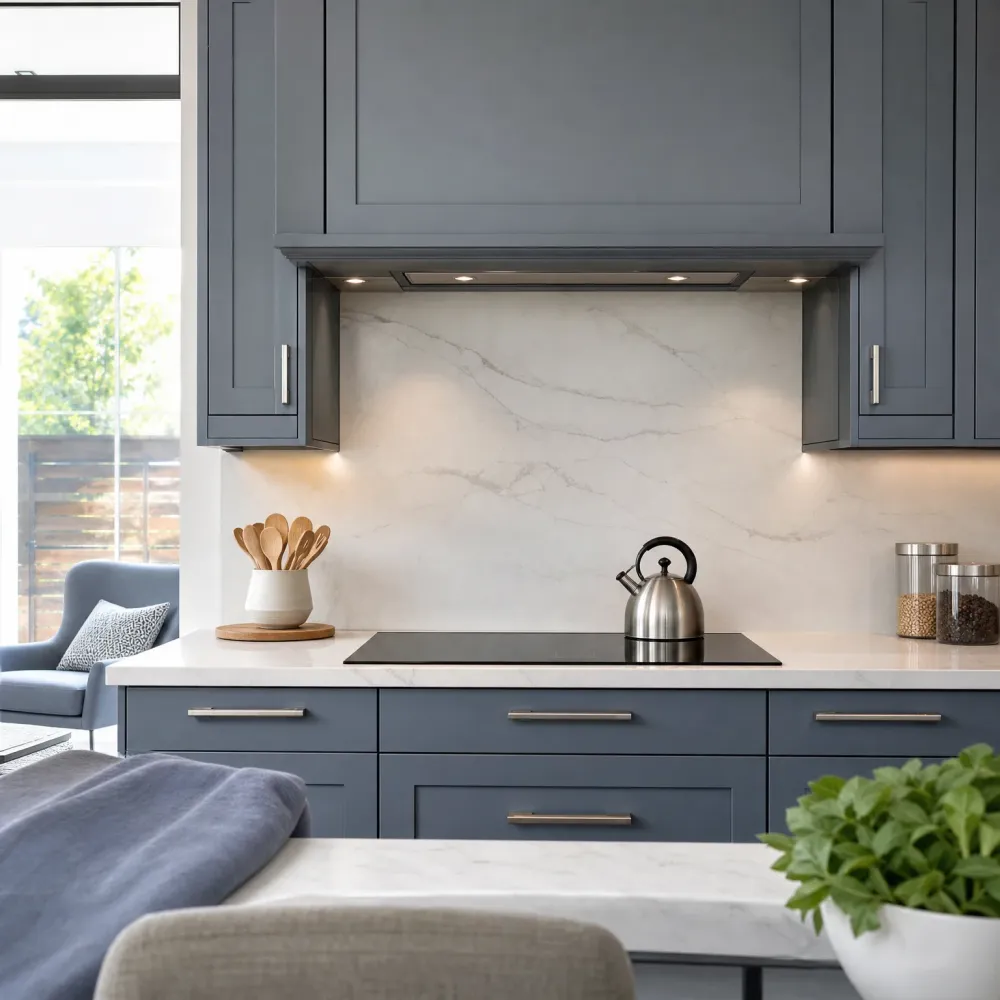
    Kitchen with slate-blue shaker cabinets, white marble-patterned countertops and backsplash, a built-in range hood, an induction cooktop with a stainless steel kettle, a crock of wooden spoons, glass storage jars, and a potted green plant in the foreground.
  • Steady, even comfort

    It eases up and down with the weather. There are fewer swings between too warm and too cool.

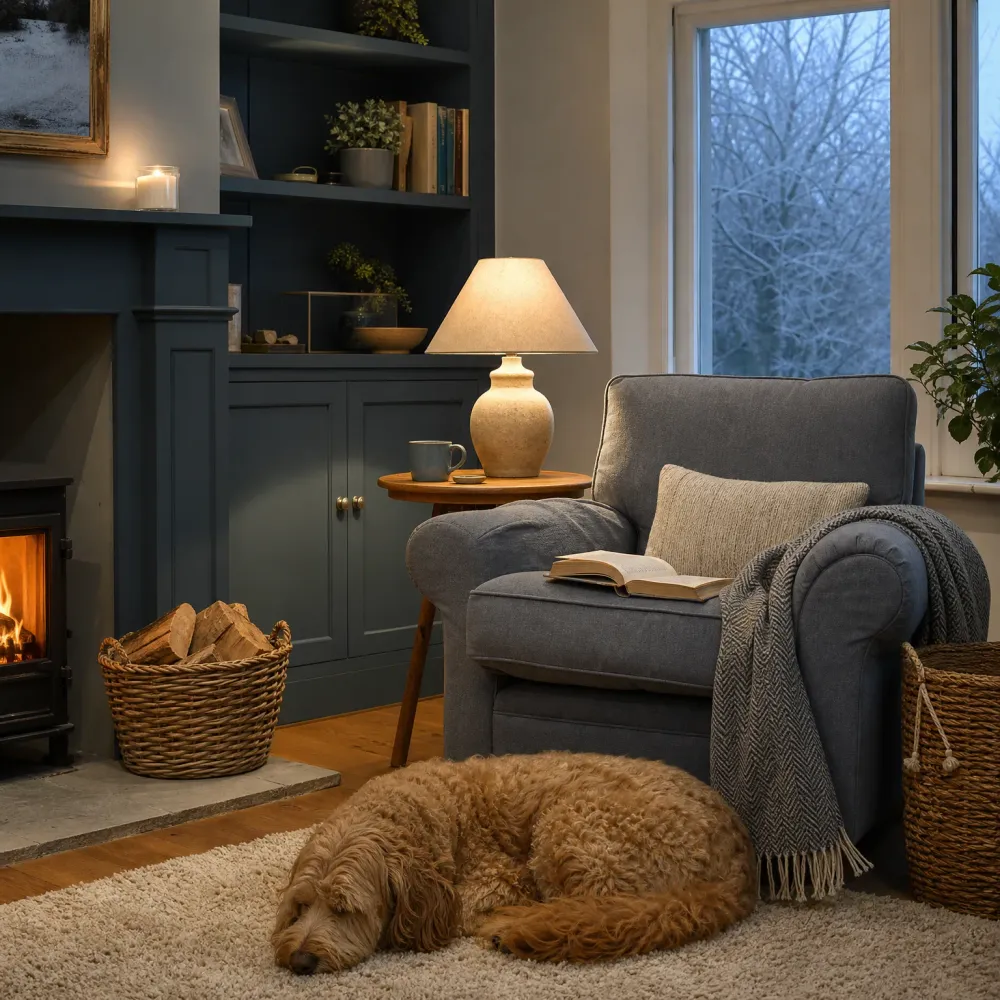
    A living room with a lit wood stove, dark blue-grey fireplace surround and built-in shelving, a grey armchair with a herringbone throw and open book, a lit table lamp on a small wooden side table, a basket of logs, and a curly-coated tan dog sleeping on a cream rug.

Where does a furnace shine?

  • Strong, steady heat in hard cold

    Nights here average 20°F through December, January and February. A furnace puts out hot air from the first cycle and keeps putting out that same heat no matter how cold it gets outside, so the coldest nights of the year aren't a strain on it.

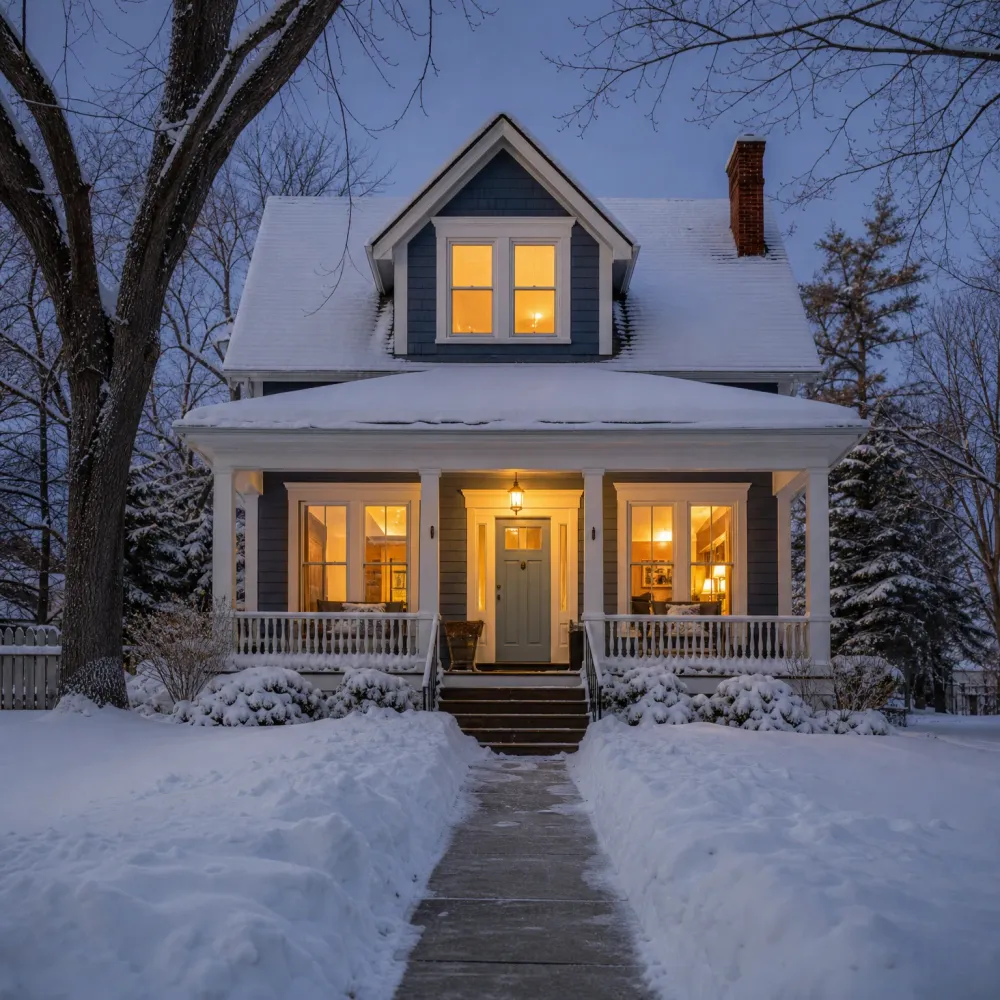
    A two-story house with dark blue siding, white trim and a covered front porch at dusk, with lit windows, snow on the roof and ground, a shoveled walkway leading to the steps, and bare trees and evergreens around it.
  • Runs on the gas most homes here already use

    Most homes in Juab County, 74.2%, already run on utility gas. If yours is one of them, a furnace just taps into the line that's already there.

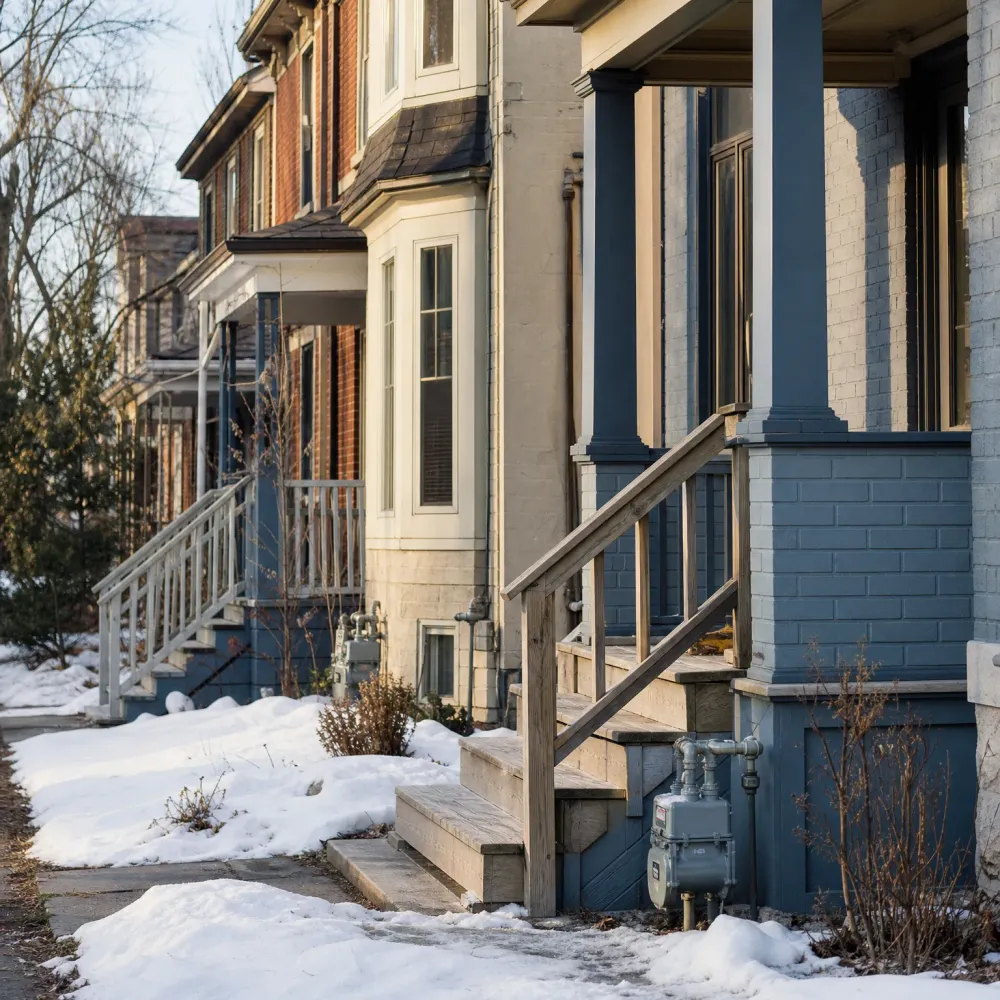
    A row of attached houses with covered porches, wooden stair railings and painted blue-grey brick, with snow covering the front yards and a gas meter beside the steps.
  • Proven, simple, easy to get serviced

    Parts are easy to find and most repairs are routine. Getting one fixed rarely means waiting on a specialist.

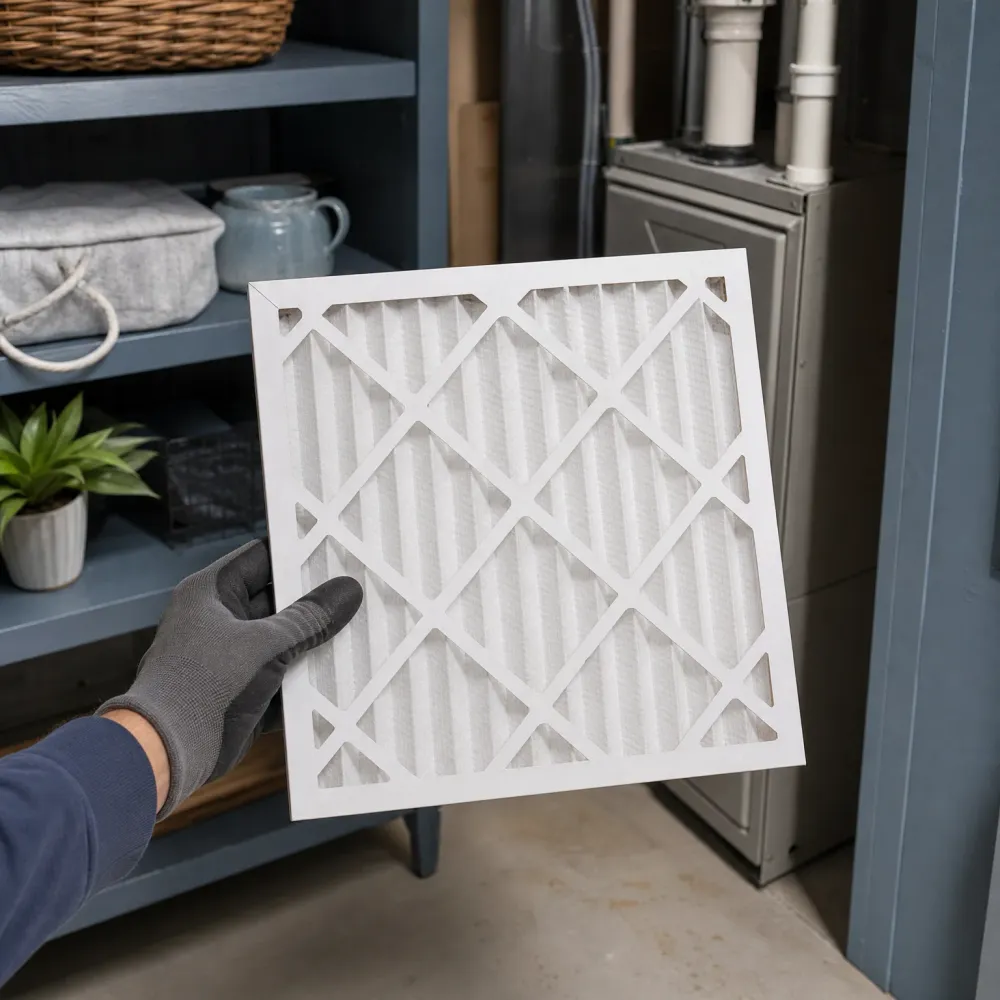
    A gloved hand holds a white pleated air filter in front of a blue shelving unit and a gray furnace with venting pipes.

What the cold does to a heat pump here

Heat runs eight months a year in Juab County, October through May, so winter performance is most of the decision. A gas furnace makes the same heat no matter how cold it gets outside. A standard heat pump doesn't work that way. Below 40°F it puts out less than its rated capacity. Below about 35°F it usually needs backup heat to cover the rest. The average overnight low here in December, January and February is 20°F, below both of those marks. Of the roughly 155 nights a year that drop to freezing or below, every one of them is colder than 35°F too.

That doesn't mean a heat pump can't heat a house here. It means the model matters. ENERGY STAR's Cold Climate rating requires a heat pump to still produce 1.75 units of heat per unit of electricity at 5°F, and to hold onto 70 percent of its 47°F capacity at that temperature, checked by outside testing. A two-winter field test of cold-climate models in occupied homes found backup heat covered only a small share of the load between 0°F and 35°F, and the homes rarely ran on backup heat alone even above 0°F. The nights that actually reach 0°F here are few, about 4 a year. A standard heat pump built to the federal minimum will lean on backup heat through most of a Juab County winter. A cold climate model is built to avoid that.
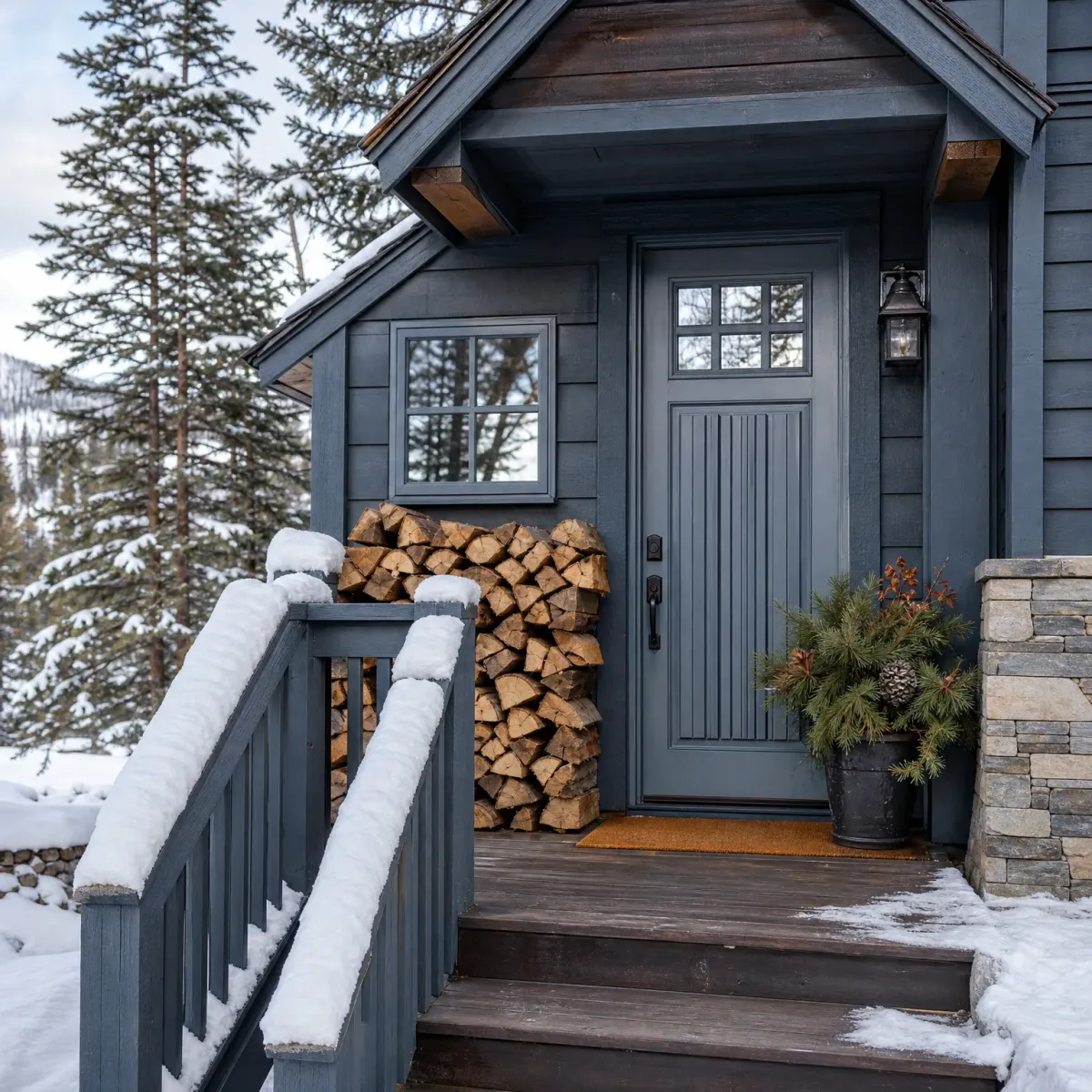
Entry porch of a dark blue-gray wood-sided house with a paneled door, wall lantern, stacked firewood, a potted evergreen arrangement, stone-clad pillar, and snow-topped railings beside wooden steps, with snowy conifers behind.

Cost, cooling, and what's already in the house

At Utah's current fuel prices the two run close: $1.63 per 100,000 Btu for a heat pump at the federal minimum, $1.57 for a gas furnace at the federal minimum. The furnace number covers one job. A furnace does nothing for the four months a year it isn't needed, while a heat pump spends those months running the air conditioning instead. About 50 days a year here reach 90°F or above, so that second job is real.

Three in four homes in Juab County heat with utility gas, so for most houses here the gas line and the ductwork built for a furnace are probably already in place. A little under one in five heat with electricity now. If your house is already set up for gas, a furnace is the simpler path. If you're also replacing or adding air conditioning, a heat pump does both jobs with one system instead of two.

Sources: NOAA nClimDiv · NOAA 1991–2020 seasonal normals · Census ACS 2020–2024 · EIA SEDS 2024 · 10 CFR 430.32 · PNNL Building America guide · PNNL-37127 field study · ENERGY STAR product criteria

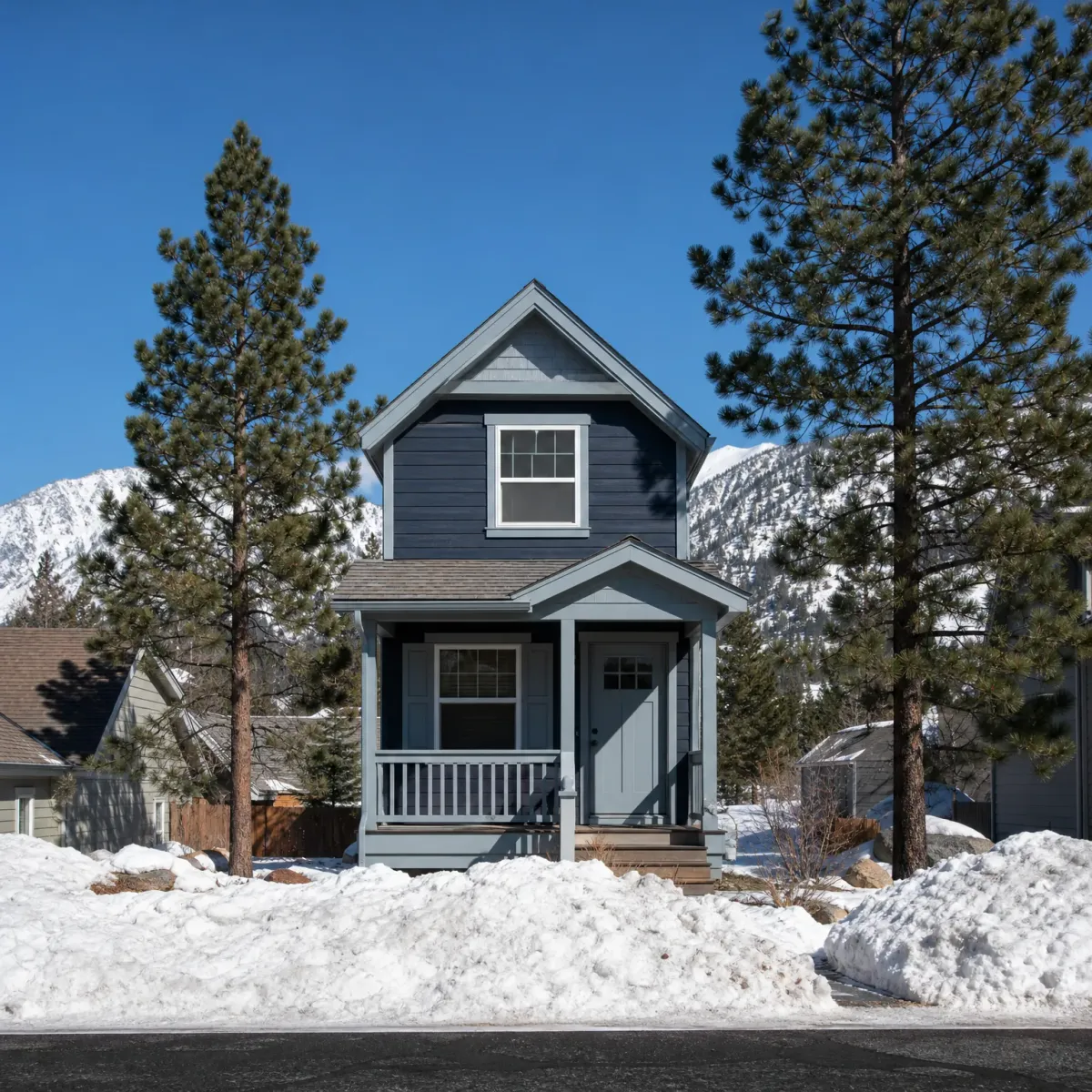
A small two-story dark blue house with a covered front porch and gabled roof, flanked by tall pine trees, with snowbanks in the foreground and snow-covered mountains behind under a clear blue sky.

Common questions about heat pumps and furnaces

  • Can a heat pump heat a house through a Utah winter?

    It can, but a standard one struggles once it gets cold enough. Below 40°F a heat pump puts out less than its rated capacity, and below about 35°F it often needs backup heat to keep the house warm. The overnight low here averages 20°F across December, January and February, and falls to freezing or below on about 155 nights a year, so that backup kicks in a lot.

  • Do I need backup heat with a heat pump here?

    Most homeowners here will want it. A standard heat pump's output falls below its rating once it's under 40°F outside, and it typically needs backup heat below about 35°F. The average winter night in Juab County is 20°F, and over half the nights in the 8 months the heat runs here drop to freezing or colder, so the heat pump will be leaning on that backup often.

  • Can I keep my furnace and add a heat pump?

    Yes, and it's a common setup. The heat pump does the work most of the year, and the furnace switches on once it's too cold for the heat pump to keep up on its own. Here that split matters: overnight lows average 20°F in December, January and February, well below the point where a standard heat pump starts losing capacity.

  • Is a heat pump cheaper to run than a furnace in Juab County?

    No, not here. A gas furnace runs $1.57 per 100,000 Btu of heat against $1.63 for a heat pump, using Utah's average fuel prices and both machines built to the federal minimum. The gap is small, but at these prices gas comes out slightly ahead.