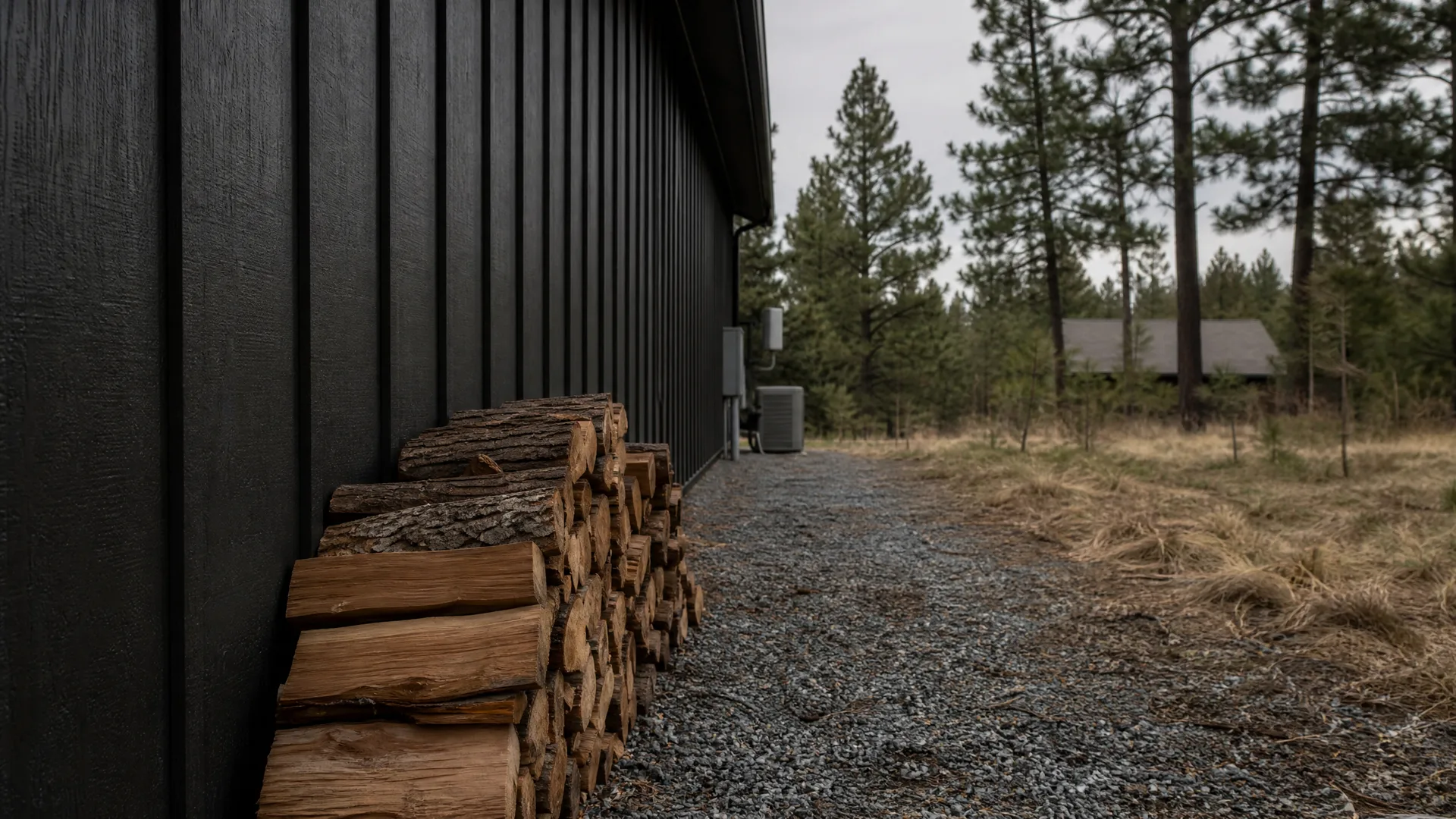





A stack of split firewood along the base of a black vertical-board building wall, with a gravel path, dry grass, and pine trees under an overcast sky.

Heat Pump Repair in Nephi, UT

Tell us about the job

Takes about a minute. No obligation.

RepairHeat PumpJuab County, UT
Step 1 of 2

What ZIP code is the job in?

Nephi winters bring overnight lows around 20°F, and that's exactly the range a heat pump has to work hardest in. Your system still pulls heat from outside air even at that temperature, but it depends on the reversing valve, the defrost control and the outdoor coil all doing their job. When one of those falls short, the first thing you'll notice is warm air that doesn't feel warm enough, or a unit that runs long and still can't keep up. That's rarely about the cold itself. It's usually a stuck valve, a failed sensor, or a coil that's iced over and not defrosting on schedule. A contractor checking it against the actual fault, not just the weather, is what gets it running right again.

8 months
October through May, your system heats
3 months
June through August, it cools
20°F
the average winter night it heats against
88°F
the average summer afternoon it cools against
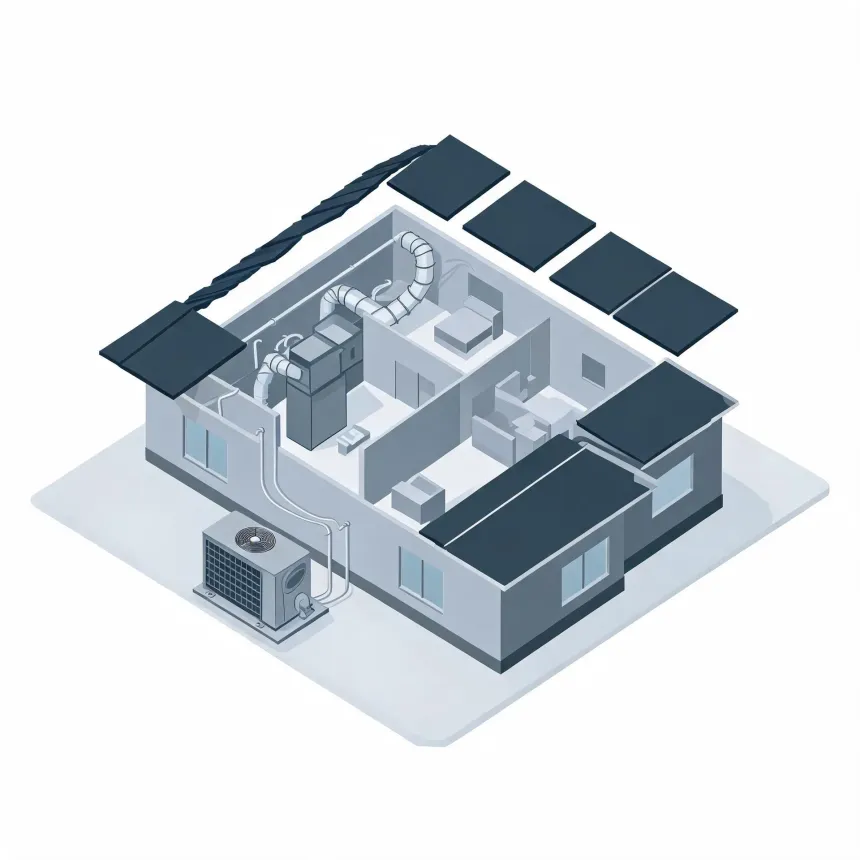
Isometric grayscale illustration of a cutaway single-story house showing interior rooms, ductwork and an air handler, an exterior condenser unit connected by lines, and dark solar panels on the roof.
Your system heats October through May and cools June through August.

NOAA nClimDiv, 1991–2020 normals

Heat pumps here start running heat in October.

A part that limped through last winter usually fails in the first cold snap, not mid-season.

Half the homes in Juab County were built in 1982 or later, and a heat pump that age is worth fixing

Half the homes here were built by 1982
48 damaging wind events from 2015 to 2024
72 winter storms from 2015 to 2024
A fix that costs less than you're guessingElectricity here runs 12.22 cents a kilowatt-hour, and most heat pump repairs are a single part, not a new system.

If your heat pump came with a newer build, call a repair out before you think about replacing it. A system installed when the house was built has most of its working life still ahead, and the fault is more likely a part than the unit itself. Have the contractor confirm the install date against the unit's age rather than guessing from the house alone. That's what tells you whether you're looking at a repair or something more.

Get the usual fix

Nothing about this area is especially hard on it. It's most likely the usual problem with the usual fix.

Find a contractor
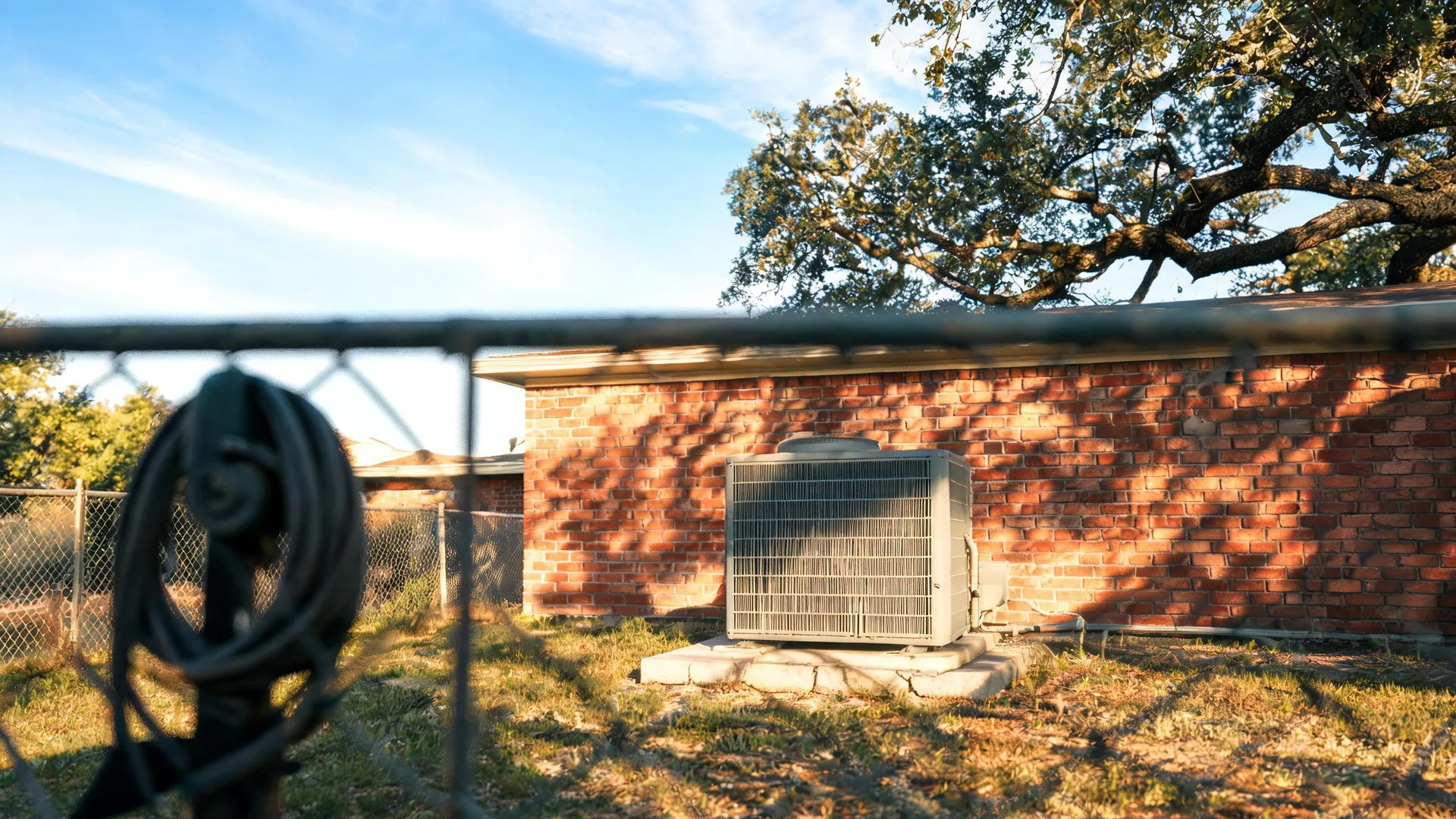
A residential heat pump outdoor unit mounted on a concrete pad next to a house with gray vinyl siding.

One visit, one part at a time

A diagnostic visit starts outside, at the unit itself. The tech checks refrigerant pressure, looks at the reversing valve, and watches how the outdoor coil is doing. If it's iced over, that's the first clue, because a heat pump is supposed to clear that ice on a defrost cycle and come back to heating. When it doesn't, the fault is usually in the defrost control board or the sensor that tells it when to switch. From there the tech checks the indoor side, airflow across the coil, and the readings at the thermostat against what the system is actually doing. Most of this gets sorted by testing one part at a time against what a working unit should read, not by guessing from the symptom alone.

The capacitor gives out first

The compressor and the outdoor fan both depend on a run capacitor to keep them going once they start. That part wears out faster than almost anything else in the system, and when it goes, the fan may spin slow or not at all, or the compressor hums without starting. It's a small part doing a job under constant strain, so it's usually the first thing to fail.
A reversing valve that won't shift

The reversing valve is what lets a heat pump switch between heating and cooling, and it can stick in one position from corrosion or a weak solenoid. When that happens the system keeps running but stops doing the job it was told to do, blowing cold air when it should be heating. It's a mechanical part failing, not a sign the refrigerant or the compressor is at fault.

Before you call, go outside and look at the unit. If the outdoor coil is caked in ice or snow, that's worth noting, but don't knock it off or hose it down. Check that the outdoor fan isn't blocked by anything, leaves, a cover, ice buildup, and that there's clear space around the unit. Inside, check the air filter. A clogged filter starves the system of airflow and can make a working heat pump seem like it's failing. Check your thermostat is set to heat, not auto or cool, and that the batteries aren't dead if it's the battery kind. Look at your breaker panel for anything tripped. None of this fixes a stuck reversing valve or a bad defrost board, but it rules out the simple stuff before someone drives out to look at the rest.

Most heat pump repairs are worth doing. The unit is built around a compressor, and that part is expensive to replace but it's also the part that fails least often. What actually breaks, a capacitor, a reversing valve, a defrost sensor, costs far less to put right and doesn't mean the compressor is in any danger. The question worth asking is whether the compressor itself is the problem, since that's the one repair that starts to compete with replacing the system outright. A tech can tell you that from pressure readings and how the compressor is drawing power, not from guessing at the unit's age. Short of that, a heat pump that's heating and cooling fine between breakdowns usually just needs the one part replaced.