Gas is the default here
Utility gas heats 67.8% of homes in Millard County. Most furnace installs in Delta are a straight gas furnace swap, not a switch in fuel type.
Takes about a minute. No obligation.
Utility gas heats 67.8% of homes in Millard County. Most furnace installs in Delta are a straight gas furnace swap, not a switch in fuel type.
If your old furnace ran on gas and the gas line is already there, a contractor is matching a system to venting and gas service that already exist, not building either from scratch.
NOAA nClimDiv, 1991–2020 normals
Half the homes in Millard County were built in 1974 or earlier, half in 1974 or later.
A furnace sized to your square footage and duct run works the same in either one.
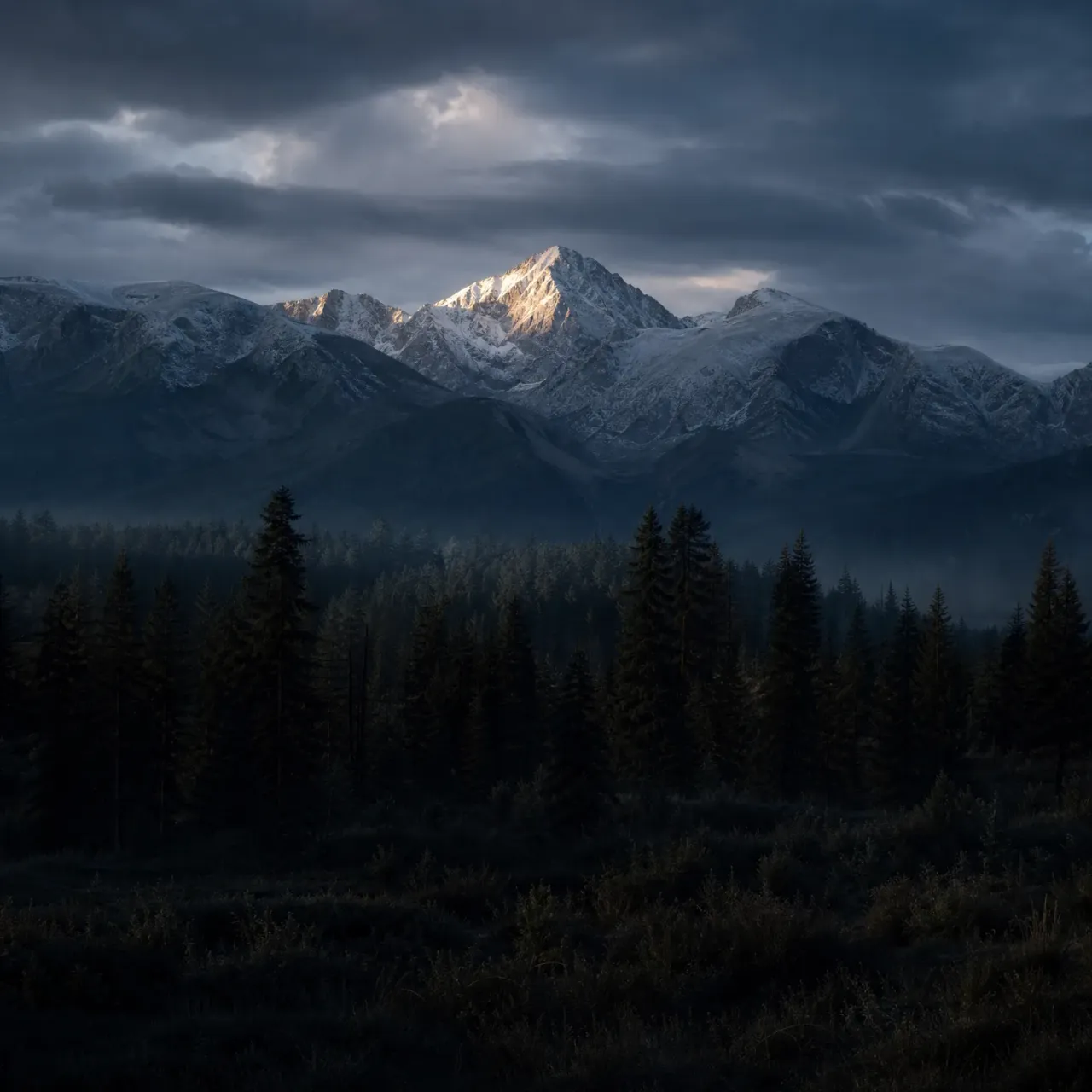

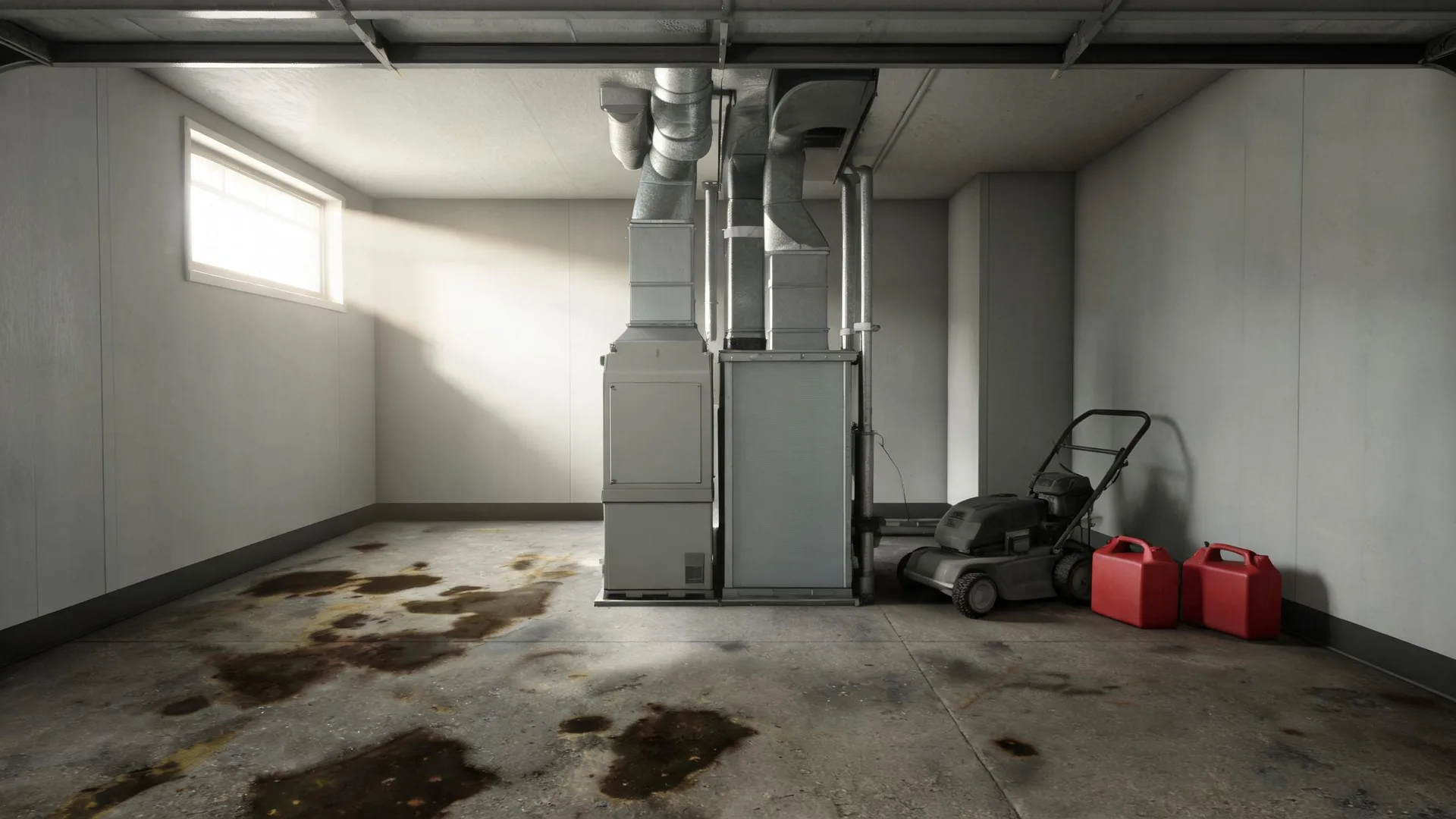
A contractor disconnects the old furnace from the gas line, the vent, and the return and supply ducts before the new one goes in. If the venting changes, say from a furnace that vented through a chimney to one that vents through a sidewall, that gets addressed as part of the swap, not left for later. The old unit itself is hauled away. Inside, the heat exchanger and burners on the furnace being removed have usually seen years of heating and cooling cycles, and that wear is exactly why a straight swap makes sense once a furnace is on its way out rather than waiting on a repair that only holds until the next cold snap. Matching the new furnace to the existing duct run and gas service is the real work. The old equipment leaving is just what happens at the end of it.
A standard size and efficiency fit fine here. There's no local reason to go bigger or pricier.
Find a contractor
Sizing a furnace comes down to a load calculation, not a tape measure on the old unit. A contractor works out how much heat the house actually loses through its walls, windows, and ceiling, then matches a furnace output to that number. Square footage alone misses too much. Houses the same size can lose heat at very different rates depending on insulation and window area, and the only way to know is to run the calculation on this house. Oversized is just as much a problem as undersized. A furnace that's too big heats the space fast, shuts off, then starts again shortly after, and that short cycling is harder on the burners and heat exchanger than a longer, steady run. Undersized means it runs constantly and still can't hold the temperature on the coldest nights. The right size runs longer cycles at a steady output, which is both more comfortable and easier on the equipment over time.
AFUE tells you how much of the fuel burned turns into heat in the house versus going out the flue. A furnace with a higher AFUE costs more to buy and less to run, but that gap only pays off over a long winter. Ask what rating a quote is actually built on, not just what's available.
Contractors can agree on the tonnage and still disagree on how they got there. One measured the duct run and square footage. The other matched the old furnace without checking it was right to begin with. Ask whether a load calculation was done. That's what decides whether the furnace short-cycles or struggles to keep up, not the brand on the cabinet.
Estimates for a typical Millard County home, from EIA household energy data, Utah fuel prices and NOAA climate normals. Your home will differ.
Install day starts with the old furnace coming out and the new one going through a startup sequence before anyone calls it done. Gas gets connected and a contractor checks for leaks at every joint before the burners ever light. Once it's running, the vent gets checked for proper draft, pulling exhaust out instead of letting it spill back into the house. The gas pressure gets set to match what the furnace is built for, since too high or too low both cause problems down the line. Airflow across the heat exchanger gets checked too, because too little airflow is what cracks a heat exchanger years before it should fail. None of this takes long, but skipping it is how a furnace runs rough for years instead of running right from day one.