Gas is the default here
Utility gas heats 66.4% of occupied homes in Iron County. If your house already has a gas line run to it, a gas furnace is almost always the straightforward replacement.
Takes about a minute. No obligation.
Utility gas heats 66.4% of occupied homes in Iron County. If your house already has a gas line run to it, a gas furnace is almost always the straightforward replacement.
Because gas furnaces are so common here, most contractors in the area install and service them regularly. Parts, venting setups and sizing experience for gas furnaces are easy to find, which keeps the job predictable.

NOAA nClimDiv, 1991–2020 normals
A furnace sized by square footage alone is a guess, not a calculation.
A proper load calculation checks your insulation, windows and layout, so the furnace matches the house instead of overshooting it.



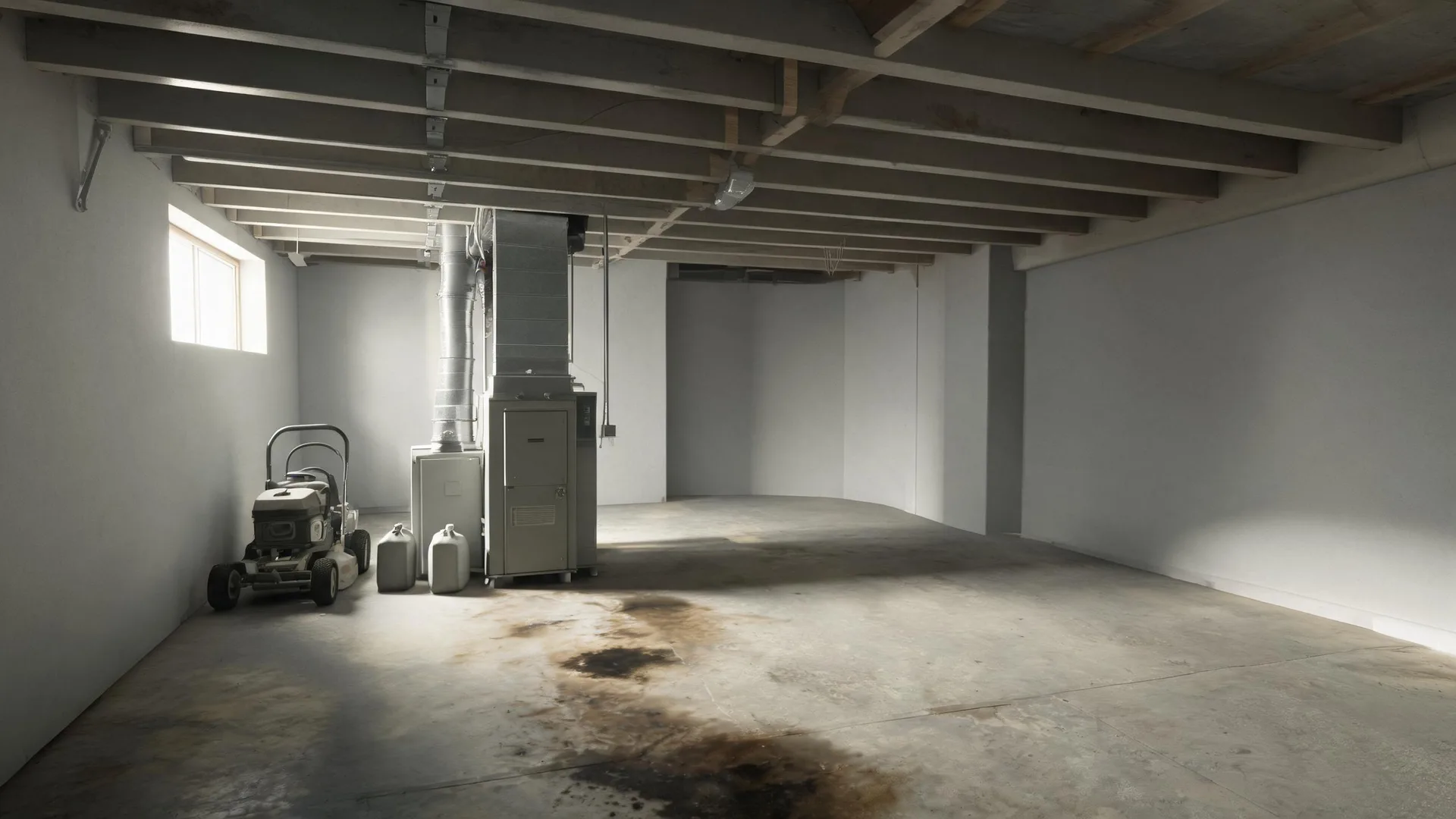
The size of the furnace matters more than the brand. A unit too big for the house will short cycle, turning on and off before it ever warms the place evenly, and that wears out parts faster than steady running would. Venting is the other piece that drives the work. A high efficiency furnace vents through PVC pipe and needs a condensate line to drain, so if the old furnace vented through a metal flue, some of the job is building that new venting path, not just swapping the unit. Ductwork gets checked too. If the existing ducts were sized for the old furnace, they may need adjusting so the new one can push air the way it is designed to.
Furnace here runs about eight months a year, October through May, and overnight lows average 20°F through December and January. Winter storms have hit the county 36 times over the past decade. A furnace sized right keeps up with all of that. One sized wrong will struggle or short cycle through every one of those months.
Find a contractorThe efficiency rating on the label tells you how much of the fuel it burns turns into heat in the house, and how much goes out the flue. A furnace running that many months a year is burning fuel the whole time, so that rating is working for or against you every single day it runs, not just on the coldest ones. A higher rated furnace costs more up front, and it earns that back through the stretch of the season where it runs steady, morning to night, for months at a time. The rating on the label is tested under set conditions, so the duct losses, the sizing, and how well the place holds heat still decide what you actually get out of it.
The gas line gets capped or reconnected to the new unit, the old venting comes out, and the furnace itself leaves with the crew. None of it gets left behind for you to deal with.
A cracked heat exchanger, a failing inducer motor, whatever finally gave out, none of that is diagnosed on the new furnace. It starts clean, and any problems from here are new ones, not the old ones resurfacing.
Estimates for a typical Iron County home, from EIA household energy data, Utah fuel prices and NOAA climate normals. Your home will differ.
Installation day starts with the old furnace coming out and the new one going through startup checks before the crew leaves. The gas line gets pressure tested, since a leak there is not something anyone can guess at. The venting gets tested for draft, confirming it pulls exhaust out instead of letting it spill back into the house. Ductwork gets connected and the airflow gets checked against what the new furnace is rated for, because too little airflow across the heat exchanger causes problems down the line. The thermostat gets wired and tested through a full cycle, heat on, fan running, heat off, before anyone calls the job done. None of that takes guesswork. Each step either passes or it gets fixed on the spot.