



An unfinished basement featuring a forced-air furnace, exposed wooden ceiling joists, bare concrete walls, and miscellaneous items including cardboard boxes and coiled cables on the floor.

Furnace Installation in Loa, UT

Tell us about the job

Takes about a minute. No obligation.

New system or replacementFurnace or heatingWayne County, UT
Step 1 of 2

What ZIP code is the job in?

Electricity in Utah runs $35.80 per million Btu, and that number hits your bill every time the furnace cycles on. A new furnace built around that cost makes sense here in a way an old inefficient one does not. If yours is old, it's working harder than it needs to just to push heat through the house, and you're paying for that extra work all winter. A furnace sized and installed correctly for your home burns less to do the same job. That difference shows up every month it runs, not just once.

8 months
October through May, your furnace is on duty
21°F
the average winter night it heats against
80% AFUE
the federal minimum any new unit must meet
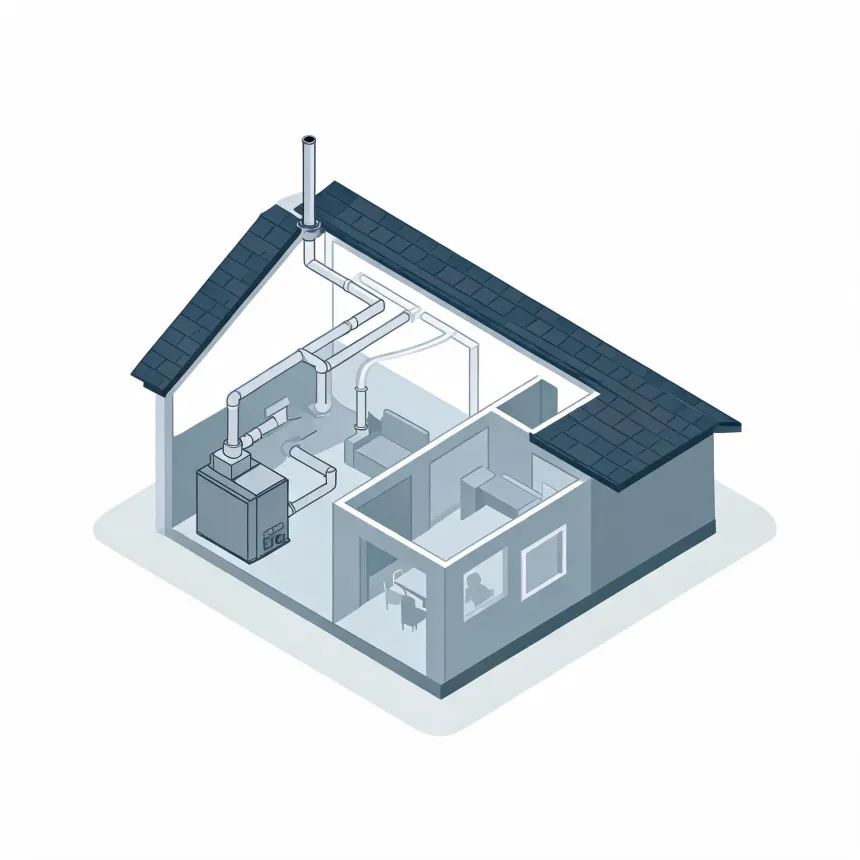
Isometric cutaway illustration of a single-story house showing interior rooms, a furnace unit with connected ductwork, and a flue pipe extending through the dark shingled roof.
Your furnace works hardest from November through March.

NOAA nClimDiv, 1991–2020 normals

Furnaces here start running in October.

Get the new one installed in September, before you need it for heat.

Eight months of heat, nights near 21, and a system that has to handle winter storms without missing a beat

Heat runs October through May
Winter nights average 21°F
32 winter storms from 2015 to 2024

Electricity heats more homes in Wayne County than anything else, 36.2 percent. Bottled or LP gas is next at 19 percent. If your house already runs on electric heat, an electric furnace is the straightforward swap, the wiring and setup are already there for it. If you're on LP gas, that's still a solid choice here and worth sticking with rather than switching fuels during an install. Either way, matching what the house already uses keeps the job simpler and the system sized right from the start.

Install to the standard this region already requires

Furnaces installed here have to hit 80 percent AFUE at minimum, zone 5B's standard under the current energy code. That minimum is set to rise to 95 percent for furnaces built from December 2028 on. Installing a high-efficiency furnace now puts you ahead of a line other homeowners will have to cross later, and a federal tax credit is available on qualifying systems.

Find a contractor
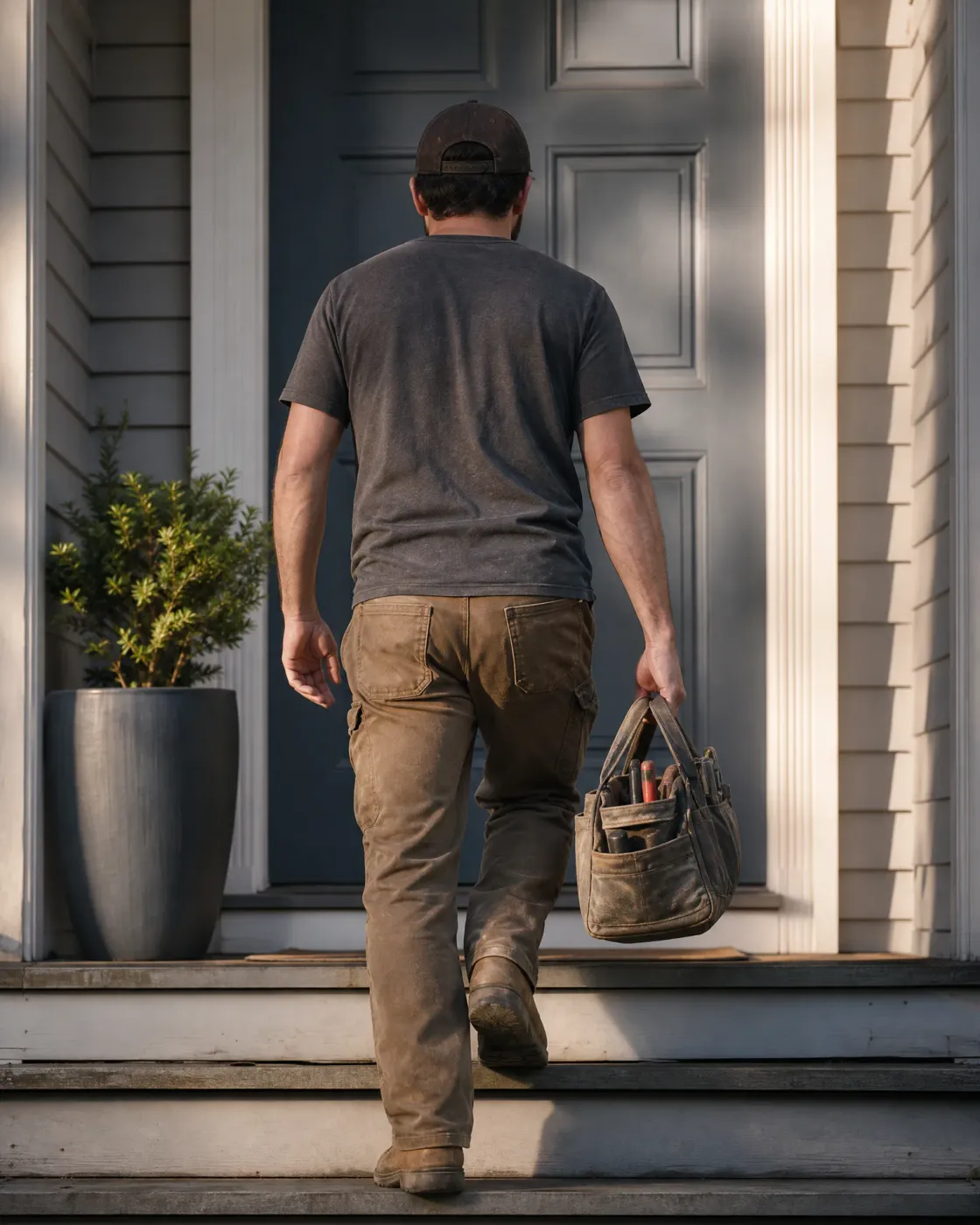
A man in a cap, gray T-shirt and brown work pants carries a worn leather tool bag up wooden porch steps toward a dark paneled front door, with a potted shrub to the left.
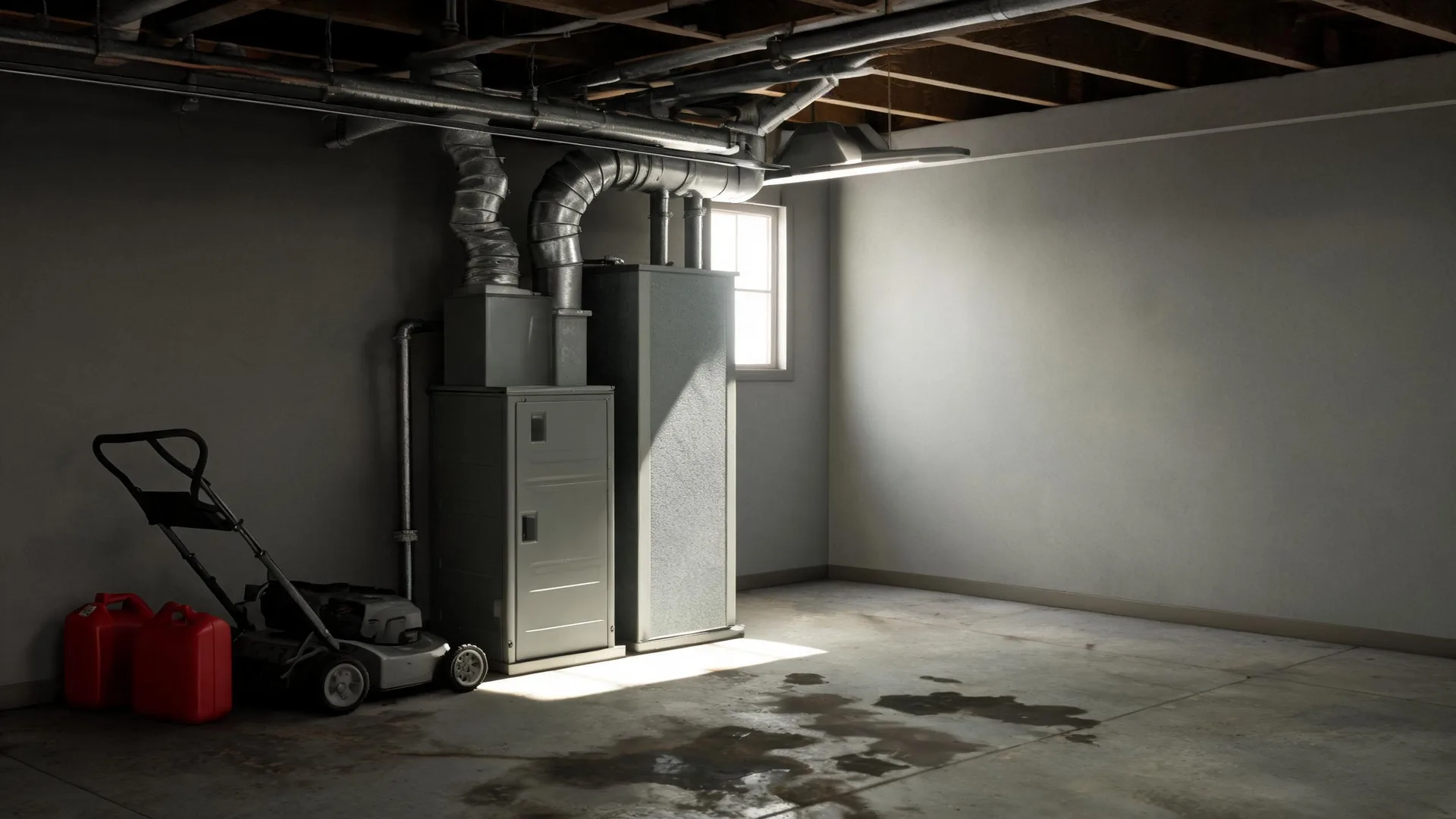
A gray gas furnace with attached ductwork and piping installed in an unfinished concrete basement.

What years of cycling on and off does to a furnace

The old furnace does not get hauled off still trying its best. By the time most homeowners replace one, the heat exchanger has been through years of expanding and contracting every time the burners fire, and that metal fatigue is exactly why a cracked exchanger is one of the top reasons a furnace gets condemned rather than repaired. The blower motor bearings wear down from running hours every winter, which is why an aging furnace often sounds louder before it fails outright. None of this means the old unit was neglected. It means it did the job it was built to do for as long as it could do it safely. A contractor pulling the old furnace will disconnect the gas or power line, cap it properly, and haul the unit out whole. There is no reason to keep one running past the point where the exchanger or the controls can no longer be trusted.

The size has to match the house

A furnace too big for the space cycles on and off instead of running a steady stretch, and that short cycling wears the ignition system and the blower faster than normal use would. One too small runs constantly and still can't hold the temperature on the coldest nights. Getting the size right means a contractor has to measure the house and calculate the load rather than just matching the old unit, and that calculation is part of what the installation involves.
The ductwork decides more than the furnace does

A new furnace pushing air through ducts that are leaky, undersized, or poorly laid out will never perform the way its rating suggests. If the ducts need sealing, resizing, or rerouting to handle the new unit, that work happens alongside the furnace swap, not after it. A furnace is only as good as the path the heat takes to reach every room.

Sizing a furnace comes down to a heat loss calculation, done room by room against the walls, windows, and ceilings of the house, not a guess based on square footage. Houses that look about the same size on the outside can need different furnaces depending on how much glass they have and how well the walls hold heat. A contractor doing this right asks about insulation and window type before quoting a unit. Matching the old furnace's size skips that step and just carries forward whatever mistake got made the first time around. The calculation also has to account for the coldest night the area sees, not an average one, because the furnace has to hold the house on the worst night, not the usual one.

Installation day starts with the old furnace coming out. The gas or power line gets capped, the flue disconnected. A lot of the work happens before the new furnace ever gets set in place. Duct connections get sealed or resized. New venting gets run if the unit needs it. The electrical hookup gets brought up to what the new control board requires. Setting the furnace itself is usually quick. What takes the time is everything around it, the gas line pressure test, the venting pitched and sealed correctly, the condensate line run and sloped if the furnace produces any. Once it's in, a contractor fires it up and checks the temperature rise across the heat exchanger, adjusting the gas valve or airflow until it sits in the range the manufacturer specifies. That last check matters as much as anything else done that day. A furnace that runs but isn't tuned to its proper rise will short cycle or run hotter than it should for years before anyone notices.