Gas here runs $12.55 per million Btu
Utah homes paid that rate in 2024. A furnace that wastes less of what it burns keeps more of each bill in your pocket over the years you run it.
Takes about a minute. No obligation.
Utah homes paid that rate in 2024. A furnace that wastes less of what it burns keeps more of each bill in your pocket over the years you run it.
A furnace with a higher AFUE rating turns more of that gas into heat for the house and sends less of it out the flue. At this price per million Btu, that difference shows up on the bill every month the furnace runs.

NOAA nClimDiv, 1991–2020 normals
Gas heats 44.7% of homes in Piute County, more than any other fuel.
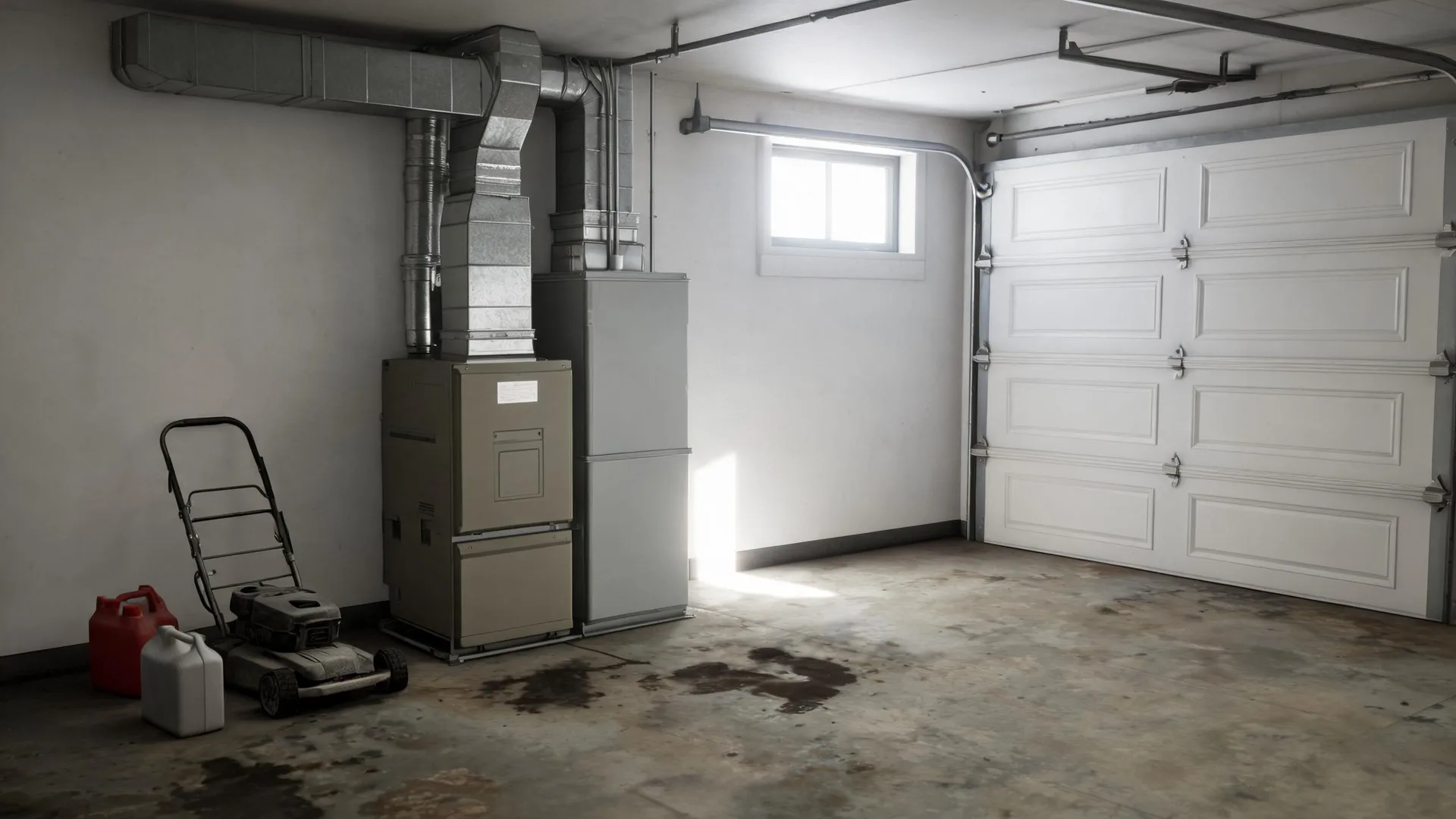
Replacing a gas furnace with another one keeps the install simple and the venting already in place.



Furnace season in Piute County starts in September and doesn't let go until June. That's ten months of the year the furnace is the thing standing between your family and a December night that drops to 16°F on average. A furnace running that much, that hard, wears differently than one that kicks on for a few months and rests. The parts that handle ignition and airflow see more cycles here than almost anywhere else. That's the case for sizing this one right from the start, not just picking whatever's cheapest on the quote.
Any new gas furnace on the market today is built to reach at least 80 percent AFUE, which covers Piute County's zone 5B requirement without any upgrade. Starting in 2028, that minimum rises to 95 percent AFUE, so a furnace bought now runs under today's rule, not the one coming. Federal credits are available toward a qualifying high-efficiency furnace, worth checking before you settle on a model.
Find a contractorTen months of heat a year, and that doesn't leave much downtime to speak of. That's the case for a contractor who sizes this furnace to the house instead of matching whatever's coming out. Undersized, it runs long and hard trying to keep up on those December nights. Oversized, it cycles on and off more than it should, and all that starting and stopping is its own kind of wear. Ask for the load calculated on this house, not guessed at from the old equipment, and ask what's backing the installation once it's in.
A contractor measures the house itself. Square footage, window count, insulation, ceiling height, all of it. That adds up to how much heat the house loses on the coldest night, and that number is what decides the furnace size. Guessing from the old unit just repeats whatever mistake was made the first time.
A furnace too small runs constantly and still can't hold the temperature on the coldest nights. One too large heats the house fast, shuts off, then starts again soon after. All that extra cycling wears on the ignition system and the blower before their time. The right size runs long, steady stretches instead of short, hard ones.
Estimates for a typical Piute County home, from EIA household energy data, Utah fuel prices and NOAA climate normals. Your home will differ.
Installation day starts with the old furnace coming out, along with the old venting if it doesn't match what the new unit needs. The new furnace gets set in place and connected to the gas line, the vent, the ductwork, and a condensate line if it's a high-efficiency model. Electrical and low-voltage wiring for the thermostat get hooked up next. Once it's running, the contractor checks the gas pressure, the temperature rise across the heat exchanger, and the airflow at the registers. Airflow that's off can leave a furnace short-cycling or heating unevenly even though it was sized right on paper. A combustion analyzer gets used to confirm the furnace is burning clean and venting properly before the job is called finished.