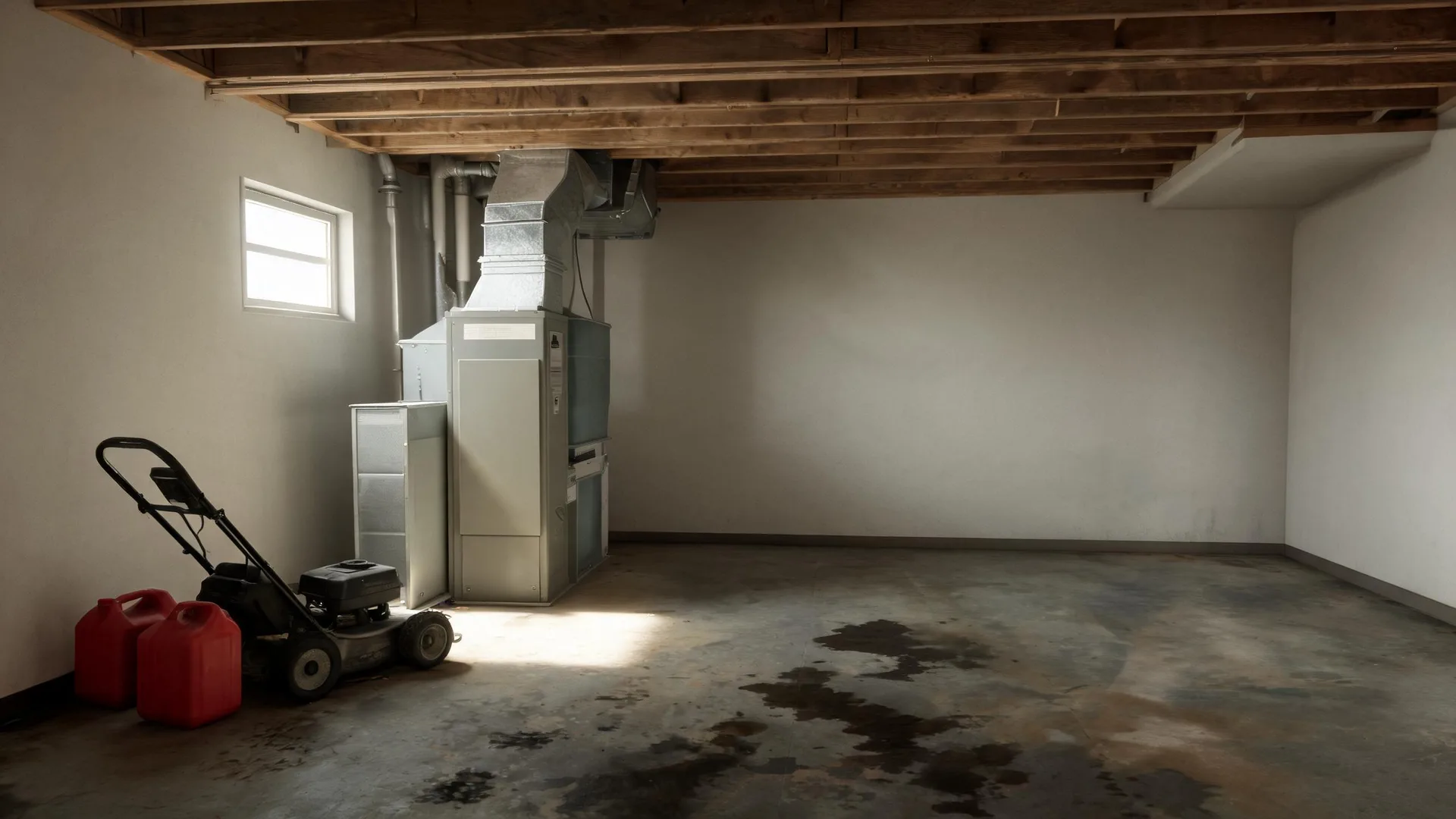
Gas is the default here
Utility gas heats 60.4% of occupied homes in Beaver County. A gas furnace is what most homes already have set up for, with the gas line and venting in place.
Takes about a minute. No obligation.
Utility gas heats 60.4% of occupied homes in Beaver County. A gas furnace is what most homes already have set up for, with the gas line and venting in place.
If your home already has a gas furnace, replacing it with another gas unit is usually the straightforward path. Switching fuel types means adding what the new system needs, whether that's a gas line or different electrical, and that changes the job.
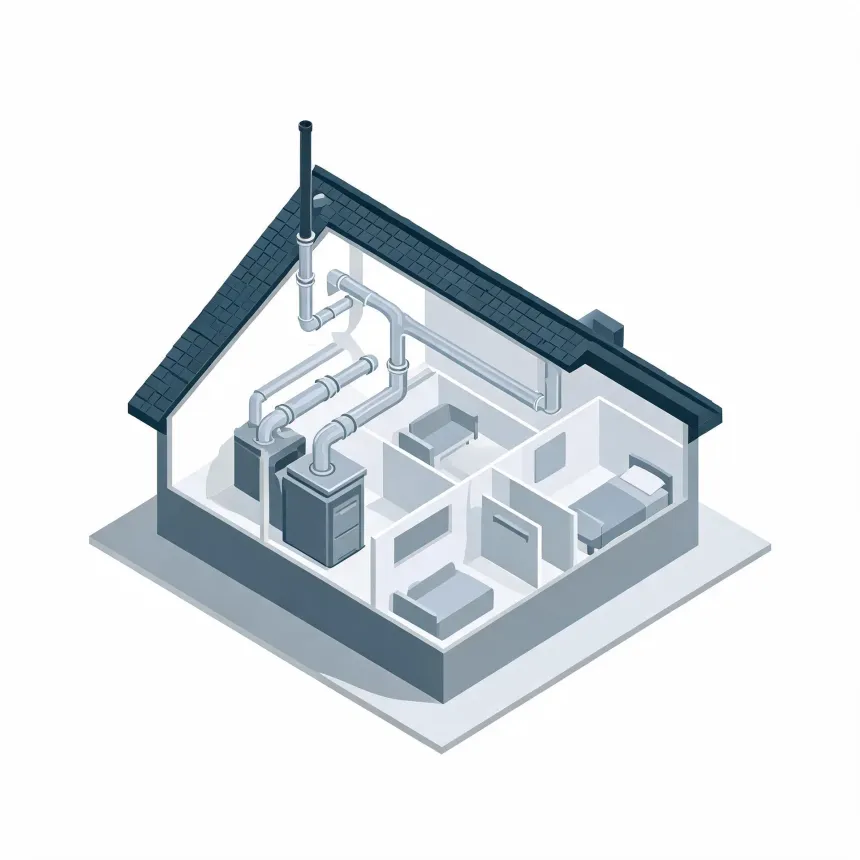
NOAA nClimDiv, 1991–2020 normals
Furnaces in Beaver County start running in October and go through May.
Get a new furnace in before September and it's installed on your timeline, not during the first cold snap.



A standard furnace sized right for your house is the safe bet here. There's nothing about Beaver County that calls for oversizing or for paying up for a higher-efficiency model than you'd choose anywhere else. Gas runs $12.55 per million Btu in Utah, and that cost doesn't change based on how big a furnace you buy beyond what your house actually needs. An oversized unit cycles on and off more, which wears parts faster without heating the place any better. A contractor sizing the job should be looking at your house, your insulation, your windows, not at the county line.
Half the homes in Beaver County were built in 1976 or earlier, half in 1976 or later. That split doesn't call for a bigger furnace or a different one. A unit sized to your house, installed before winter sets in, is what the job needs here.
Find a contractorThe furnace itself is a small part of what you're paying for. Labor is the bigger piece. Pulling the old unit, running new venting if the vent pipe size changed, matching the gas line to what the new furnace needs, wiring in the control board and thermostat, then testing it under real operation. Ductwork is the other variable. If the trunk line and the supply runs already match what the new furnace needs, the installer connects to what's there. If the old system was undersized or the ducts were never quite right, bringing them up to spec adds to the job. The furnace's efficiency rating matters too. A higher-efficiency furnace vents through PVC pipe instead of metal flue, and that can mean new venting even when the old furnace's spot and ductwork get reused as is. None of that has much to do with the brand on the front panel. It comes down to what's already in the house and what the new furnace needs to work with it.
A gas furnace is tied into the gas line, the vent or flue, the ductwork and the electrical. Disconnecting it safely and sealing or redirecting what it leaves behind is part of the job, not an afterthought. If the old unit vented through a chimney, the installer needs to check whether that chimney still works right for whatever is left using it.
A furnace is mostly steel, copper and aluminum, and scrap haulers take them for the metal. Most installers haul the old unit away as part of the job rather than leaving it for the homeowner to deal with. If any refrigerant or oil is involved, that gets handled separately and doesn't just go out with the metal.
Estimates for a typical Beaver County home, from EIA household energy data, Utah fuel prices and NOAA climate normals. Your home will differ.
Most installs run one day, start to finish. The old furnace gets disconnected and pulled first, then the new one goes in roughly the same spot since the duct trunk and vent are already there. The installer runs new venting if the furnace needs it, hooks up the gas line, wires in the thermostat and control board, then fires it up and checks the heat rise and gas pressure before calling it done. Expect the house to be without heat for part of that day while the old unit is out and the new one isn't connected yet. A good installer tests the system under real operation, not just a quick light-up, and walks through the thermostat and filter location before leaving.