



What winter here does to a heat pump
Your winter low here averages 19°F, and that number matters more than the running-cost band above does. A standard heat pump starts falling short of its rated heat output below 40°F, and below about 35°F it often needs backup heat to make up the difference. Every one of the roughly 175 nights a year that drop to freezing or below is already past both of those marks. This is not a cold snap a few nights a year. It is most of your heating season.
That changes what the $1.63 on the running-cost band actually means. That figure comes from the heat pump's seasonal rating with nothing added for backup heat. On the nights that matter most here, a standard heat pump is not running at that rating. It is running a backup element to keep up, and that costs more than the band shows.
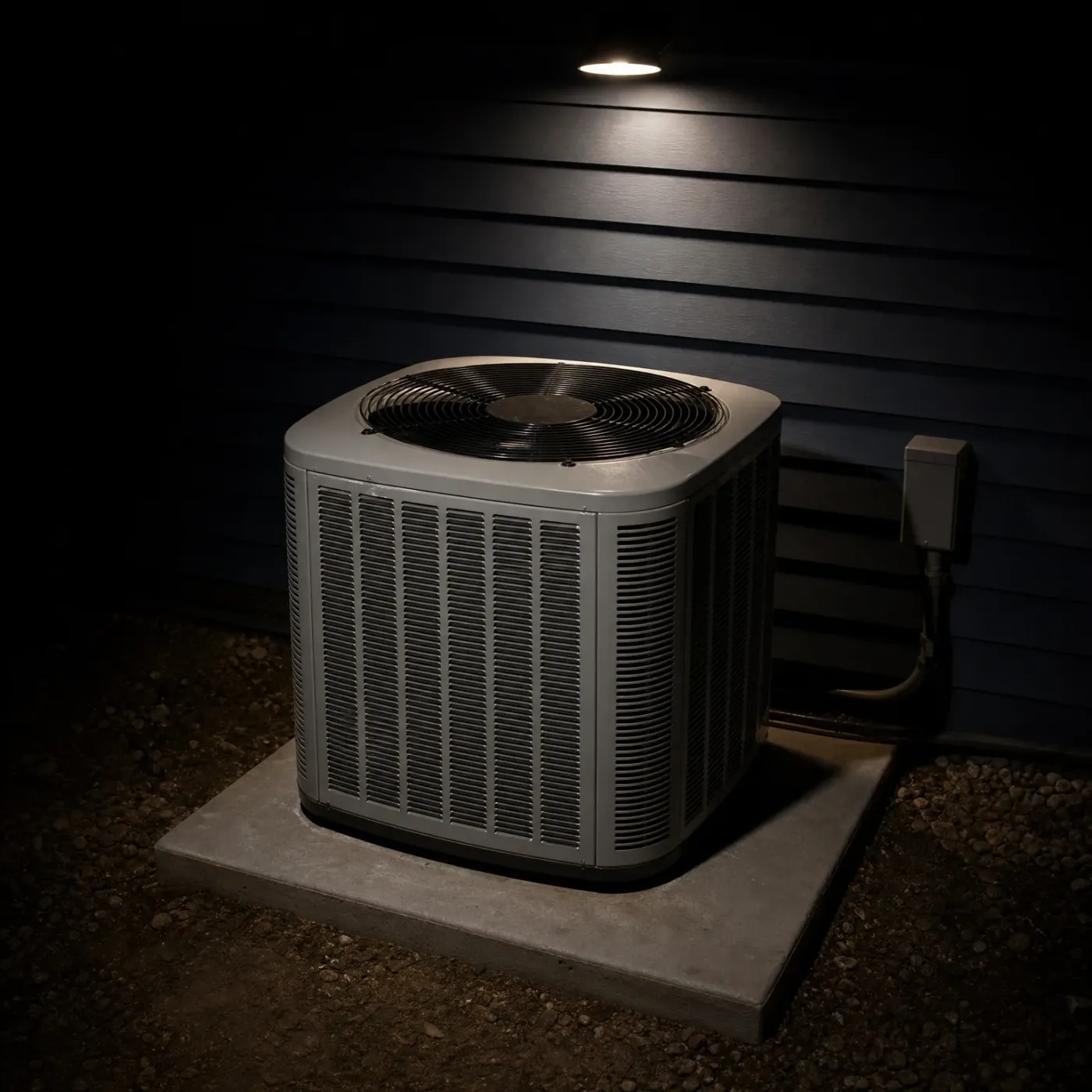
There is a real answer to this, not just a warning. Heat pumps built to the ENERGY STAR Cold Climate spec are tested to hold at least 70 percent of their 47°F heating capacity down at 5°F, and still make more heat than the electricity they use at that temperature. A two-winter field test of prototype cold-climate models backs this up in practice: backup heat covered only a small share of the load between 0°F and 35°F, and the units rarely ran on backup alone unless it was below 0°F. Beaver County sees 0°F or below about 7 nights a year. For the other 168 nights at or below freezing, a cold-climate heat pump is doing most of the work on its own. A standard heat pump is not.