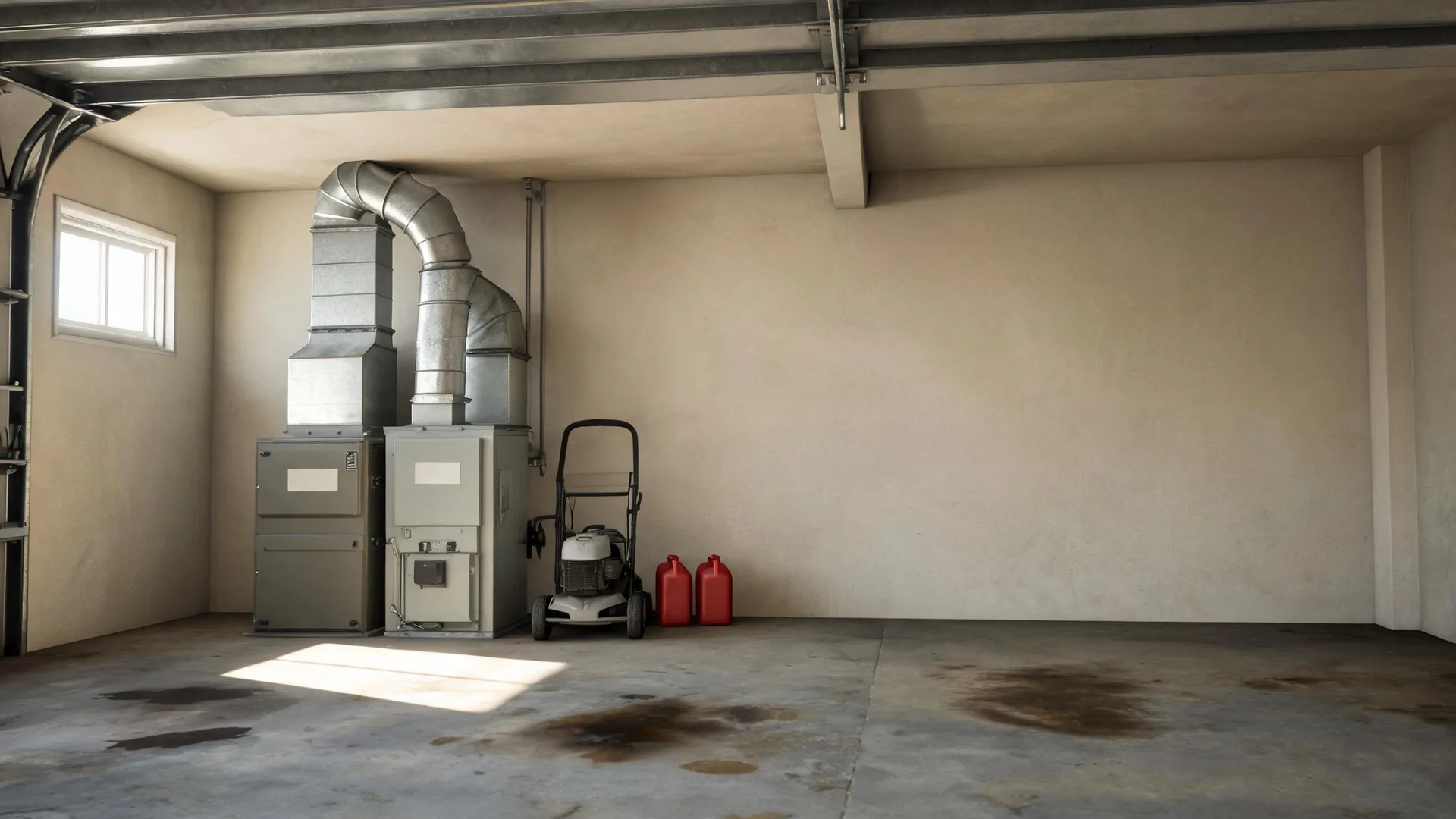
Gas is the default here
Utility gas heats 76 percent of homes in Sevier County. If your current furnace runs on gas, a new gas furnace is the straightforward swap, matched to the line already in place.
Takes about a minute. No obligation.
Utility gas heats 76 percent of homes in Sevier County. If your current furnace runs on gas, a new gas furnace is the straightforward swap, matched to the line already in place.
A like for like gas furnace install usually means the installer is working with venting and gas lines already sized for the job, not building the hookup from scratch. Worth telling them upfront if your home heats with electricity or propane instead, since that changes what the install involves.

NOAA nClimDiv, 1991–2020 normals
Richfield has old houses and new ones in roughly even number, built before 1977 or after it.
A furnace sized for your square footage works the same either way, no special fitting for an older house here.
Sevier County sits in climate zone 5B, a cool zone where the furnace carries most of the work through the year. Any non-weatherized gas furnace installed today has to reach 80.0 percent AFUE at minimum. That floor rises to 95.0 percent eventually, but only for furnaces built on or after a 2028 cutoff, so a furnace bought now can still legally come in at 80.0 percent, and plenty on the market do. The law sets a floor, not what you're required to buy above it. Worth asking what AFUE rating is actually in the unit being quoted.
A standard size and efficiency fit fine here. There's no local reason to go bigger or pricier.
Find a contractor
Heat runs here from September through June, ten months of the year. That leaves a short stretch in summer to put in a new furnace before it has to work. Get it installed in August and it's already running right by the time the house needs it, instead of going in during the first cold week with the heat already called for.
Cabinet size, the blower motor, the heat exchanger material, all of it moves the price before anyone talks about installing it. A higher AFUE unit costs more to buy than one sitting at the floor, and a variable speed blower costs more than a single stage one. That part of the quote is just a parts decision.
The gas line, the vent pipe, the ductwork, the electrical hookup, the thermostat wiring all have to tie into what's already at the house. Swapping a furnace for the same type in the same spot is the cheaper job, since the connections already fit. Changing fuel type, moving the unit, or resizing ductwork to match a bigger cabinet adds labor the straightforward swap doesn't need.
Estimates for a typical Sevier County home, from EIA household energy data, Utah fuel prices and NOAA climate normals. Your home will differ.
The old furnace comes out first, and the installer checks what it's leaving behind. The gas line gets pressure tested, the vent connections get inspected, and the ductwork gets a look before the new unit ever comes off the truck. Setting the cabinet and connecting gas, vent and return air is usually a day's work on a straight swap. Once it's connected, the installer fires it up and checks the flame, then measures static pressure in the ductwork to confirm the blower isn't straining against it. The last step is checking temperature rise across the heat exchanger, since that number has to fall inside the range the manufacturer specifies or the furnace isn't set up right. Nothing gets called finished until it's run through a full cycle and shuts off on its own the way it's supposed to.