Most of Salt Lake County runs on gas
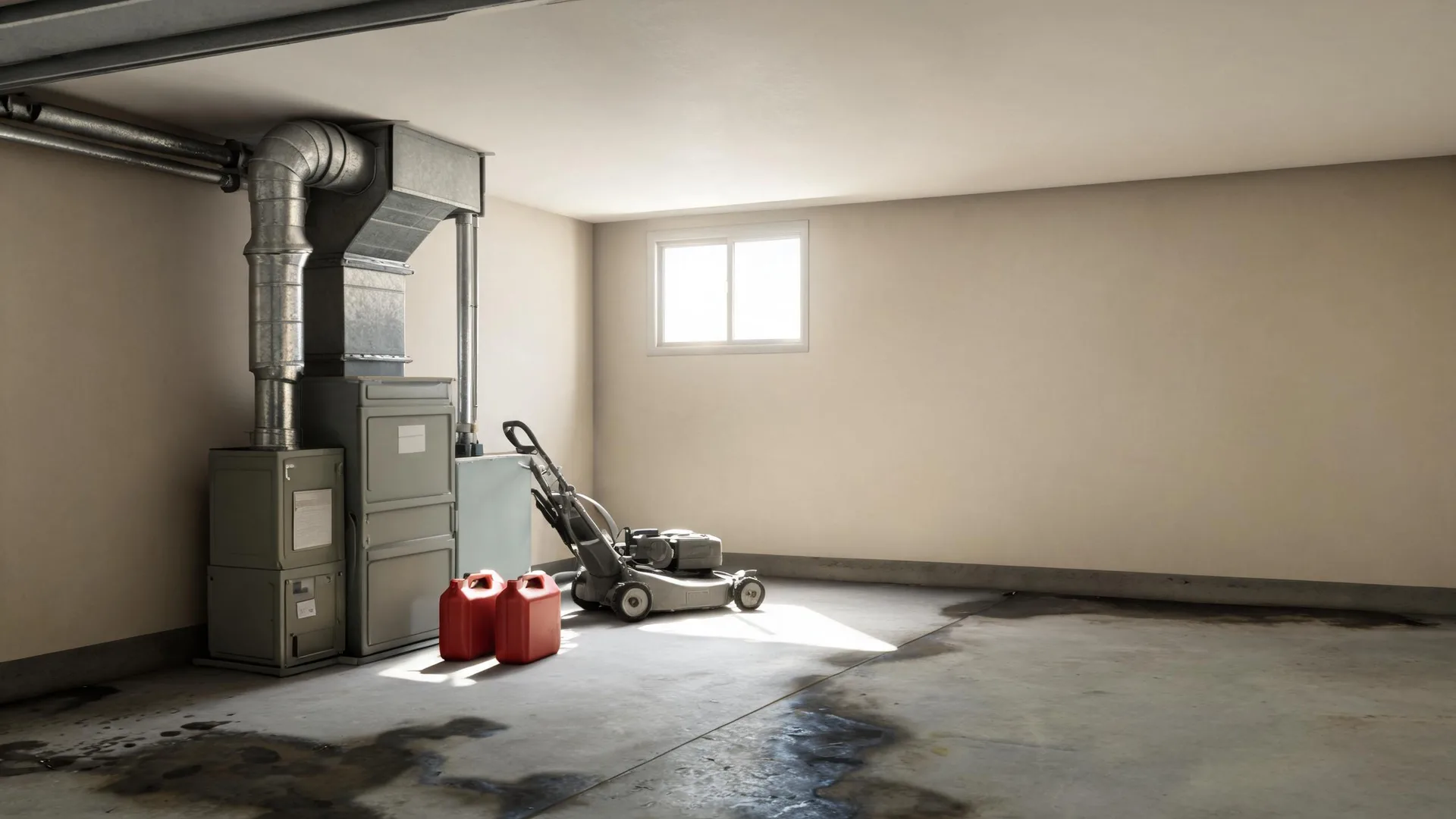
Utility gas heats 81.6% of occupied homes in Salt Lake County, far more than any other fuel. If a gas furnace came with your house, the gas line and vent are already there.
Takes about a minute. No obligation.
Utility gas heats 81.6% of occupied homes in Salt Lake County, far more than any other fuel. If a gas furnace came with your house, the gas line and vent are already there.
Swapping a gas furnace for another gas furnace uses the line, the vent and the ductwork already in place. Switching to a different fuel means asking a contractor what else would need to change.
NOAA nClimDiv, 1991–2020 normals
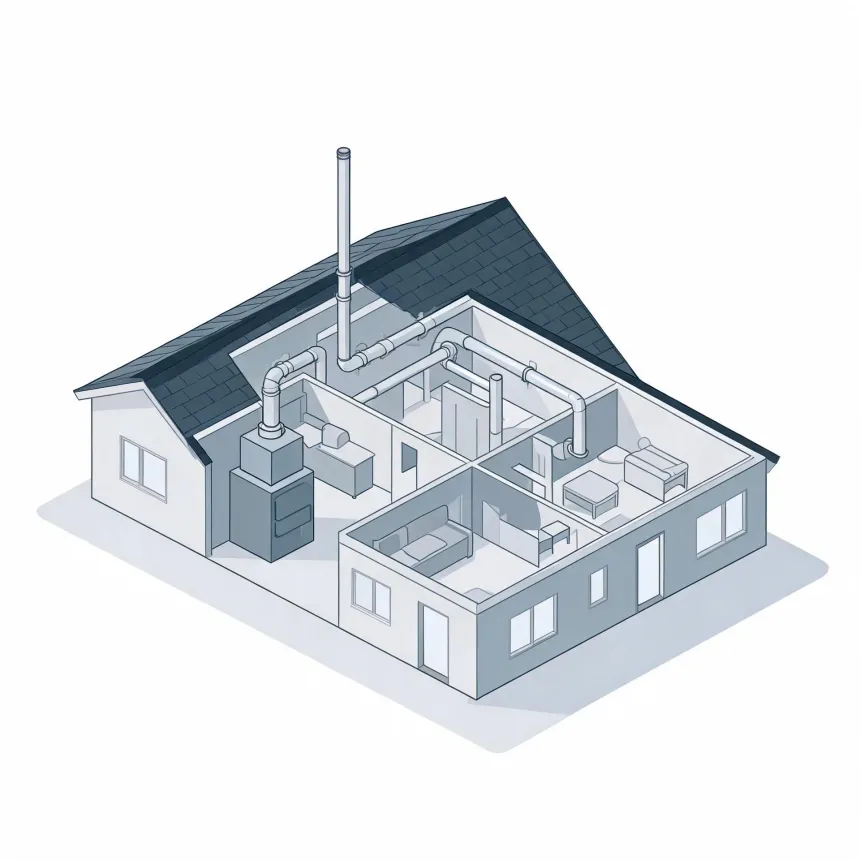
Furnaces in Salt Lake County start running in October.
A furnace put in during September is tested and ready before that first cold morning, not during it.


Salt Lake County falls under zone 5B, a cool zone where the furnace carries more of the load than the AC does. A new gas furnace going in now has to hit 80.0 percent AFUE, the federal minimum for a non-weatherized unit. That floor is set to rise years from now, but a furnace installed today only has to clear the current line, not the one coming later. Installing above the minimum is a choice to raise with your contractor, not something the rule requires.
Furnaces here run eight months of the year, October through May, with overnight lows averaging 22°F through December, January and February. Winter storms hit Salt Lake County 91 times over the past decade. A furnace going into your house has more work ahead of it than one installed almost anywhere else, which is a reason to get the sizing right.
Find a contractorAsk for the load calculation, not just a quote. A furnace sized off square footage alone can end up too big, and an oversized furnace short cycles, turning on and off instead of running steady through a cold night. That cycling wears the parts faster than the long runtime would on its own. A proper sizing takes into account your windows, your insulation, the shape of your house. It is the one thing that decides how this furnace holds up across eight months of use.
A contractor measures every wall, window and door, checks which way the house faces, and adds up how fast the house loses heat on the coldest night. That number, not the square footage on the listing, is what the furnace has to match.
An oversized furnace heats the house fast, shuts off, then starts again a few minutes later. Each short cycle is wear on the igniter and the blower motor without much extra comfort to show for it. A furnace sized to the house runs longer, steadier stretches and heats more evenly room to room.
Estimates for a typical Salt Lake County home, from EIA household energy data, Utah fuel prices and NOAA climate normals. Your home will differ.
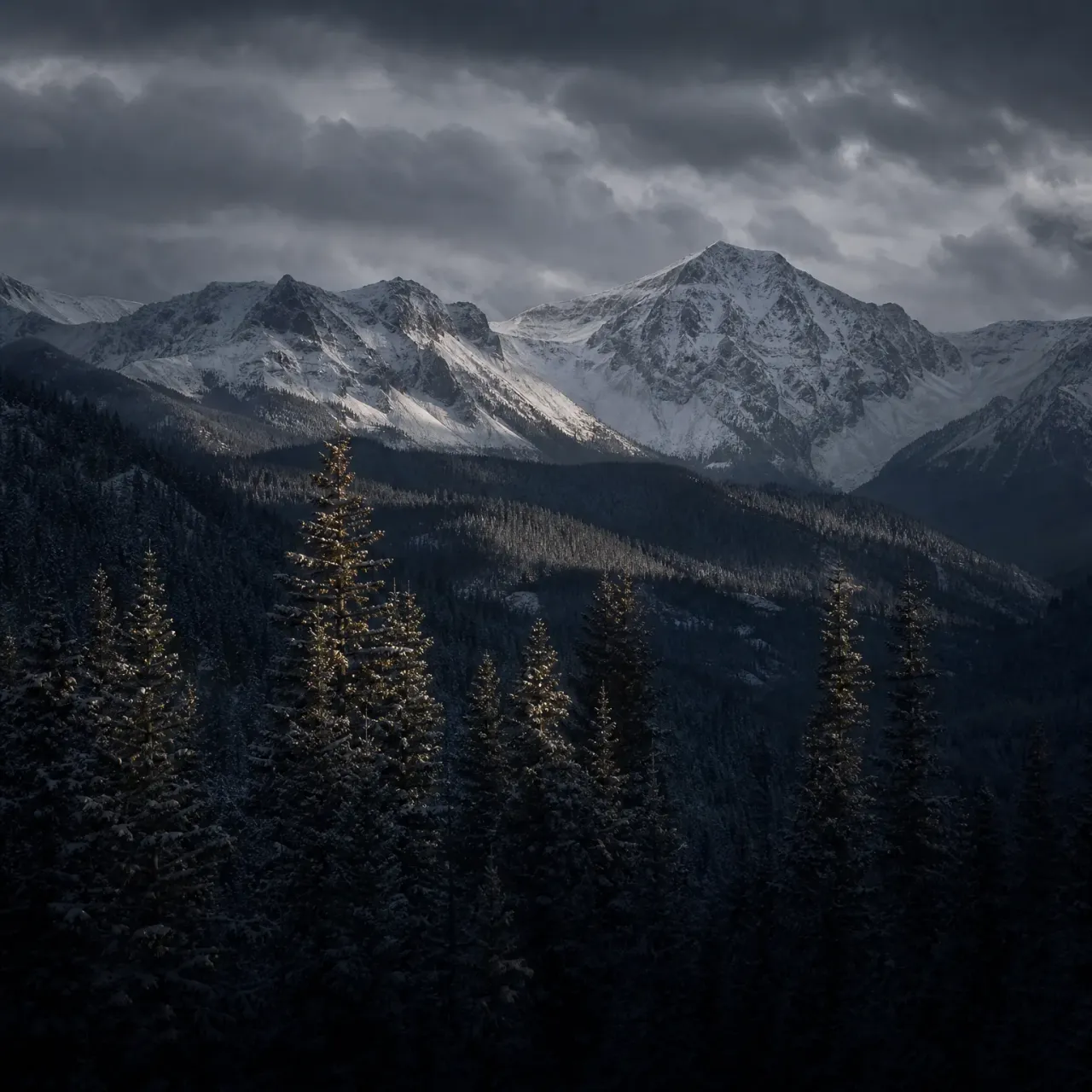
Installation day starts before the crew unloads anything. The old furnace gets shut down, disconnected from the gas line and the vent, and pulled out along with the flue pipe if that's being replaced too. Setting the new unit means squaring it to the supply and return plenum, connecting the gas line, and running new venting if the old one doesn't match what the new furnace needs. A high-efficiency furnace vents through PVC pipe out a side wall instead of up a chimney, so that part of the job can take longer than swapping one unit for the same kind. Once it's connected, the contractor checks gas pressure, confirms the flue draws properly, and runs the furnace through a full cycle before calling it done. The last step is balancing airflow at the vents and registers so heat reaches every room the way the sizing calculation intended.