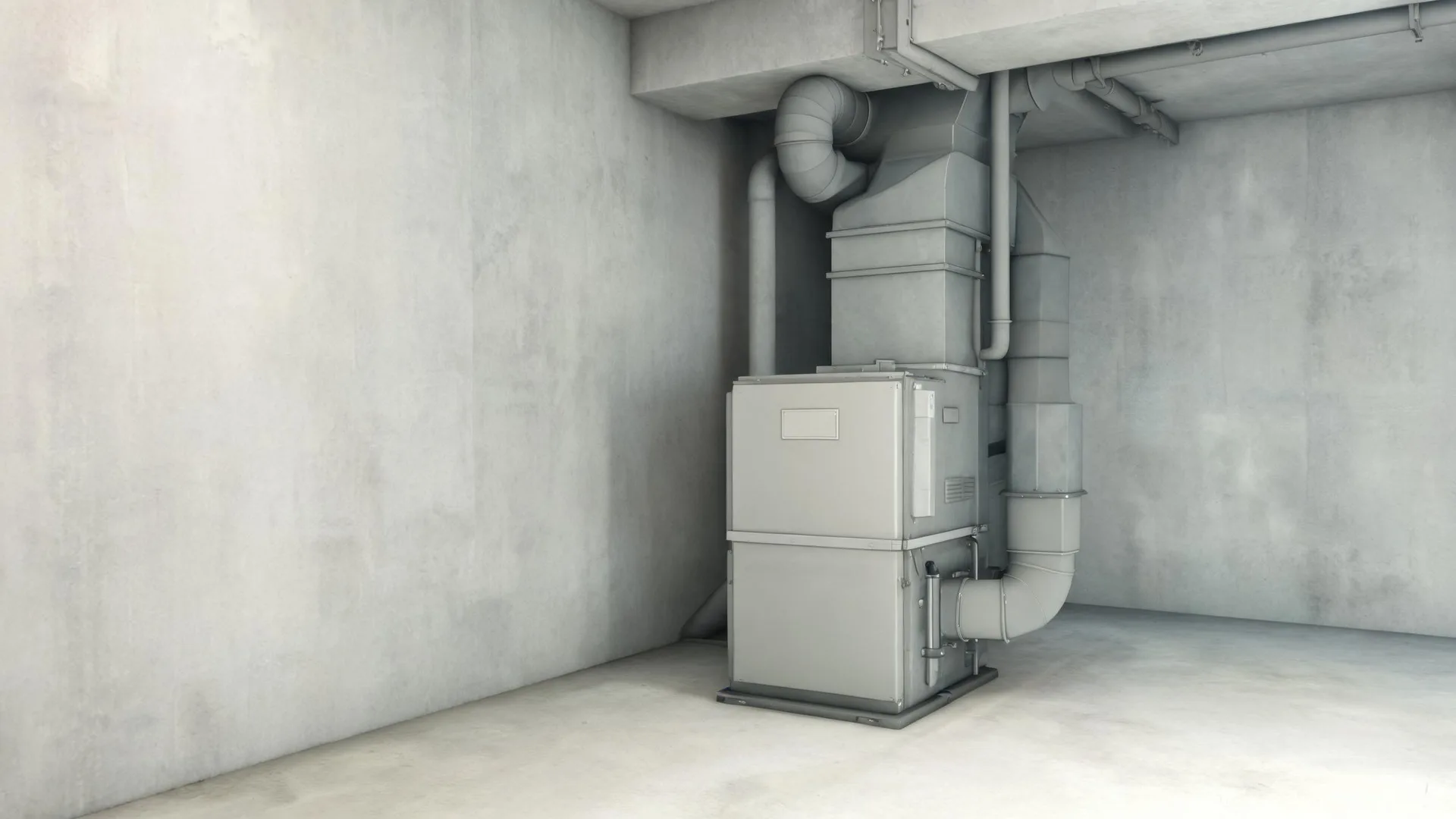
Gas is the common fuel here
Utility gas heats 33.1% of occupied homes in San Juan County, more than any other fuel. Electricity comes in second at 17.5%, with propane close behind at 16.6%.
Takes about a minute. No obligation.
Utility gas heats 33.1% of occupied homes in San Juan County, more than any other fuel. Electricity comes in second at 17.5%, with propane close behind at 16.6%.
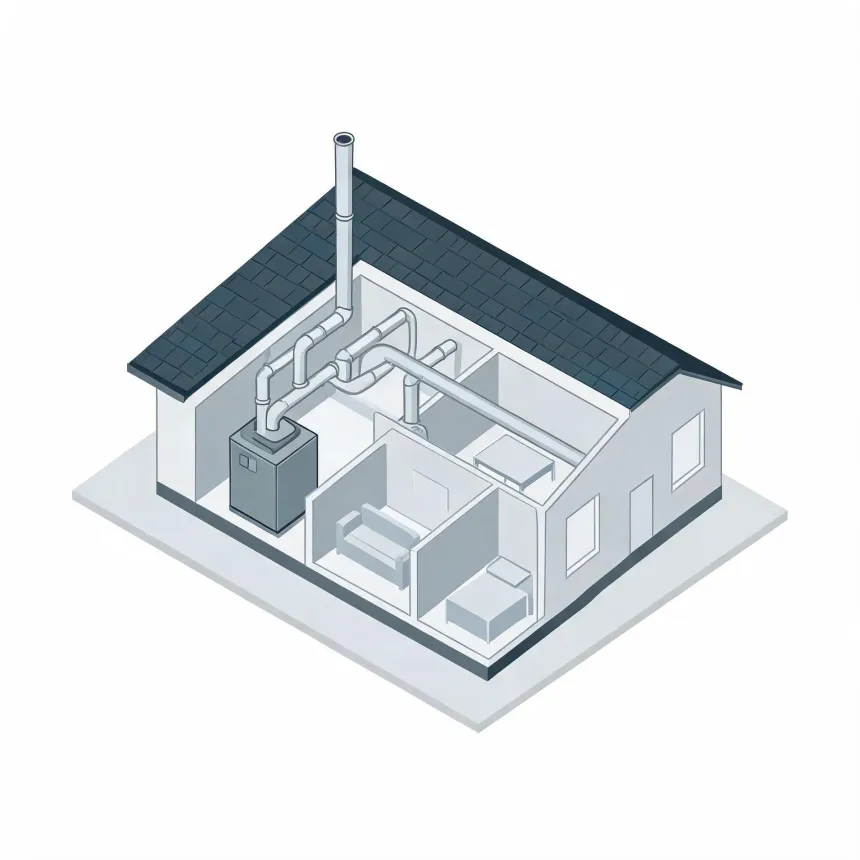
If your current furnace runs on gas, a contractor can usually size and install a new gas furnace against the existing gas line and vent. That keeps the job simpler than switching fuels.
NOAA nClimDiv, 1991–2020 normals
Furnaces in Blanding start running in October.
Get the new one in during September, before you need it to work.
The AFUE number on the label tells you how much of the fuel your furnace burns actually turns into heat in the house, and how much goes out the vent. A higher number means less waste out that vent. The tradeoff is upfront cost against money saved in the house over time. A high-efficiency furnace also vents differently than a standard one, through PVC pipe out a sidewall instead of up a metal flue, so the installer may need to run new venting rather than reuse what's there. That changes the install, not just the furnace sitting in the closet. Ask what rating fits the ductwork and venting already in place before you decide which number makes sense to pay for.
With gas at $12.55 per million Btu, a standard furnace already runs cheap here. Get a contractor to size the new one against your ductwork and existing venting before you spend more on a rating you may not need.
Find a contractor
Eight months of heat a year and 23°F nights put real hours on a furnace here. That's why sizing matters more than it does somewhere mild. Too big and it short-cycles, wearing the igniter and blower motor sooner than it should. Too small and it runs flat out all winter trying to keep up. A contractor should size the new furnace to your house and your ductwork, not just swap in a model that matches the old one.
A contractor should measure your house room by room before naming a furnace size. This includes square footage, windows, insulation and ceiling height. Houses that look about the same from outside can need different furnace sizes because one loses heat faster than the other. If a contractor quotes a size without doing this math, ask what the number is based on.
The furnace makes the heat. The ducts carry it to every room. If a new furnace moves air differently than the old one did, ductwork that is undersized or leaky can choke it, leaving some rooms cold no matter how the furnace is rated. A contractor should check the ducts as part of the quote, not treat the furnace as the whole project.
Estimates for a typical San Juan County home, from EIA household energy data, Utah fuel prices and NOAA climate normals. Your home will differ.
Install day starts with the old furnace coming out. A contractor disconnects the gas line, the electrical, the venting and the ductwork connection, then clears the unit before the new one goes in. The new furnace gets set and leveled, then hooked back up to gas, power, the vent and the ducts. Each connection gets checked on its own. The gas line gets tested for leaks. The electrical gets checked for a clean, secure connection. The venting gets pitched and sealed so exhaust actually leaves the house instead of backing up. Once everything is connected, the contractor fires it up and runs it through a full heating cycle, watching the flame, feeling the airflow at the registers and checking the temperature rise through the furnace against what the manufacturer specs. That last check matters as much as anything before it. A furnace that looks installed but hasn't run a real cycle is still an unknown.