Gas is the default here
86.4% of homes in Davis County heat with utility gas. If your old furnace burned gas, the gas line and vent are already in place.
Takes about a minute. No obligation.
86.4% of homes in Davis County heat with utility gas. If your old furnace burned gas, the gas line and vent are already in place.
A gas furnace going in where a gas furnace came out doesn't need new fuel lines run. The install centers on the unit itself, the venting and the ductwork it ties into.
NOAA nClimDiv, 1991–2020 normals
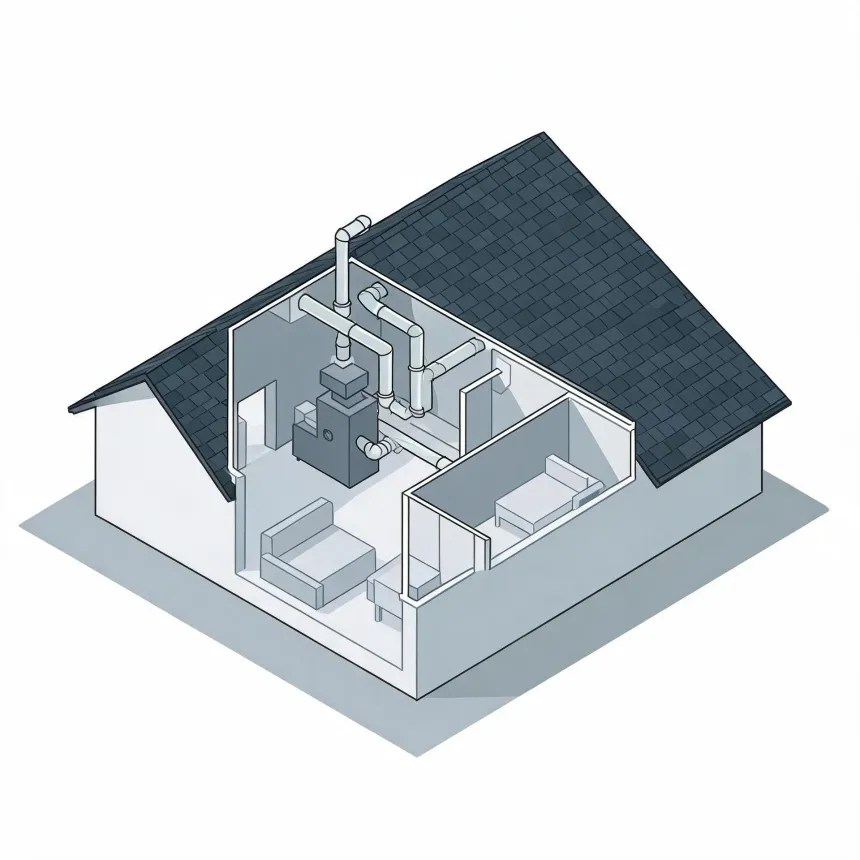
Furnaces in Layton run from October through May, with overnight lows averaging 22°F in December and January.
A furnace sized for an easier climate will struggle here. Get the sizing right for this many cold months.
Ask what size unit they're proposing, and ask them to show the load calculation behind it, not just the size of the furnace that's coming out. A furnace too big for the house cycles on and off instead of running steady, and that short cycling wears the heat exchanger and leaves rooms uneven. Ask what the AFUE rating is and whether the venting changes at that rating. A furnace in the mid-90s and above pulls in combustion air and vents through PVC pipe, not a metal flue, which changes where the exhaust can run. Ask what happens to the existing ductwork, since a new furnace moving more or less air than the old one needs ducts sized to match. And ask what the warranty covers on the heat exchanger versus the blower motor and other parts, because those terms are often different and worth knowing before you sign anything.
Eight months of heat a year puts real hours on a furnace here, through winters that bring snow and ice storms most years. Get the sizing right before it goes in, so it runs steady instead of straining through its first winter.
Find a contractor
That AFUE number on the label tells you how much of the fuel it burns turns into heat for the house, and how much goes out the vent. A higher number means less waste, same as it did the day it was installed. But the rating only holds if the furnace was sized right to begin with. One that's too big for the ductwork it's tied into cycles on and off instead of running long, steady stretches, and short cycling burns fuel without getting the house fully warm. The rating is a lab number. What you actually get depends on the install matching the house.
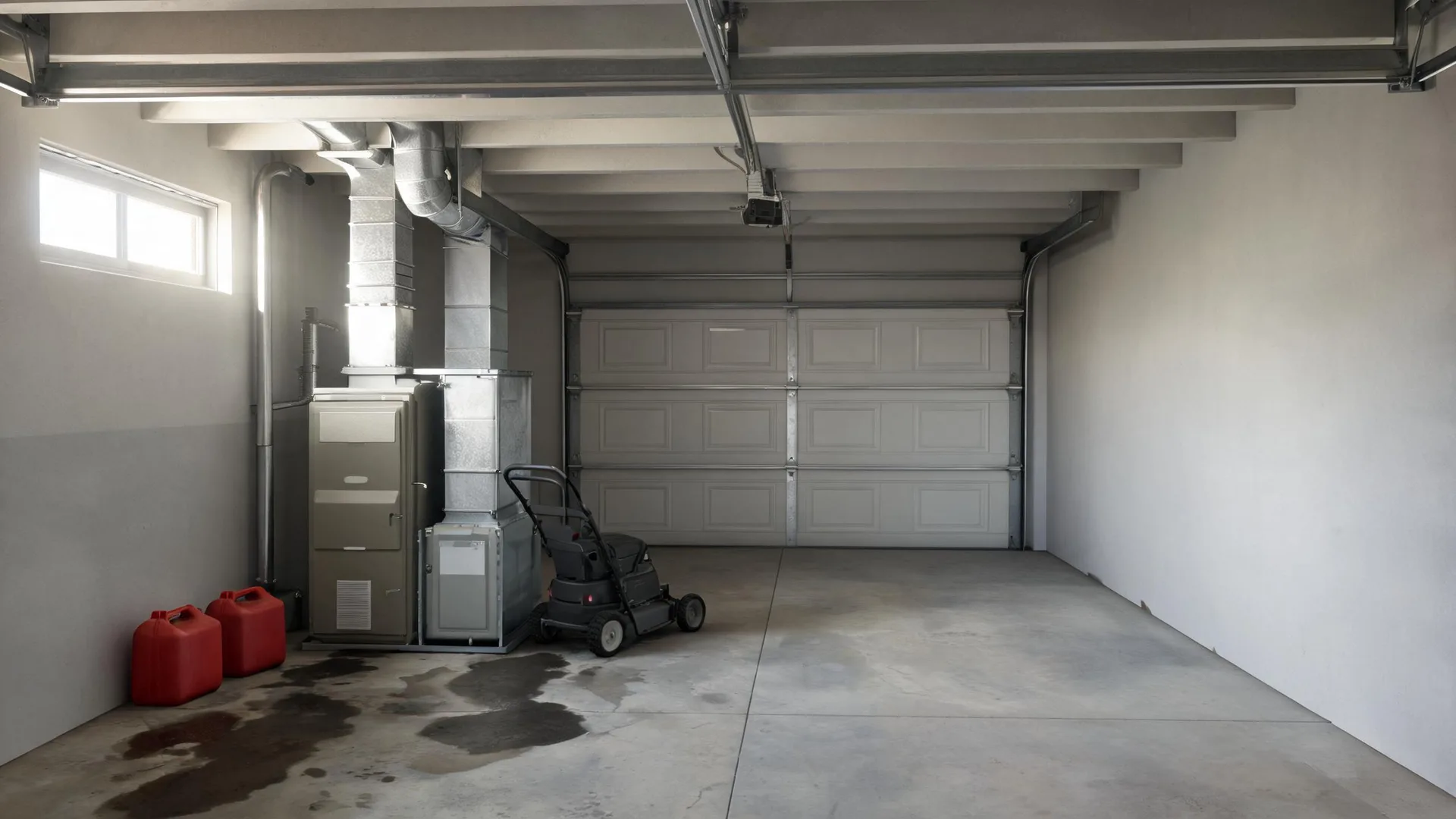
The gas valve gets shut and capped, the flue or vent pipe comes loose, and the old cabinet comes out in pieces if it has to. None of that scrap is left behind for the homeowner to deal with.
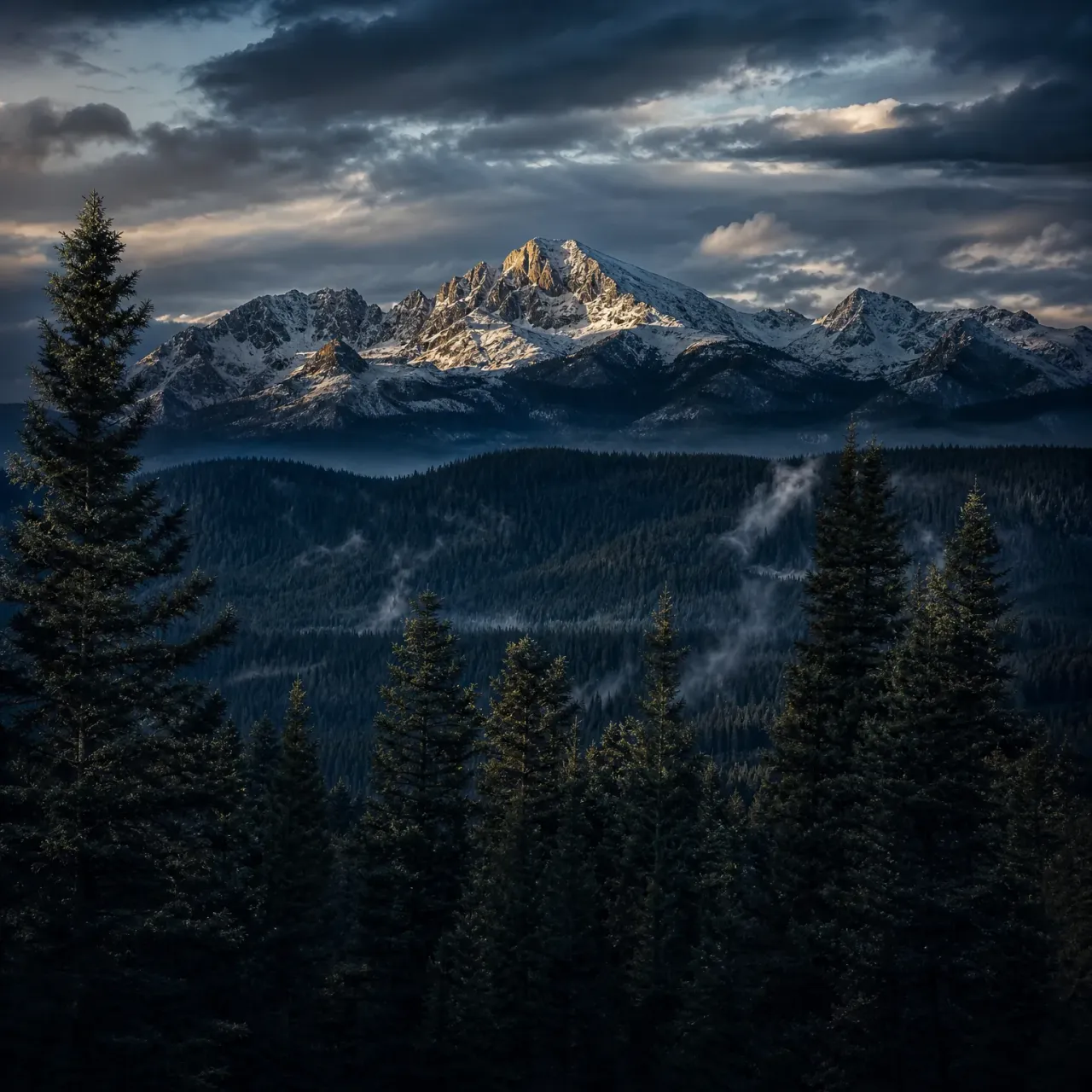
A straight swap at the same efficiency can often reuse the metal flue that's already there. Moving up to a condensing furnace is a different story. That furnace vents through PVC pipe because the exhaust runs cooler, so the old metal flue gets capped off and new vent pipe gets run to wherever the PVC can terminate.
Estimates for a typical Davis County home, from EIA household energy data, Utah fuel prices and NOAA climate normals. Your home will differ.
Install day starts with the old furnace coming out, and that takes longer than people expect. The gas gets shut off and capped, the vent pipe or flue disconnects, and the ductwork connections come apart before the new cabinet ever comes through the door. Setting the new furnace means leveling it, connecting the gas line, running new venting sized for that unit, and tying it back into the duct trunk. Then comes the combustion test, checking gas pressure, checking the temperature rise across the heat exchanger, and confirming the blower is moving the right amount of air for the ductwork it's tied into. A thermostat that worked fine on the old system sometimes needs rewiring or a new one entirely if the furnace uses different controls. Before anyone leaves, the furnace should run through a full cycle while someone checks the vent draft and confirms there's no gas smell anywhere near the unit.