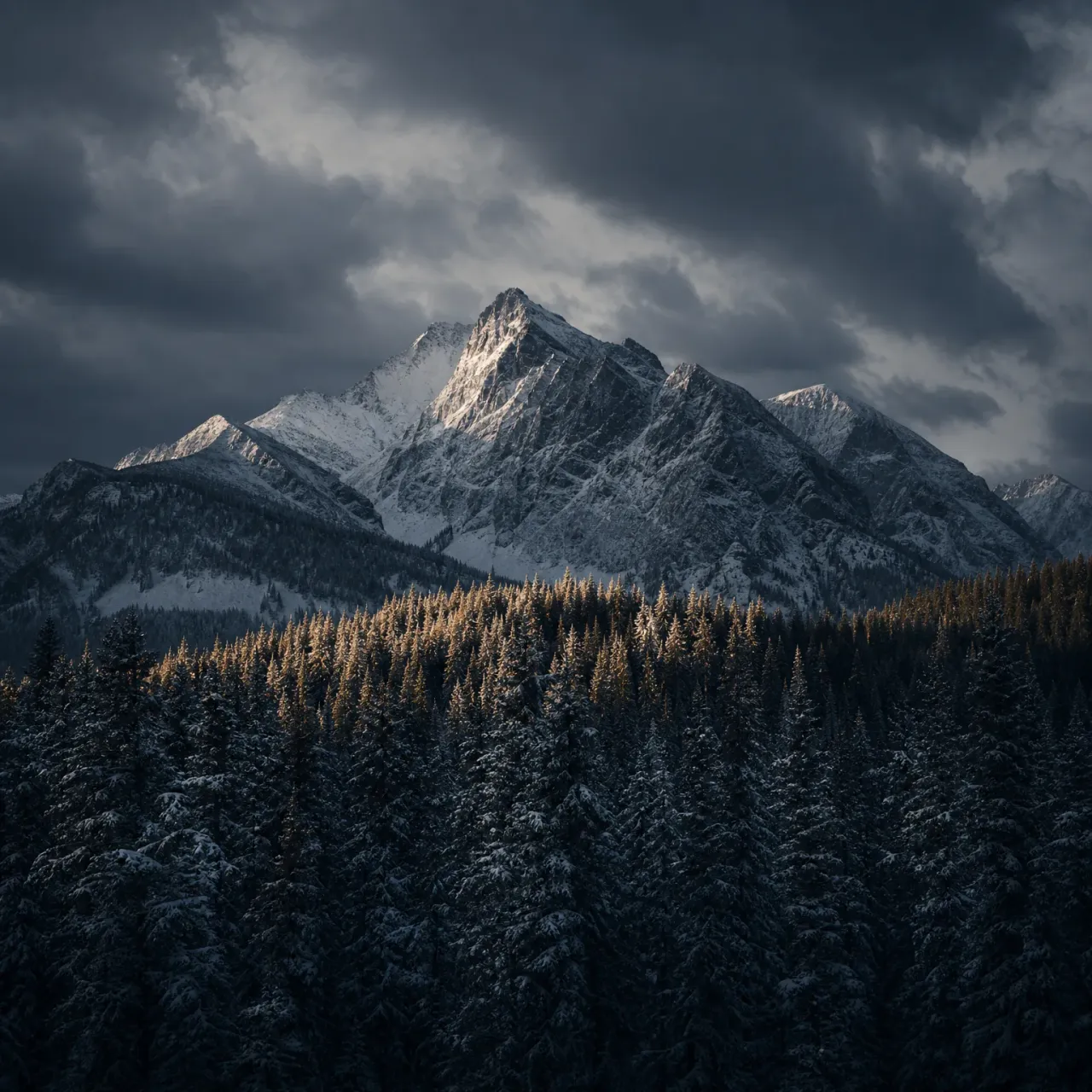


A twilight street scene featuring illuminated timber-frame and stone houses with a mountain range visible in the background.

Furnace Installation in Huntington, UT

Tell us about the job

Takes about a minute. No obligation.

New system or replacementFurnace or heatingEmery County, UT
Step 1 of 2

What ZIP code is the job in?

Gas heats close to 6 in 10 homes in Emery County. If your house is one of them, a gas furnace is the straightforward replacement, same fuel line, same vent path, nothing new to run to the house. Electric heat comes next at 17.8%, and a smaller share run on bottled or LP gas. Whichever one you have now, matching it is usually the simplest install. Switching fuels is possible, but it means new gas or electric lines where there weren't any, and that's a different job than a straight swap.

8 months
October through May, your furnace is on duty
19°F
the average winter night it heats against
59%
of homes here heat with gas, so most furnaces here burn gas
80% AFUE
the federal minimum any new unit must meet
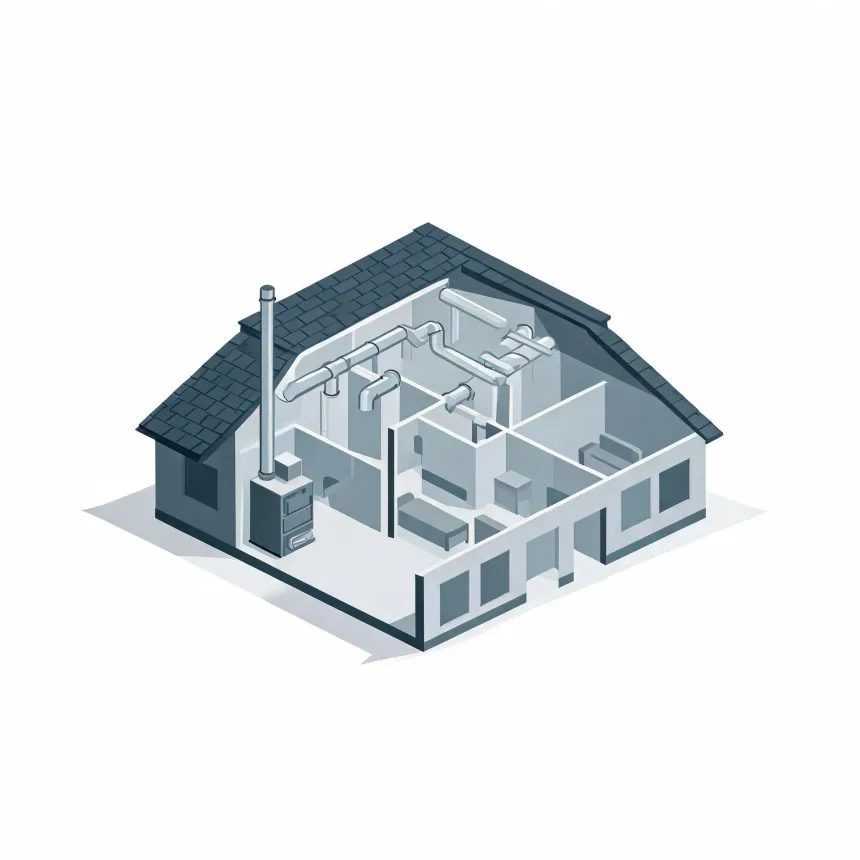
Isometric grayscale illustration of a cutaway house showing interior rooms, ceiling ductwork, a flue pipe, and a furnace unit on the left side.
Your furnace works hardest from November through March.

NOAA nClimDiv, 1991–2020 normals

Furnaces in Huntington start running in October and go through May.

Have a new one in by September, and you won't be choosing it in a cold house.

A standard furnace sized right is all this county asks for

Heat runs October through May
Winter nights average 19°F
54 winter storms from 2015 to 2024
Built for eight months of heatWinter lows here average 19°F, through a season that runs eight months long.

Huntington falls in zone 5B, a cool climate where the furnace carries more of the year's work than the AC does. Any gas furnace installed today has to hit 80 percent AFUE at least, and most standard furnaces clear that without trying. A tighter rule arrives in a few years, requiring 95 percent AFUE, which means condensing equipment with a second heat exchanger. That won't touch a furnace installed now. The stricter standard applies to units built after that date, not to what's already running in your house.

A standard furnace, sized to your house, is the right call here

Half the homes in Emery County were built in 1978 or earlier, half later. Age alone doesn't call for anything special, a standard furnace sized to your house is what this county needs. Mobile homes make up 13.8% of the housing stock here, and if that's your situation, say so when you're comparing quotes, since the furnace has to match the home it's going into.

Find a contractor
A man in a navy long-sleeve shirt and tan pants carries a canvas tool bag up concrete steps toward a dark blue front door flanked by columns and a potted shrub.
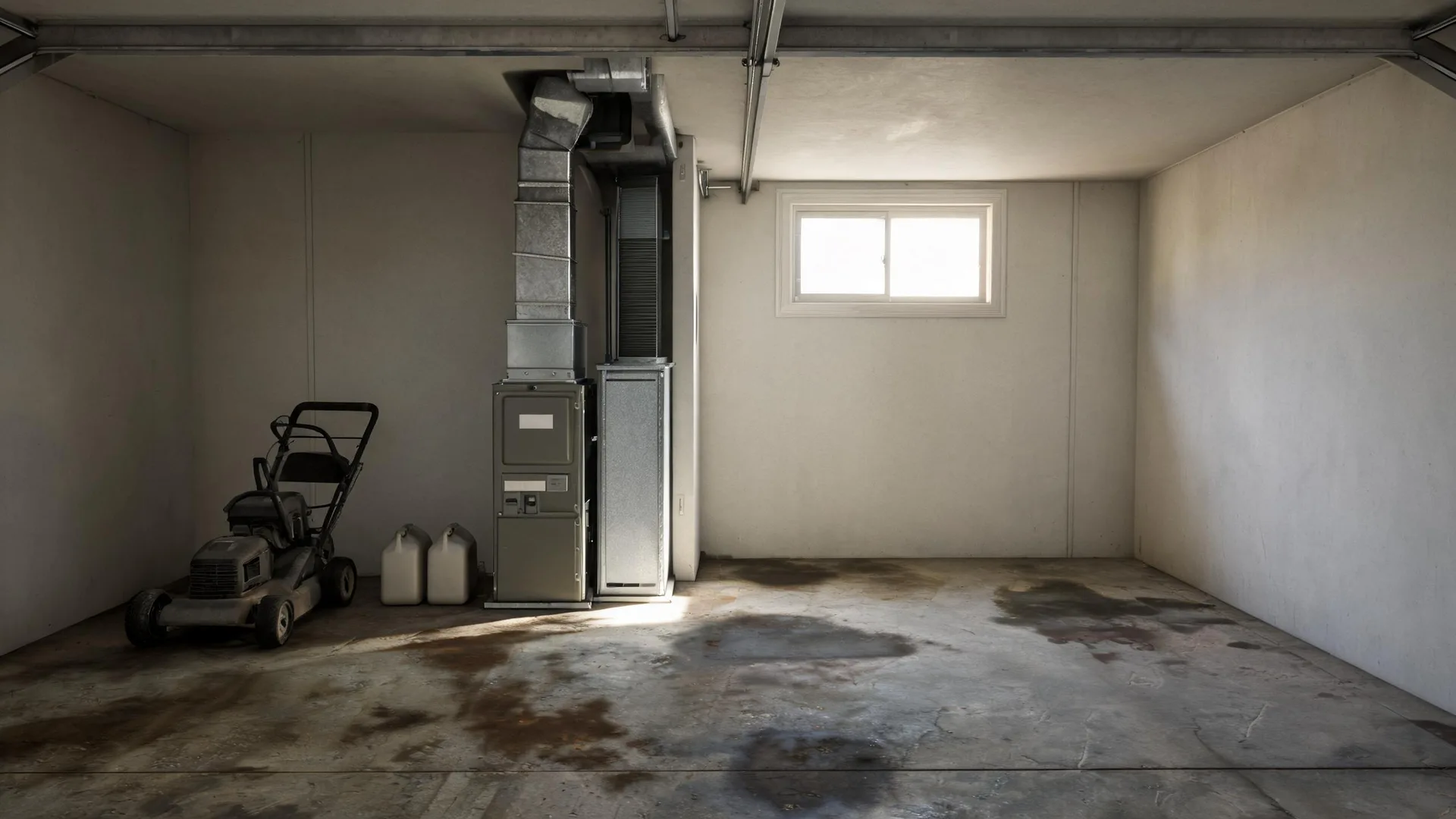
A gray gas furnace with attached ductwork and piping installed in an unfinished concrete basement.

What runs the price up, and what doesn't

Installed cost comes down mostly to what the job touches besides the furnace itself. A straight swap in the same spot, with the same vents, the same gas line and the same vent pipe, is the cheapest kind of install because the crew isn't rerouting anything. Size matters too. A furnace too big for the house costs more up front and wastes fuel cycling on and off, while the right size runs longer and steadier. Venting plays into it as well. A standard furnace vents through metal pipe out a wall or roof, and if that path already exists, it's a simple hookup to extend. The ductwork gets checked too, since a furnace moving more air than the old one needs ducts sized to carry it, and undersized ducts mean added work before the furnace goes in. Whatever the quote comes to, make sure it's priced for a furnace sized to your house and not just whatever size the old one happened to be.

Sizing comes from a heat loss calculation, not the old furnace

A contractor works out the right size by measuring the house, the windows, the insulation, and the walls, then calculating how fast the place loses heat on the coldest days. The furnace that's running now isn't the starting point. It may have been wrong from the day it went in, or it may have been right for a house that's since had windows or insulation changed.

Oversized runs worse than undersized

A furnace too big for the house heats the air fast, shuts off, and starts again a few minutes later. That short cycling means the air never gets a chance to mix and move through every room, so some stay cold while the thermostat reads warm. It also wears the ignition system and blower harder, since both start up far more often than they're built to. The right size runs in longer, steadier stretches and heats the house evenly instead.

An unfinished basement containing a metal furnace with ductwork, exposed wooden joists on the ceiling, cardboard boxes, a coiled cable, and a single hanging incandescent bulb.

A high-efficiency gas furnace would save about $90 a year to run in Emery County compared with a gas furnace.

  • A high-efficiency gas furnace$420 a year
  • A gas furnace$510 a year

Estimates for a typical Emery County home, from EIA household energy data, Utah fuel prices and NOAA climate normals. Your home will differ.

Install day starts with the old furnace coming out. Once it's out, the crew can see the gas line, the vent pipe, and the ductwork it was hiding, and all of that gets checked before the new furnace goes in, since it has to connect to each one. A vent pipe that needs resizing for the new unit gets handled before the furnace is set in place, not after. Once it's in and connected, the crew fires it up, checks the gas pressure, and measures the temperature rise across the heat exchanger to confirm it's burning the way it should. The blower speed gets set to match the ductwork, since too little air strains the heat exchanger and too much wastes fuel. Before the crew leaves, they'll check the supply vents around the house to make sure air is actually reaching every room.