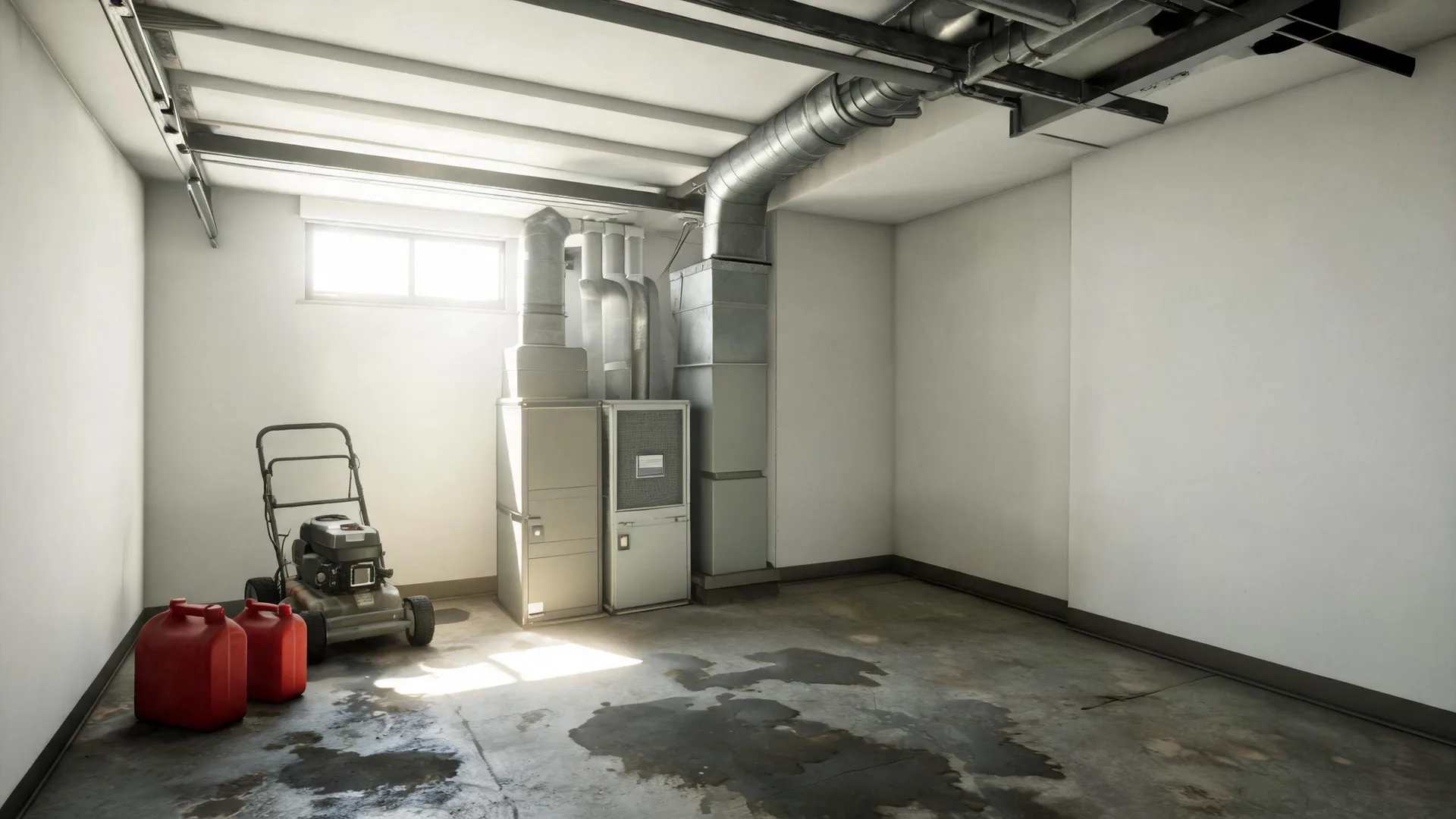
Gas is the normal choice here
Utility gas heats 82.9% of homes in Weber County. A gas furnace is what most installers here work with week in and week out.
Takes about a minute. No obligation.
Utility gas heats 82.9% of homes in Weber County. A gas furnace is what most installers here work with week in and week out.
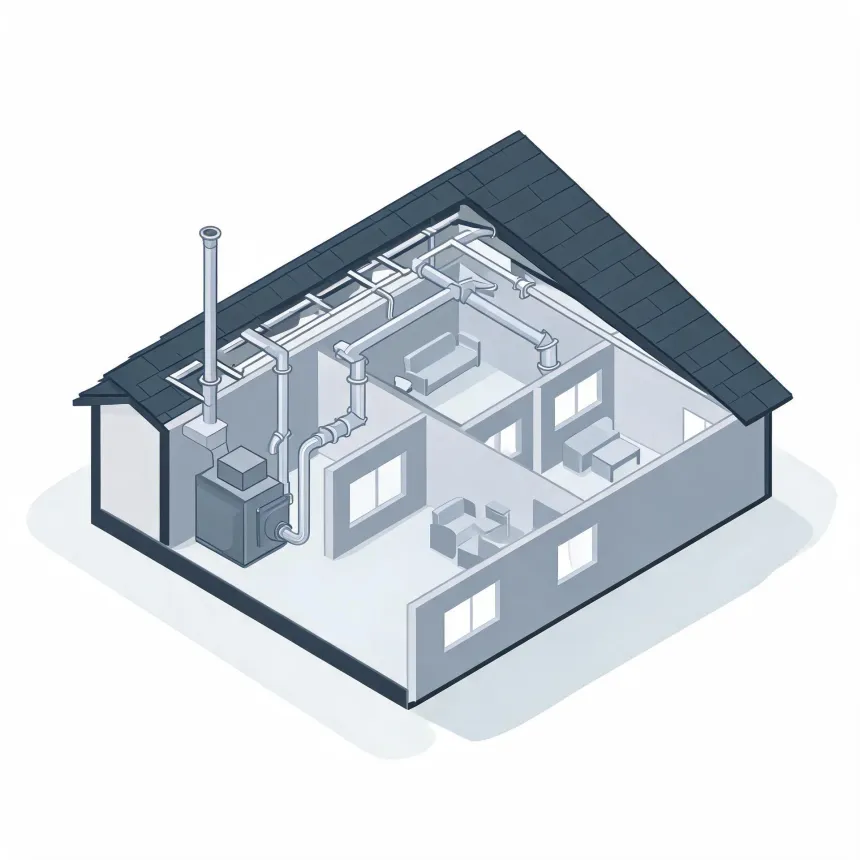
If a gas line already runs to your furnace, replacing it with another gas furnace keeps the job straightforward. Switching fuel types means new venting or new electrical work, and that's a different, bigger job.
NOAA nClimDiv, 1991–2020 normals
Gas costs Utah homes $12.55 per million Btu to run.
A standard furnace sized right for your house is the straightforward way to spend that.
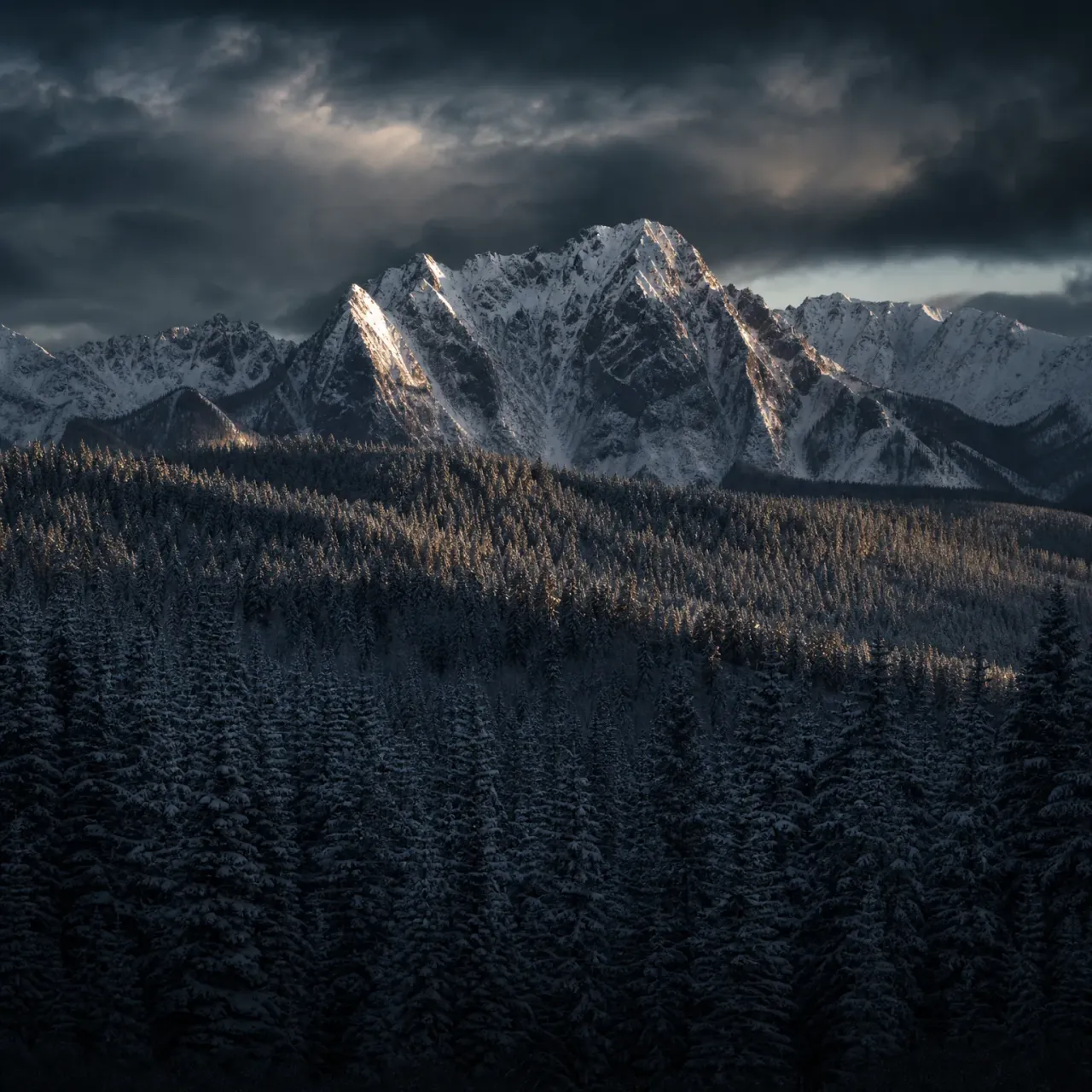
Furnace here runs about ten months a year, September through June. Overnight lows average 19°F through December, January and February, so the furnace isn't just cycling on, it's holding that line night after night for a full season. Weber County has seen winter storms, heavy snow, ice, blizzards, sixty times in the last ten years. Each one means the furnace runs longer and harder than a mild cold snap would ask for. A furnace sized for a milder climate will run close to its limit here most winters, not just on the worst nights.
Weber County sits in zone 5B, a cool climate where heating carries most of the load. Any new gas furnace has to hit at least 80 percent AFUE to go in here, a floor that holds until a higher standard takes over in 2028. That's the baseline a contractor starts from before anything else about your house gets factored in. On top of that, a federal tax credit is available for qualifying high-efficiency systems, worth checking against whatever gets installed.
Find a contractor
Ten months of heat a year is a lot of hours on one furnace. That's long enough for a unit that's the wrong size to show it, short cycling or running long trying to hold 19°F on a winter night. A load calculation on your house tells a contractor what size to install. The nameplate on your old furnace doesn't, it just tells you what was put in last time, right or wrong.
A contractor measures every room, the windows, the doors, the walls facing outside, and adds up how much heat the house loses on a cold night. That total is the load. It has nothing to do with the square footage alone and nothing to do with what the old furnace happened to be.
A furnace too big for the house heats the air fast, shuts off, then starts again a few minutes later. That short cycling wears the igniter and the blower motor harder than steady running does, and it leaves rooms far from the furnace cold while the room with the thermostat reads warm enough.
Estimates for a typical Weber County home, from EIA household energy data, Utah fuel prices and NOAA climate normals. Your home will differ.
Install day starts with the old furnace coming out, and that's not a quick swap. The line set, the venting and the ductwork connection all get checked against what the new unit needs, and they don't always match what was there before. Gas gets shut off and reconnected at the furnace, venting gets run to match how the new unit exhausts, and the electrical gets tied in for the blower and controls. Once it's in, the contractor fires it up and checks the temperature rise across the heat exchanger against what the manufacturer specs, because that number tells you the furnace is burning correctly and not stressing the exchanger. Airflow gets checked at the registers too. A furnace that's wired right but starved for airflow will still run poorly.