

What the cold does to a heat pump here
Weber County winters average 19°F overnight across December, January and February. That number matters because a standard heat pump starts losing ground before it even gets that cold. Below 40°F it puts out less heat than its rating says. Below about 35°F it often needs backup heat to keep up. Your average winter night here is past both marks, and so is every single night that dips to freezing or below, which happens about 125 times a year.
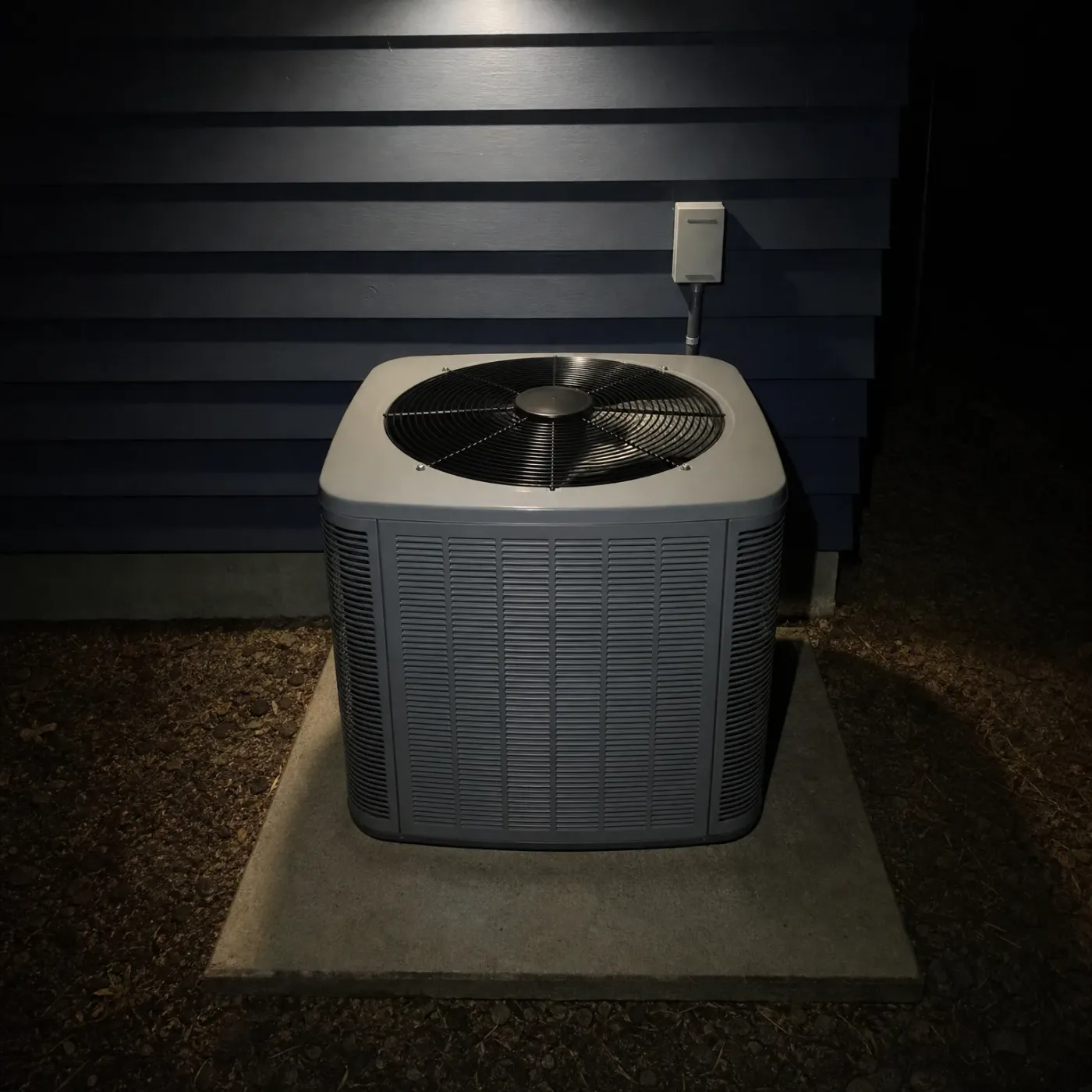
That doesn't mean a heat pump quits. It means that on most cold nights here, a standard one is working below its rated capacity and may be leaning on backup heat to make up the difference. A cold climate model is built for exactly this. To earn the ENERGY STAR Cold Climate label, a heat pump has to keep making heat efficiently and hold onto most of its capacity at 5°F, tested by someone other than the company selling it. Field tests of cold climate heat pumps in real homes found backup heat carried only a small share of the load between 0°F and 35°F, and running on backup alone was rare even at 0°F. Weber County only sees 0°F about 2 nights a year. A standard heat pump and a cold climate one are not the same purchase here, and the gap between them matters most on the nights you'd notice it.