Electricity here runs $35.80 per million Btu
Utah homes paid $35.80 per million Btu of electricity in 2024. A furnace that wastes less of that energy as heat costs less to run every month it works.
Takes about a minute. No obligation.
Utah homes paid $35.80 per million Btu of electricity in 2024. A furnace that wastes less of that energy as heat costs less to run every month it works.
A new furnace runs for years before it gets replaced again. Whatever efficiency it has at installation is what every winter bill is built on after that.
NOAA nClimDiv, 1991–2020 normals
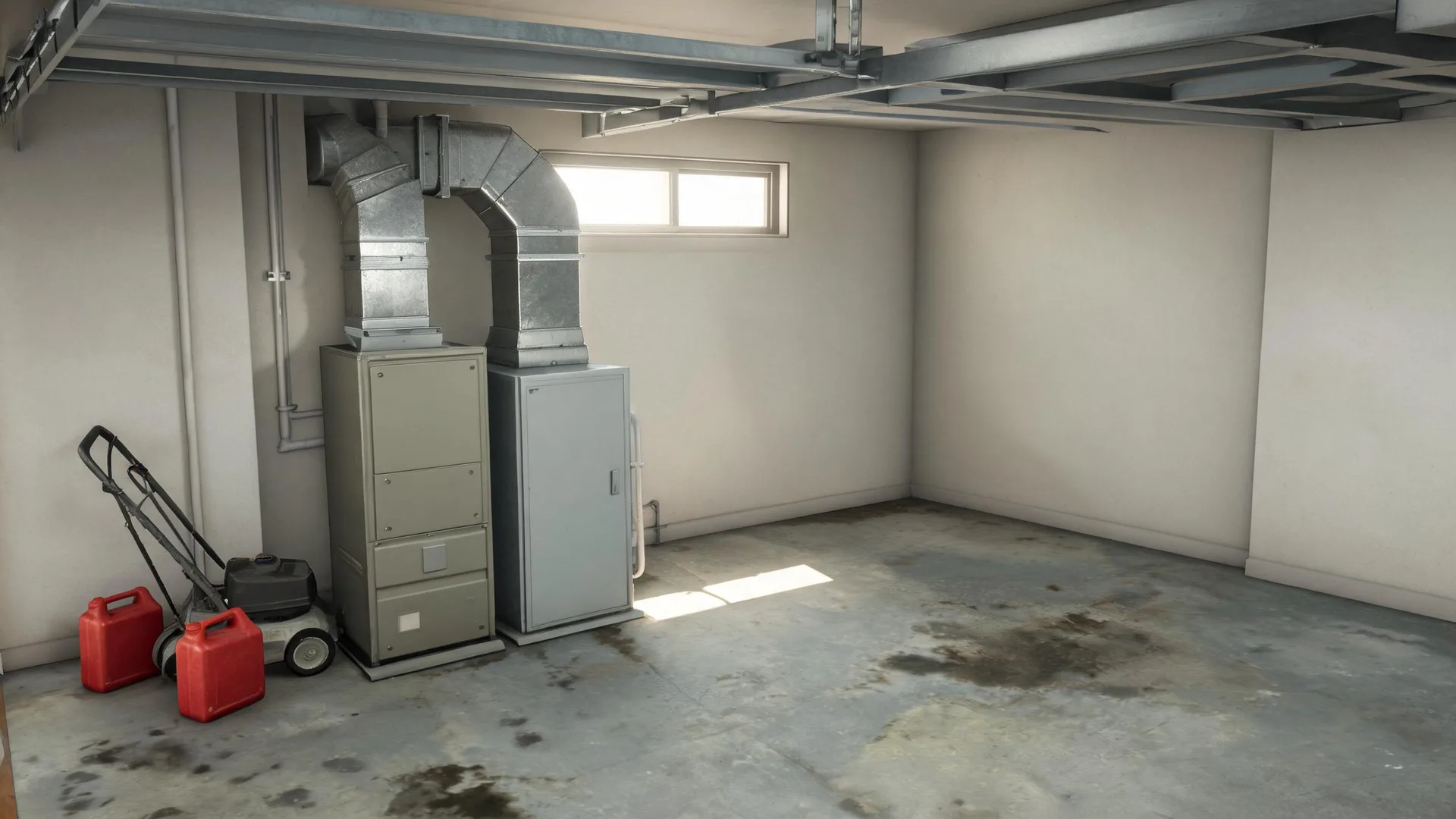
The old furnace gets disconnected from the gas line and the vent before it comes out.
The vent and gas connections at that spot have to be capped or redone to match the new furnace, not just reused.


Kane County falls under zone 5B, a cool, dry climate where heating carries most of the load. Any furnace installed here has to meet the federal minimum for that classification. Right now that means 80.0 percent AFUE, the standard that has applied to new gas furnaces since November 2015. That floor moves to 95.0 percent in a few years, but only for units built after the new date takes effect. A furnace installed now keeps running at whatever efficiency it was built to, since the higher standard applies to manufacture dates, not to systems already in place.
At $35.80 per million Btu, what your furnace wastes shows up on every bill for as long as it runs. Choosing a higher-AFUE unit now is the one chance you get before that efficiency is locked in for years.
Find a contractorThe AFUE number only tells you how efficient the furnace is at converting gas to heat. It doesn't tell you how it delivers that heat. Ask about the burner stage. A single-stage furnace runs at full output whenever it's on, then shuts off completely, which means the room swings warm and then cools before it fires again. A modulating furnace holds a lower flame for longer stretches and keeps the temperature steadier. Ask about the blower motor too. A fixed-speed blower runs at one speed the whole time it's on. A variable-speed motor ramps up and down with demand, and it runs quieter doing it. Ask how the furnace vents, since that changes what the installer has to do to the vent pipe, not just which unit gets set in place. And ask about the heat exchanger, the part that keeps the flame separated from the air moving through your ducts. That's the part that fails when a furnace gets old, and the metal it's built from is what decides how long it holds up.
Cabinet size, burner stage, blower type, heat exchanger material. Each of those sets the price of the unit before anyone shows up to install it. A bigger house or a harder layout to heat evenly calls for a bigger furnace, and bigger costs more.
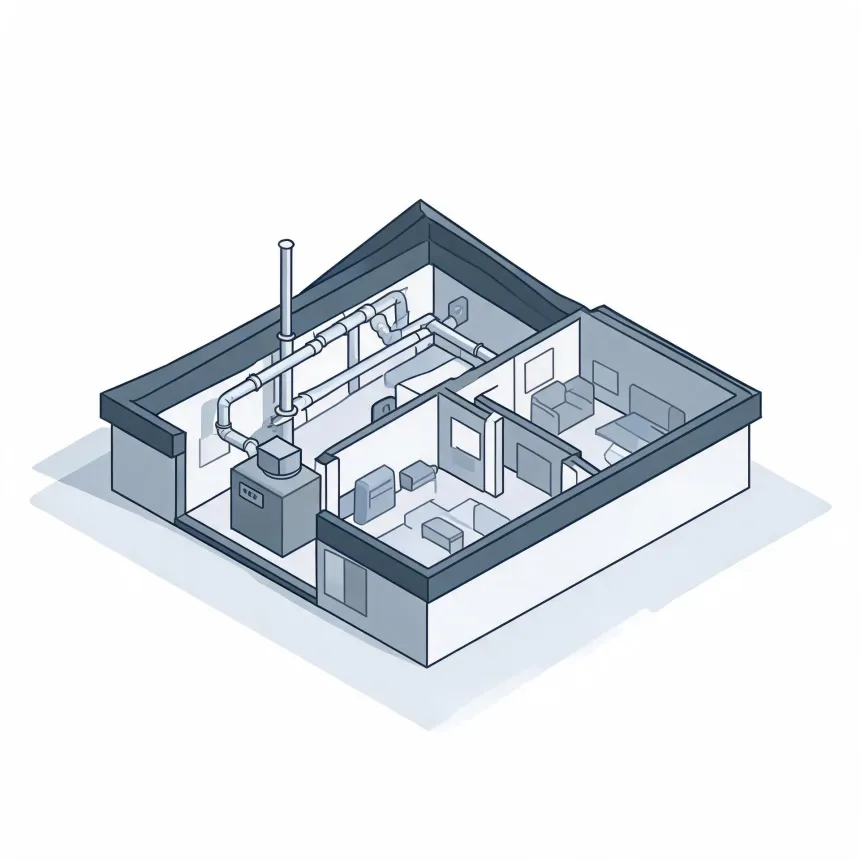
The vent pipe, the gas line, the ductwork and the electrical connection all have to match the new furnace, not just the old one. If the new unit vents differently than the old one did, that pipe gets redone. That work is separate from the furnace, and it's where installs start to differ from each other.
AFUE is a ratio, not a grade. It tells you how much of the gas burned turns into heat in your house versus how much goes out the flue. The number doesn't bend once the furnace is running. A furnace built to a certain AFUE holds that efficiency as long as the heat exchanger is sound, and it only drops if the furnace is neglected or starts to fail. It also only measures the burner's conversion of fuel to heat, not what happens after that heat enters the ductwork. A leaky duct run or a return pulling from the wrong spot loses heat an efficient furnace already made. So the rating tells you what the furnace itself wastes, not what your whole system does with the heat once it's made.
Installation takes most of a day, sometimes longer if the vent pipe or gas line needs rerouting. The old furnace comes out first, then the installer checks the new unit against the ductwork it's tying into, the supply and return have to match what the furnace is rated to move. The gas line gets connected and pressure tested before anything is fired up. Electrical runs next, the furnace needs power for the blower and the control board whether it's gas or electric. Once it's wired and vented, the installer runs it through a full cycle, checking the temperature rise, the airflow, and the flame or heating element before calling it done. A good installer won't leave until the furnace has run a complete heating cycle in front of them.