





What winter here does to a heat pump
Your winter low here averages 23°F, and about 140 nights a year drop to freezing or below, over half the nights in the eight months the heat runs. That matters because a standard heat pump starts falling short of its rated output below 40°F, and often needs backup heat below about 35°F. Here, every one of those 140 freezing nights falls below both marks.
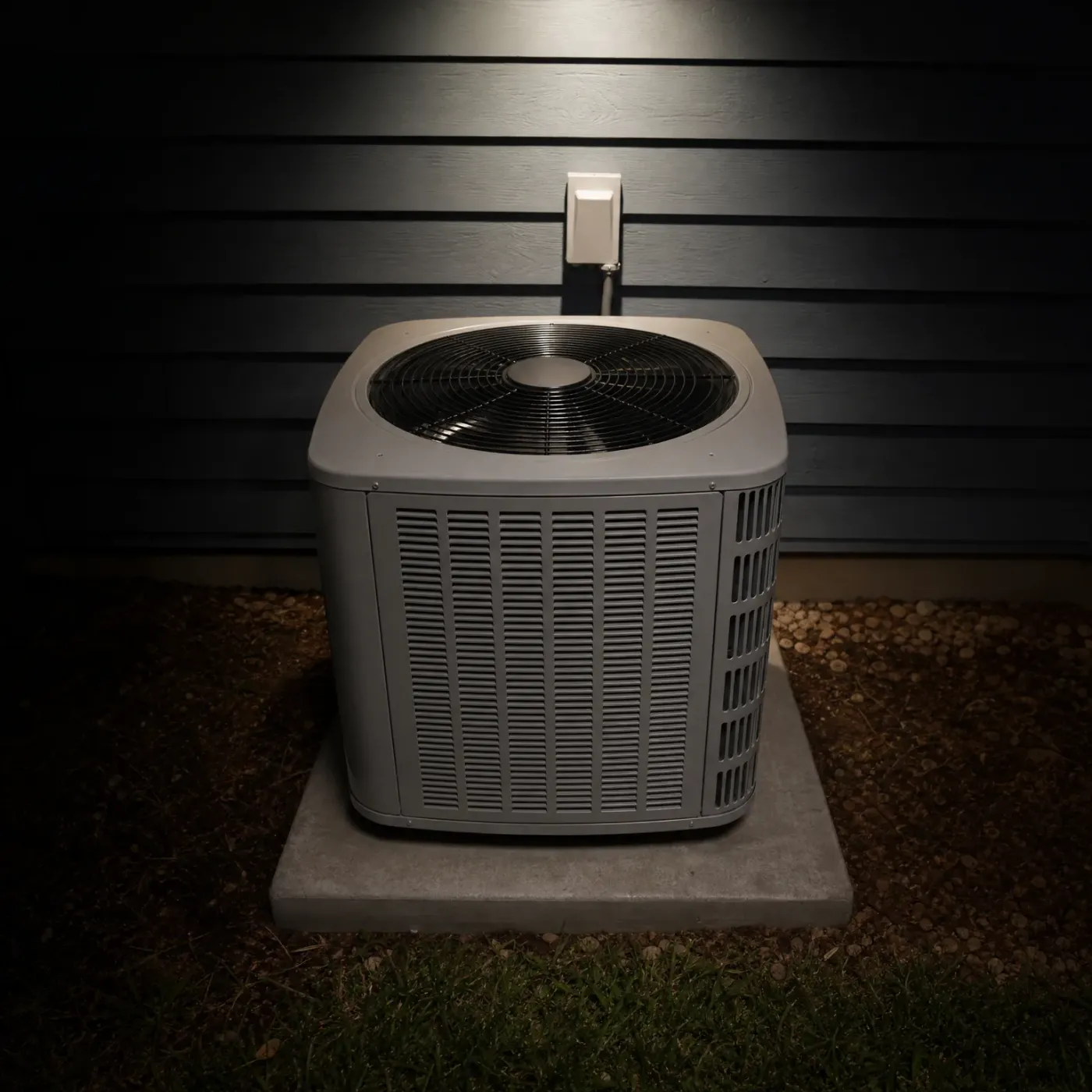
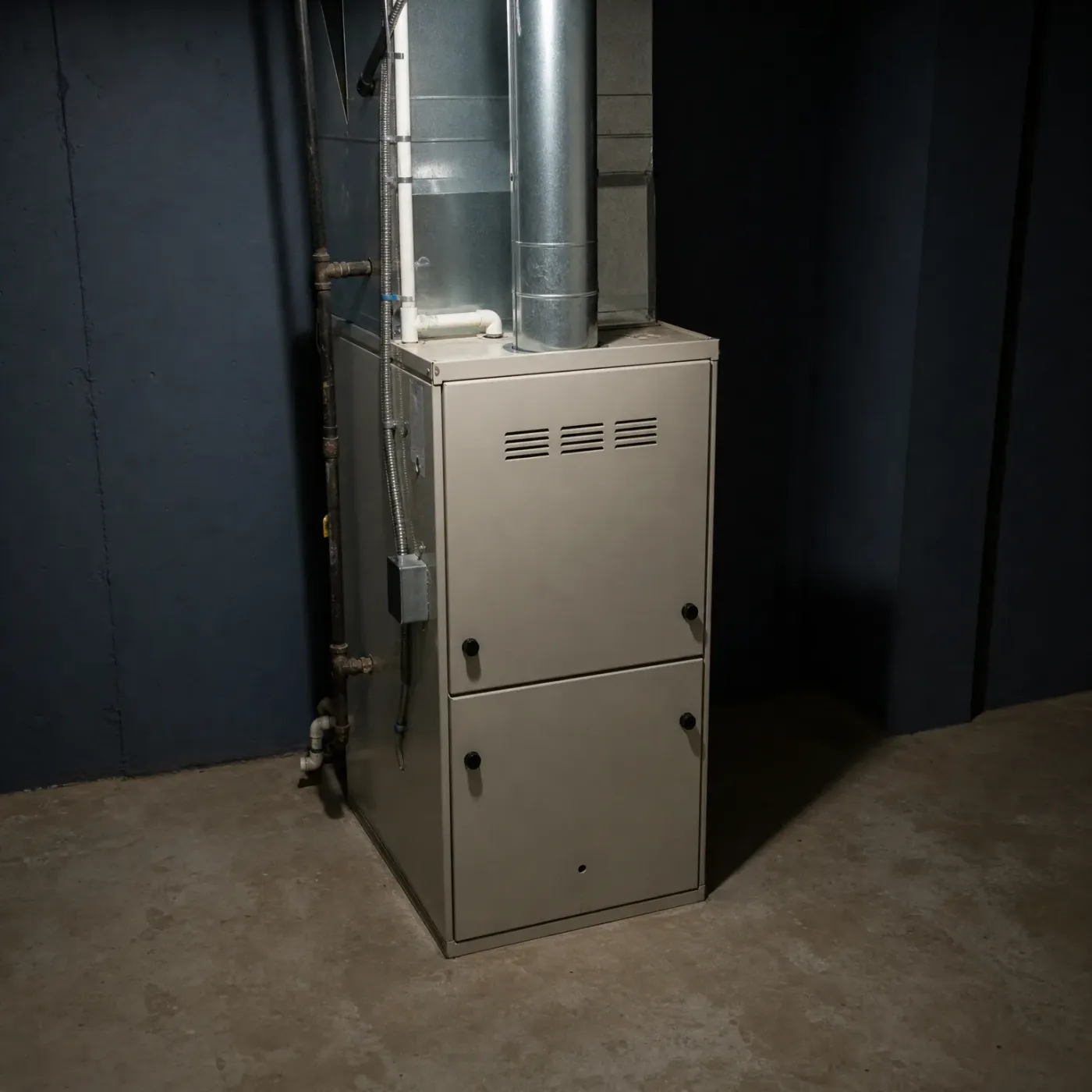
So the real question is not whether a heat pump can heat your house in Kane County. The running-cost numbers above say it can, at about the same price as gas, $1.63 against $1.57 per 100,000 Btu. The question is what it is doing on those 140 nights. For a standard heat pump, the answer is often backup heat, usually electric resistance, and that is where the real cost can climb past what the band above shows. A cold-climate heat pump is built for this. To carry that label it has to prove, under third-party testing, that it still makes at least 1.75 units of heat per unit of electricity at 5°F, and holds onto 70 percent of its warm-weather capacity at that temperature. Field testing on prototype cold-climate units backs this up: between 0°F and 35°F, backup heat covered only a small share of the load, and running on backup alone was rare unless it dropped below 0°F. That kind of cold hits this county about once a year. A standard heat pump will lean on its backup through a lot of the nights above that. A cold-climate heat pump mostly will not.