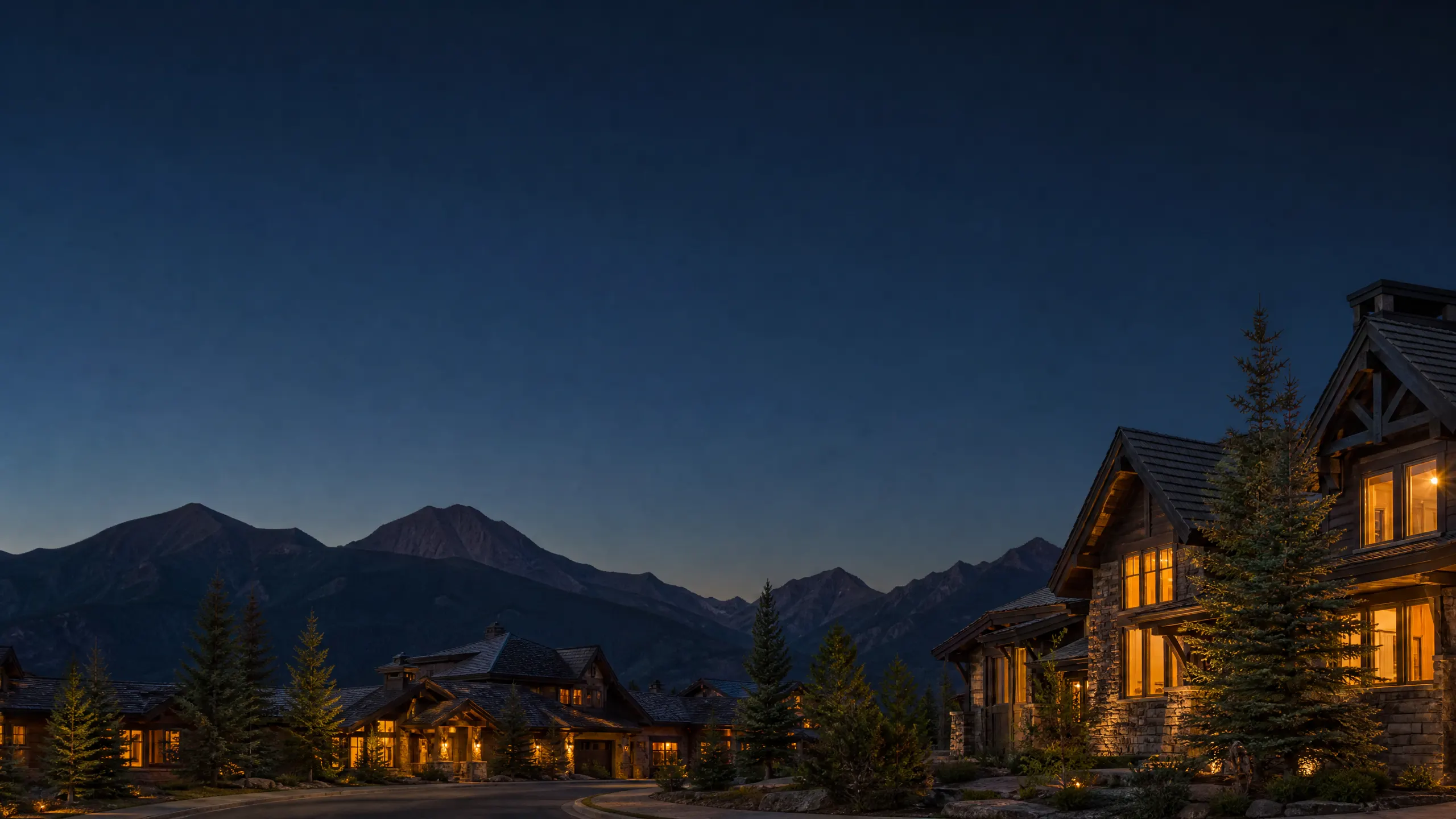

Stone and timber luxury homes with glowing windows line a mountain street at dusk, with evergreen trees and a rocky mountain range in the background.

Furnace Maintenance in St. George, UT

Tell us about the job

Takes about a minute. No obligation.

Tune-up, service, or cleaningFurnace or heatingWashington County, UT
Step 1 of 2

What ZIP code is the job in?

Your furnace runs eight months here, October through May. Overnight lows average 28 degrees across December, January and February, so it's working hard during that stretch, not just idling. One check before that run starts is enough to catch a weak igniter or a flame sensor that's starting to fail. Washington County also sees its share of winter storms, the kind that knock power out for a bit, and a furnace that's been looked at ahead of time is more likely to come back on the way it should when the power does. Nothing about a St. George winter asks for more than that one visit a year. It just needs to happen before the cold settles in.

October is the start of eight months of heat here, not a slow lead-in.

Have your furnace checked in September so it's ready for that first month.

St. George runs on gasUtility gas heats 58.1% of homes here, more than any other fuel.

Half the homes in Washington County were built in 2003 or later, so a lot of furnaces here aren't old. That works in your favor, but it's not a reason to skip the yearly check. A newer furnace still has an igniter and a flame sensor that wear with use, and a yearly look is what keeps a system that age running the way it's supposed to for years longer. Skip it for a few years running and small issues get the chance to turn into bigger ones. One visit a year is a small ask against a furnace that's got a lot of winters left in it.

Keep the yearly check

Once a year is enough here.

Find a contractor
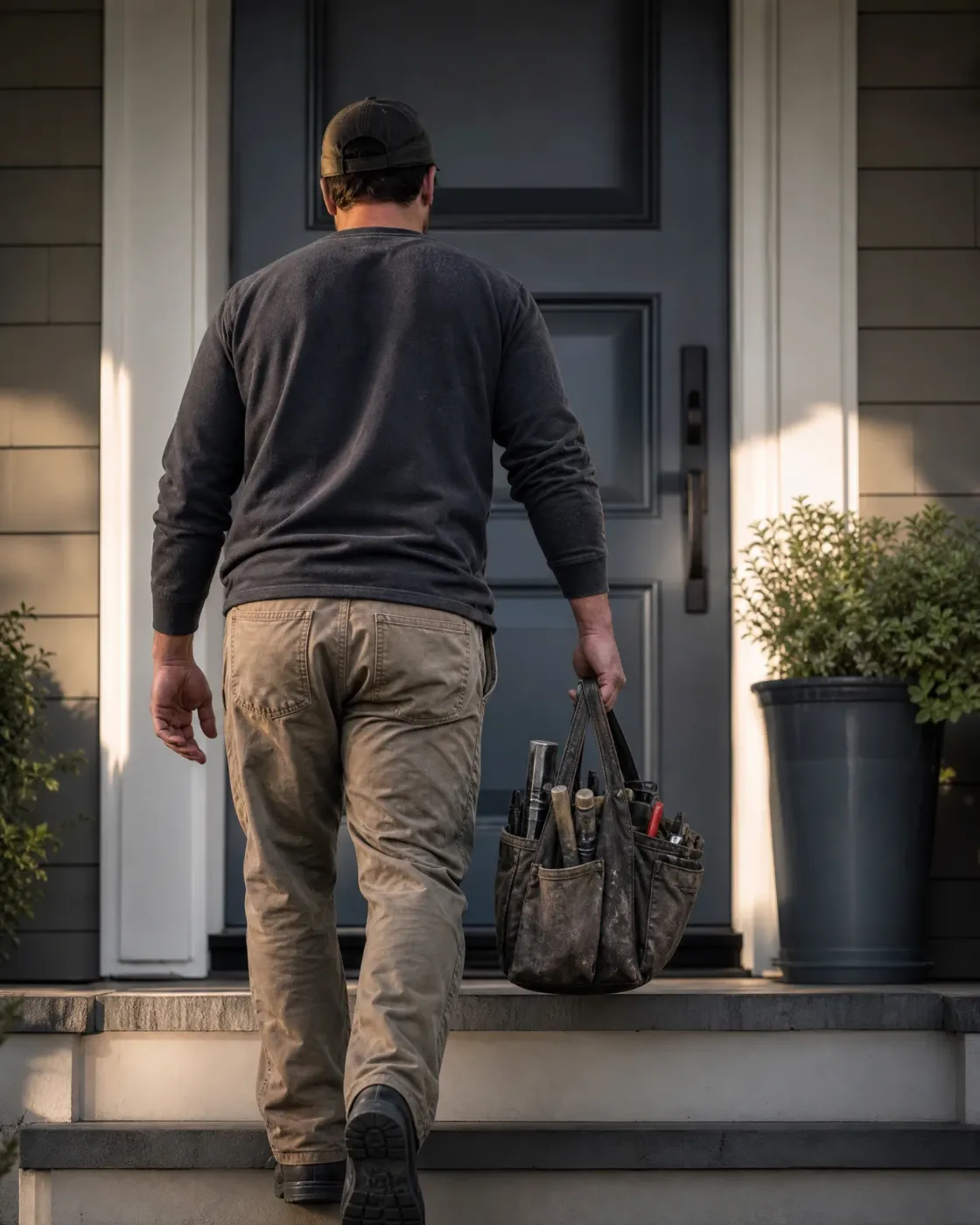
A man in a cap, dark long-sleeved shirt and tan work pants, seen from behind, carries a canvas tool bag up concrete steps toward a dark blue front door flanked by white columns and a potted shrub.
A gray high-efficiency gas furnace installed in an unfinished basement, surrounded by gas lines, a condensate drain, and sheet-metal ductwork.

A real tune-up opens the panel

A quick visit gets you a filter swap and a look at the thermostat. That's it. A thorough one has the panel off. The tech checks flame color, because it tells him how the gas is burning. He'll pull the igniter and flame sensor to look for wear rather than just testing that they work today. The heat exchanger gets inspected for cracks, since a cracked one can let exhaust mix with the air moving through your house. Static pressure gets measured across the coil and filter, because a furnace fighting bad airflow burns parts out faster than one that isn't. Gas pressure gets checked at the manifold, not assumed from the last visit. The blower wheel comes out from under the housing checked for dust buildup, not just glanced at. None of this takes long once the panel's off, but all of it needs the panel off. A tune-up that's done in a few minutes without a single screw loosened is a filter change with a different name on the invoice.

The flame sensor wears down on its own

A flame sensor builds up a coating just from normal combustion, year after year, whether or not anything else is wrong. Left alone, it gets to the point where it can't tell the burner the flame is lit, and the furnace shuts itself off a few seconds after starting. Cleaning it before that point is routine. Replacing it after it fails is a repair.

A dirty flame changes what you're breathing

Gas should burn with a steady blue flame. Dust on the burners or a cracked heat exchanger can turn that yellow or uneven, which means the gas isn't burning clean. That's not a performance issue, it's a safety one, and it's one of the only things on a furnace you can't check yourself from across the room.

A furnace doesn't have a drain or coils doing the work, that's the air conditioner's side of the same ducts, but the filter belongs to both systems. A dirty filter chokes the airflow the burner depends on. Less air moving across the heat exchanger means it runs hotter than it should, and metal built for one temperature range starts to fatigue faster at a higher one. The blower motor feels it too, pulling harder against something blocking its path. None of this shows up right away. It shows up months later as a motor that burns out early or a heat exchanger that cracks before its time. A clean filter is the simplest thing keeping the rest of the furnace working the way it was built to.

Between visits, the filter is the one thing worth your attention, and it's simple. Check it monthly, hold it up to light if you're not sure, and swap it when you can't see through it. Beyond that, leave the inside of the furnace alone. There's no oil to add, no belt to tension, nothing under the panel that benefits from being touched between tune-ups. What you can do is pay attention. A burner flame should be steady and blue. If it's flickering yellow or the furnace is cycling off on its own after a few seconds, that's not something to wait out until next year's visit. Keep the area around the furnace clear too. It needs room to pull air in, and boxes or storage stacked against it make that harder than it needs to be. A carbon monoxide detector nearby is worth having and checking on its own schedule, separate from anything the furnace does.