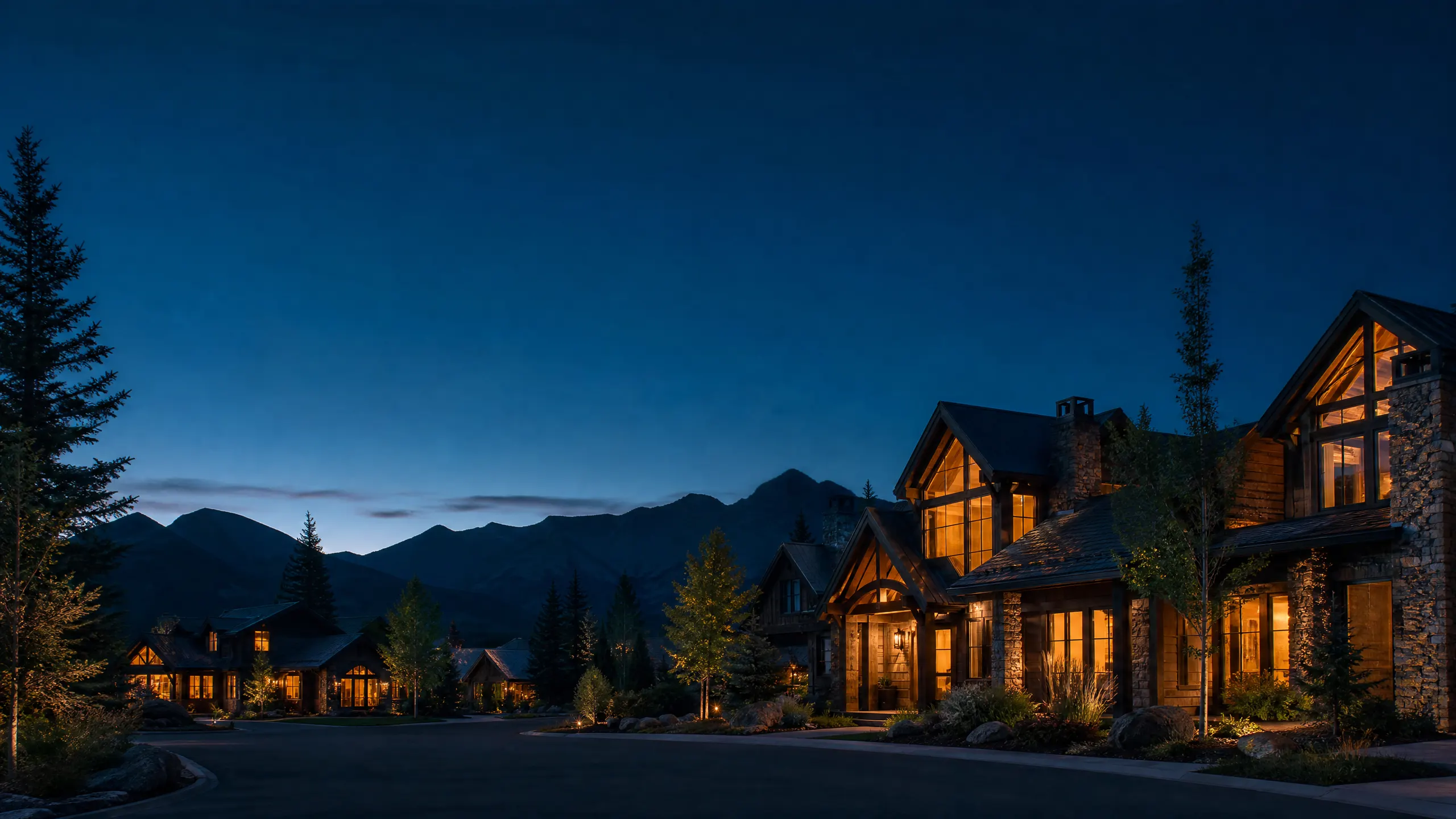
Eleven months of heat a year
Furnaces in Summit County run from August through June. Overnight lows average 12°F across December, January and February. A furnace here gets barely a few weeks off before it has to start up again.
Takes about a minute. No obligation.
Furnaces in Summit County run from August through June. Overnight lows average 12°F across December, January and February. A furnace here gets barely a few weeks off before it has to start up again.
With the furnace running almost year round, a worn igniter or a failing blower motor does not get a quiet stretch to sit unnoticed. Parts that are wearing down show it fast, often right when a storm has already brought the cold in.
Natural gas in Utah ran $12.55 per million Btu in 2024.
A furnace burning more gas than it should to make up for a dirty burner or a clogged filter turns that extra effort into a bigger bill.


Half the homes in Summit County were built in 1995 or later. If your furnace came with a newer house, it's likely nowhere near the end of its working life. A furnace in good condition is worth keeping that way. A yearly check catches a cracked heat exchanger or a weak igniter before it becomes a breakdown, and it keeps a sound furnace running the way it did when it was new. The newer the system, the more years a check like that has to pay off.
113 winter storms hit this county between 2015 and 2024, and a furnace with a weak igniter or a cracked heat exchanger picks the worst of them to quit. Get it looked at before the next one rolls in.
Find a contractorA newer furnace still needs the yearly check, not a replacement. The same visit that catches trouble in an older unit also keeps a good one running the way it was built to, year after year.
The flame should burn steady and blue. A tech pulls the burner and looks at it directly, something nobody does from the hallway. A yellow or flickering flame means incomplete combustion, and that can mean a crack in the heat exchanger that no amount of looking at the outside of the furnace would ever show you.
A blower motor can look fine and sound fine right up until the day it seizes. Checking the amp draw against what the motor is rated for catches a motor that's straining long before it fails outright, usually on the coldest night it's asked to work hardest.
Between visits, the filter is the one thing worth your attention. A dirty filter chokes airflow, and the furnace runs longer to push the same heat through a smaller opening. That strain lands on the blower motor and the heat exchanger. Check the filter by sliding it out and holding it up to a light. If you can't see light through it, it's not doing its job anymore. Keep anything that burns or blocks airflow away from the furnace itself, and leave the rest, the burner, the flame sensor, the ignition system, to someone who can open the cabinet and look.
A tune-up starts with the furnace off and the cabinet open. The burner gets pulled and cleaned, since soot and dust on it change how the flame burns. The flame sensor gets cleaned too, a thin rod that tells the control board the flame is lit, and a coated one can make the furnace shut off seconds after it starts. The igniter gets checked for cracks or weak spots, since it's the part that fails most often and gives little warning first. The heat exchanger gets inspected for cracks, which matter because that's the one failure that can let exhaust mix with the air moving through the house. The draft and venting get checked to make sure exhaust is actually leaving the house, and the blower gets tested under load, not just switched on and listened to. Every electrical connection gets checked too, since a loose one generates heat of its own and wears out a connector long before it would otherwise fail.

